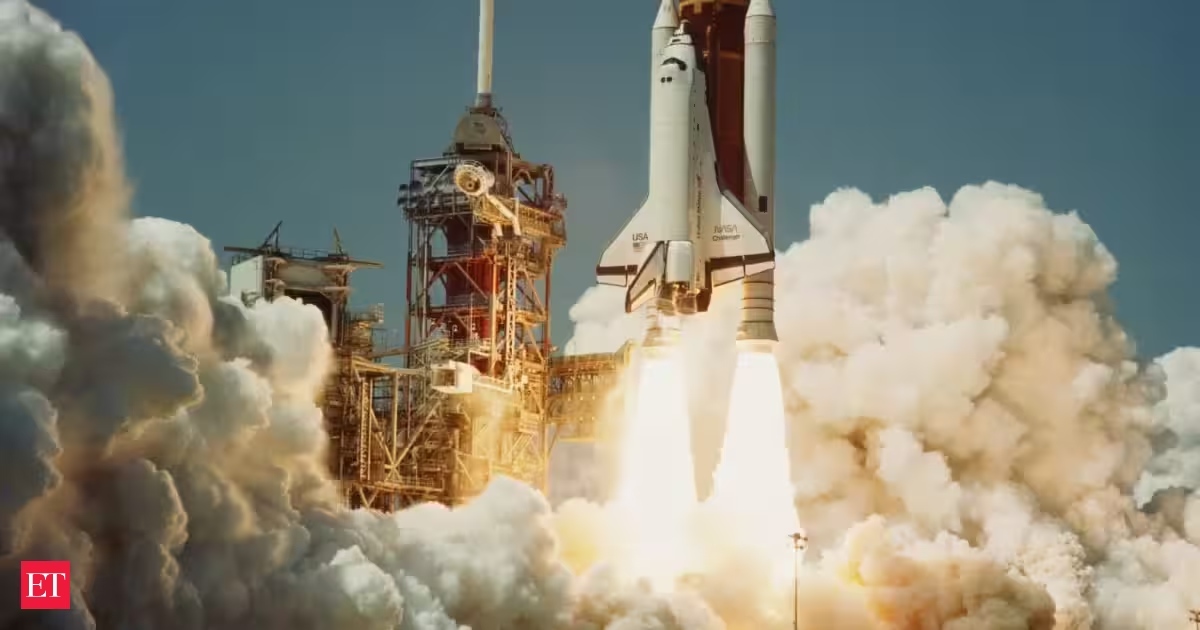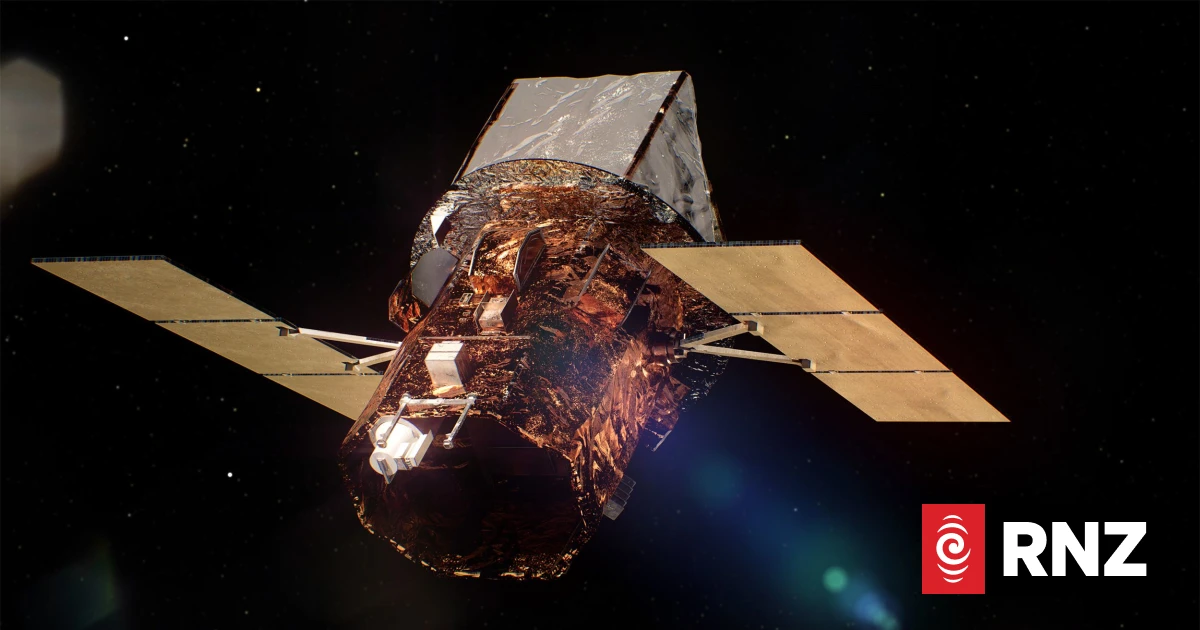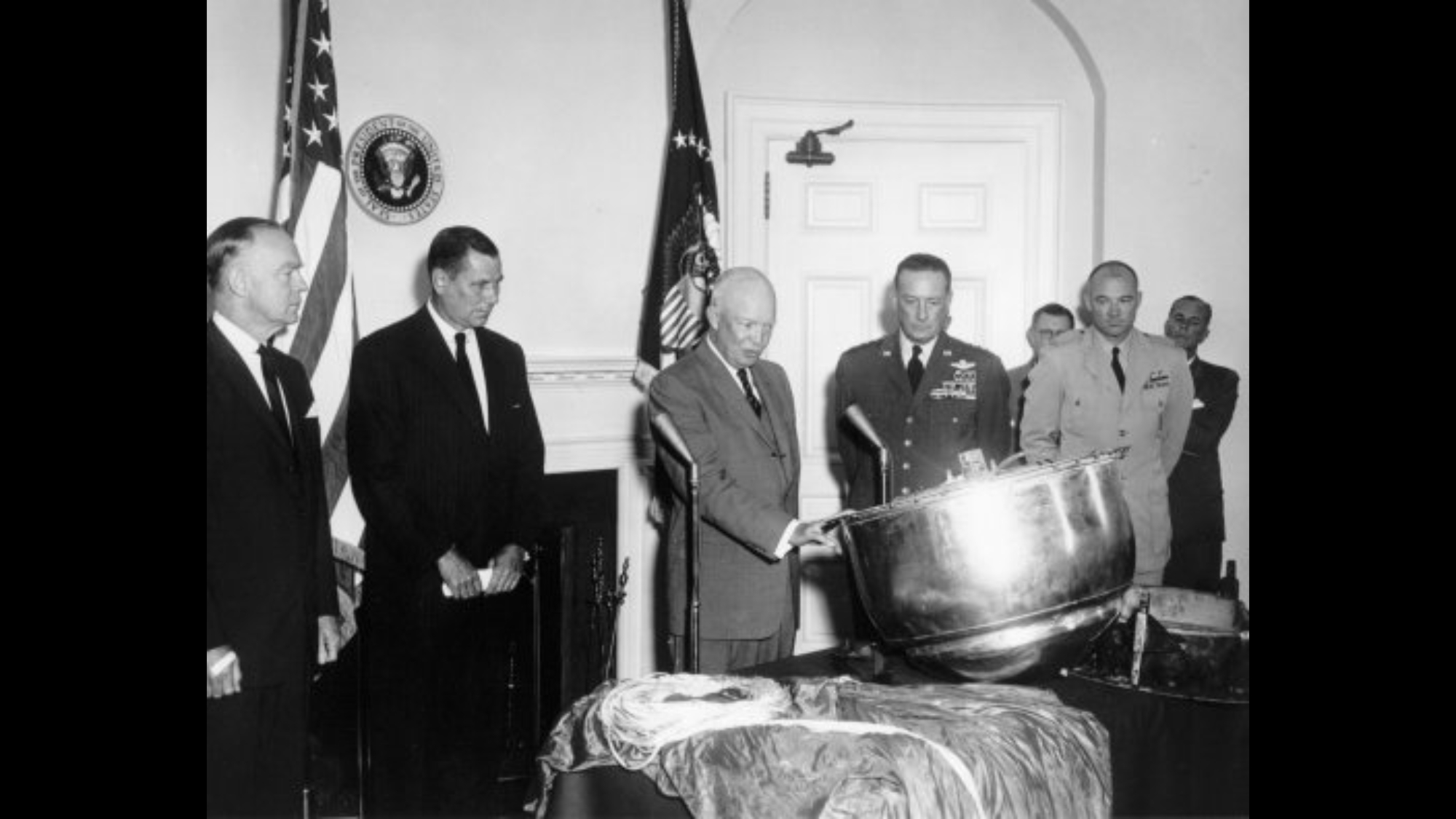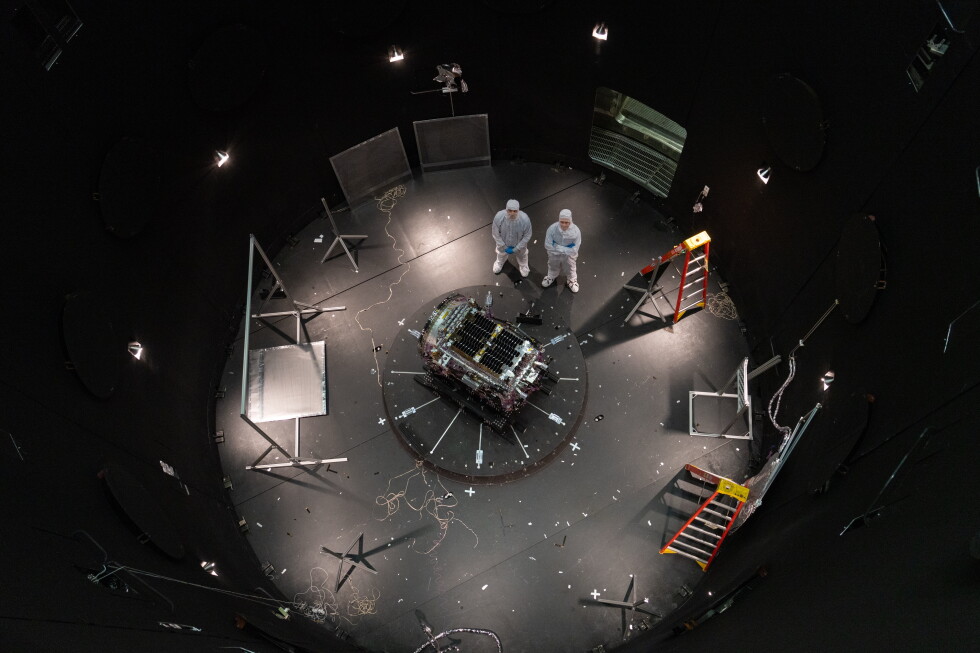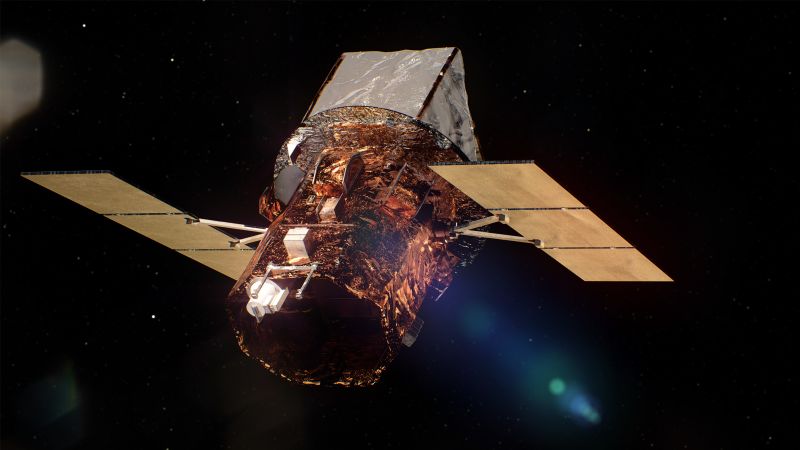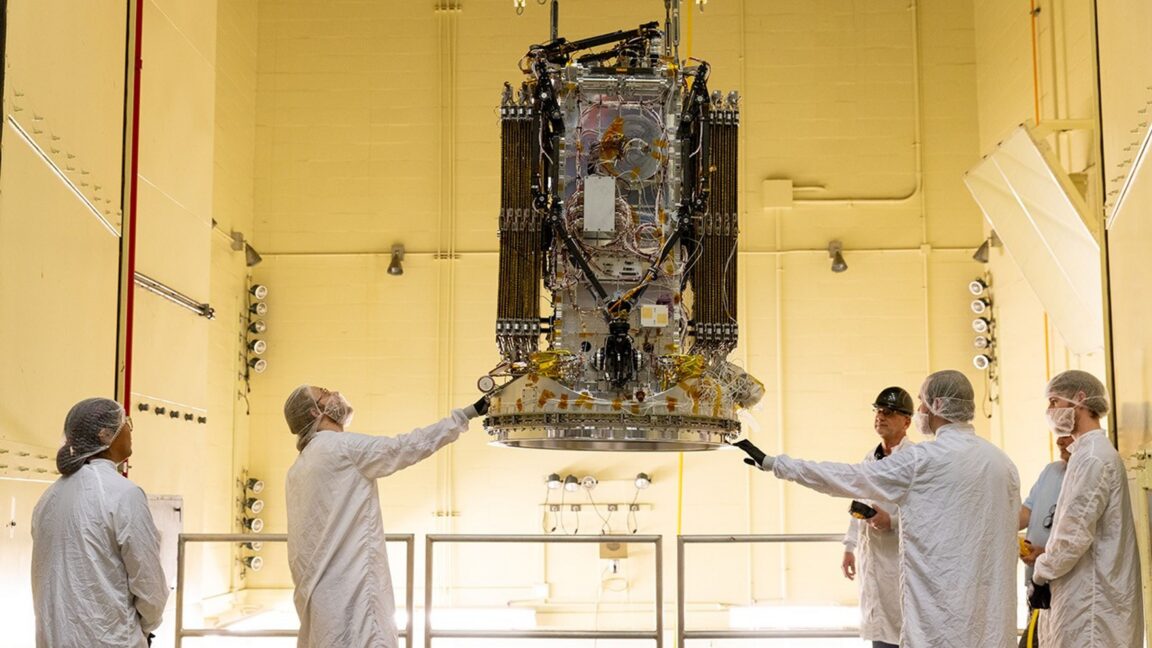
Space missions don't usually feel like heist movies. One mission from 1984, however, comes close. Two communication satellites were left stranded in the wrong orbit, and insurance underwriters ended up owning them. NASA sent five astronauts to retrieve them. NASA's own history office titled its account of the mission 'The Ace Repo Company,' a nod to just how unusual a repossession job in orbit really was.A launch that went half rightOn February 3, 1984, the space shuttle Challenger launched on mission STS-41B. Its job was to get two communication satellites, Westar 6 and Palapa B-2, into geostationary orbit, some 22,300 miles above Earth, where the satellites would fly themselves. Each satellite had a little rocket motor called a Payload Assist Module (PAM) to give that last push. Both satellites’ rocket stages failed. NASA's history office notes that this left the satellites in a useless, lopsided orbit between 160 and 600 miles high, nowhere near the altitude they needed to function. Western Union owned Westar 6, and the government of Indonesia owned Palapa B-2. Both were healthy and working perfectly. They just could not get to where they were supposed to be.Gardner approaches Westar 6 with the "stinger" tool, moments before locking on to stop its spin. Image Credits: NASA via Wikimedia CommonsWhen insurance underwriters became satellite ownersBoth satellites were insured, and the underwriters paid the claims after the failures were confirmed. In the end, they became the legal owners of two very expensive, very stuck satellites. As Lloyd's of London describes on its own website, the funding for the recovery effort was provided by the Lloyd's insurance market itself, a rare instance of an insurer funding a rescue directly. A report titled ‘On-orbit satellite servicing, insurance and lessons of Palapa B2 and Westar 6,’ published in ROOM Space Journal, adds that this kind of situation is not unheard of in the space insurance world. Even today, underwriters sometimes end up with malfunctioning satellites and have to decide if it is worth trying to recover them.Preparing for a rescueNASA also notes that ground controllers spent months slowing the two satellites down gradually and bringing their spin rate down from about 50 revolutions per minute to roughly one rotation per minute, making them easier to grab. This wasn't something NASA did blindly. Just months earlier, on the STS-41C mission in April 1984, astronauts had already used the same MMU jetpack to repair the ailing Solar Max satellite, a success that, per NASA's own account, gave the agency confidence the same equipment could handle an even trickier catch. Engineers at Johnson Space Center also devised a special tool, dubbed the "stinger," that would fit into an empty rocket nozzle of each satellite so an astronaut could snatch it and prevent it from tumbling. NASA refined the plan on the ground for most of the year between the satellites' failure in February and Discovery's launch in November before trying it in orbit.Two spacewalks, two days apartIn November 1984, Discovery launched on mission STS-51-A on November 8 (NASA's naming scheme jumped around in this era, which is why the numbering doesn't run sequentially with the earlier flights) with five astronauts: commander Rick Hauck, pilot David Walker and mission specialists Joseph Allen, Anna Fisher and Dale Gardner. First, the crew deployed two new satellites of their own. Next, the retrieval. On November 12, Allen flew out in a jet-propelled backpack called the Manned Maneuvering Unit, caught up with Palapa B-2 and used the stinger to tame it. Fisher then used the shuttle's robotic arm to move the satellite into the cargo bay. Two days later, on November 14, Gardner repeated the feat with Westar 6. The ROOM Space Journal report called it a dramatic rescue because neither satellite had been designed for recovery, and the capture hardware had to be designed almost from scratch.Westar 6 and Palapa B-2, secured in Discovery's cargo bay, ready for the ride home. Image Credits NASABringing them homeDiscovery landed at Kennedy Space Center November 16, 1984, almost eight days after launch, with both satellites stowed in its cargo bay. That meant the crew handled four satellites on one mission: two they deployed and two they brought back. Both satellites eventually went back to space after refurbishment, under new ownership, essentially finishing the journey their insurers had paid for once. NASA's history office confirms that. The upshot, as the ROOM Space Journal report portrays it, was evidence that the shuttle could do salvage work in orbit and that a stranded satellite did not necessarily have to be written off as a total loss. It was the first time a spacecraft had caught two others in orbit and brought them home safely, and it remains one of the more unusual achievements in NASA's history books.The bell that only rings for good newsThe satellites came back safely and, according to Lloyd's own story, the underwriters were so delighted they rang the market's ceremonial Lutine Bell, rung to announce major news, to celebrate. Three weeks later, then-president Ronald Reagan personally awarded Lloyd's silver medals to the five astronauts, the first time a sitting American president had presented that particular award.Why this mission still mattersSometimes it’s easy to forget that so much of early spaceflight was just solving problems under pressure, not just launches and landings. The mission did not discover anything new about the universe or set a speed record. What it showed was that people in space could fix expensive mistakes in orbit with a jetpack, a robotic arm and a plan refined right up to launch day. For a generation that’s used to throwing devices out the second they break, there’s something almost comforting about a story that involved five astronauts flying into orbit just to get something back.
In 1984, two shuttle-deployed satellites became stranded when their rocket stages failed; months later, Discovery astronauts captured both and returned them to the shuttle
In 1984, NASA astronauts undertook a daring mission to recover two stranded satellites, Westar 6 and Palapa B-2, using innovative techniques and tools. This unique operation not only highlighted NASA's capabilities in orbit but also marked a historic moment in satellite servicing and insurance recovery in space.
956 words~4 min read