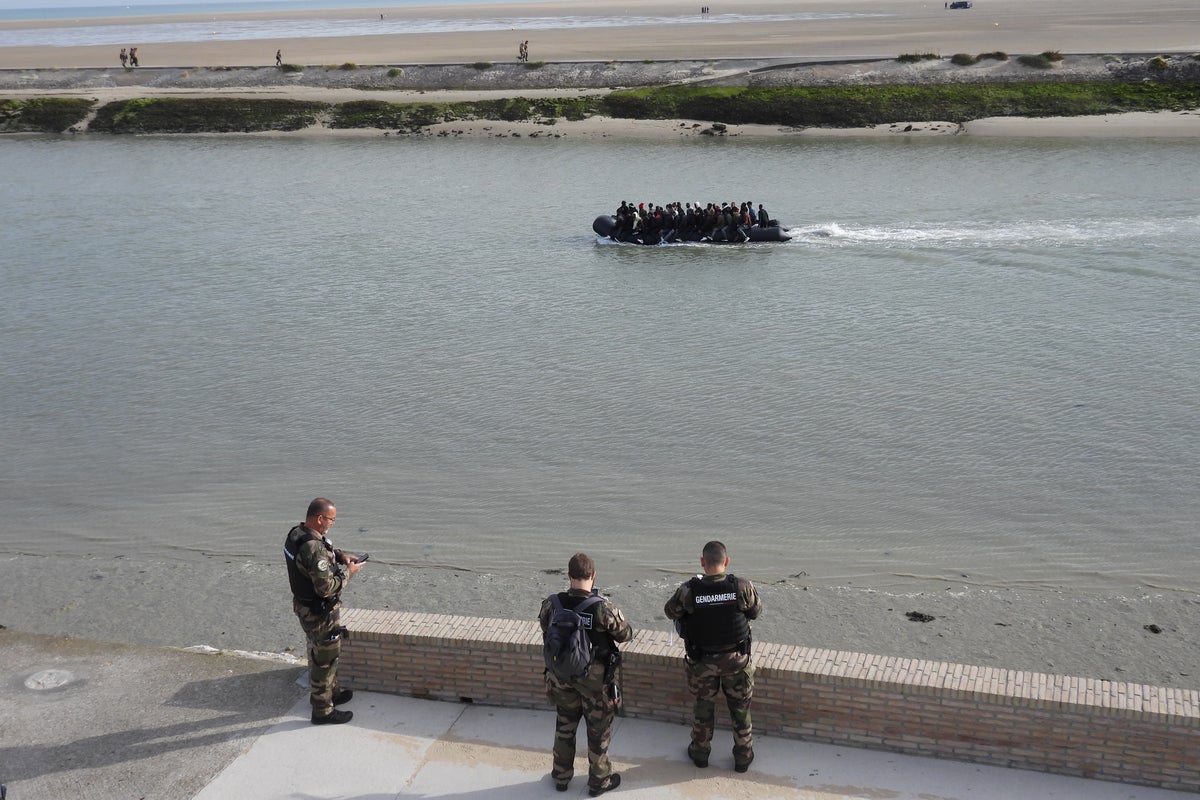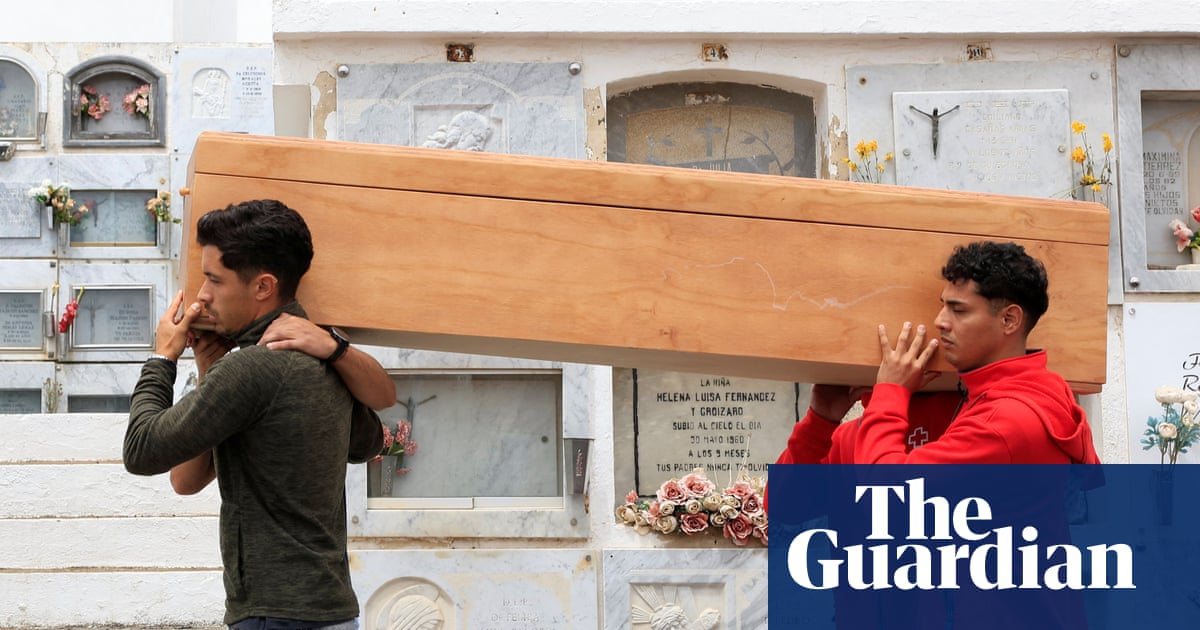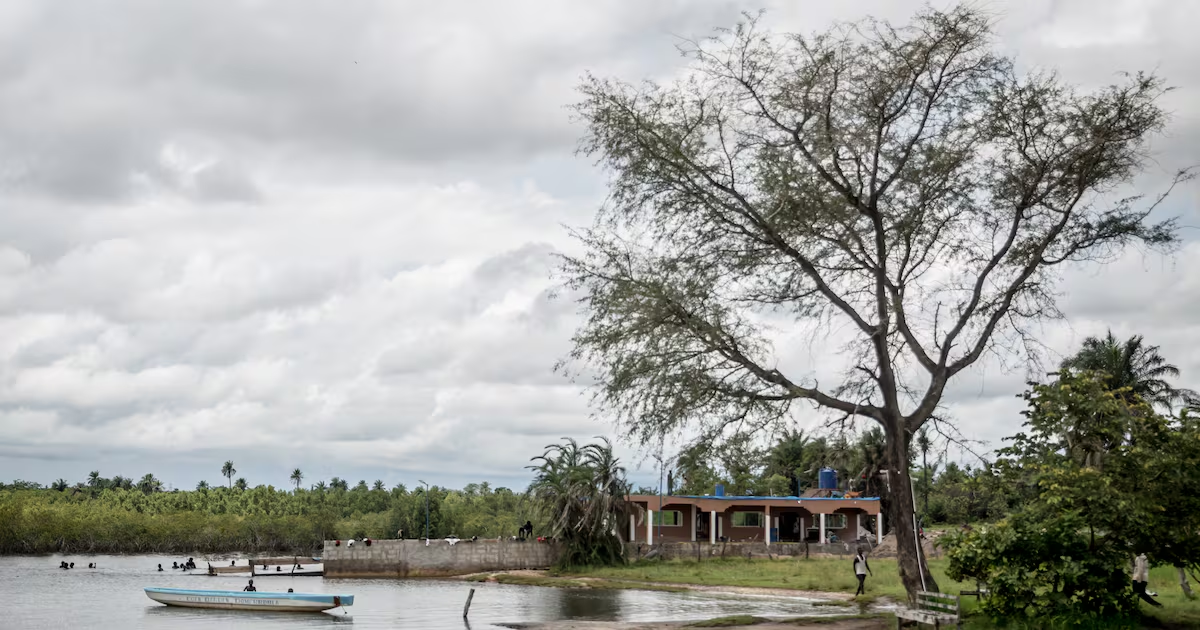
If there’s one thing I’d urge you to read on irishtimes.com this weekend, it’s a vivid in-depth account by Sally Hayden and Kebba Ansu Manneh of the journey aboard a small boat that set off from a Gambian village, bound for Europe, last June. More than 200 people were on board when the boat set off. Just 36 survived. This is a regular occurrence. At least 635 people died on the so-called Atlantic migration route in the first five months of 2026, meaning 21 died for every 100 who completed the crossing. More than 20,000 people have died on this route since 2022. Most of these individual tragedies go unreported. Attempted crossings are organised quietly – some of those profiled in our story did not even tell close family members they were leaving – and often there are no survivors to tell the story. In their extraordinary piece of reportage, Hayden and Manneh assemble the story of the small boat that left the village of Bafuloto in the dead of night by speaking to survivors, the family members of victims, locals from the village as well as authorities, activists, aid workers and even a man who had planned to be on board. What emerges is a story of desperation, horror and unthinkable human endurance, told with sensitivity and compassion. It was day 13 or 14 when people started dying, says Mustapha Secka (29), one of the survivors. At least nine dead bodies were thrown in the sea each day after that, he says. He could see it happen from where he sat at the top of the boat. The captains would pray as they did it.When the deaths started, Secka says, passengers still helped each other for a while. “I used to help people who were struggling when I knew without that they would die. I saw other people rendering the same food or help to people in the boat.” He recalls one man clutching his stomach. The man later threw himself into the sea. “Most of them before they die they hallucinate; they go mad,” Secka says. Ngie says one of his friends threw himself into the sea after announcing he was going to the shop.This week, Conor Gallagher from our investigations team reported that a prominent Swiss politician is alleged to have repeatedly drugged and raped an Irish teenager. Prosecutors say Patrick Frei (57) recorded the incidents, which allegedly occurred while Paula – 14 at the time – and her mother Iwona were living with him in the Swiss town of Untersiggenthal.After the alleged abuse came to light in 2023, Swiss immigration authorities attempted to deport the two women. That decision was reversed earlier this month.The alleged abuse and subsequent treatment of the mother and daughter has sent shock waves through Switzerland. Authorities have now announced an independent investigation into the handling of the women’s case.Conor and photojournalist Alan Betson travelled to Switzerland recently to interview Iwona and Paula – the story and video can be found here. The Irish Government was presented with two significant political problems this month. It responded by throwing money at both of them, writes Pat Leahy. This makes short-term political sense, he argues, but raises bigger questions about its management of the economy. A much bigger problem on the horizon is the faster-than-expected ageing of the Irish population. A country whose self-image is one of youthful vigour is in fact getting on a bit. For the first time since 2014, Paul Colgan explains, the number of people living in the State under the age of 14 has fallen below the one million mark. Now standing at 992,400, this age group has seen its share of the population fall from 20 per cent in 2020 to 18 per cent in 2026 – a drop of 21,300. Those aged over 65 now account for a larger share. Colgan points to the far-reaching implications of this for pensions, schools, healthcare and the future of the economy. “It’s a bit like climate change where we talked about it being in the future,” says Alan Barrett, director of the Economic and Social Research Institute, “and all of a sudden the future is beginning to catch up on us.”We publish two or three obituaries every week. Some of them record well-known lives, but I’m always drawn to the people I’ve never heard of. This weekend you can read about two remarkable Irish women: the magazine editor Deirdre McSharry and Sr Margaret Coyne, whose work saved the sight of thousands threated with blindness. In Sport, the former Dublin football manager Pat Gilroy speaks candidly to Kieran Cunningham about his sense of disillusionment with the GAA, an organisation he thinks has badly lost its way and is actively betraying its own values. Meanwhile, the Sam Maguire Cup has had a busy month; Denis Walsh has been on its trail. Our Culture section has some strong interviews this weekend, including with Domhnall Gleeson, Jon Ronson, Blindboy and Ridley Scott. I enjoyed this run-down of English-language books to look out for this autumn; we’ll review them all in our books section over the coming months. We value your views. Please feel free to send comments, feedback or suggestions for topics you would like to see covered to feedback@irishtimes.com.
Message from the Editor: a story of desperation, horror and unthinkable human endurance
IT Sunday: Our in-depth account of a single small boat that set off for Europe in June gives a rare glimpse of the human tragedy behind one of the defining issues of the age
876 words~4 min read