O
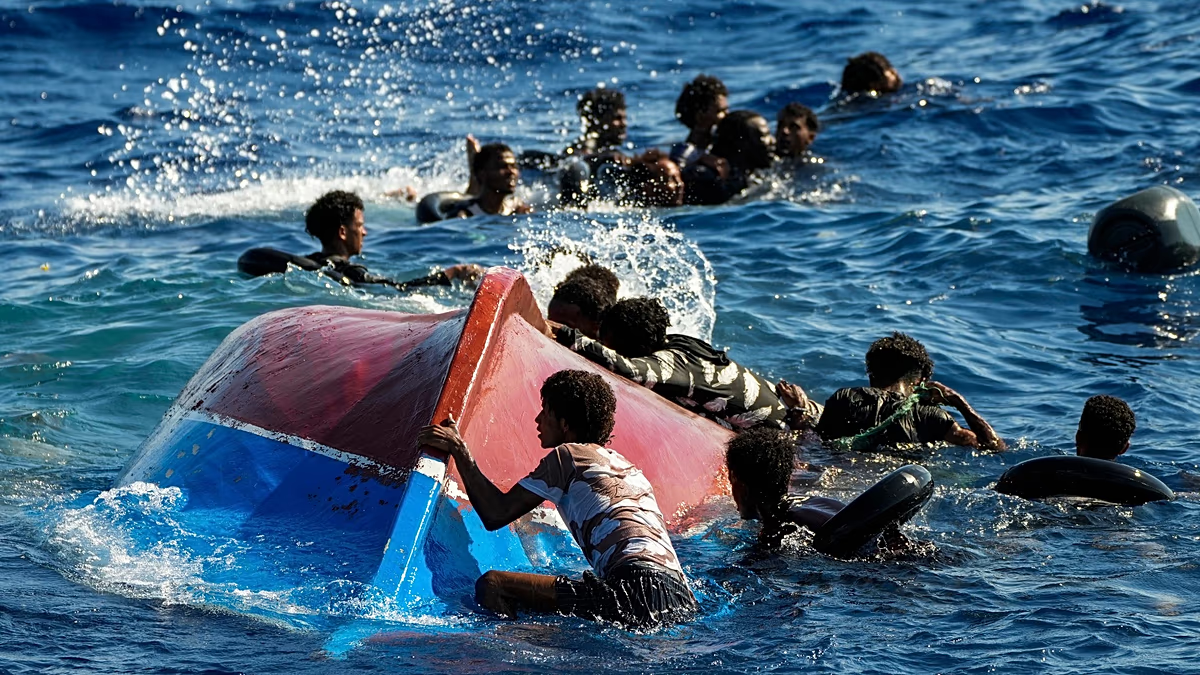
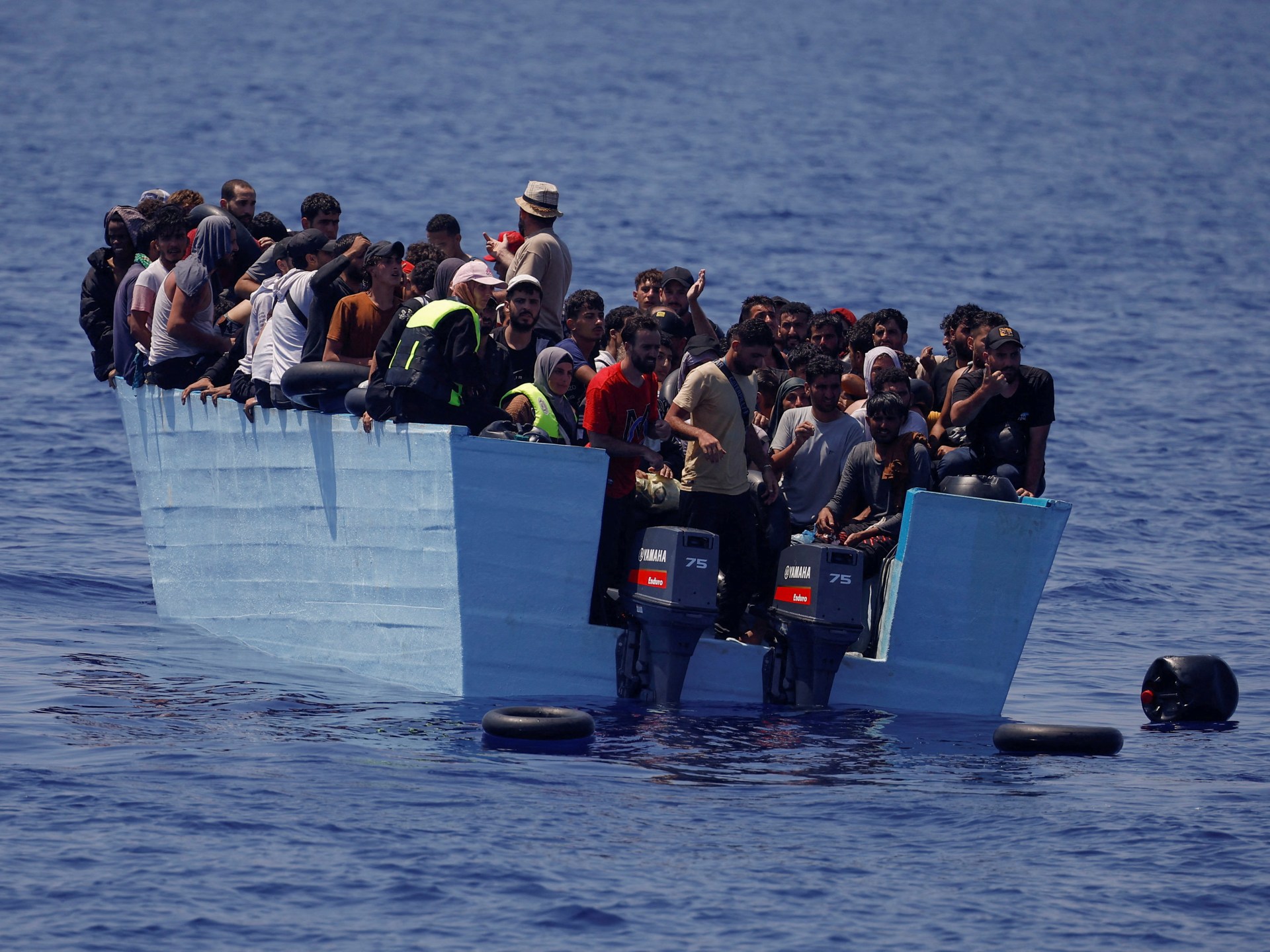
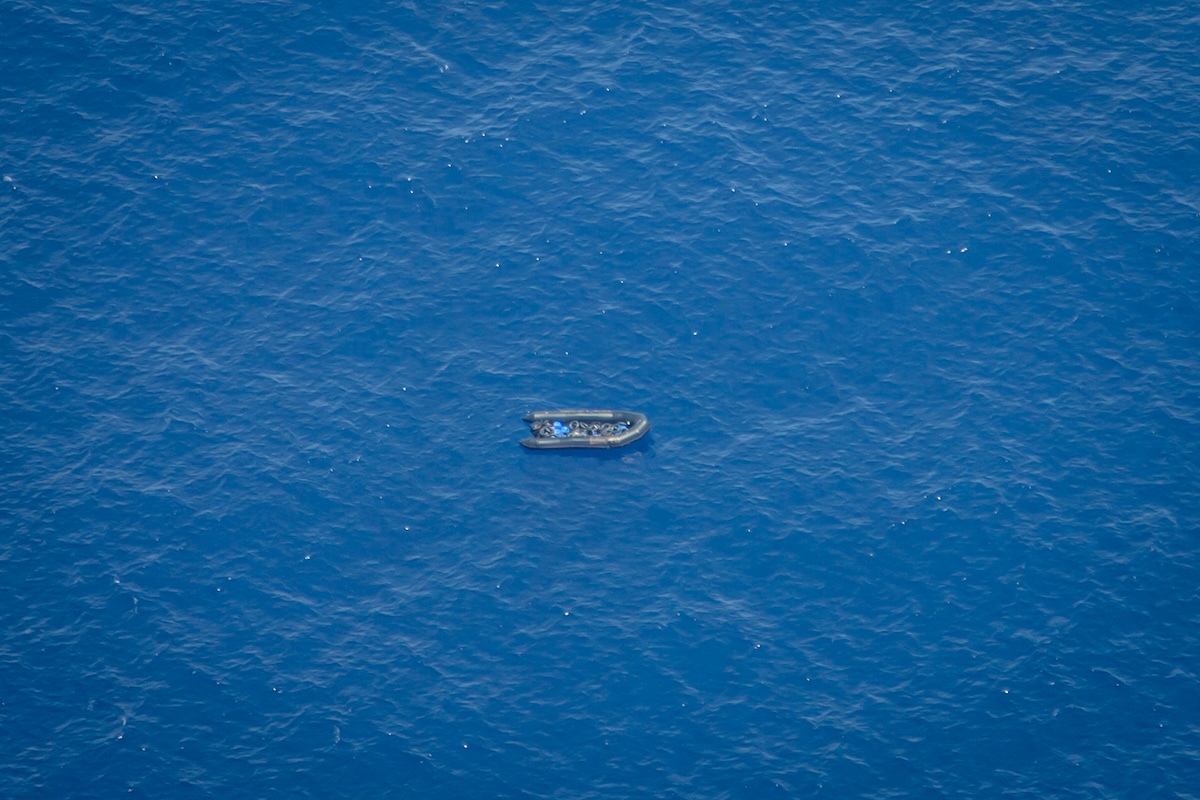
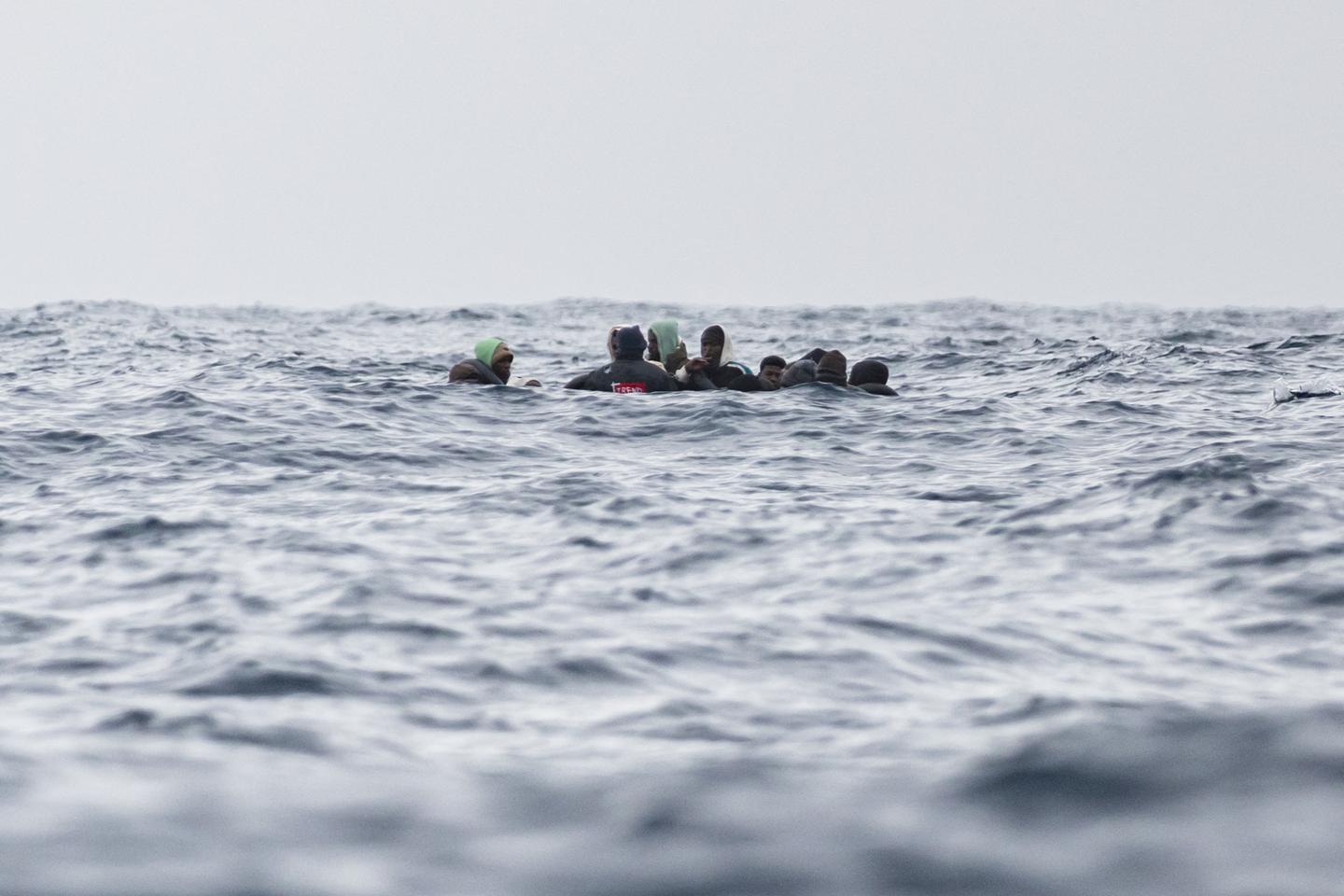
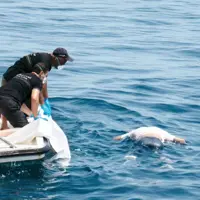
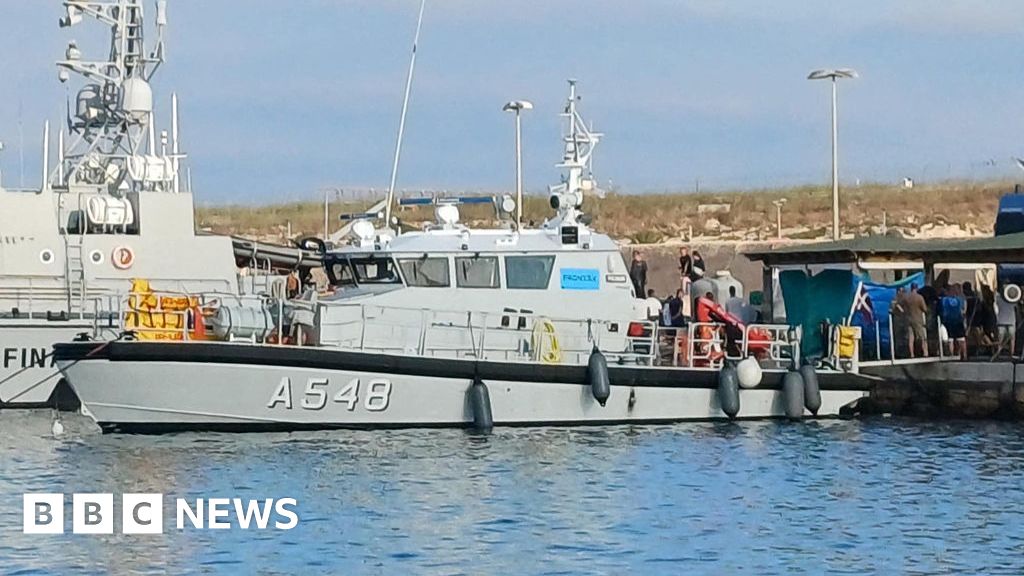
nce again, the Mediterranean has claimed lives that should never have been lost. On 6 February, a rubber boat carrying 55 people capsized off the coast of Libya. Fifty-three migrants are now dead or missing. Just two women survived. One lost her husband. The other lost her two babies.
These kinds of deaths usually only make the headlines if the numbers are large enough, or the details shocking enough. The news cycle quickly moves on. Even less attention is paid to the uncomfortable truth behind these tragedies: They are the predictable outcome of policy failure, criminal exploitation and a global conversation on migration that has become dangerously distorted – and they are largely preventable.
The Mediterranean remains the deadliest migration route in the world. Since the start of this year, at least 484 migrants have already been reported dead or missing – nearly one third of the 1,340 lives lost along the route in the whole of 2025 – an alarming acceleration. These figures are not abstractions. They represent families, futures, skills and hopes – people driven to risk their lives at sea in search of safety or opportunity.
Subscribers only