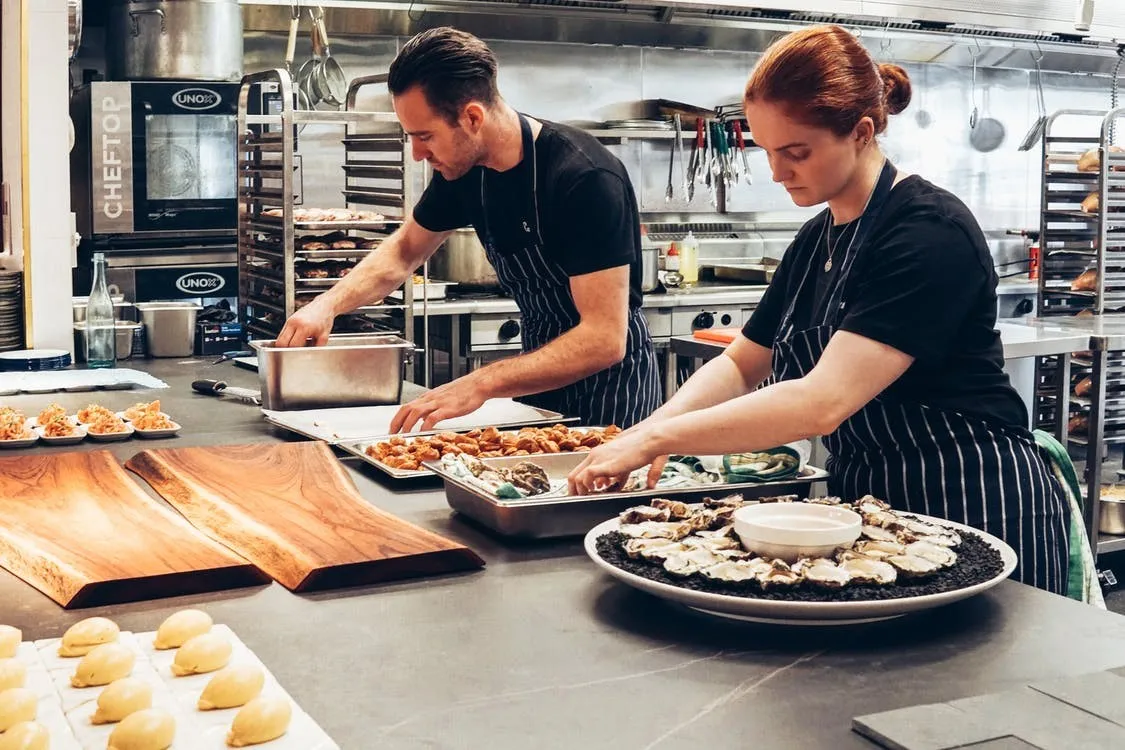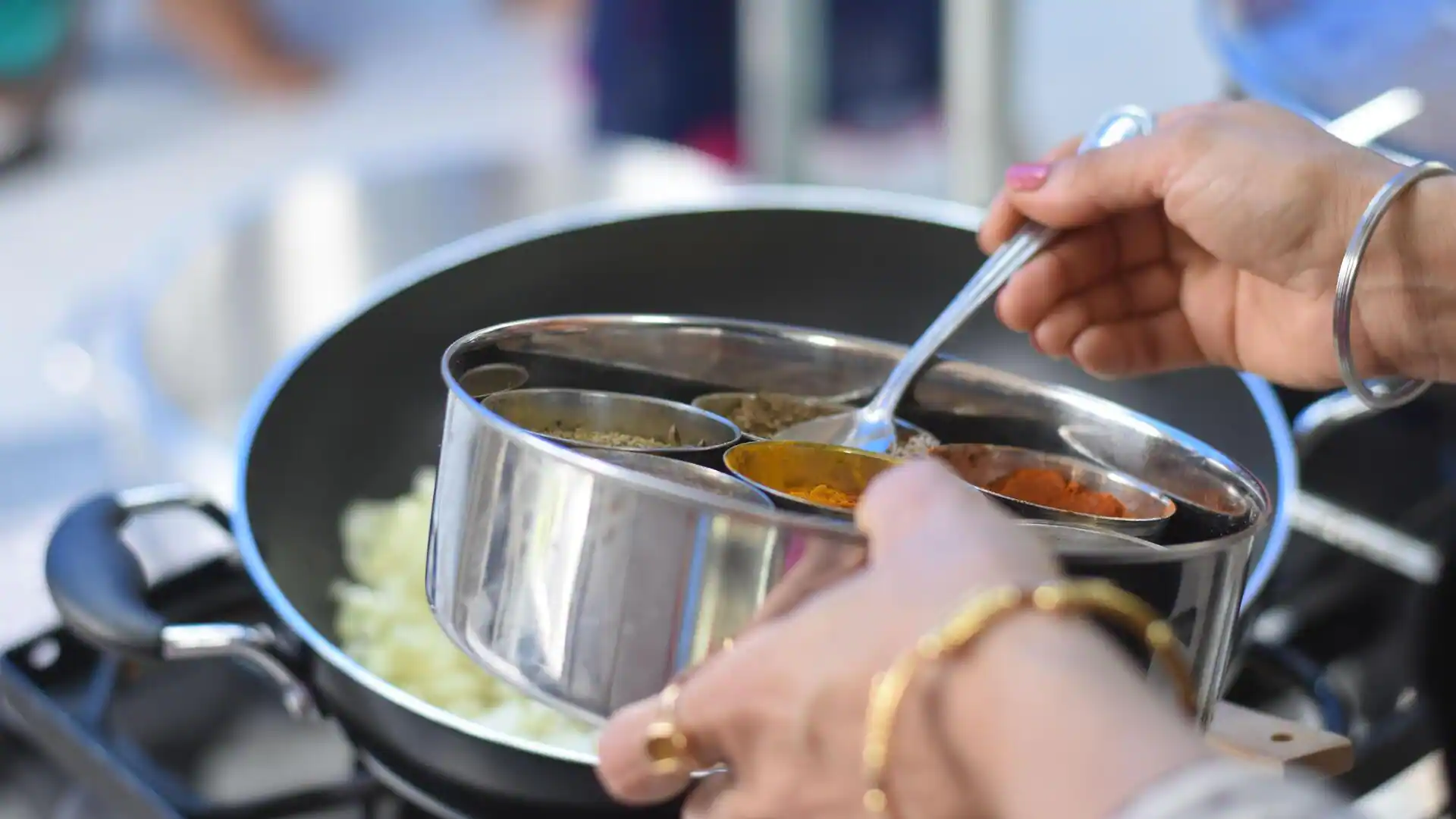
Imagine walking into the kitchen after a long, exhausting workday. The counter is cluttered, the clock is ticking, and the pressure to put a healthy meal on the table feels more like a demanding chore than a nourishing act.How often do we find ourselves rushing through meal preparation, treating it merely as another item to cross off our daily to-do list? What if the simple act of preparing food could actually become a sanctuary for stress relief and holistic well-being?Recent insights suggest that shifting our mindset around cooking can transform it from a daily hassle into a powerful health practice. Rather than viewing meal preparation through the narrow lens of complex nutrition rules, experts advocate for a more grounded, sensory-driven approach that benefits both mind and body.Understanding Mindful Food PreparationAt its core, mindful food preparation means shifting focus away from strict nutritional anxiety and redirecting it toward the present experience of cooking. In an interview with digital health media outlet Health Central, recipe developer and cookbook author Nicki Sizemore explained that while eating well remains a vital pillar of self-care, the surrounding nutrition science often comes with layers of confusion and overwhelm.Sizemore invites people to step back and view the cooking process itself as a primary form of self-care, a dedicated space to create something purely for joy. By focusing on sensory elements, such as admiring the vivid colors of fresh vegetables, listening to the sizzle of garlic, or watching steam rise from a pot, cooking becomes an engaging, grounding routine rather than a stressful obligation.The Physiology of 'Rest and Digest'The connection between food preparation, eating, and stress reduction is deeply tied to the body's physical nervous system. Sizemore noted to Health Central that taking just two deep breaths before cooking or sitting down to a meal helps transition the body toward a parasympathetic state, commonly known as the "rest and digest" mode.This physiological shift reduces feelings of stress, promotes mental clarity, and directly sparks better digestion. For home cooks, entering this calm state brings more presence, ease, and satisfaction to the kitchen, while ensuring the body is properly primed to absorb nutrients during the meal itself.Bringing Mindfulness into Your Daily Kitchen RoutineApplying these principles in everyday life does not require hours of complex prep work or fancy kitchen techniques. Instead, simple habits—like pausing for two deliberate, deep breaths before picking up a chef's knife or taking a seat at the dinner table—can immediately anchor your focus.Ultimately, paying attention to the colors, aromas, and textures of fresh ingredients naturally enhances how food tastes. As Sizemore shared with Health Central, cultivating a sense of appreciation for the ingredients helps shift the daily mindset from a transactional chore to an empowering thought: "I get to eat this beautiful thing."By slowing down, engaging the senses, and incorporating intentional breathing into daily cooking, food preparation transforms into a vital tool for lowering stress, supporting digestion, and building a more meaningful connection to everyday health.
Expert explains how food preparation can be the ultimate act of self-care with this simple kitchen habit
Embracing the art of cooking in the moment can serve as a powerful antidote to stress, fostering a sense of well-being. By engaging with vibrant colors and captivating aromas, we become rooted in the culinary experience. Taking deep breaths prior to cooking stimulates the bodys rest and digest mechanisms, enhancing mental clarity and nutrient uptake. Mindful meal prep cultivates a rich connection to daily health and nourishment.
490 words~2 min read