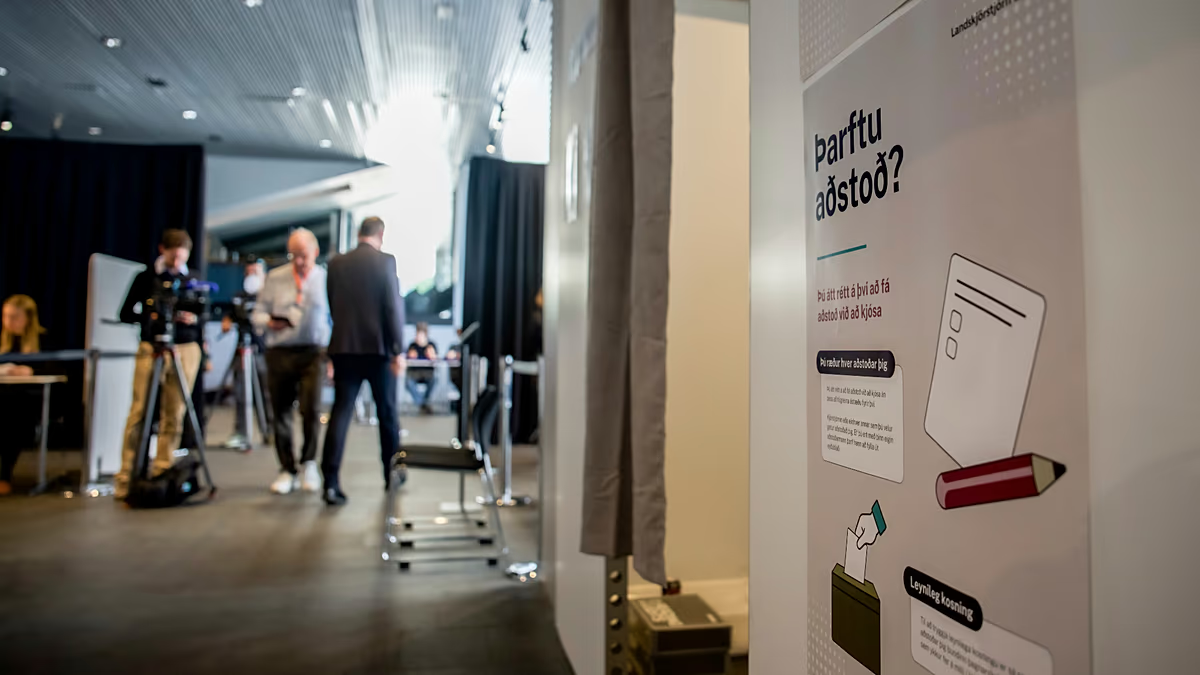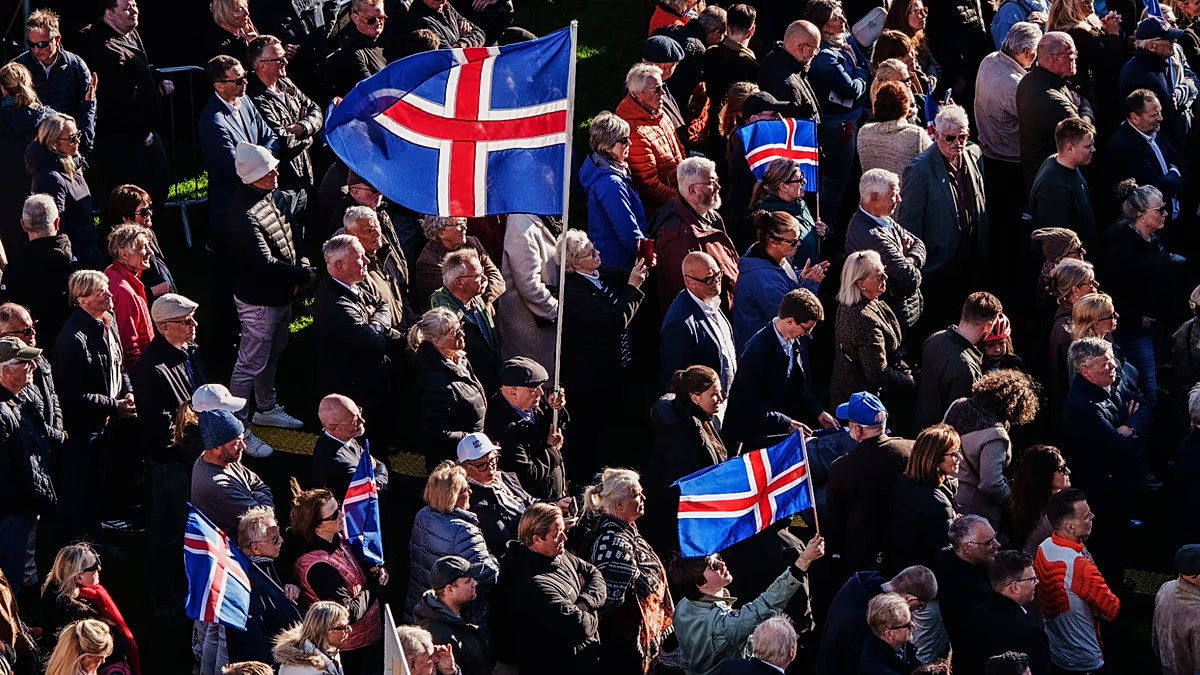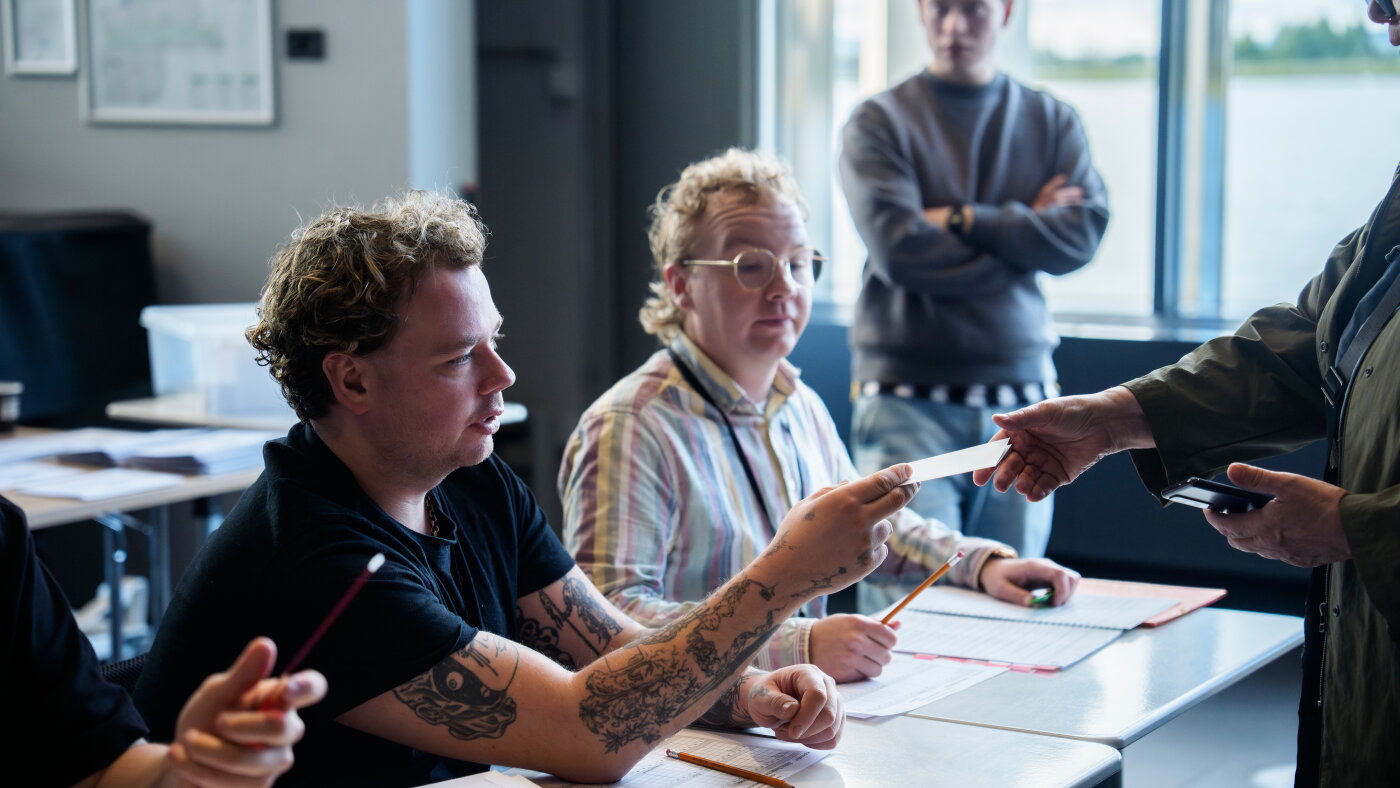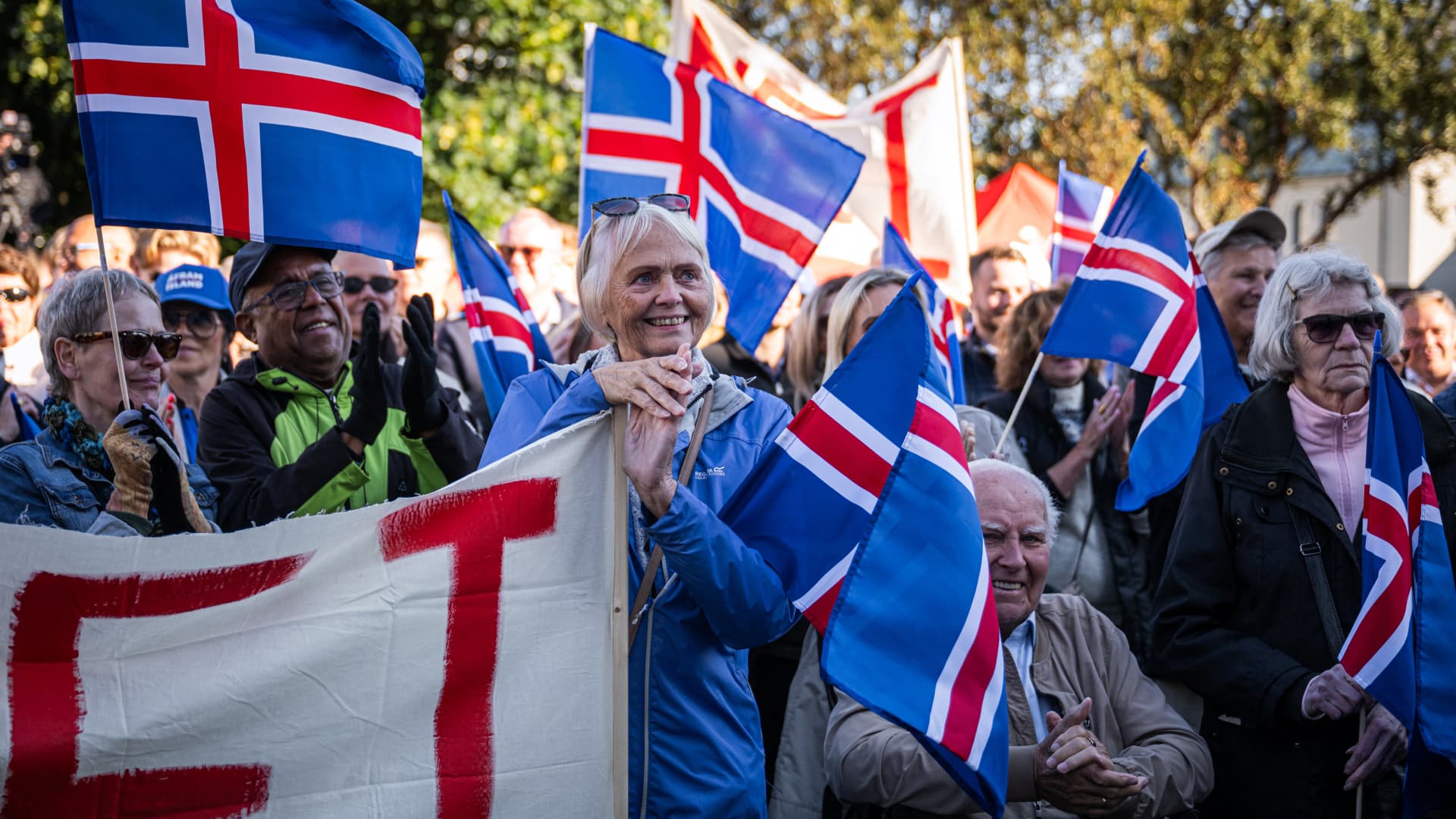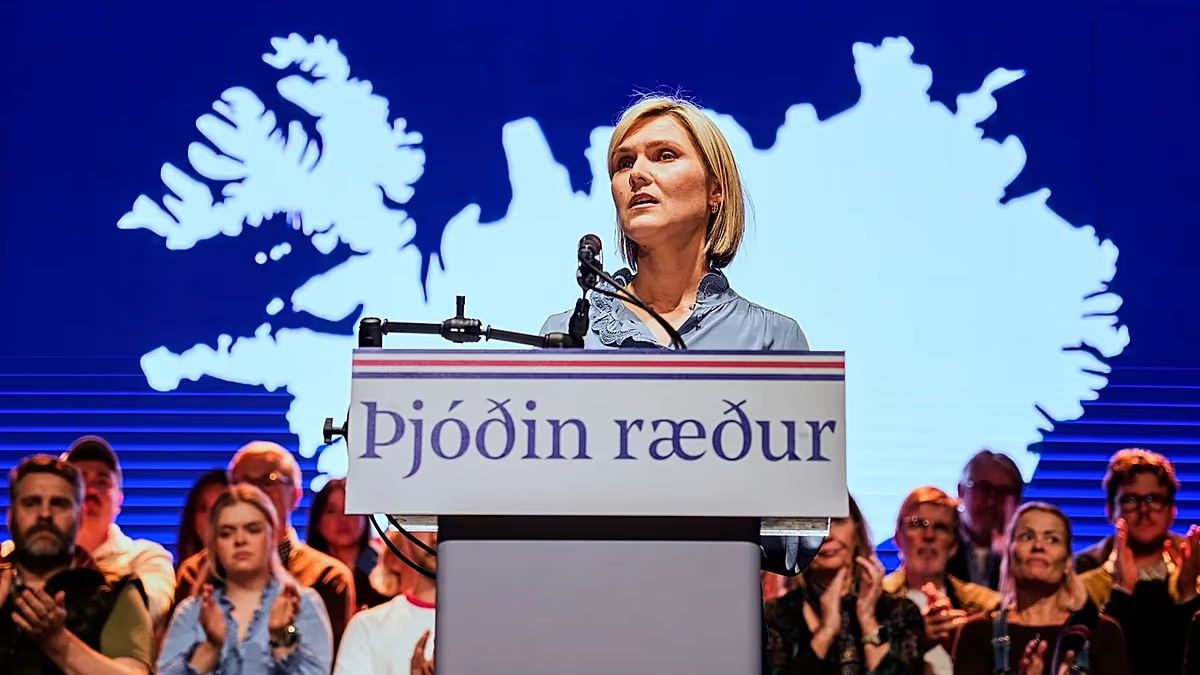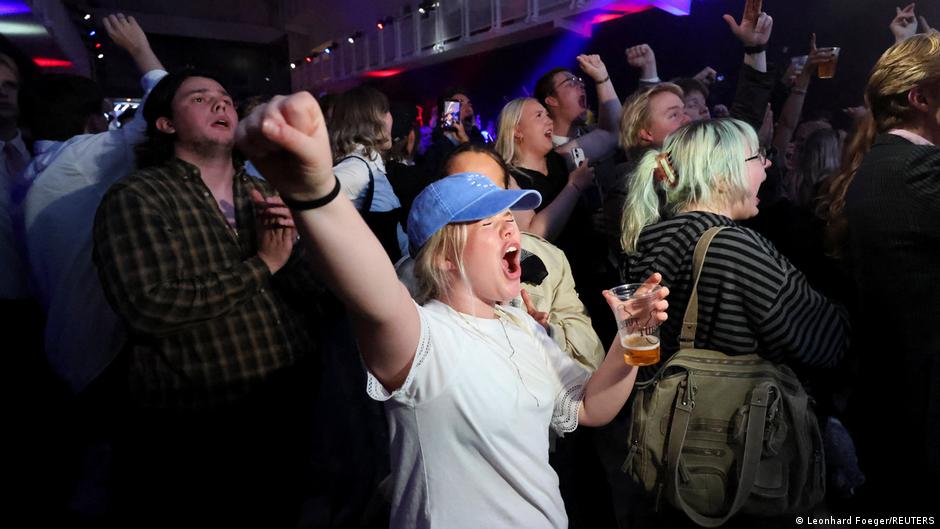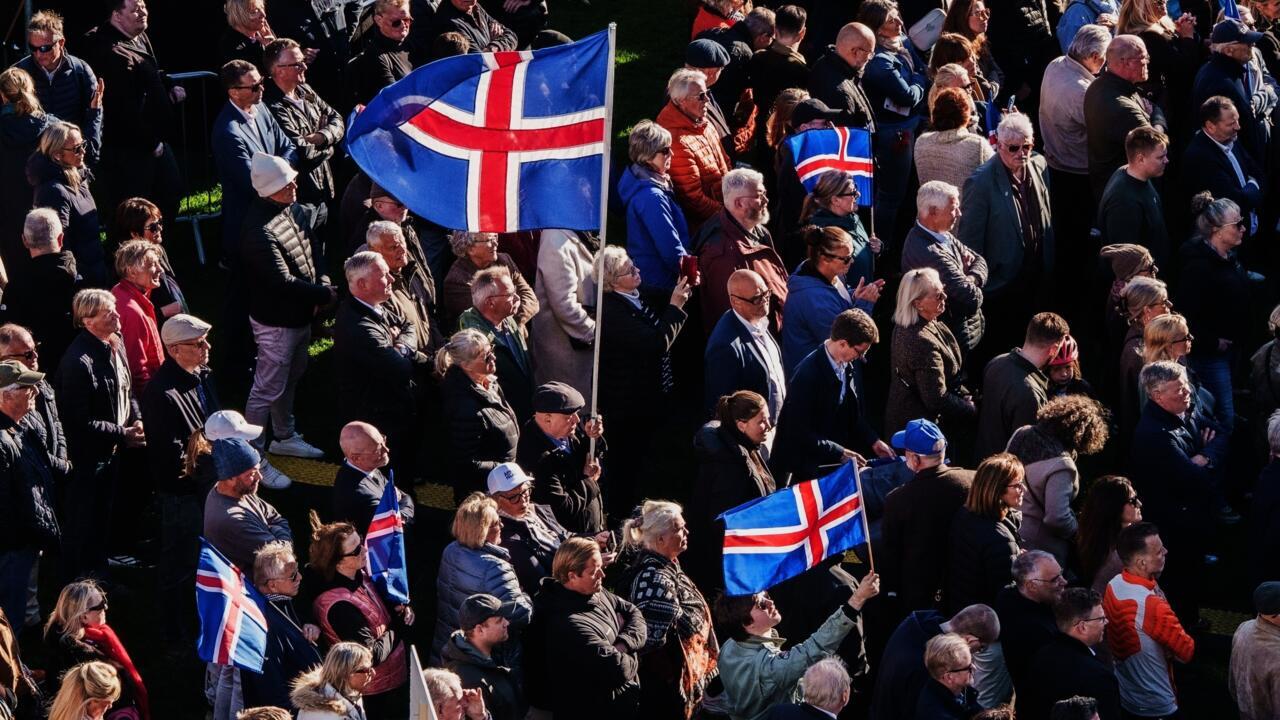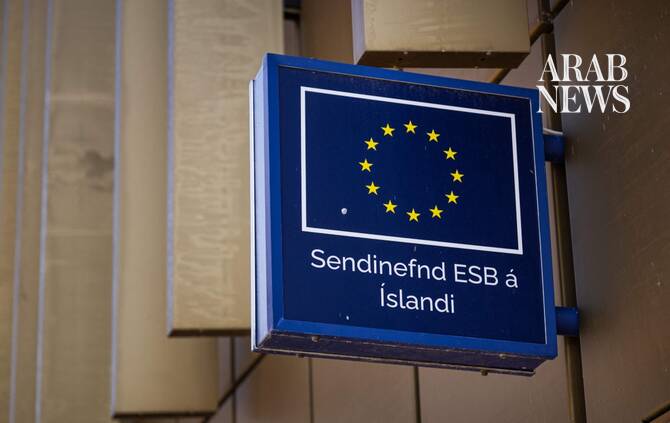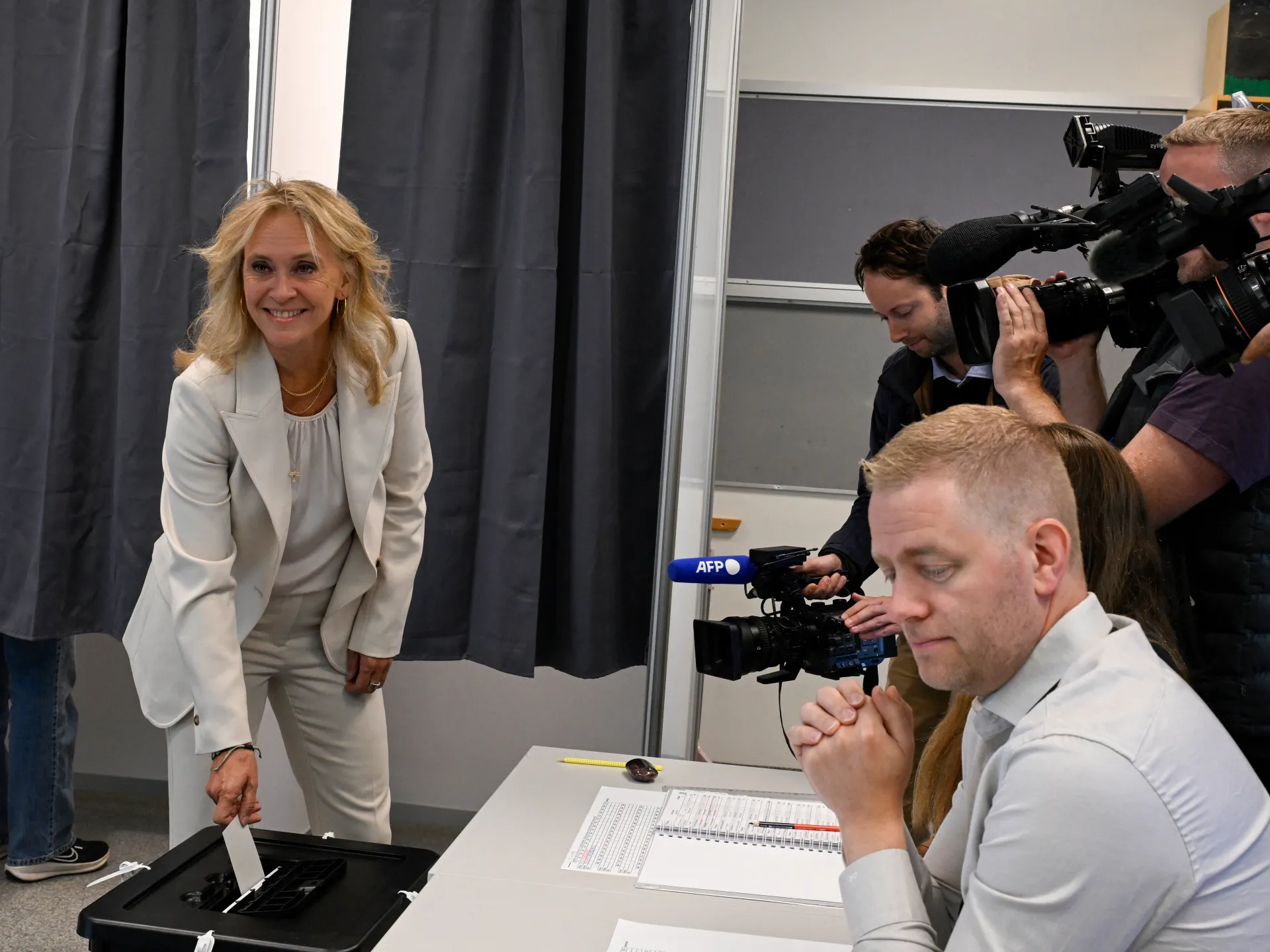
Iceland’s leadership has promised to honour whatever the country’s people decide.Vote counting is under way in Iceland’s referendum on resuming membership negotiations with the European Union.Voting stations closed at 10pm local time on Saturday (22:00 GMT), and partial figures started emerging early on Sunday.Recommended Stories list of 3 itemslist 1 of 3Could Russia hit northern Europe if it gained control of Arctic’s Bear Gap?list 2 of 3Iceland heads to polls in knife-edge referendum on restarting EU talkslist 3 of 3Iceland votes in a tight race on whether to resume talks to join the EUend of listBased on the initial 152,000 of an eligible 270,000 votes, 50.1 percent were against the government restarting talks with Brussels, according to broadcaster RUV, the Reuters news agency reported.That is a swing from an earlier Gallup poll, which gave the “yes” a slight lead.A final count is expected at about midday on Sunday, as counting up votes in the island country is a difficult challenge, with ballots coming from towns and rural polling stations by plane, boat, and car.The referendum does not have exit polls, and ballot counting only began once voting stations closed.Pre-referendum polling hinted at how close the vote would be, with different surveys putting either side narrowly ahead, but none straying more than a few points from an even 50/50 split.The vote comes 13 years after Iceland, then led by a Eurosceptic government, paused EU accession talks.“This is a great day. We’ve been waiting for this for years to be able to have a vote,” Prime Minister Kristrun Frostadottir said after casting her vote.The country is currently governed by the pro-EU Social Democratic Alliance, which called the vote and promised to honour whatever the Icelandic public decides.If Icelanders vote “yes”, the country would likely start years of negotiations with Brussels to hammer out membership terms. It would then hold a second referendum on whether to formally become part of the EU.A Foreign Ministry memo estimated that accession talks could start by the end of 2026 and take 18 to 24 months if the country votes to reopen talks.Security, the relatively sluggish Icelandic economy, fishing rights, and the future of the Icelandic currency, the krona, have all been significant themes in the run-up to the vote.Iceland first applied to join the EU in 2009 amid a financial crisis that hit the country’s small, exposed economy.
Vote count under way in Iceland’s knife-edge EU referendum
Iceland's leadership has promised to honour the country's decision in the vote, which is currently too close to call.
392 words~2 min read