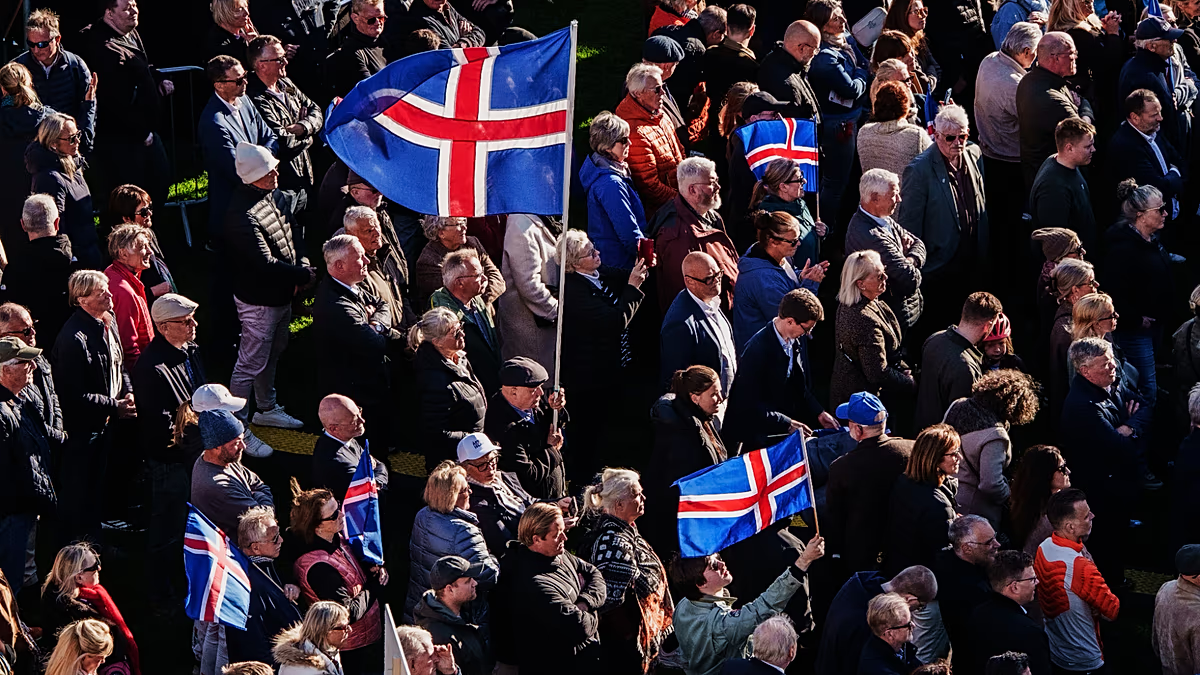
Icelanders will vote on Saturday on whether to resume negotiations to join the European Union, with the result expected to be finely balanced after a campaign dominated by questions of sovereignty, fishing and the country’s place in an increasingly uncertain geopolitical landscape.
Issued on: 29/08/2026 - 08:50
4 min Reading time
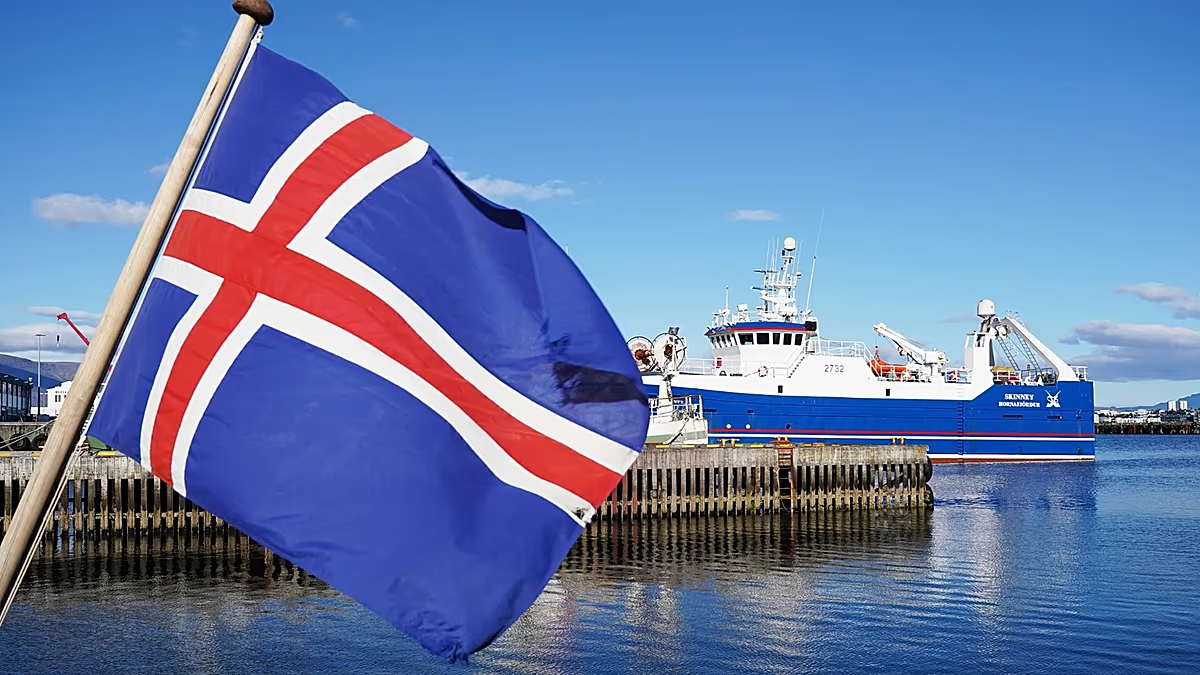
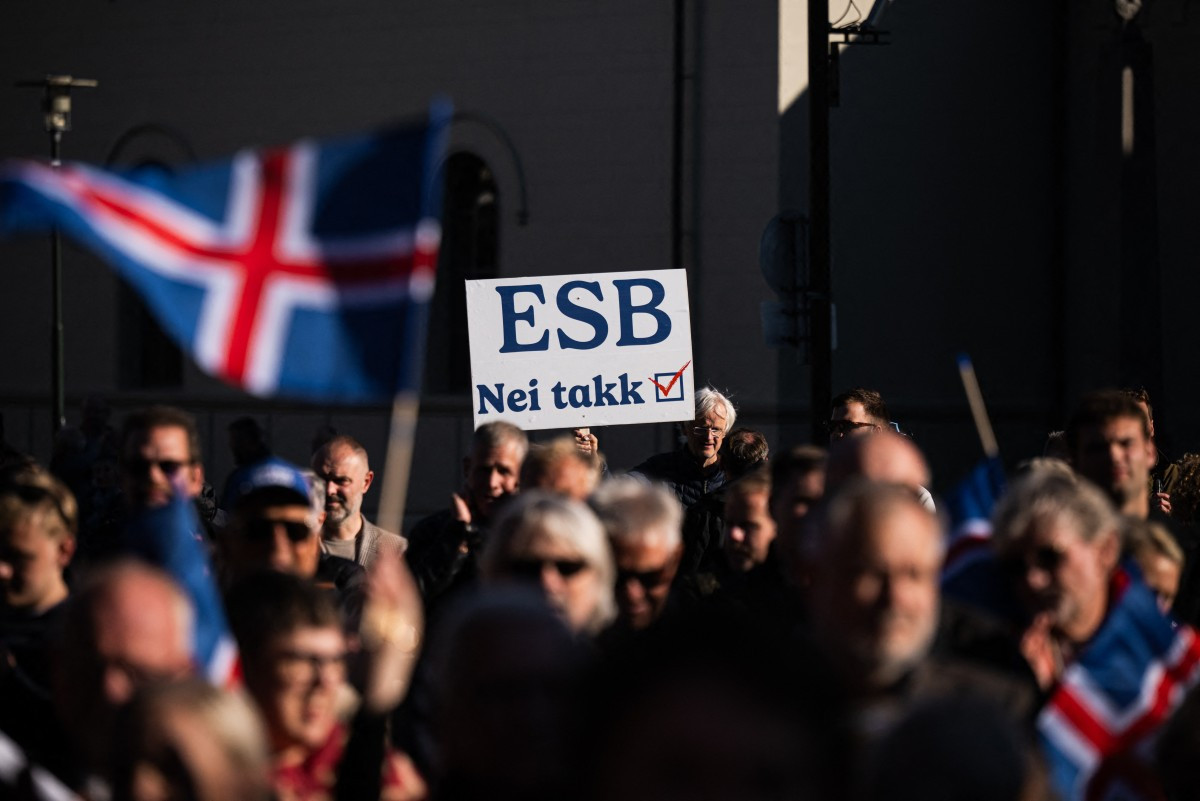
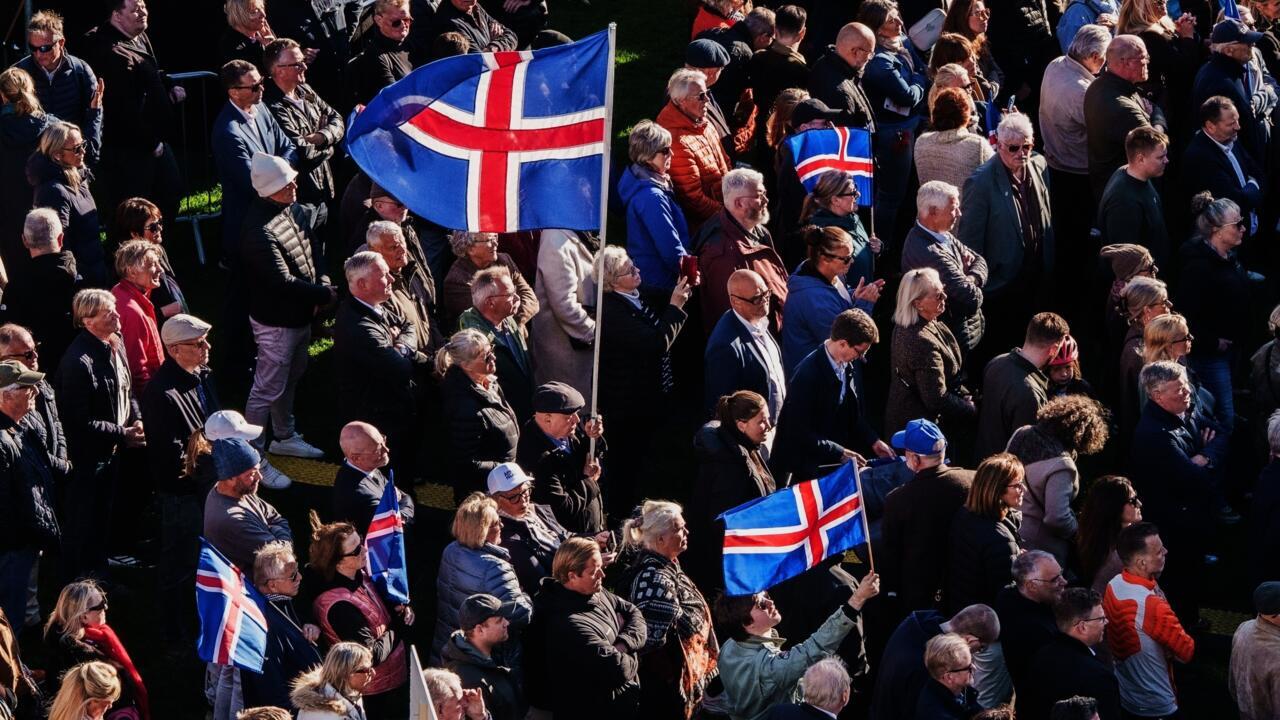
Saturday's ballot is not a direct vote on EU membership – instead, the Icelandic electorate is being asked whether the government should restart accession negotiations with Brussels, which were suspended in 2013. If the "yes" side wins, talks would resume and any eventual membership agreement would then be put to Icelanders in a second referendum. A Maskina poll conducted between 21 and 25 August put support for resuming negotiations at 51.3 percent among decided voters, compared with 48.7 percent who are opposed. Both camps have been making a final push to win over those who are undecided. Iceland's government gives green light to resume commercial whaling Fishing fears Earlier this week, Haraldur Olafsson, who is chairman of an organisation campaigning against renewed talks, was distributing leaflets in the capital Reykjavik making the case for a "no" vote. For Olafsson, a professor of meteorology who spent several years living in France, the debate is above all about sovereignty – and he says nowhere is that issue more sensitive than in Iceland’s fishing industry. Seafood accounted for nearly 39 percent of Iceland’s goods exports in 2025, while control of the surrounding waters has long been central to the country’s prosperity and political identity. Iceland currently largely determines its own fishing quotas and management of marine resources. EU membership would bring it under the Common Fisheries Policy, by which access and quotas are governed by shared EU rules. “You never know what decision the European Union will take on fishing. The French, the Spanish, the Dutch – everyone wants to come to Iceland to fish. We’re worried there won’t be enough fish for everyone,” Olafsson told RFI. During the so-called Cod Wars of the 1950s, '60s and '70s, Iceland repeatedly clashed with the United Kingdom as it expanded its fishing zone and sought to keep foreign trawlers out. Fisheries were among the most sensitive issues during Iceland’s previous attempt to join the EU. The country applied in 2009 after the collapse of its banking system, but talks were suspended four years later after a more Eurosceptic government came to power and were formally ended in 2015. Olafsson believes that even if voters approve renewed negotiations, they may ultimately reject membership. “Many Icelanders do not want to prevent their government from holding talks with the European Union. But ultimately, I think Icelanders are not interested in becoming members,” he said. Several hundred people who agree with him gathered in central Reykjavik on Thursday for a rally, some wearing T-shirts bearing the message “No, thank you". Security has also taken on great importance in Iceland’s national debate. The country is a NATO member without a standing army, and occupies a strategically important position in the North Atlantic. Russia’s invasion of Ukraine and United States President Donald Trump’s repeated threats to take control of neighbouring Greenland have sharpened questions about Iceland’s place in Europe. Trump also repeatedly referred to Greenland as “Iceland” while discussing his ambitions for the Danish autonomous territory earlier this year. The US State Department later reassured Icelandic officials that he had meant Greenland, but the episode added to unease over a rapidly shifting international order.