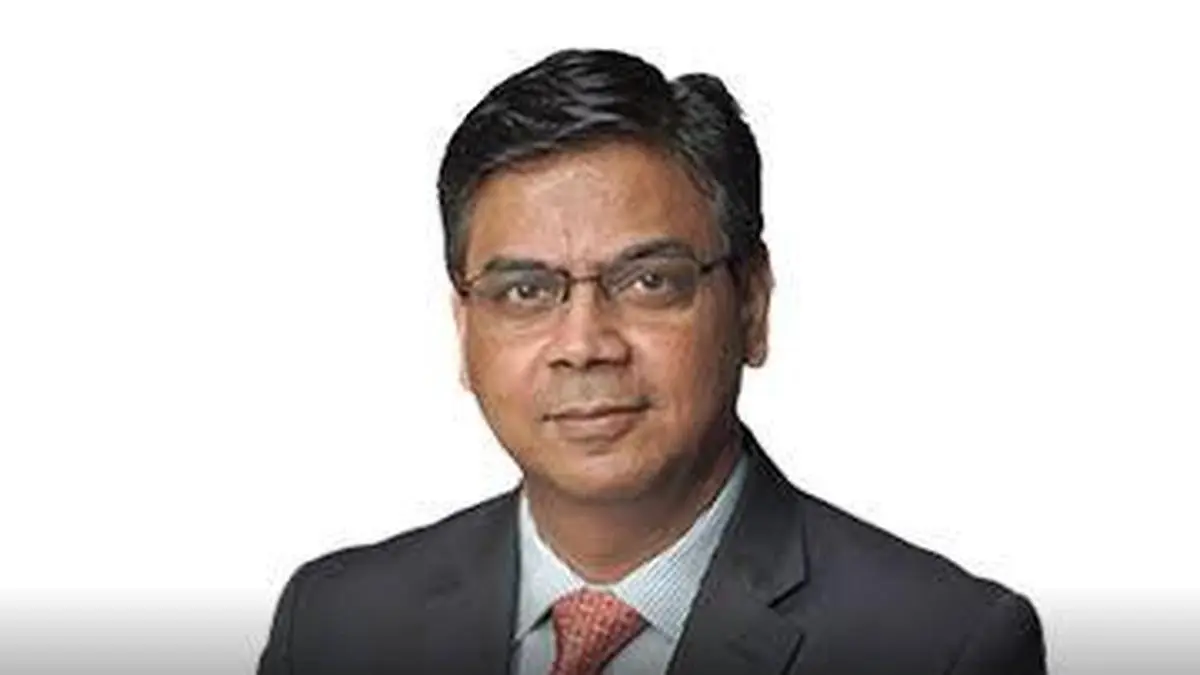
SynopsisTata Motors expects strong demand for its electric commercial vehicles to continue growing. The company anticipates resolving battery cell supply issues by the quarter's end. Significant electric commercial vehicle orders were secured in the first quarter. Further opportunities are expected from the government's PM-eBus Sewa program. Total cost of ownership parity supports the growing demand for electric models.ReutersTata Motors expects strong demand for its electric commercial vehicles to continue growing. The company anticipates resolving battery cell supply issues by the quarter's end.Tata Motors expects demand for its electric commercial vehicles (CVs) to remain strong and grow further, supported by a healthy order book across segments, Managing Director and CEO Girish Wagh said.The automaker also expects a supply bottleneck involving cells imported from China, which has affected deliveries of its Intra EV, to be fully resolved by the end of the ongoing quarter, Wagh told analysts.Also Read: Tata Motors rolls out Tata.Cars identity for PV business, aims to meet India's growing aspirations"On EVs, the demand outlook is quite positive," he said.Tata Motors secured more than 3,400 electric commercial vehicle orders across segments in the first quarter of the fiscal year, building on the momentum recorded in the second half of the previous year.Wagh said the company also expects further opportunities under the government's PM-eBus Sewa programme."As a part of PM-eBus Sewa, there are a few more newer tenders which are also on the way. We are quite positive on that," he said.The company's electric small commercial vehicle (SCV) pickup, which is sold entirely through the retail market, is also performing strongly, Wagh said.He added that the total cost of ownership (TCO) of electric models such as the Intra and Ace Pro has become increasingly competitive with their internal combustion engine (ICE) counterparts, supporting demand."The TCO (total cost of ownership) parity of Intra, Ace Pro has become very attractive in comparison to their ICE (internal combustion engine) 'brothers'. Therefore from that perspective, the demand will remain strong and will continue to grow," Wagh noted.On Tata Motors' ability to supply electric vehicles, particularly the Intra EV, Wagh said the company's own manufacturing capacity was not a constraint. Instead, the bottleneck had emerged in the availability of battery cells from China."In-house capacity is not a challenge at all. What has happened is not only our electric vehicle demand has gone up, which is therefore leading to a cascading increase in demand of cells from China, but even within China, the share of electric vehicles has further gone up," he said.Also Read: To ride the EV wave, M&M takes premium path, Tata Motors bets on scaleThe resulting surge in demand for cells created a bottleneck and pushed up the time required to source the cells, bring them to India and convert them into batteries, Wagh said."It has led to increased demand on the cells," he said, adding that the bottleneck had caused the lead time for receiving cells in India and converting them into batteries to become "pretty high".However, Tata Motors has already taken steps to address the issue by placing larger orders for cells."We have placed higher set of orders already around two months back. So, towards the end of this quarter, we should have the supplies completely debottlenecked from the perspective of the demand as we see," Wagh said.The company saw electric SCV volumes rise more than four-fold to around 3,200 units in the first quarter of FY27. It also had more than 850 electric bus orders in hand during the quarter.Read More News on...moreless
Tata Motors sees strong electric CV demand, expects China cell supply bottleneck to ease by quarter-end
Tata Motors expects strong demand for its electric commercial vehicles to continue growing. The company anticipates resolving battery cell supply issues by the quarter's end. Significant electric commercial vehicle orders were secured in the first quarter. Further opportunities are expected from the government's PM-eBus Sewa program. Total cost of ownership parity supports the growing demand for electric models.
582 words~3 min read