On Monday, Vladimir Putin signed a presidential decree that was little remarked upon outside Russia.
Yet the move encapsulated the reality of Putin’s rule today. In a Kremlin he has built on insecurity and paranoia, it pointed to what could prove to be one of the ageing dictator’s most serious weaknesses.
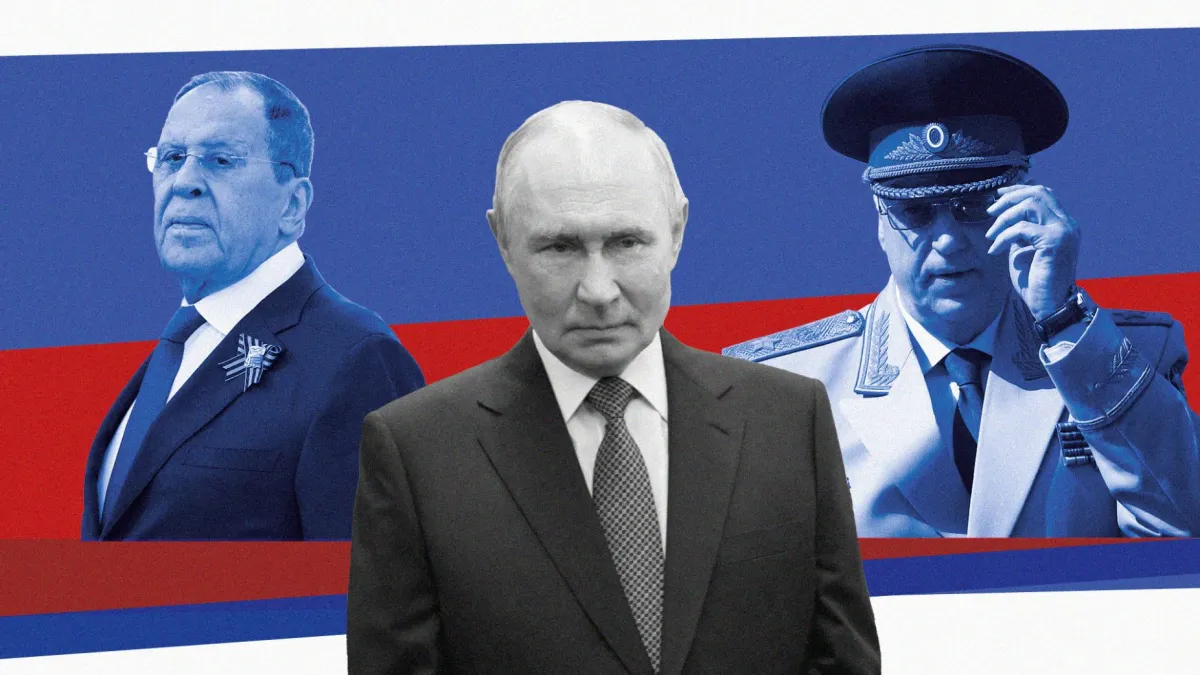
The decree allowed Alexander Bastrykin, head of the powerful Investigative Committee, to stay in office one more year. Bastrykin, like Putin, is 73, and is part of the ageing collection of cronies with which the Russian president has surrounded himself, isolating himself from fresh voices and rising officials more attuned to the modern world.
Under Russian law, state officials face mandatory retirement at 70. To serve beyond then requires a specific presidential decree to be issued, every year. These days, Putin is frequently having to issue them, as he clings to the ageing circle of “securocrats” (politically influential security officials) whose loyalty is more important to him than their health or even their competence.
The Investigative Committee is one of the most feared institutions in today’s Russia, leading many of the cases that end up with Putin’s critics imprisoned and intimidated. That is why it is so important for Putin to have someone he trusts in charge, and he knows that Bastrykin, a university classmate of his at Leningrad State University in the 1970s, owes his prominence to the president’s favour. He will do whatever it takes to retain it.