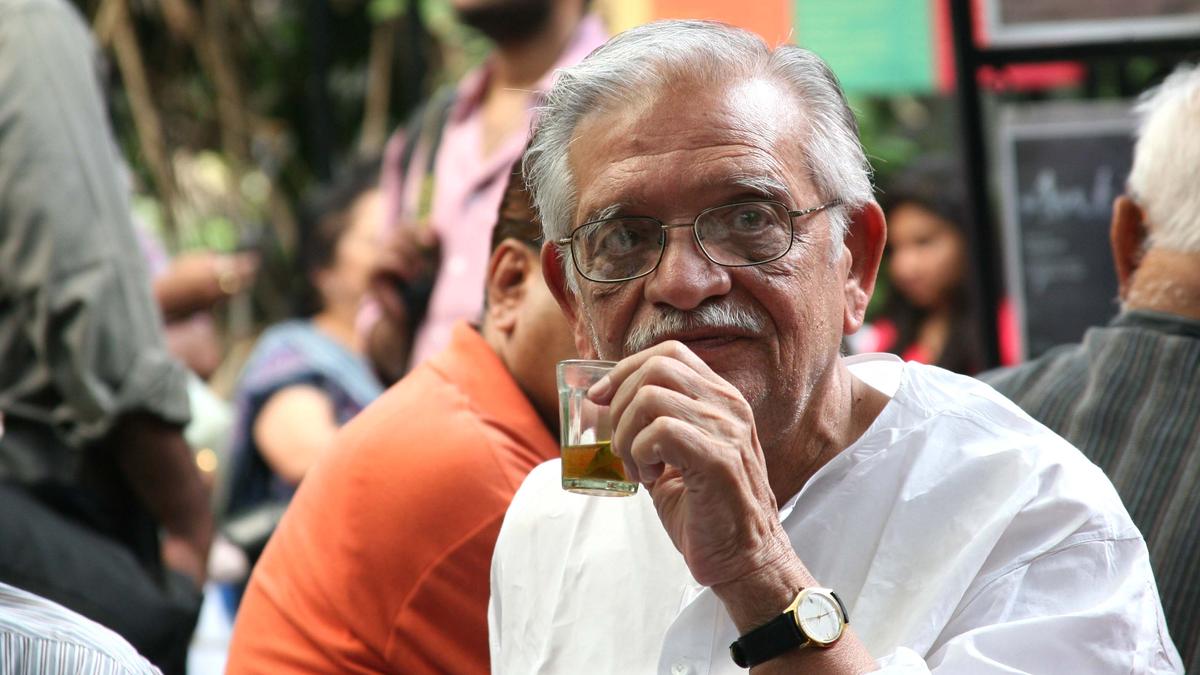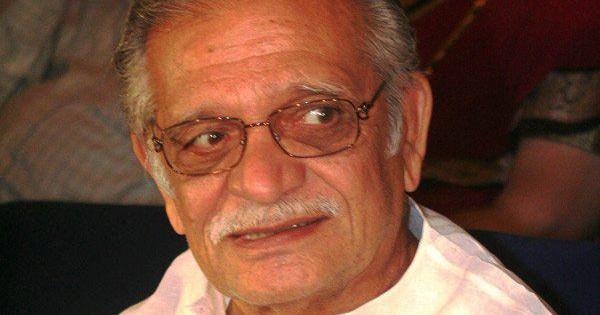
Gulzar, named Sampooran Singh Kalra at birth, moved to Mumbai via Delhi at the age of 16 from Dina, a town in Jhelum district that is now in Pakistan. Punjab never quite left the multi-hyphenate genius, as is evident in his poetry, short stories and film song lyrics.Gulzar recently marked his 92nd birthday. His fame rests on his reputation as a leading Urdu poet, alongside his contributions to short stories, screenplays and film song lyrics. His pen name itself means ‘garden’ in Urdu. But his Punjabi heritage survives in numerous ways. In fact, his early writings and film credits mention his name as ‘Gulzar Deenvi’, a tribute to his birthplace.The recipient of the Gyanpith Award and the Sahitya Akademi fellowship, among other accolades, displays a rich Punjabi flavour in his writings. Gulzar’s family members were displaced from their ancestral home due to Partition. The sundering of the subcontinent is evident in the short story collection Ravi Paar as well as Footprints on Zero Line – Writings on Partition.While Gulzar has been inspired by a variety of writers and poets, Rabindranath Tagore among them, his film song lyrics bear the unmistakable stamp of Punjabiyat, or the shared cultural identity among the communities of Punjab.Gulzar.The words and thoughts of the Sufi saints Waris Shah, Bulle Shah, Baba Farid and Shahbaaz Qalandar have all turned up in Gulzar’s lyrics – sometimes predictable and obvious; at other times, astonishing and unexpected.In JP Dutta’s Ghulami (1985), Gulzar takes Sufi poet Amir Khusro’s Persian couplet Ze-haal-emiskin makun taghaful, duraye naina banaye batiyan (Don’t ignore this poor heart; your mischievous eyes are weaving tales) and transforms it into a song of love and longing sung by desert dwellers:Ze-haal-e miskin makun ba-ranjish, bahaal-e-hijra bechara dil hai (Don’t look at this miserable heart in anger, it carries fresh wounds of separation).It’s in the film song lyrics that Gulzar’s Punjabiyat comes to the fore. Words such as maayi (mother), maahi’ (beloved) and yaari (romantic relationship) were already popular among Gulzar’s seniors, among them the great Sahir Ludhianvi, and peers, such as Anand Bakshi.But it was Gulzar who enriched the vocabulary of Hindi film lyrics with the rich, earthy and evocative sights, sounds and smells of the Punjabi countryside. The unhurried way of life in semi-urban and rural undivided Punjab, where everyone knew everyone else, and where daily living lead to casual breaking of barriers between castes and communities, is strongly reflected in Gulzar’s writing.For example in the song Jhoom (Jhoom Barabar Jhoom, 2007), the poet in the spirit of universal brotherhood: Yahin-kahin shab kaatenge; chillam-chataayi baatenge (Let’s spend the night somewhere here, let’s share a smoke and a mat to lie down upon).
Gulzar made his name in Mumbai, but Punjab never left him
A short tour of Punjabiyat in Gulzar’s film song lyrics.
1,563 words~7 min read