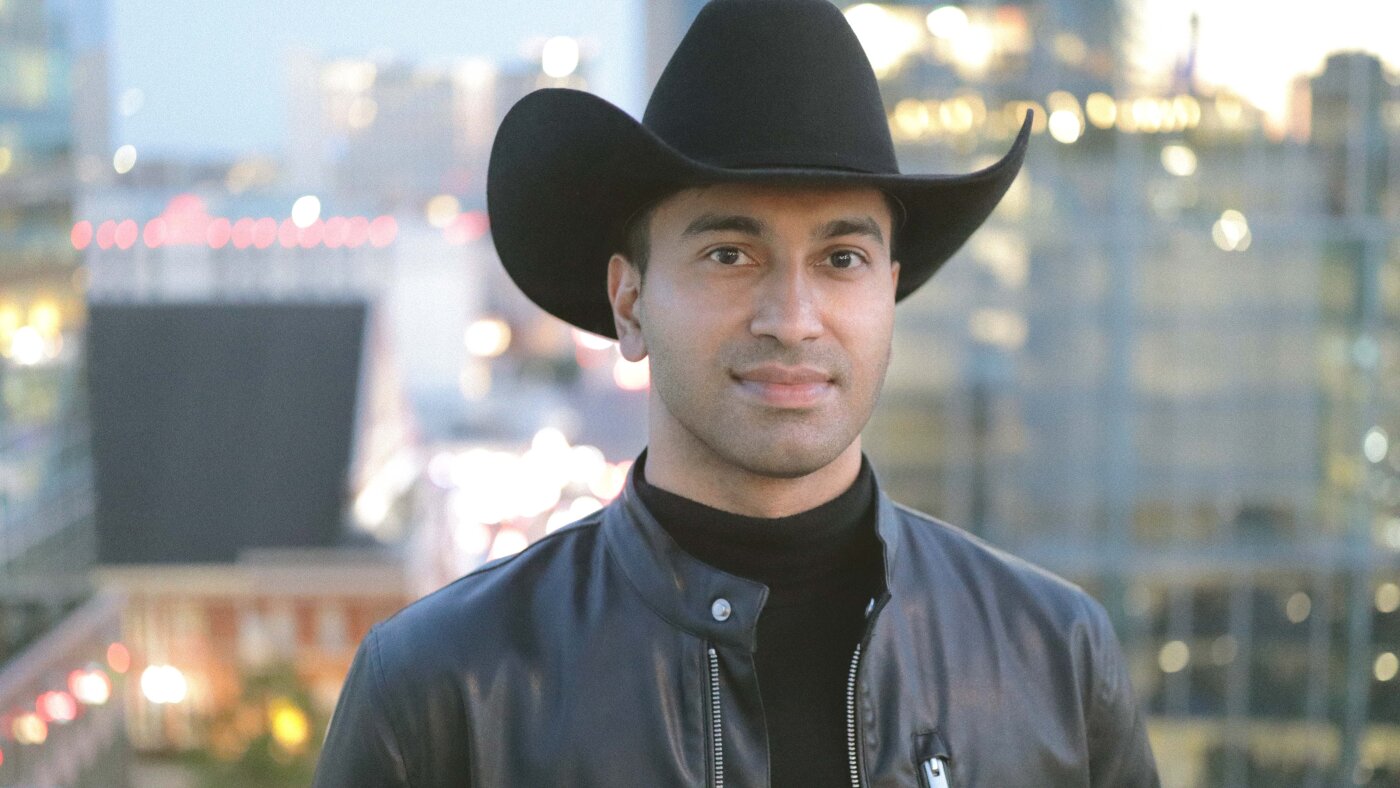
The Pakistani-American singer has fused traditional singing with Technicolor pop to express forbidden love, take down trolls and explore the confusion of our ‘monstrous world’
A
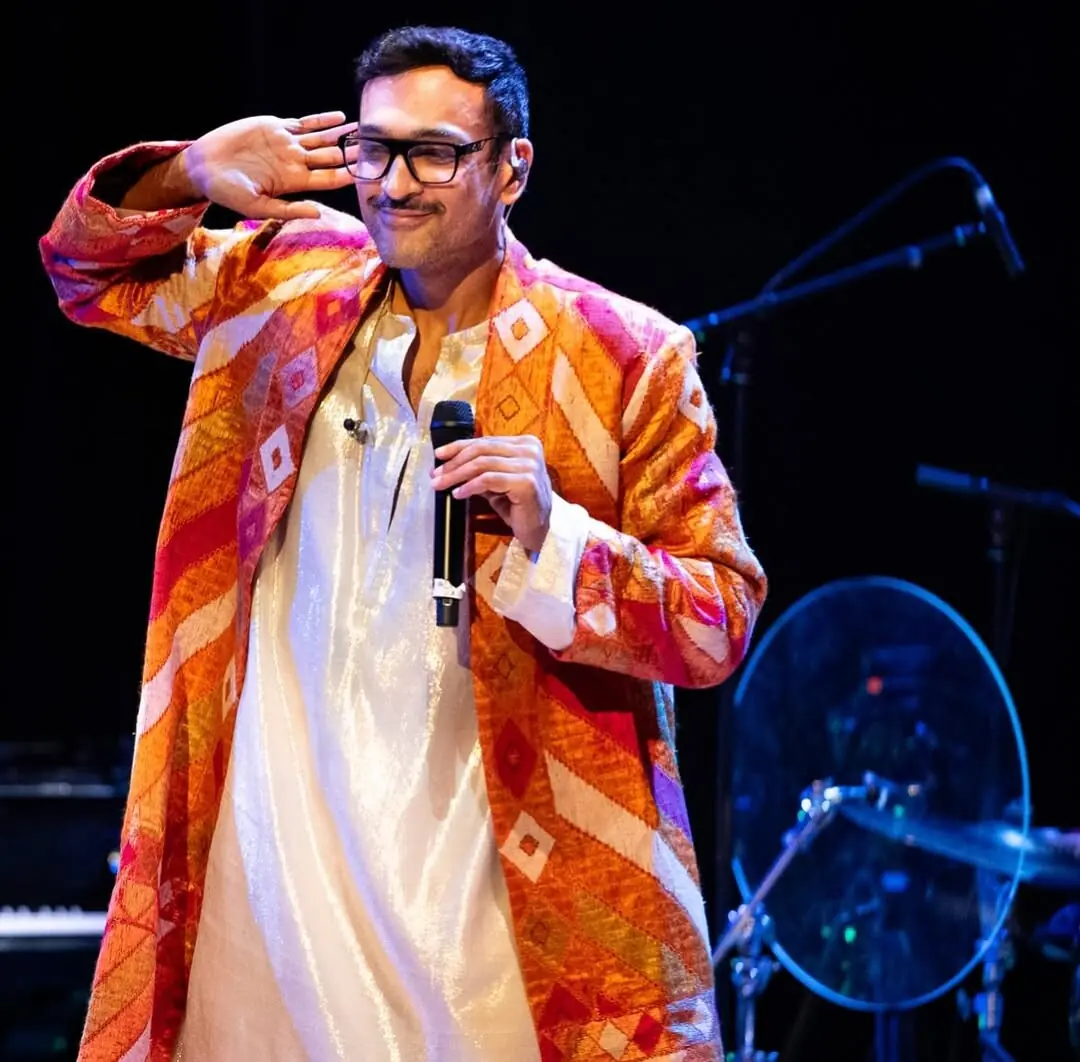
s a child, Ali Sethi was enthralled watching Sufi whirling – a religious dance – at nearby shrines in Punjab: “There’s this collective catharsis that takes place and, briefly, your caste, class, gender, appearance, they stop mattering. You have licence in an otherwise extremely hierarchical society to just express yourself.”
This is something the 41-year-old Pakistani-American singer, songwriter and composer hopes to create himself. Though he’s also a writer – be that his acclaimed 2009 novel, The Wish Maker, or contributions to publications such as the New Yorker – music became somewhere Sethi could be accepted, especially as a queer person growing up in Lahore. “I think music has this shamanic function in south Asian culture,” he says, “where things you cannot say in lay language you say in the love language of music.”
Sethi’s stratospheric, shiver-inducing voice dissolves cultural divides. Take Intiha, his sublime 2023 experimental album of Sufi poetry with Chilean-American musician Nicolás Jaar, or 2022’s Pasoori, a bombastic raga-meets-reggaeton track which has surpassed a billion streams on YouTube Music, making it easily the biggest song to come out of Pakistan this century. When we speak, Sethi is about to release his debut solo album, Love Language, which builds on Pasoori’s thundering, Technicolor global pop. Working with producers like Brockhampton’s Romil Hemnani and Colombian musician Juan Ariza, it’s exuberant and almost oversaturated, flecked with 00s R&B, Bollywood, drill rap, slinky flamenco, even a skit on the children’s game “akkad bakkad”, all of it underlined with hallmarks of north Indian classical.