NPERA Act and Maritime Economy
NPERA has the potential to bring sanity to the maritime sector
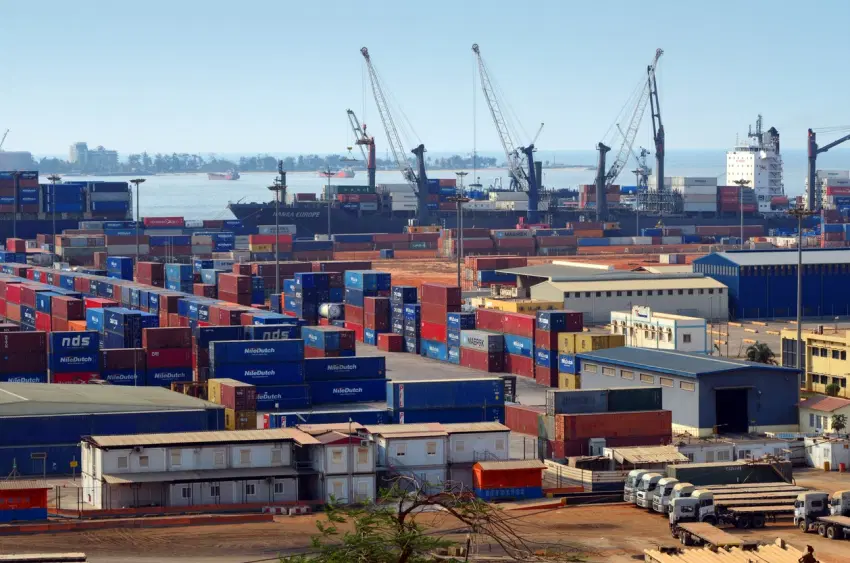
For more than four decades, Nigeria’s ports have carried the weight of a contradiction. Although they serve as the gateways through which the bulk of the nation’s trade passes, they have been bastions of inefficiency, arbitrary charges, and unchecked exploitation. This has left shippers, importers, exporters, freight forwarders, and manufacturers crying over a suffocating system where foreign shipping lines and terminal operators raise freight rates, impose surcharges, and delay cargo release most often without any consequences. The Nigerian Shippers Council (NSC), which until recently was Nigeria’s primary regulatory agency, also suffered from inadequacies stemming from legal limitations. The limitations gave rise to the deafening call for a new legal framework that would change the narrative and reposition the NSC for better economic gains for the country.
In response, President Goodluck Jonathan, through an Executive Order in 2014, designated NSC as the Port Economic Regulator. The EO positioned the Council to address high tariffs, monopolistic practices, and inefficiencies. But there was a serious pushback from both the Nigerian Ports Authority (NPA) and terminal operators. The result was extensive court battles that went as far as the Supreme Court. Meanwhile, the task facing the sector was not one a mere executive order could fix. It needed legislation.