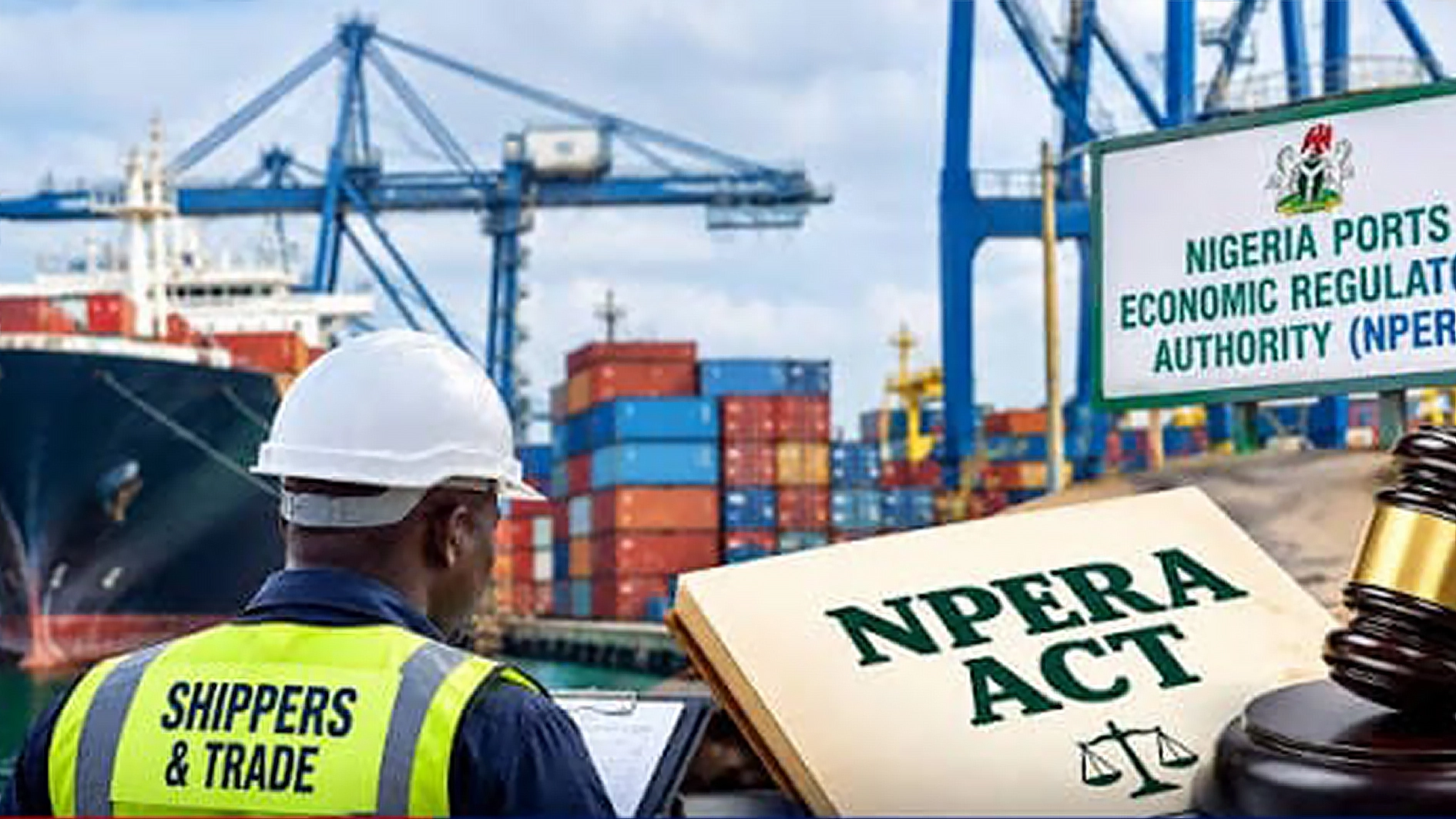
The Nigeria Ports Economic Regulatory Agency (NPERA) has formally commenced operations as the statutory economic regulator of Nigeria’s ports, with a mandate to promote fair tariffs, faster cargo clearance, greater competition and a more predictable business environment.
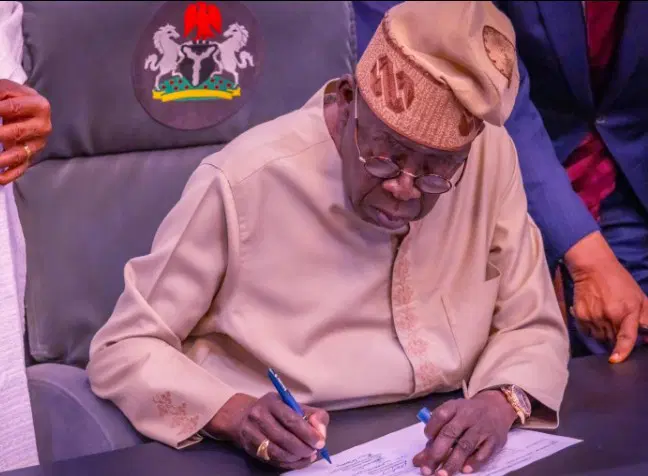
The commencement follows President Bola Ahmed Tinubu’s assent to the Nigeria Ports Economic Regulatory Agency Bill, 2026, which established NPERA as the dedicated authority responsible for the economic regulation of the nation’s ports.
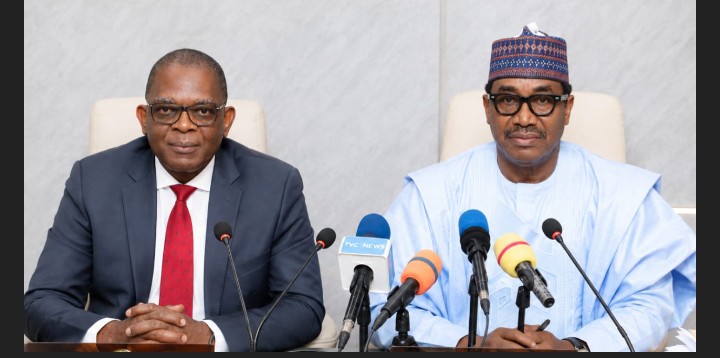
Ibrahim Shema, chairman of the NPERA Governing Board, described the development as a “fundamental reform” of Nigeria’s port governance, saying the establishment of the agency was the culmination of nearly five decades of institutional evolution in port economic regulation.
Shema traced the history of port economic regulation in Nigeria to the establishment of the Nigerian Shippers’ Council in 1978 and the concessioning of port terminals in 2006.
According to him, the Shippers’ Council was subsequently designated as the interim Port Economic Regulator in 2014, during which it performed key functions including tariff regulation, dispute resolution and protection of port users.