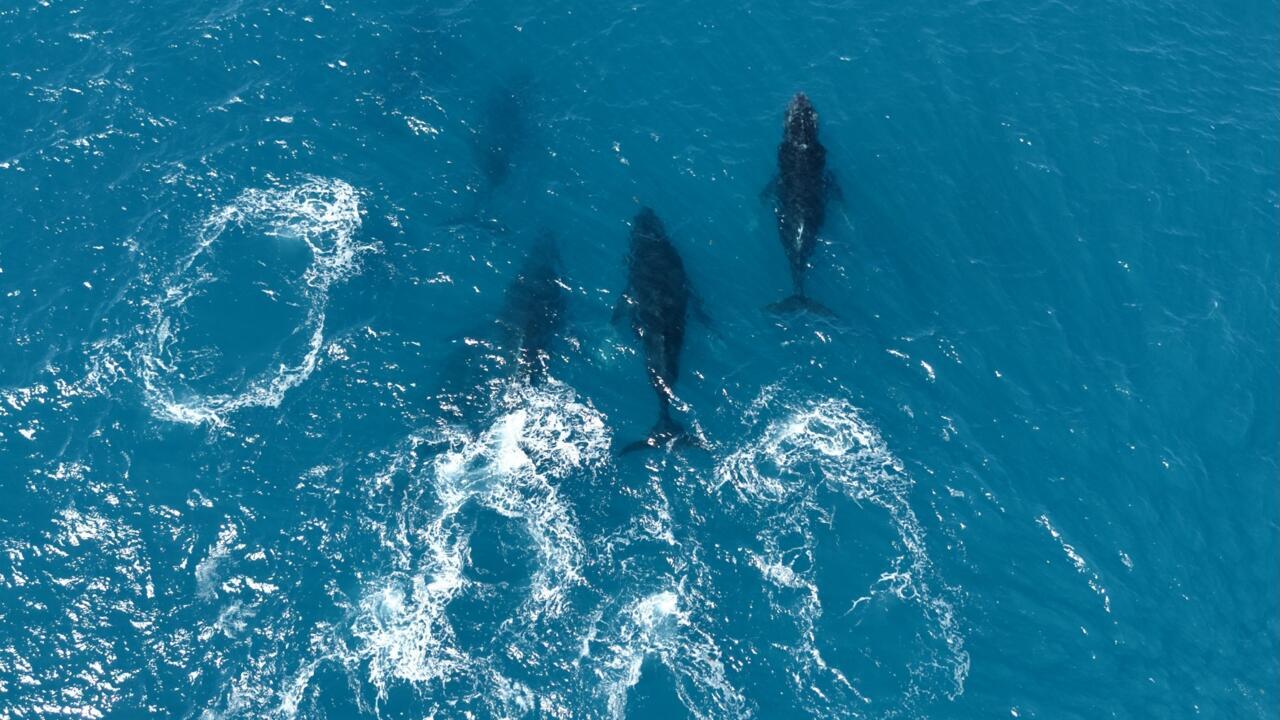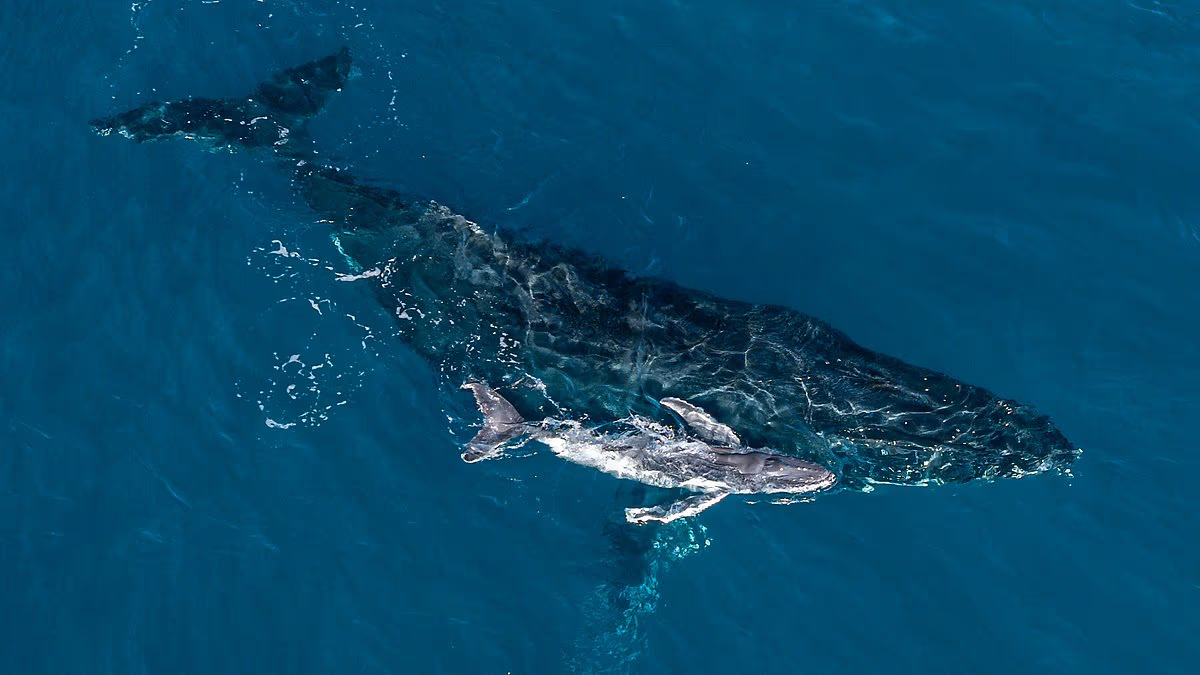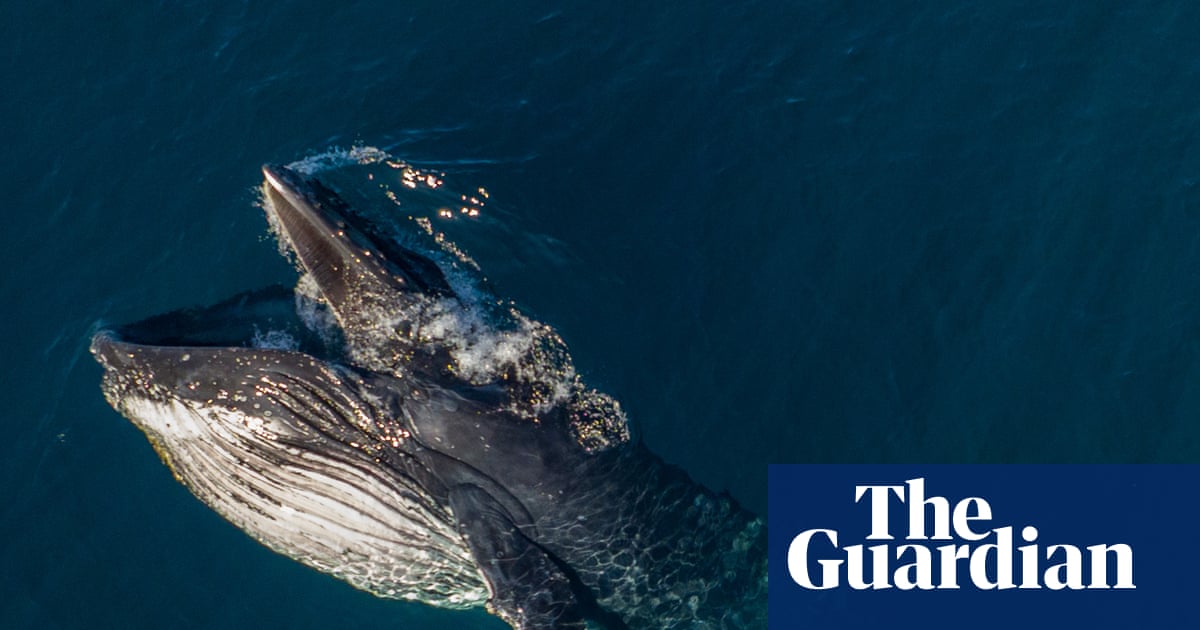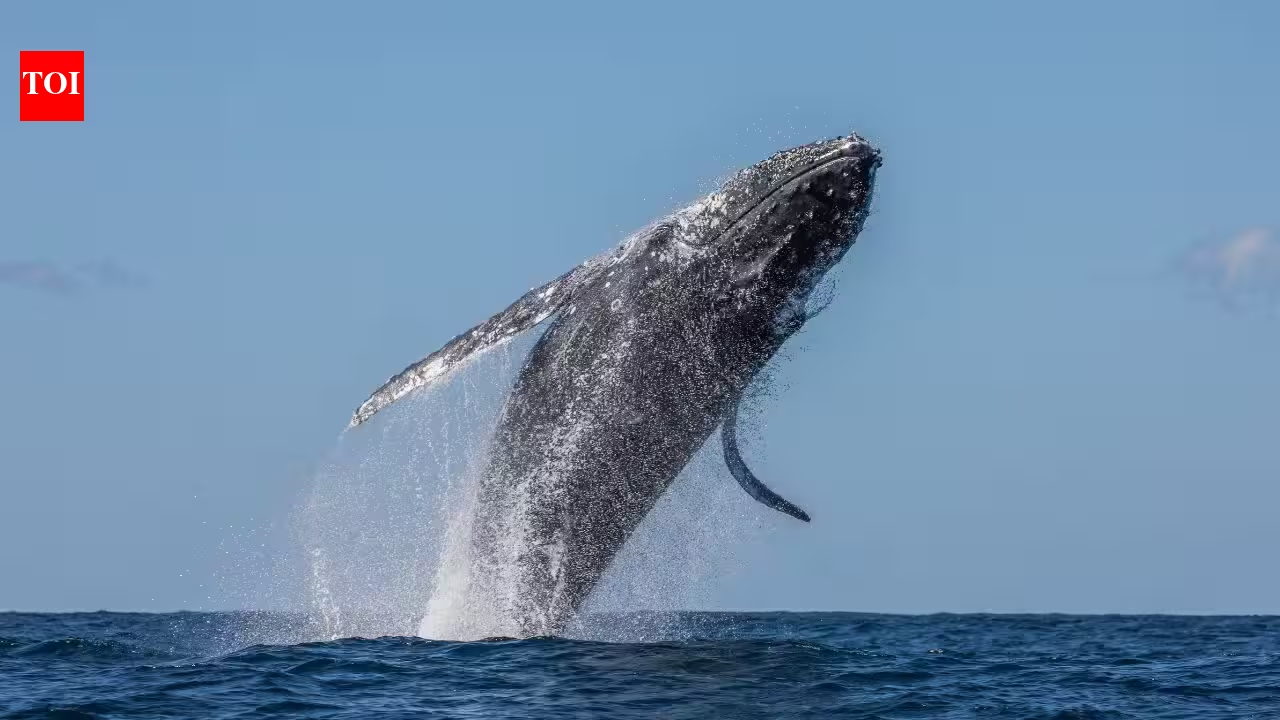
It started with a simple message: "This is the year to do something small for something huge." Now, 17 years later, the Whitsundays region has some of the best protection in the world for migrating humpback whales.
Sightings of unusual humpback whale behavior began to mount in 2009 as tourism operators in the Whitsundays reported observations of 'fluking' to the Reef Authority's Eye on the Reef network. Perplexed by what they were seeing, they reached out to scientists to understand the behavior.
What followed was a major research effort that ultimately led to the discovery of a globally important whale calving area in the Whitsundays.
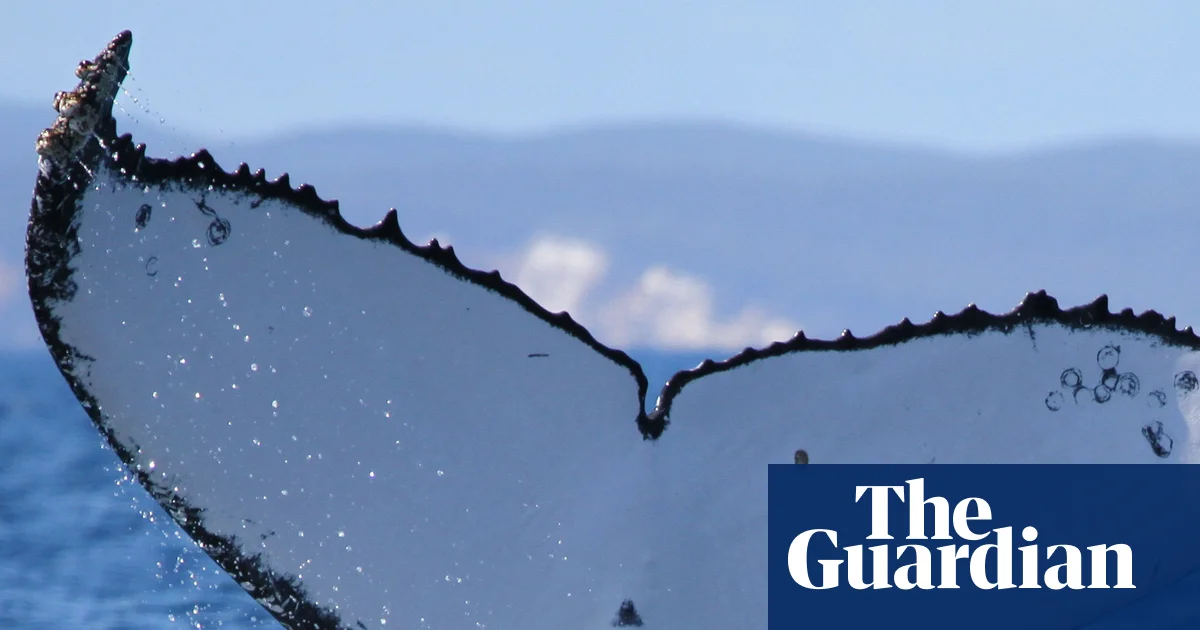
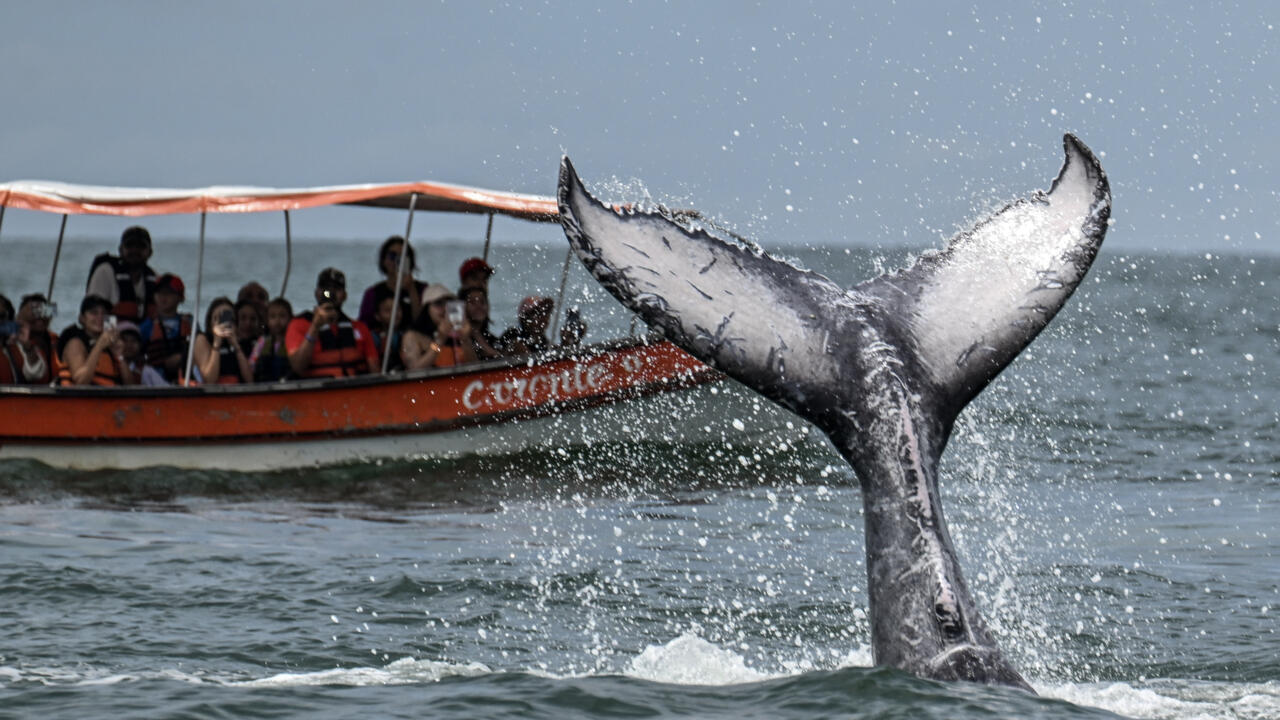
Master Reef Guides Program Manager Crystal Lacey said the operators were reporting sightings of a behavior known as 'fluking,' in which whales float upside down with their tails raised above the water's surface.
"It was an unusual behavior they had never seen before. Not even the whale scientists knew what it meant at the time. So that uncertainty sparked a major research effort, which combined citizen science through the tourism operators' observations and scientific research.