See more Daily Mail on Google - save us as a Preferred SourceBy SHANNON MCGUIGAN, NEWS REPORTER Updated: 22:34 BST, 29 August 2026
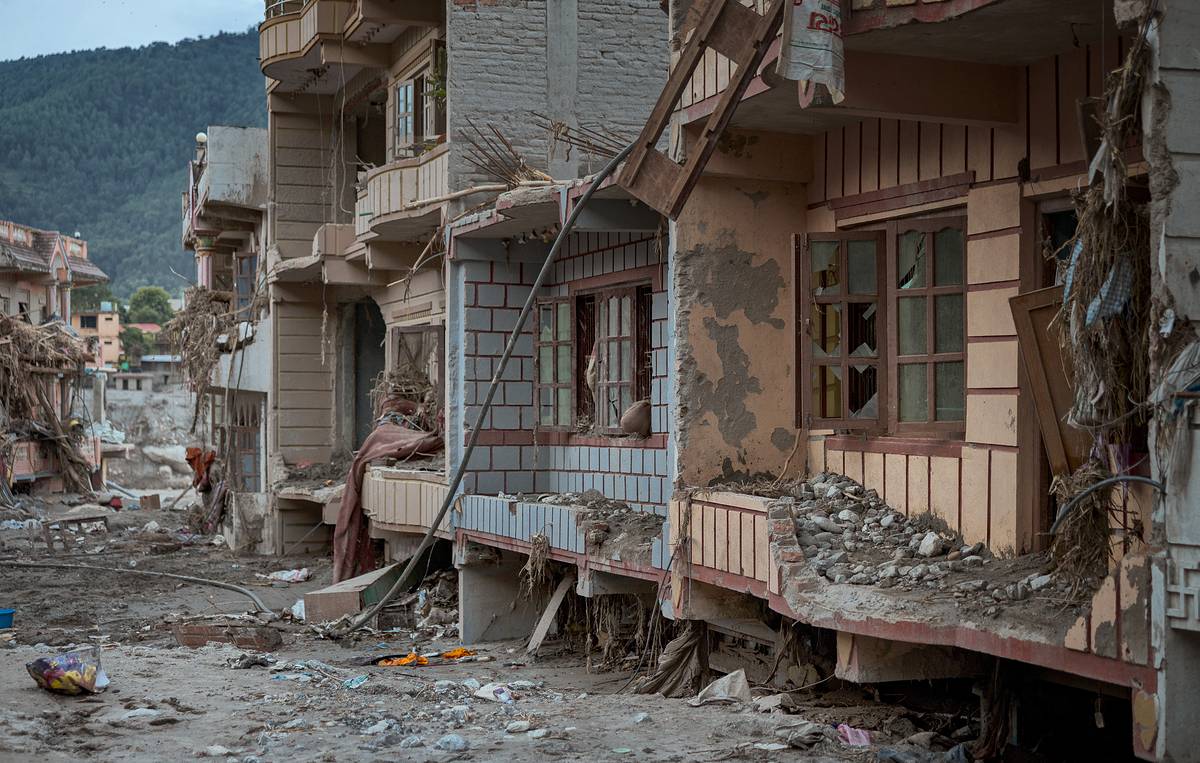
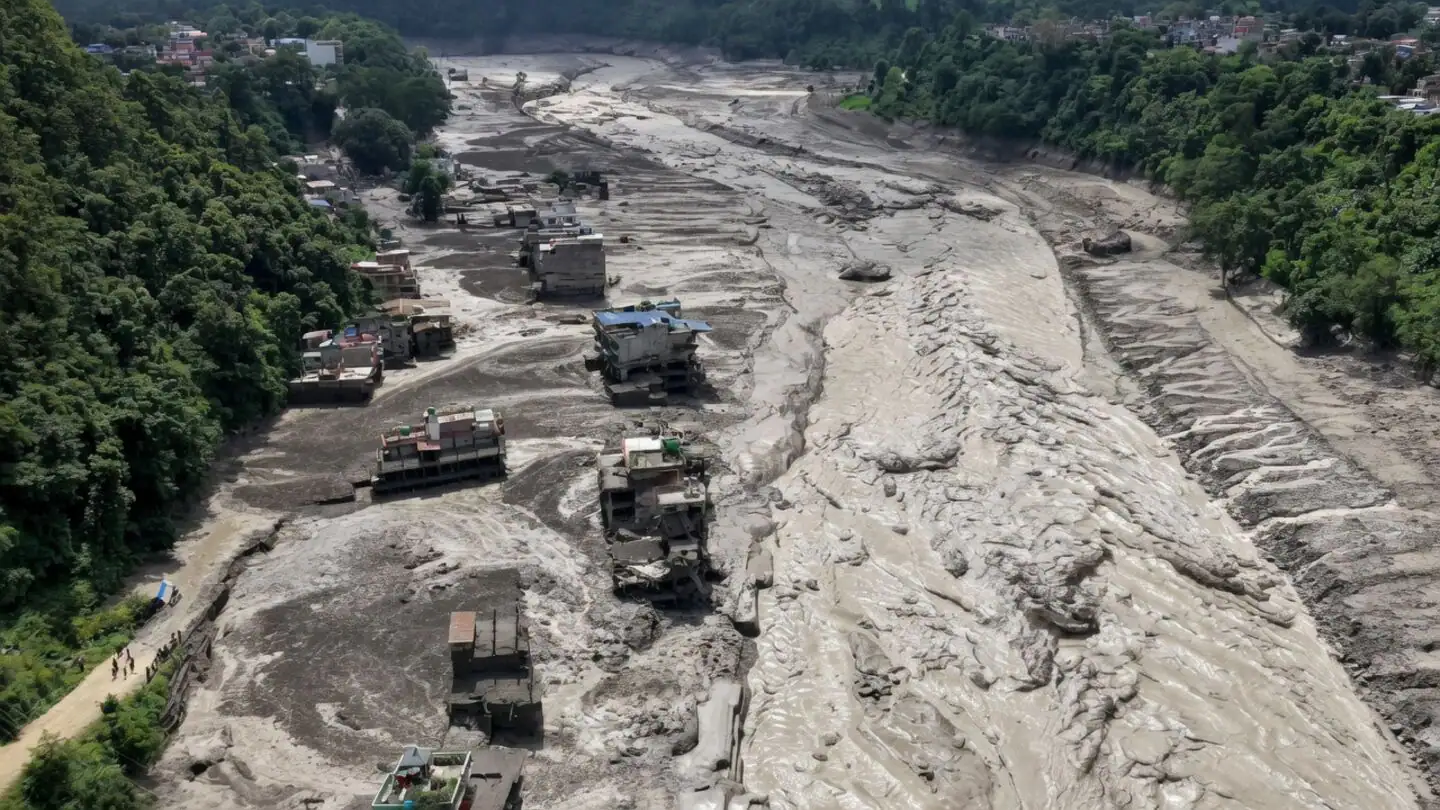
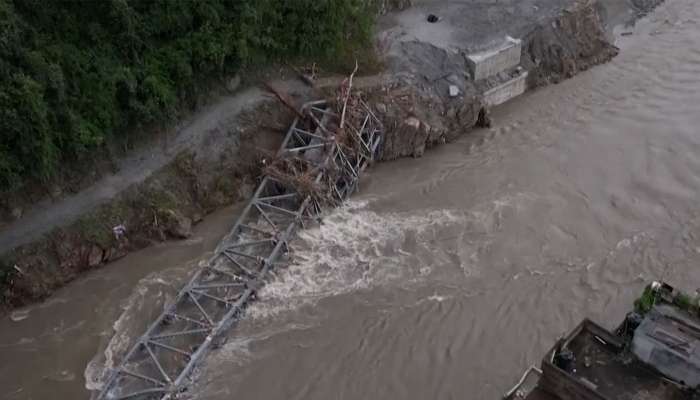
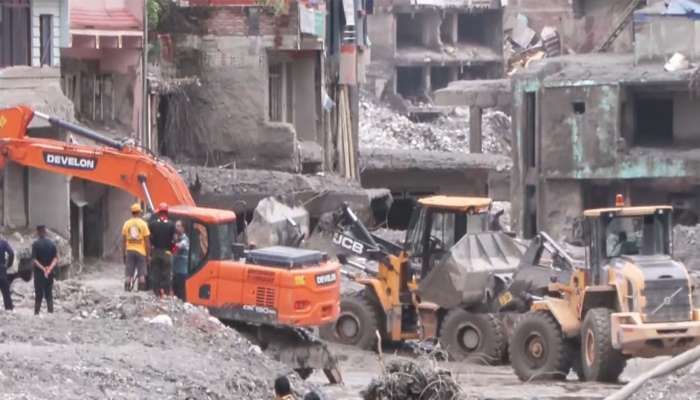
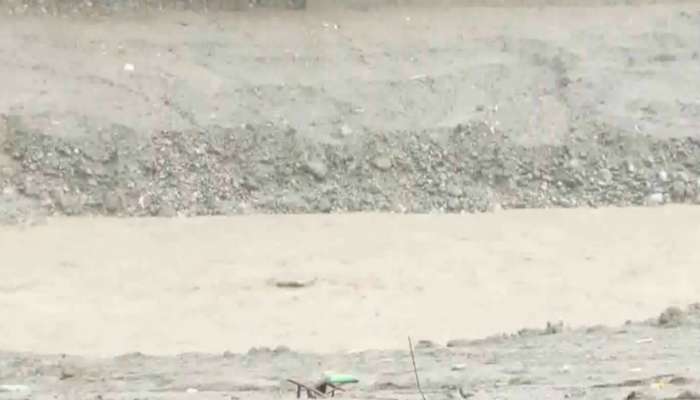
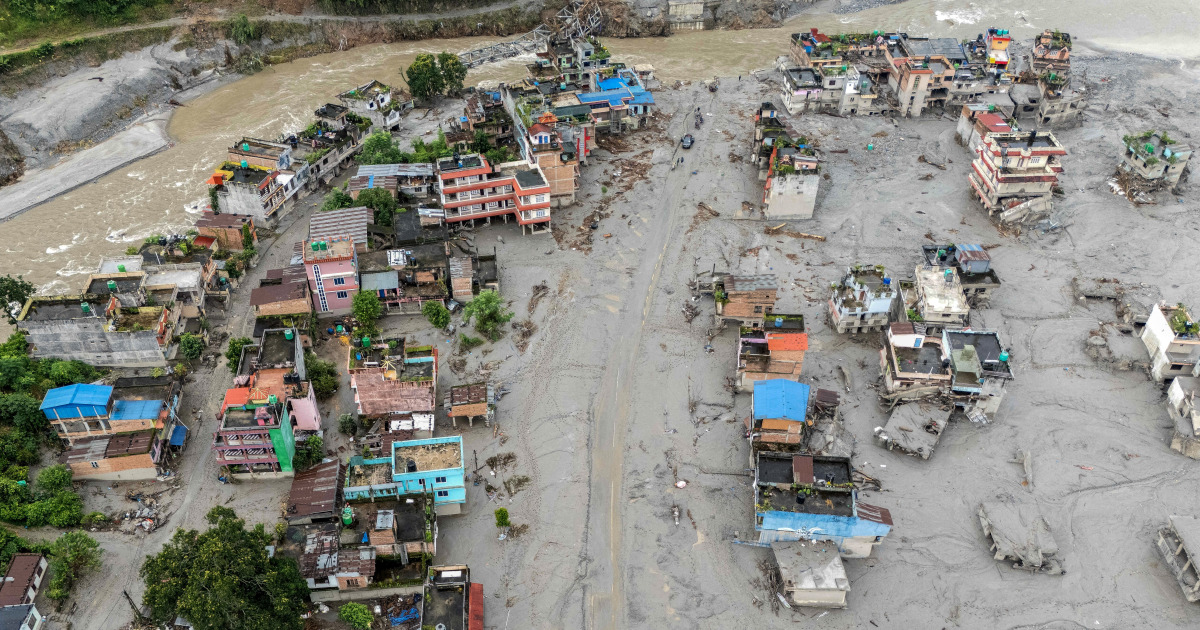
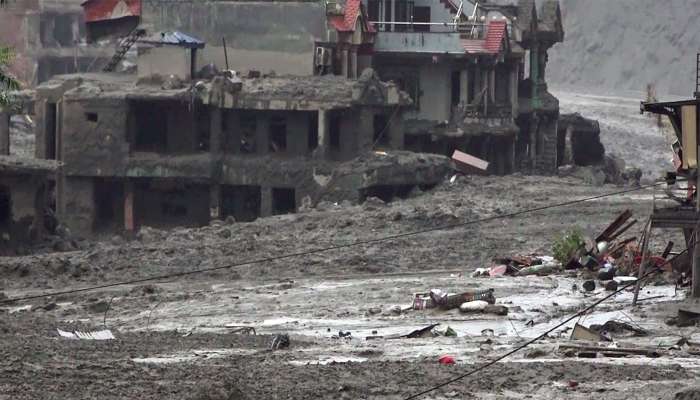
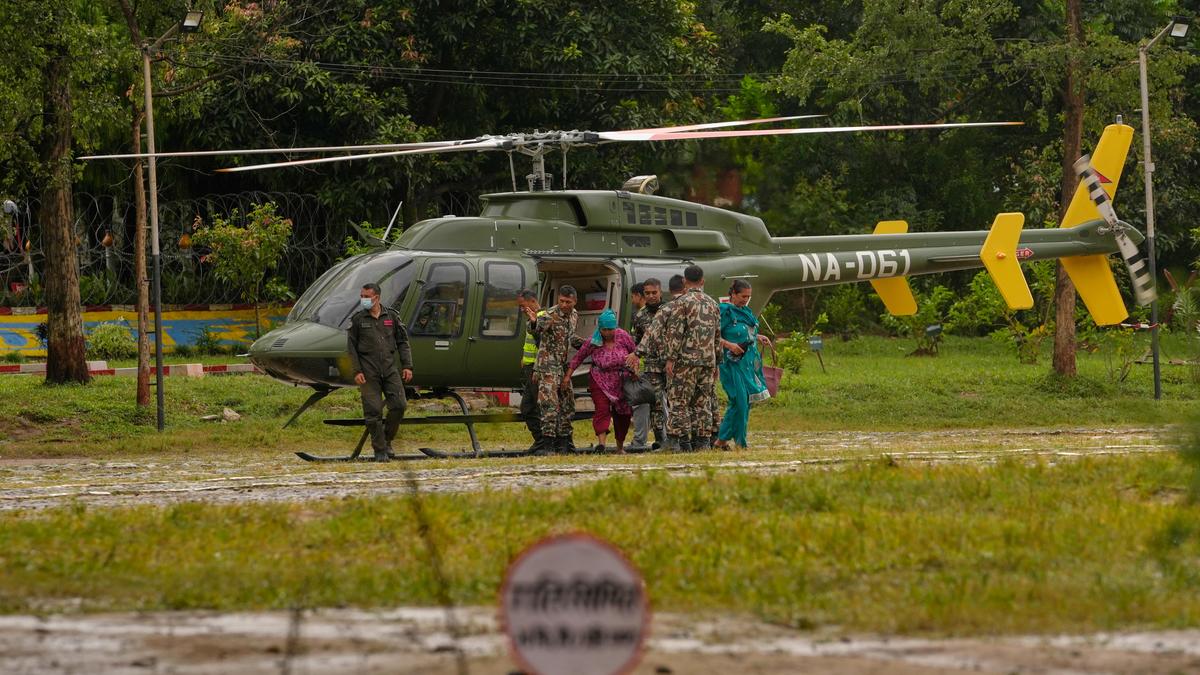
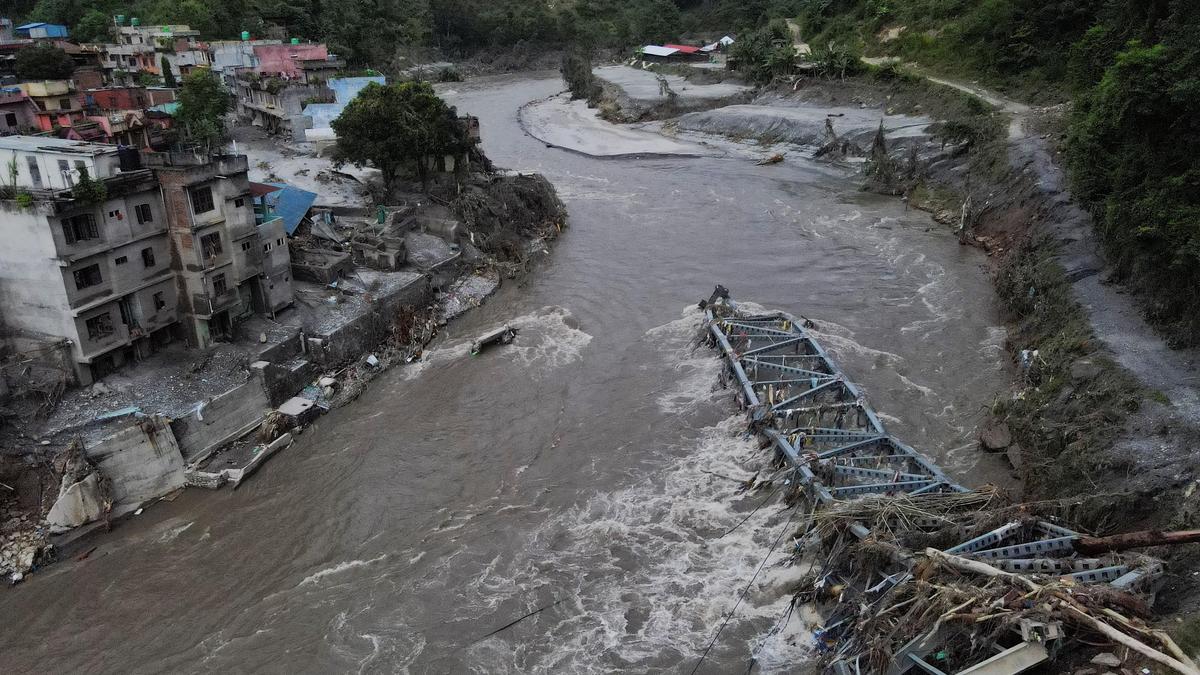
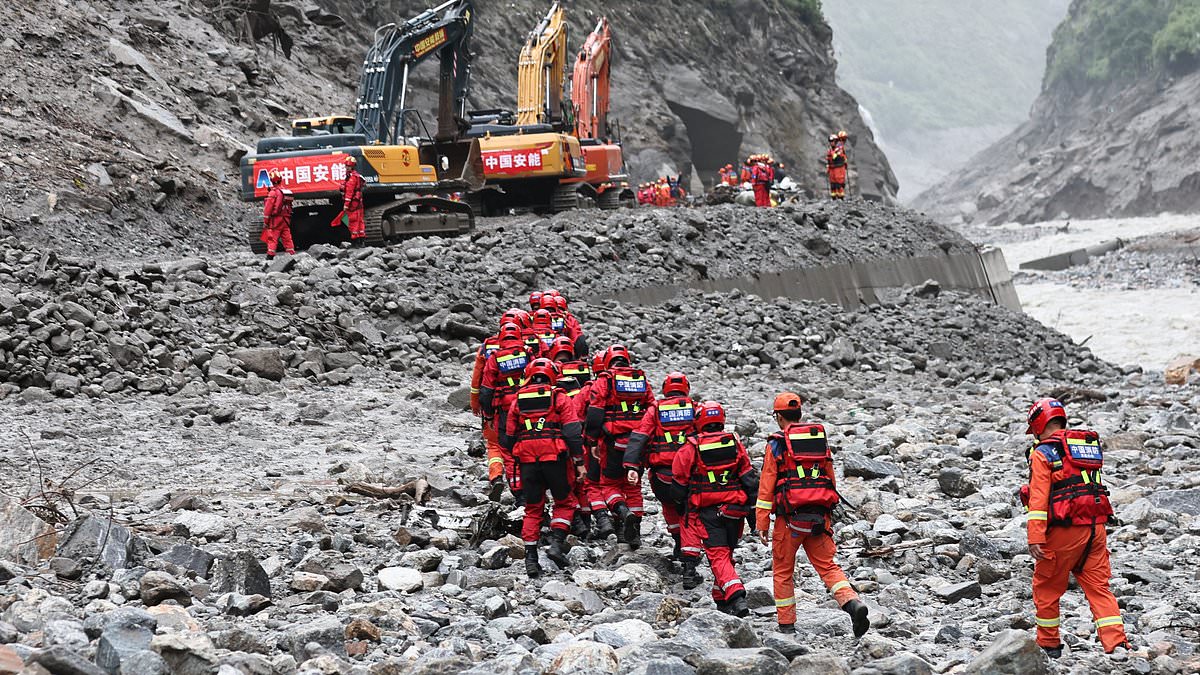
Hundreds of bodies are 'no longer identifiable', Nepali officials have said as the death toll rises to at 682, with more than 2,400 people currently missing. Officials in the Chitwan District in southern central Terai have recovered 233 bodies, but only four have been identified. The remainder of the bodies are being kept in health institutions and holding centres. They added that DNA samples are still in the process of being collected and noted.More than 30 British nationals are among the missing and are feared dead as rescue efforts enter their fourth day following the 'tsunami from the sky hit' the Rasuwa region of the country. Among the missing Brits are beauty pageant winner Surabhi Sahu, 44, her businessman husband Santosh, 46, their son Spandan, 18, and daughter Syna, 13, who were on an adventure trek across the Nepal-China border. Mr and Mrs Sahu ran a successful technology company in London together before he set up a thriving pharmaceutical business. The family live in a £1.3million six-bedroom house in Cobham, Surrey.They travelled to India last week and then on to the Nepalese-Tibetan trek. They were due to return in ten days before the start of the new school year.Days on from the initial disaster, rescuers are still scouring the mud and debris left by the flood along the Himalayan border between Nepal and China-controlled Tibet. Now, Nepal is facing what officials described as a scene of 'devastation beyond imagination' after a glacier collapse unleashed a 'tsunami from the sky', sending torrents of water crashing through villages and tourist hotspots.The deadly deluge, reported to have surged as high as 650ft has been described as one of the country's worst natural disasters in recent memory.Key UpdatesBreaking:Death toll of devastating flood on the Nepal-Tibet border rises to 682Devastating floods near the border with China this week have killed at least 675 people in Nepal, the Himalayan nation's disaster authority said on Saturday.Chinese state media earlier confirmed seven dead in Tibet following Wednesday's disaster, taking the total killed to 682.The number of missing in Nepal remained constant at 2,426, after a sharp hike in numbers on Saturday morning.That missing list includes 517 foreigners, as well as 933 workers on hydropower projects on the river where the torrent smashed down, according to the National Disaster Risk Reduction and Management Authority.The number of missing also includes 45 Nepali Army soldiers, 40 police officers, and 19 immigration and customs officers.In India, authorities said they had recovered seven bodies from rivers flowing from Nepal, believed to be flood victims.However, they are not included in the toll.More than 30 Brits are among the hundreds missing after 'tsunami from the sky'More than 30 British nationals are among hundreds of people missing and feared dead as rescue efforts continue after flooding in the Rasuwa district, which borders China’s autonomous region of Tibet.The team, consisting of specially trained crisis response staff, will work alongside the British embassy and local authorities.They will help co-ordinate assistance for British nationals arriving at and departing from the airport, support those seeking information about missing relatives, liaise with local authorities and emergency responders, and reinforce existing consular operations on the ground.Forming part of the UK’s wider response to the flooding, which includes £5 million of humanitarian support for relief and recovery efforts, the team will also work with families in the UK concerned about loved ones in the affected area.Mr Basnet said rescue efforts were continuing at a hydropower construction plant, where more than 100 people are believed to be trapped in a mud-filled tunnel.Rescue efforts had been hampered by fears of more flooding from a lake formed by the glacier collapse which sparked the flooding on Wednesday.The Chinese Ministry of Water Resources said water levels had dropped by 10 metres from Thursday morning to Friday, according to state broadcaster CCTV.Foreign Secretary Ed Miliband said: 'The scenes from Nepal are devastating, and our thoughts remain with everyone affected.'The safety and welfare of British nationals is our top priority. That is why we are deploying a Rapid Deployment Team to Nepal to provide additional support on the ground for British nationals and their families at what is an incredibly difficult time.'Our staff are working closely with the Nepali authorities, emergency responders and our embassy in Kathmandu to ensure those affected can access the assistance and information they need.'We will continue to do everything we can to support British nationals impacted by this tragedy.'The UK’s £5 million support package will support Nepal’s response efforts, including a combination of UN, Red Cross and NGO interventions.Chitwan District officials, in southern central Terai in Nepal, have recovered 233 bodies. However, they say, of those recovered, they have identified only four. The authority said the following:The bodies/remains collected from health institutions and riverbanks are in a state of decomposition and are no longer identifiable."The remainder of the bodies are being kept in health institutions and holding centres, they added. DNA samples are still in the process of being collected and notedPICTURED: Elderly and children are carried to safety via helicopterBarrier lake which formed after 'tsunami from the sky' has largely cleared, Chinese state media saysA barrier lake which formed following flash flooding is draining naturally, Chinese state media reports.Chinese Central TV (CCTV) said the barrier lake has largely cleared according to the Ministry of Water Resources' hydrological monitoring team.They previously reported there was a risk of further mudslides or landslides after debris had formed in the lake after the devastating floods. Liz Stephens, a professor in Climate Risk and Resilience at the University of Reading, also said the water levels seemed to have started to lower. She said this indicated some of the water had been draining naturally rather than being ushered along by humans.She told the BBC: 'That’s very promising, it reduces the imminent threat and may reduce the need to intervene with an engineering solution, to drain the lake artificially.'However, she did warn that debris that was previously formed in the dam continues to be unstable. She said it remained essential to keep observing for more landslides. CCTV footage of flash floods tearing through Gyirong Port is tough to find on China's heavily censored internetDramatic CCTV footage shows a torrent of water tearing through Gyirong Port, yet there is little information on the victims.The shocking footage shows hundreds of people fleeing for their lives as a wall of water and mud sweeps away everything in its path at Gyirong Port. The video went viral online. However, only a single frame shot has been broadcast in China. It is not only difficult to find this video on China's heavily censored internet, it is also just as much of a challenge to find any posts describing the 'tsunami from the sky' that has claimed hundreds of lives so far in Nepal.Families face agonising wait as they wait for news of missing loved onesFamilies of the missing face an agonising wait for news of their loved ones. Communication with the worst-affected areas has proved difficult to come by due to broken connectivity. Some areas are releasing lists of names of those who have been recovered, so families can locate their loved ones. Almost 2,500 people are currently missing as many affected areas remain entrenched by mud as buildings were swept away.Search and rescue efforts are slow-going as well, given the conditions.'The situation is growing worse by the hour,' says aid worker in NepalAn aid worker said the devastation is 'growing worse by the hour' following the deadly flash floods earlier this week. Lok Chaudhary, a local partner with the Tearfund charity, said the devastation near Nuwakot, Nepal, was 'absolutely devastating'.