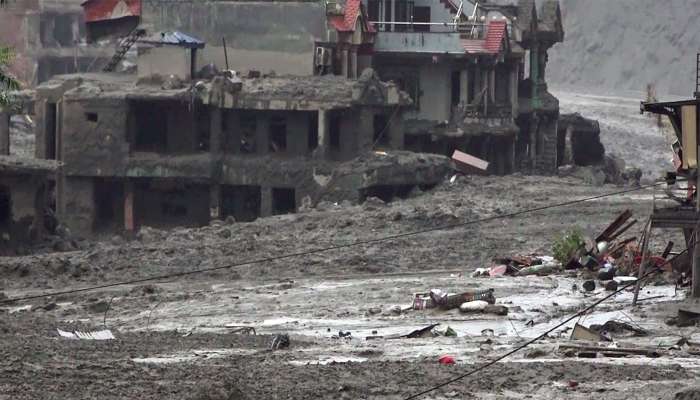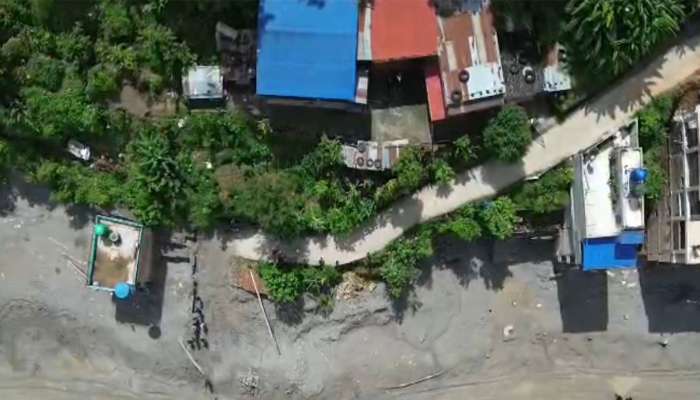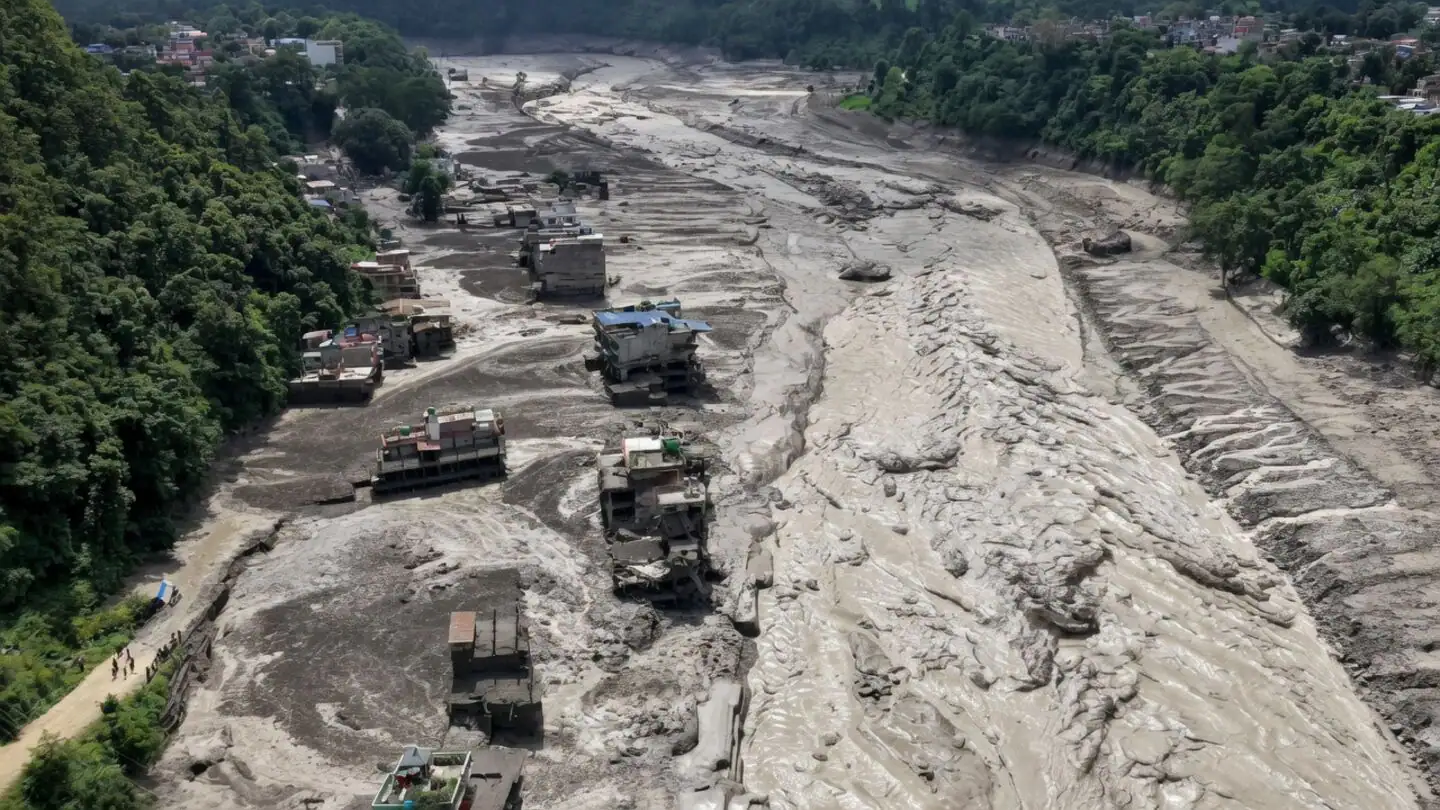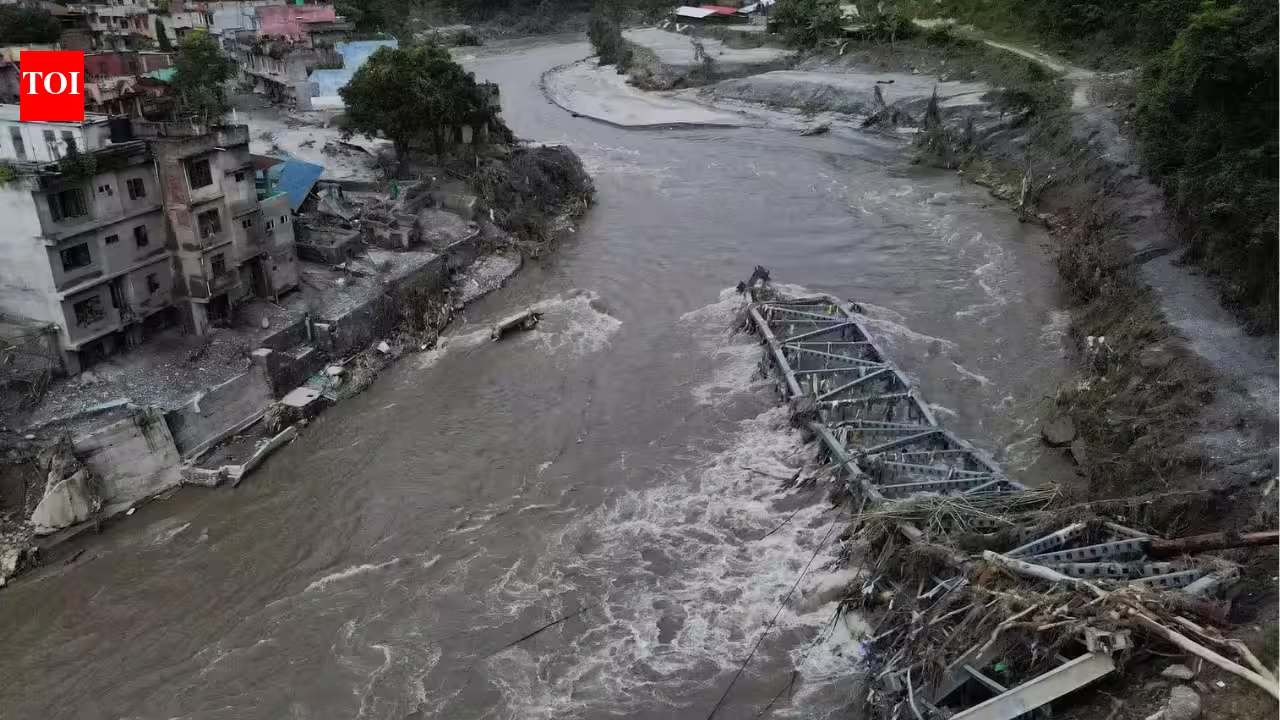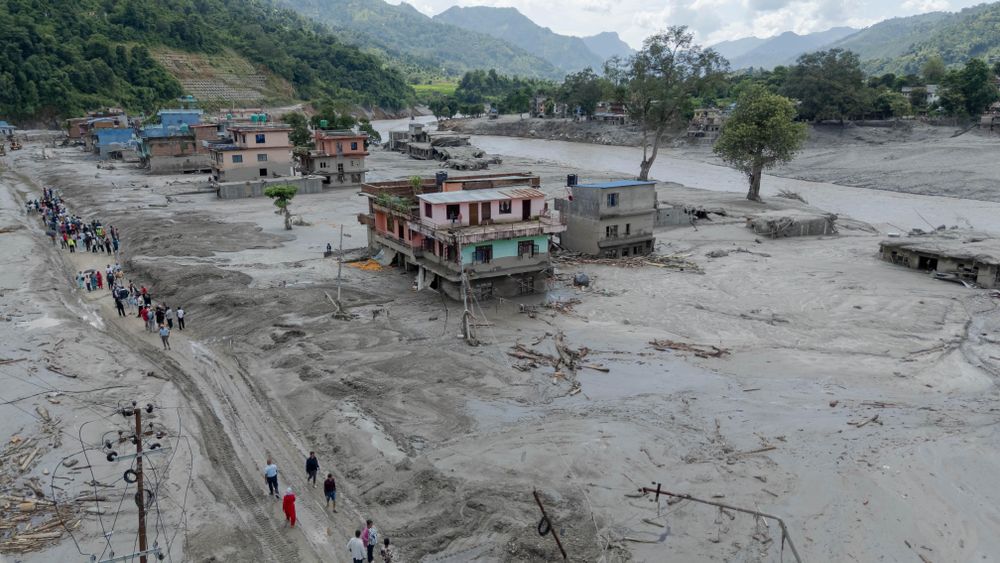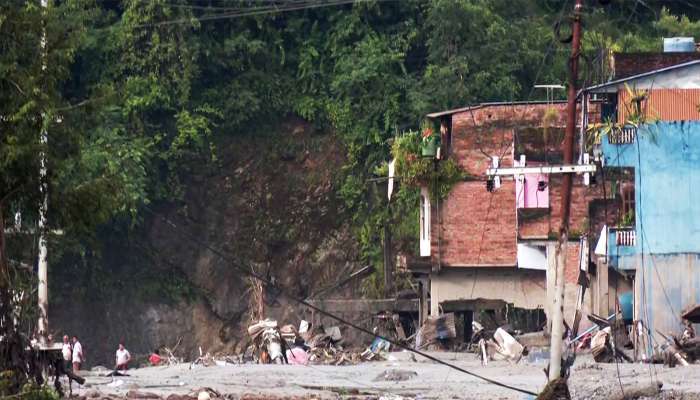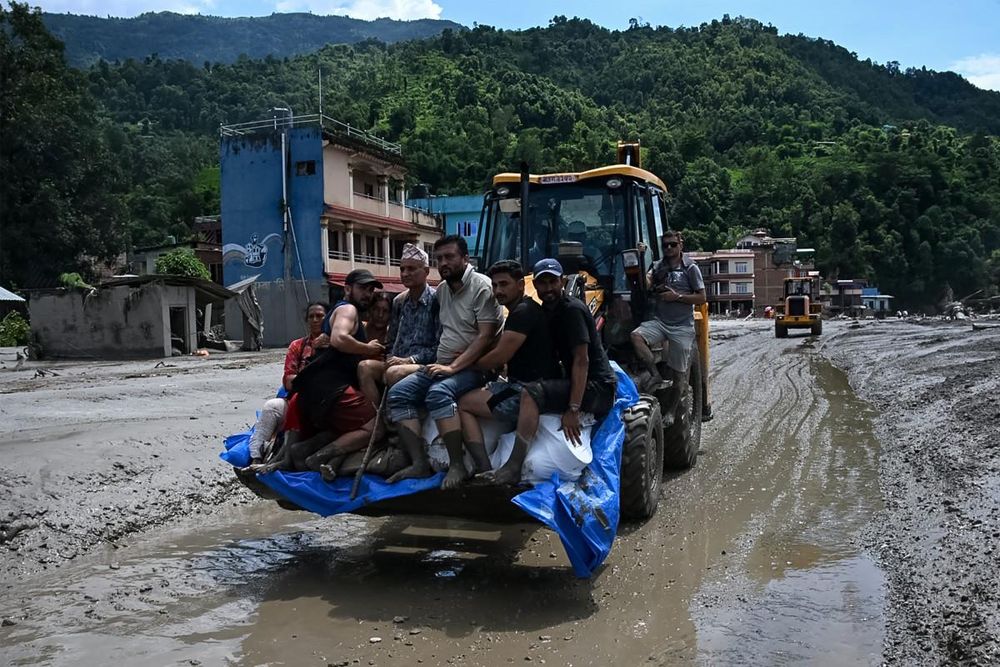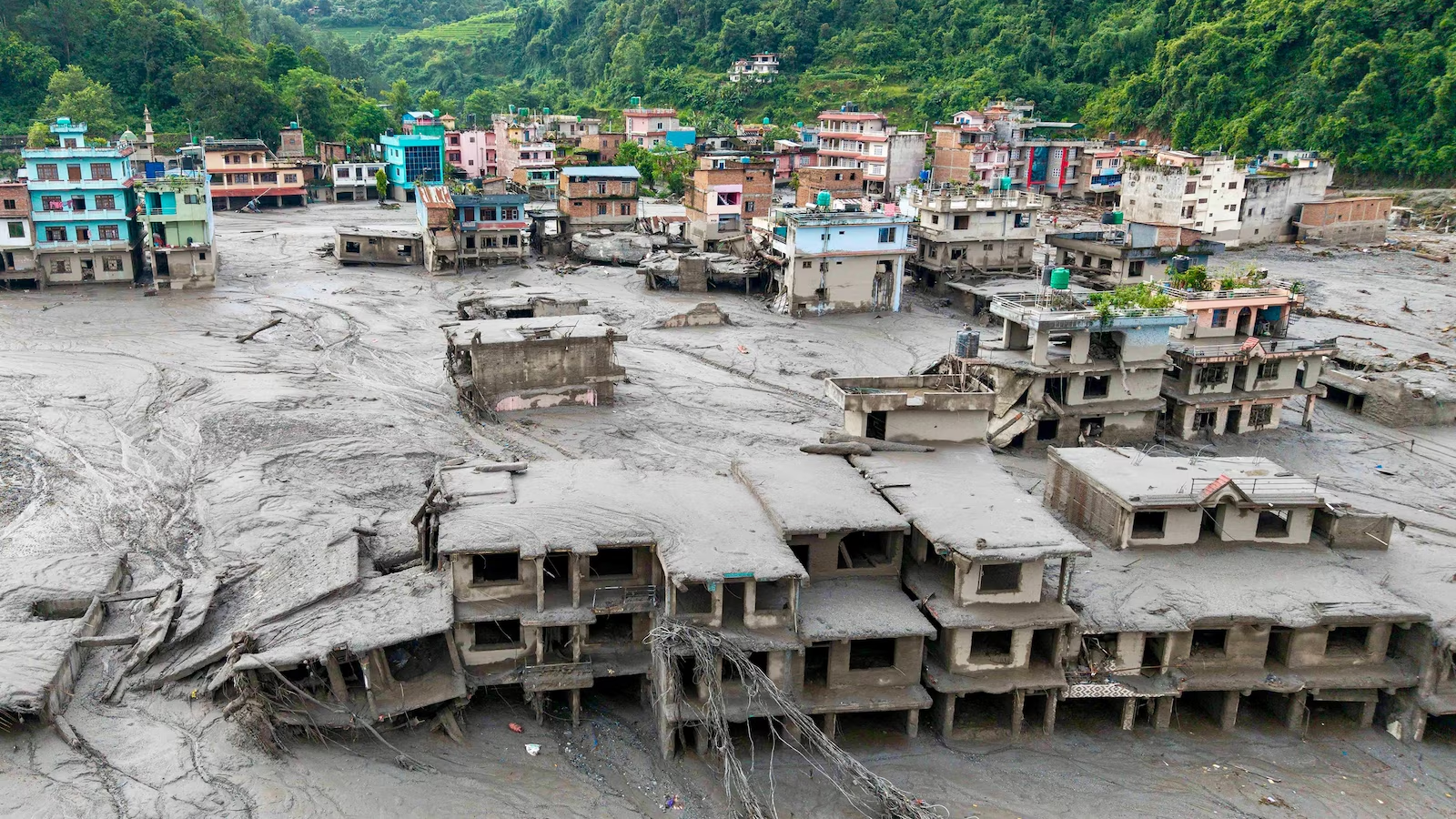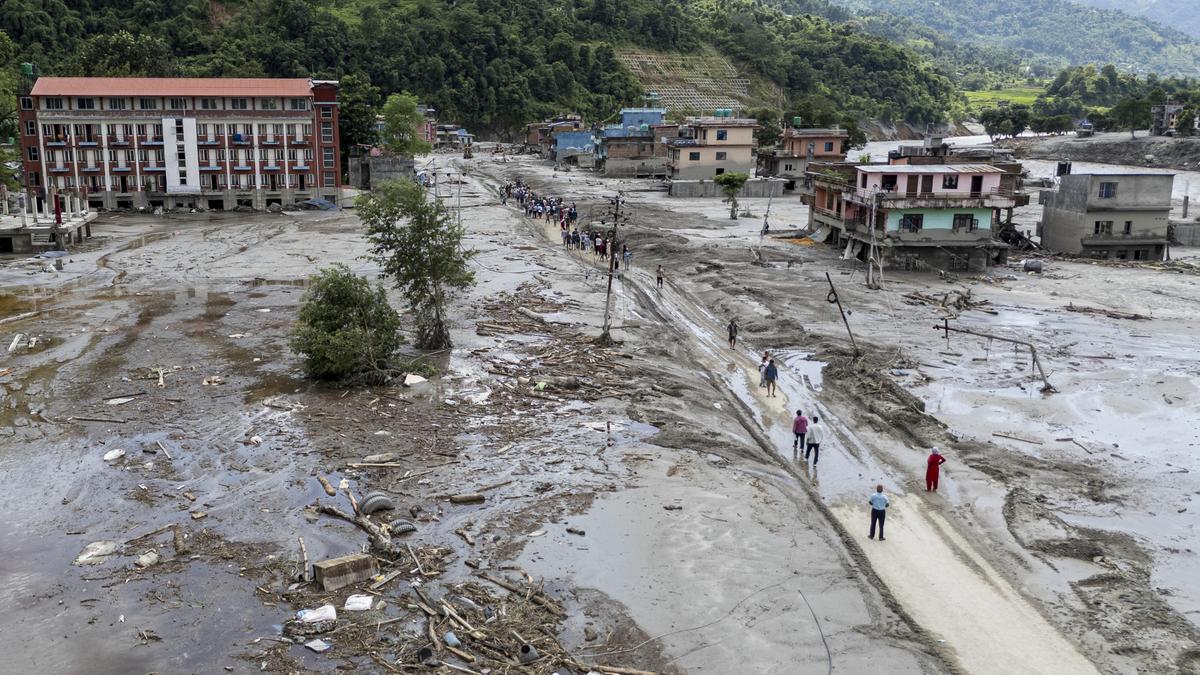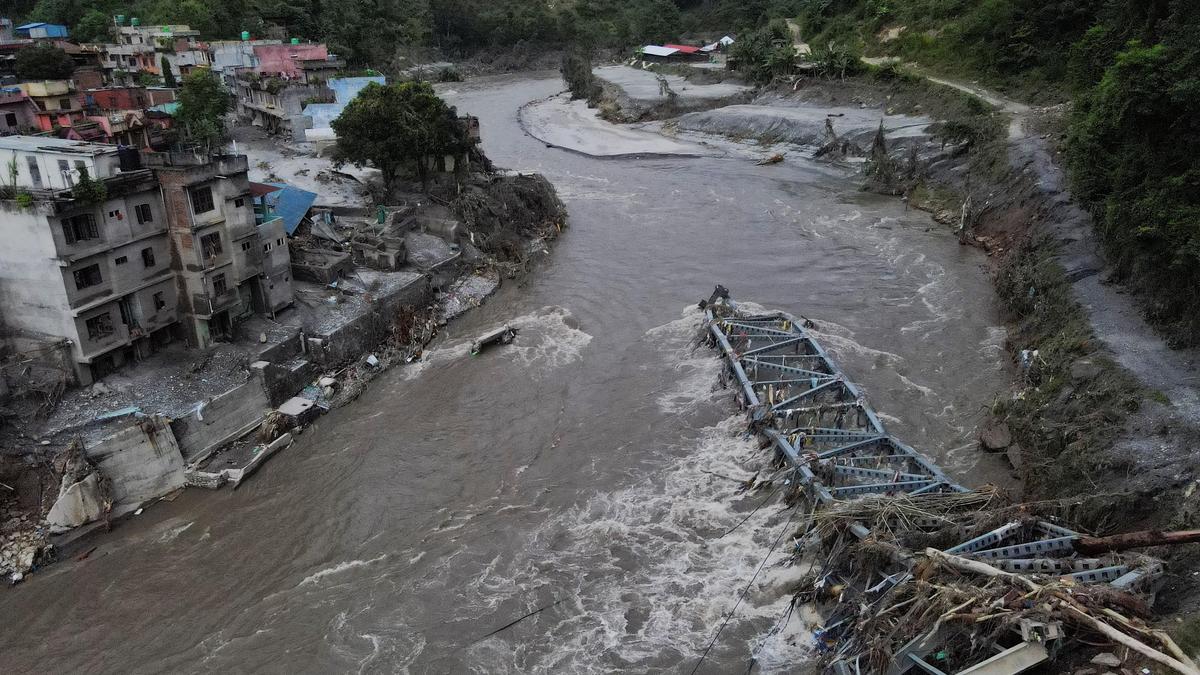
A drone view of a broken bridge and damaged houses after the flash floods at Devighat, Nuwakot district, on August 28, 2026.
| Photo Credit: Reuters
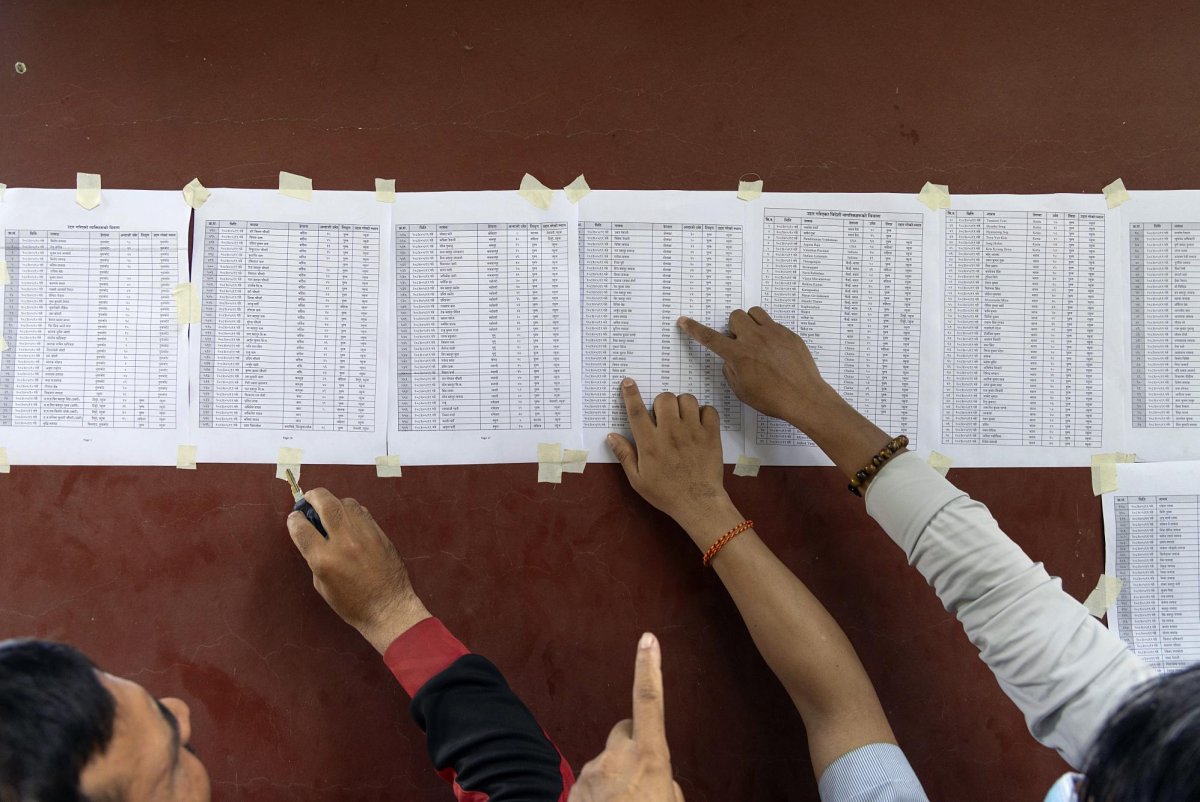
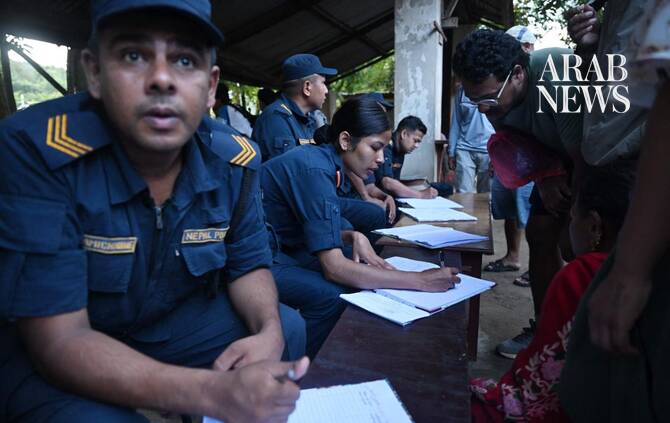
The death toll in the Nepal flash floods touched 579 on Friday (August 28, 2026), even as the search for nearly 2,000 missing people continued for the third day after the disaster struck.Also read: Nepal flash flood updates on August 28, 2026The Nepal Police said more than 4,500 people had been rescued. Of the 183 Indian tourists reported missing, 85 had been rescued while 98 remained unaccounted for, the Nepal Tourism Board said. Indian nationals account for the highest number of missing people.People from more than 30 countries are among those reported missing, the Board said. They include 65 from the United States, 61 from Ukraine, 51 from Malaysia, 35 from Australia, and 33 from the United Kingdom.Amid questions over how flooding on such a massive scale could have occurred in the Bhotekoshi river in Nepal’s Rasuwa district when no rain was recorded, scientists are working to piece together the chain of events.Nepali authorities have said the disaster may have originated in the Lhende Khola on the Nepali side. The Lhende Khola is a transboundary, high-altitude river that originates in Gyirong County in Tibet and flows south into Nepal, where it joins the Bhotekoshi and Trishuli river systems.Scientists believe an ice-and-rock collapse may have sent debris into the Lhende valley, temporarily blocking the river before a massive surge of water and debris swept downstream into the Bhotekoshi and Trishuli rivers.Note of cautionNepal’s Department of Hydrology and Meteorology, drawing on satellite imagery shared by the Chinese side, has reached a similar preliminary conclusion.According to an official at the department, the imagery pointed to a combination of an ice avalanche, permafrost movement, and a rockslide. “The avalanche originated on the Nepali side of the territory, but very close to the boundary, and caused flooding that crossed the Nepal-China border, causing extensive damage on both sides,” said Binod Parajuli, a senior divisional hydrologist at the department’s Flood Forecasting Division.He said a full technical assessment was still pending, as the department’s immediate focus remained on rescue operations. He said there was still a risk of further flooding, although it was unlikely to be on the same scale, and urged people living in the area to exercise caution.Diplomatic pressureMeanwhile, the Nepal government has reversed its earlier decision not to seek assistance from international search and rescue teams. Sources said the government decided to seek help from foreign experts in limited areas following intense diplomatic pressure from countries whose citizens remained unaccounted for after the disaster.On Wednesday (August 26, 2026), the government said Nepali rescuers were capable of carrying out search and rescue operations and that it would not permit rescue teams from other countries to enter Nepal. But on Friday (August 28, 2026), the government decided to seek assistance from a limited number of foreign specialists for tunnel rescue operations, DNA testing, and forensic examinations.In a social media post, Prime Minister Balendra Shah said reports that the country had rejected foreign assistance were misleading. He said the government was continuously coordinating with India, China and international partners on the assistance and supplies needed for rescue and relief operations. Published - August 28, 2026 10:59 pm IST