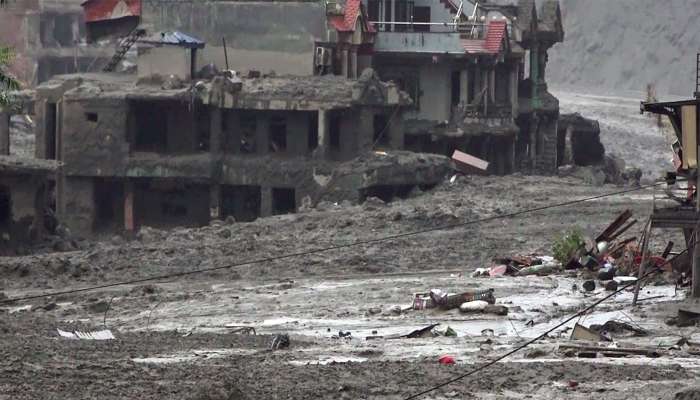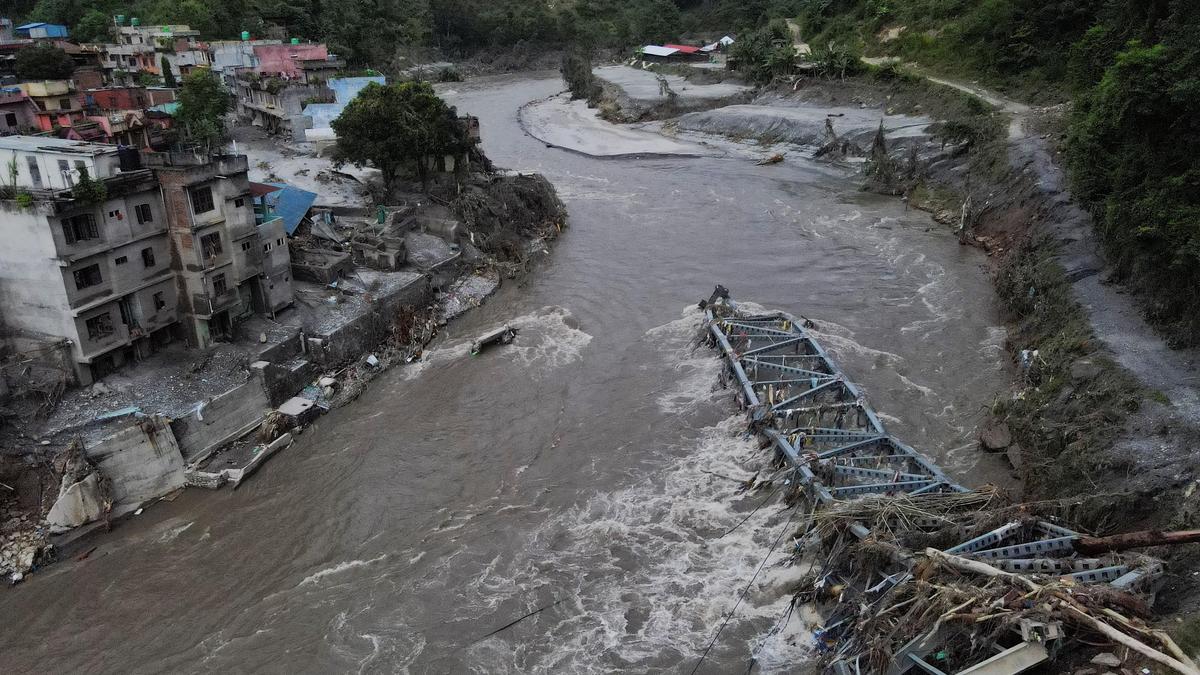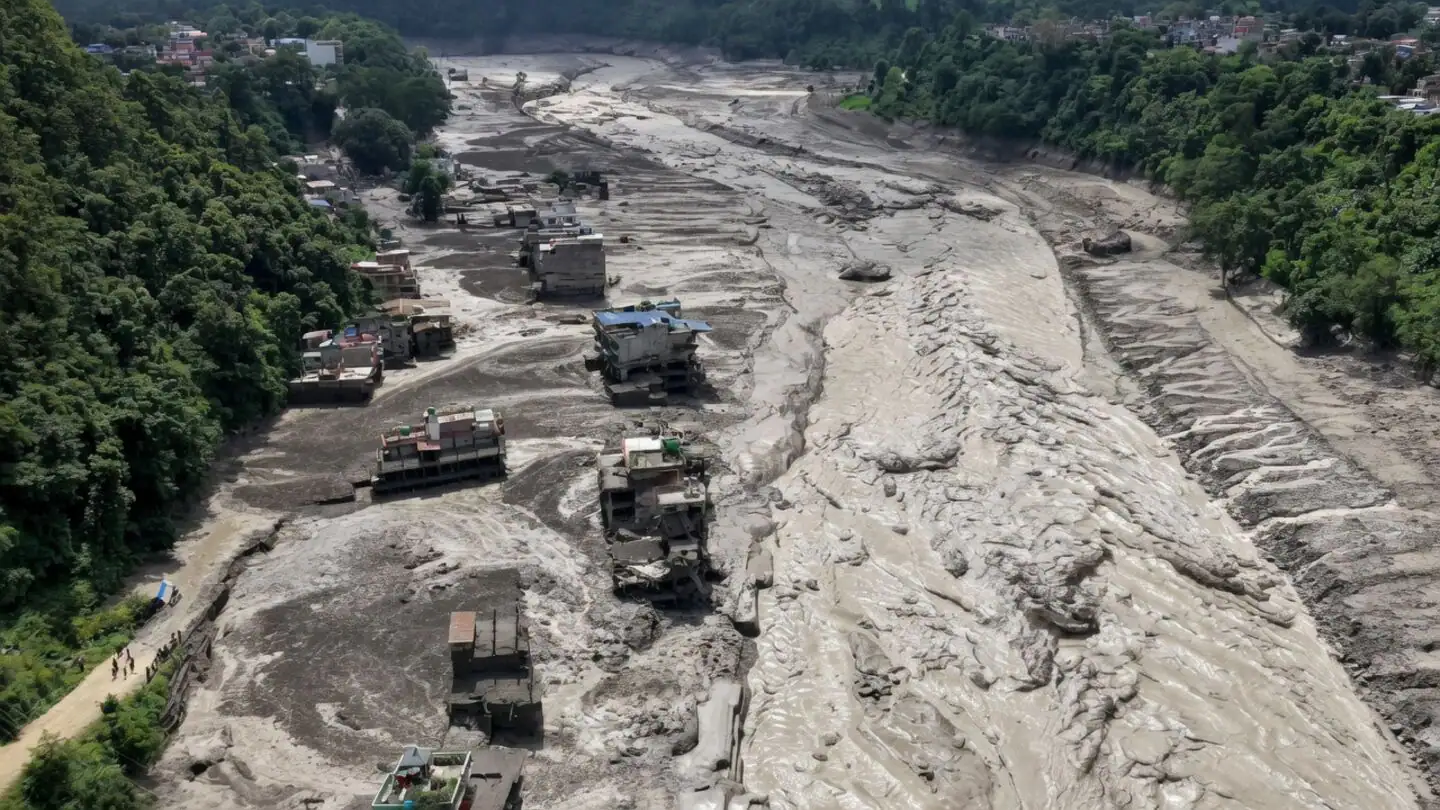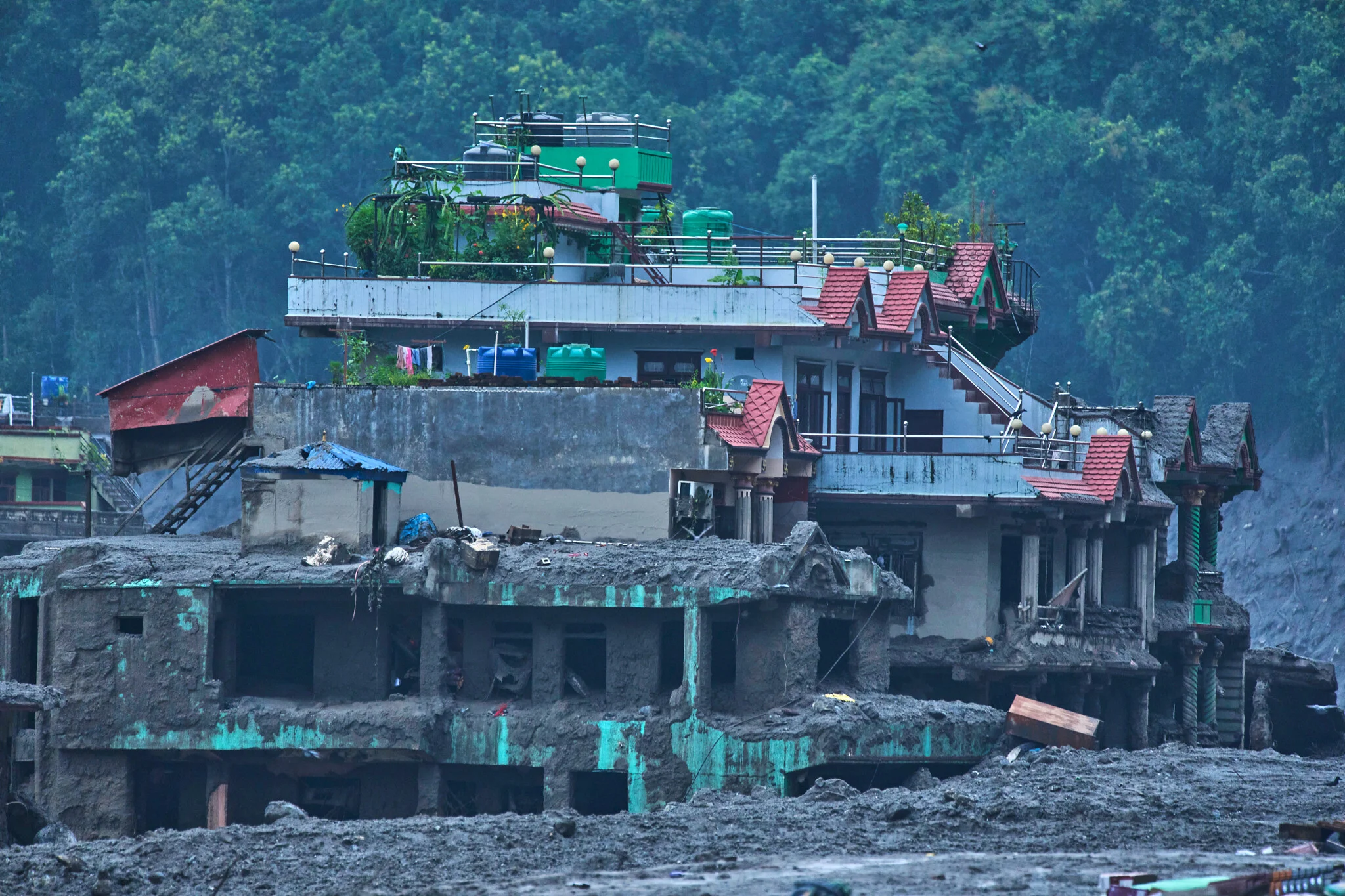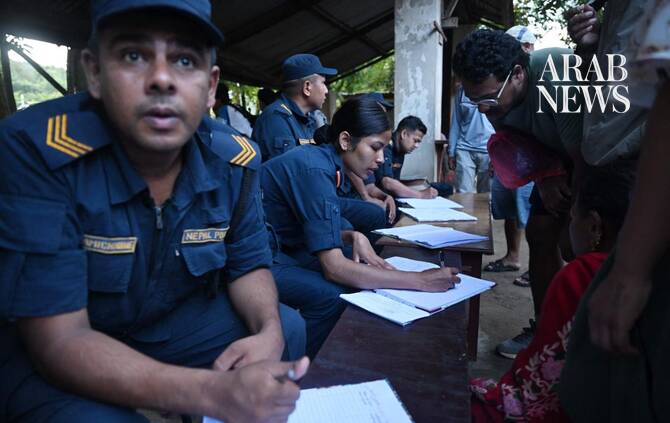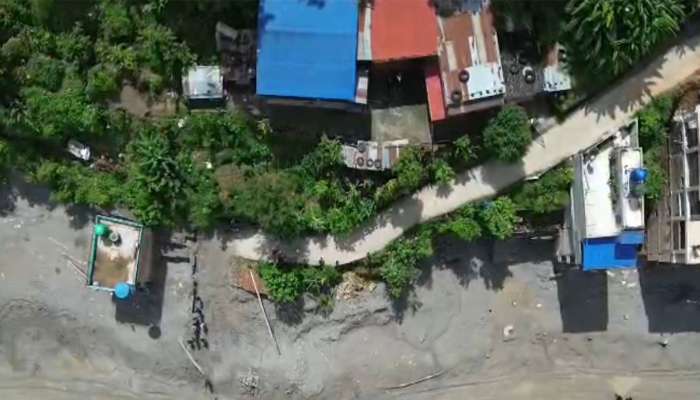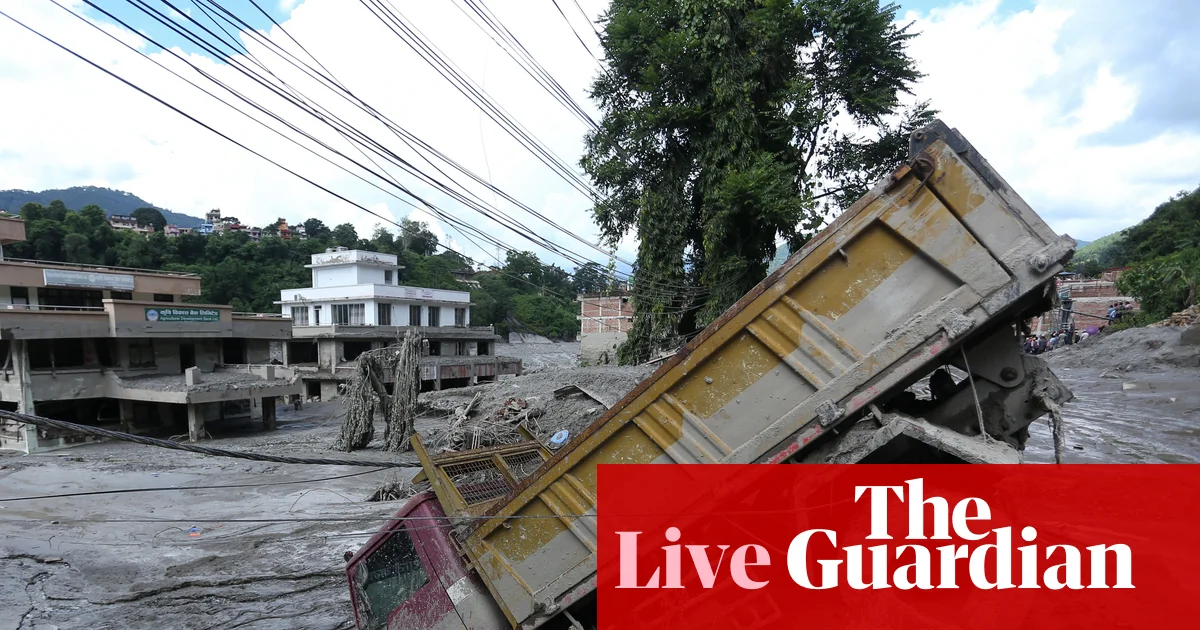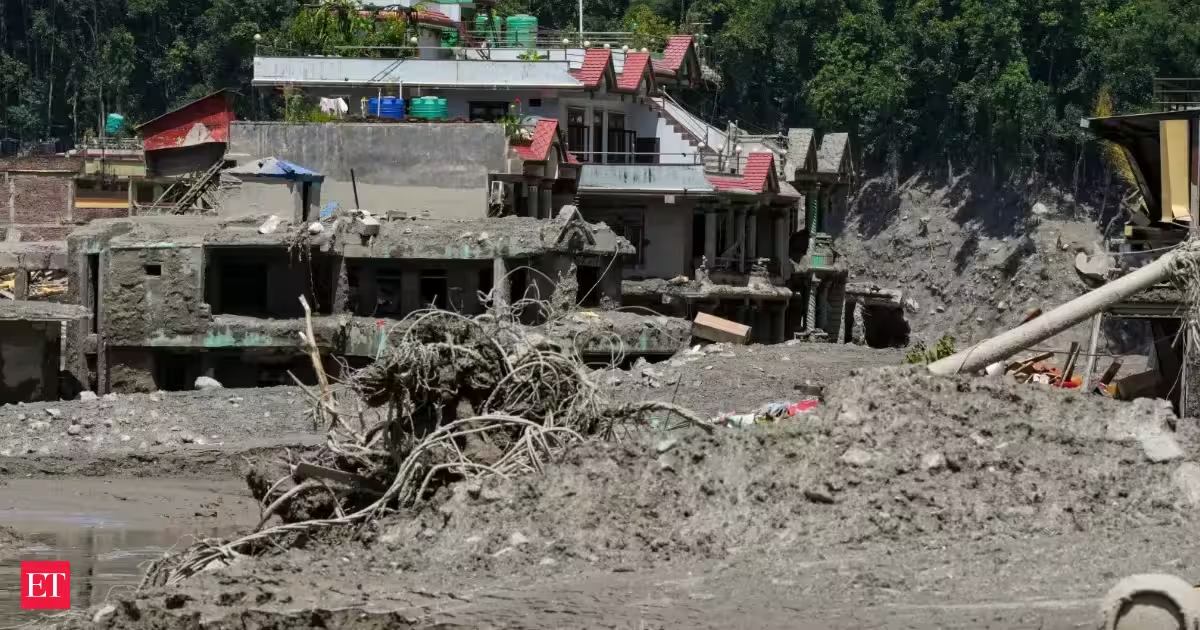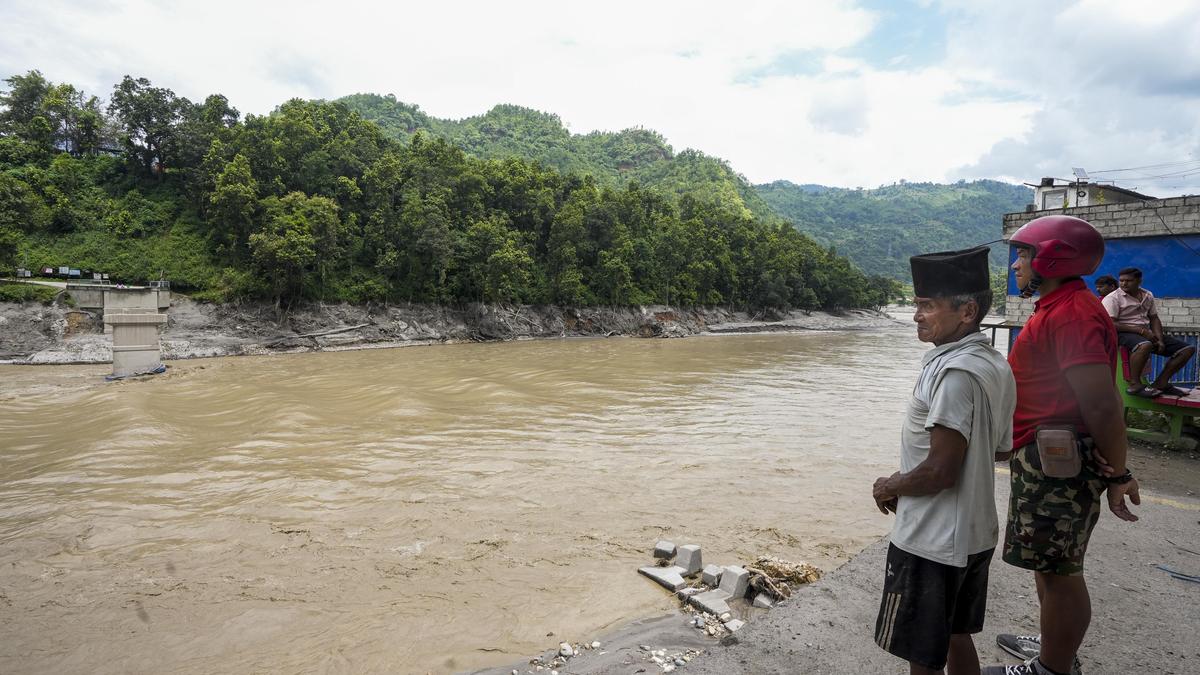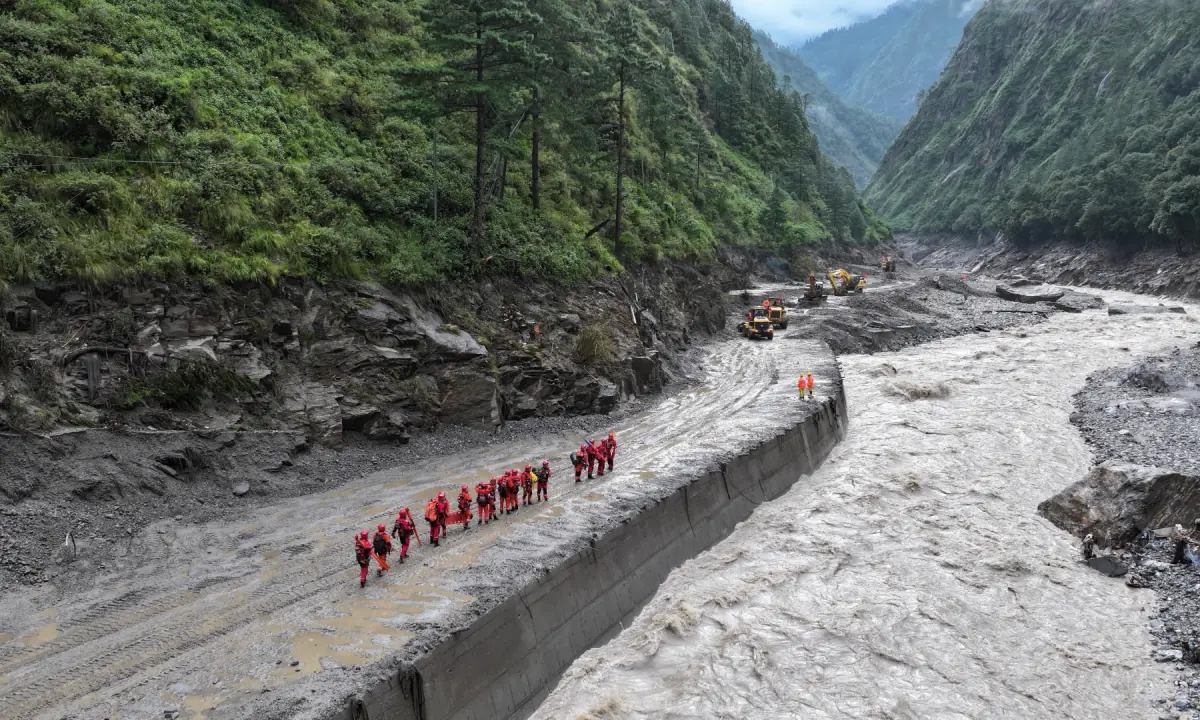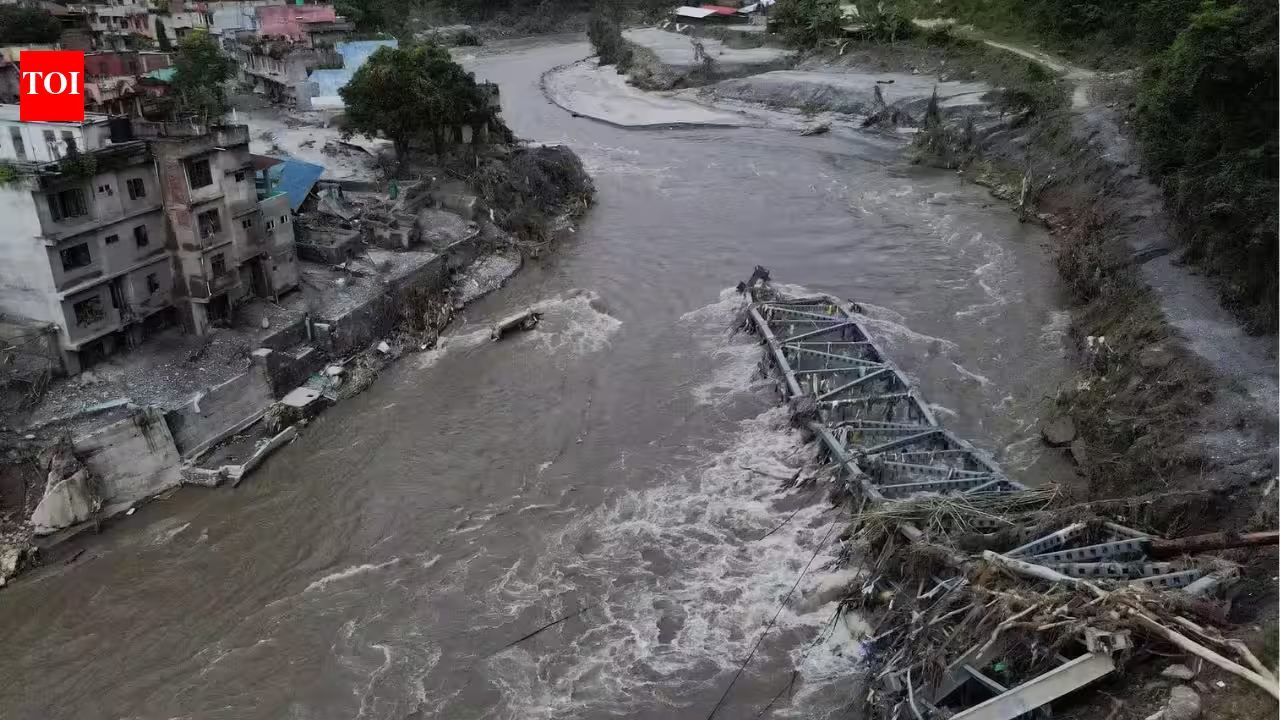
Nepal searches for the missing as fresh flood threat looms (Reuters image)Three days after devastating flash floods tore through Nepal’s Himalayan river valleys, the death toll has risen to 579, according to the National Disaster Risk Reduction and Management Authority, while thousands remain missing.Scientists are now working to reconstruct the sequence of events, but the precise trigger behind the glacial collapse that set off the floods remains unclear.The flooding struck areas around Timure and Syaphrubesi, near the Nepal-China border, destroying or damaging roads, bridges, buildings and other infrastructure before surging into the Trishuli river system.The floodwaters swept away people, vehicles and structures, leaving several settlements cut off from the rest of the region.On the third day, the scale of the disaster continues to emerge. Search and rescue teams are scouring riverbanks and downstream areas for survivors and missing people, while authorities are recovering bodies from locations far beyond the initial impact zone. The focus has also shifted to assessing the extent of the destruction and restoring access to affected communities.How many people have died?The death toll has risen to 579, but the figure is not considered final as search operations continue and authorities reconcile records from different districts. Hundreds of those caught in the disaster were foreigners who had travelled to the affected areas for work, guided treks or pilgrimages.The National Disaster Risk Reduction and Management Authority said 3,253 people had been rescued by helicopter, while more than 150 injured people were taken to hospitals in Kathmandu and the districts of Rasuwa, Nuwakot and Dhading.With thousands still missing, identifying those killed has emerged as a major challenge. Police are photographing recovered bodies, collecting fingerprints, conducting post-mortems and taking DNA samples where required. In cases where facial identification is possible, photographs are being used to help families establish whether a missing relative has been found.DNA samples are being sent to Kathmandu for analysis at the Nepal Academy of Science and Technology and the Nepal Police Central Forensic Science Laboratory. Authorities are also preparing for the possibility that some victims may remain unidentified, as cited by the Kathmandu Post.Fear of more floodingAuthorities remained on high alert after a newly formed barrier lake near the Nepal-China border began overflowing, raising fears of another flash flood in a region already devastated by the disaster two days earlier. The earlier floods killed more than 500 people and left over 1,500 missing.Nepal’s disaster management authorities said satellite imagery and preliminary assessments indicated that an upstream river had been blocked, causing water to accumulate and form a growing lake. A breach could release a sudden surge downstream, posing a fresh threat to already affected communities and disrupting ongoing rescue operations.Satellite imagery released by Chinese state broadcaster CCTV showed that the lake had formed in the same area where a glacial detachment occurred on Wednesday, triggering the chain of events that caused widespread flooding and destruction downstream.CCTV reported that the lake’s barrier was located more than 10 km from Gyirong Port, a key border crossing with Nepal that was inundated by mud and floodwater. The lake is at an elevation of about 2,950 metres, nearly 1,000 metres above Gyirong Port, increasing concerns over the potential impact of a sudden breach.Rescue operations continueMore than 4,400 police personnel have been deployed for search and rescue operations, alongside teams from the Nepali Army and the Nepal Armed Police Force. According to Nepal Police, security forces have so far rescued or provided primary assistance to 1,473 people across Nuwakot, Rasuwa and Dhading.Rescue efforts have been complicated by extensive damage to roads and bridges, which has cut off several affected areas and restricted ground access.Authorities are therefore relying heavily on helicopters to reach isolated communities, evacuate people and support operations in locations that remain difficult to access.Nepal has declined offers from several countries, including India and China, to deploy specialised search-and-rescue teams as it responds to one of its worst flood disasters in years, saying its own security agencies have the capacity to manage the ongoing operations.However, Nepal’s Foreign Minister Shishir Khanal clarified that the government had not rejected assistance from friendly countries or the wider international community.He said Nepal remained open to seeking international technical expertise if rescue operations involved specialised challenges, particularly in tunnels or other complex structures.EAM Jaishankar receives 21 Tamil Nadu pilgrimsExternal affairs minister S Jaishankar on Friday received 21 Tamil Nadu pilgrims who were rescued from the devastating floods in Nepal and brought back to India.MEA spokesperson Randhir Jaiswal said another 63 Indian nationals working at the Trishuli One hydropower project were rescued on Thursday. “In addition to these 21 Indian nationals, yesterday we gave you an update about 63 Indian nationals who are working at the Trishuli One hydropower project. They were also rescued yesterday,” he said.Jaiswal said authorities were currently unable to establish contact with 320 Indian nationals, who are being treated as missing or uncontactable. He also said around 400 Indian nationals stranded on the Chinese side of the Nepal-China border were safe, with the Indian Embassy in Beijing coordinating with local authorities to facilitate their evacuation.
Nepal floods: Toll climbs past 550 on third day as rescuers race against time amid fresh threat
Three days after devastating flash floods tore through Nepal’s Himalayan river valleys, the death toll has risen to 579, according to the National Disaster Risk Reduction and Management Authority, while thousands remain missing.
842 words~4 min read