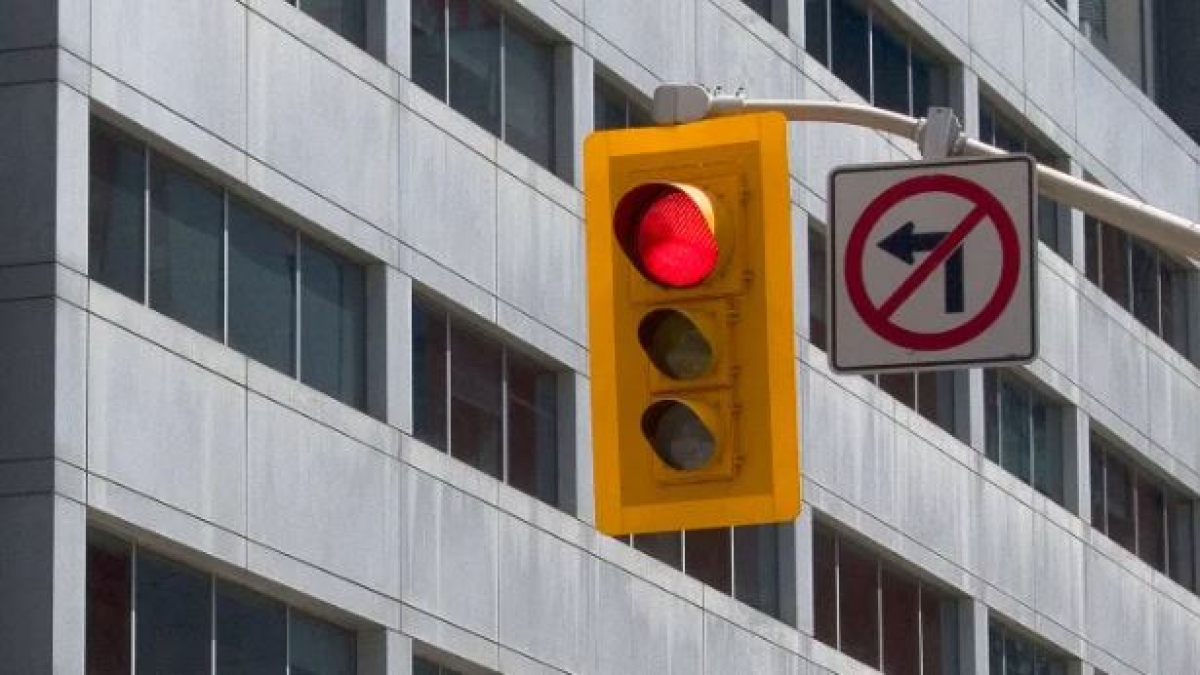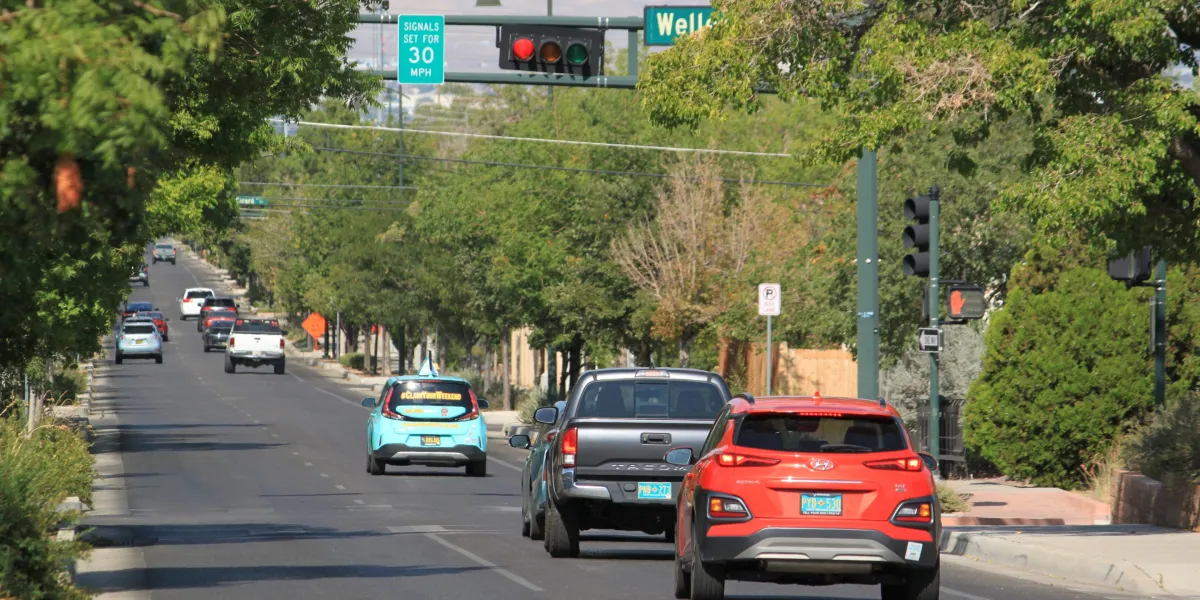
What ultimately did was rewarding the law-abiding ones with fewer red lights.
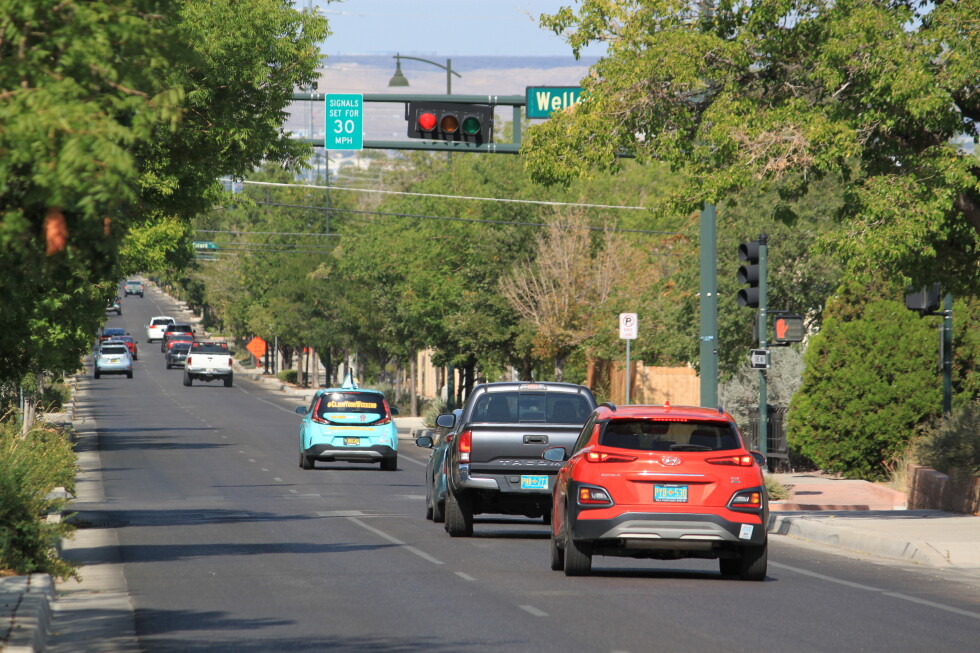
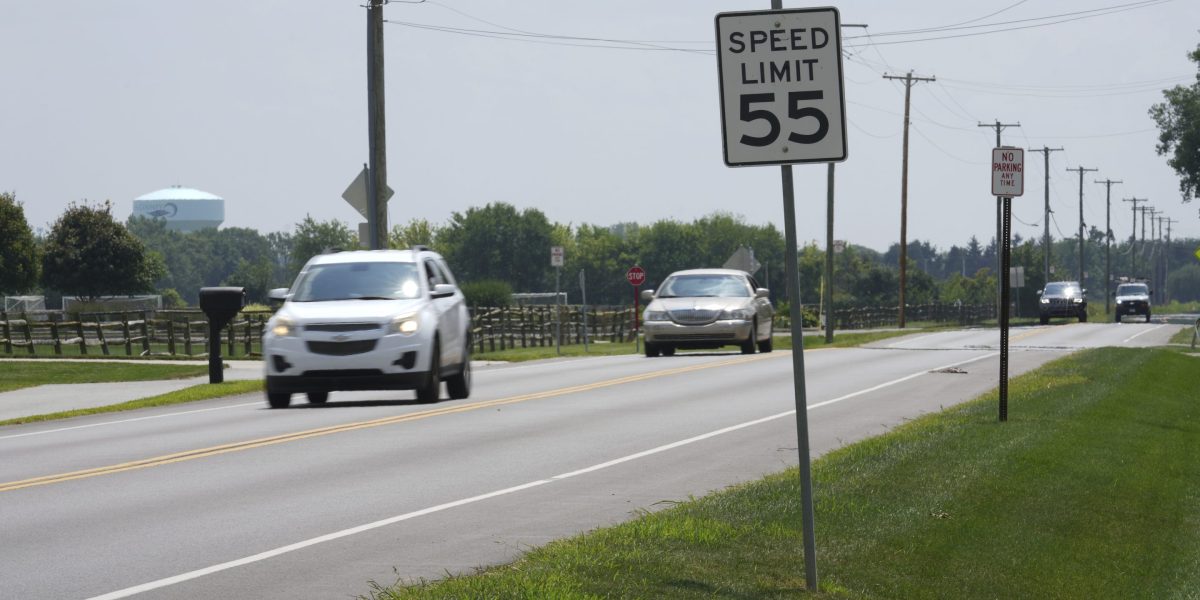
The solution, which the city credits for a dramatic drop in crashes and injuries along one busy stretch of road, is a relatively novel version of a longstanding traffic safety concept commonly known as “rest in red,” in which traffic signals default to red until a vehicle approaches. But Albuquerque and Portland, Oregon, took it a step further by adding speed sensors that grant a much earlier green light to drivers traveling at or below the posted limit.
“We’re finding that the technology itself is kind of its best advertisement,” Jennifer Turner, Albuquerque’s director of municipal development, said of the strategy the city deployed on Lead and Coal avenues, parallel one-way streets. “If you come to Albuquerque right now and you’re driving that corridor, you will learn pretty quickly that if you are speeding, you stop.”
Isaac Romero, who lives along the corridor, said he has noticed a big difference. Before rest in red, he would sometimes wake up in the middle of the night to the sound of drivers racing to beat the traffic lights or one another. He saw cars that had crashed and flipped, including one that ended up in his neighbor’s yard.