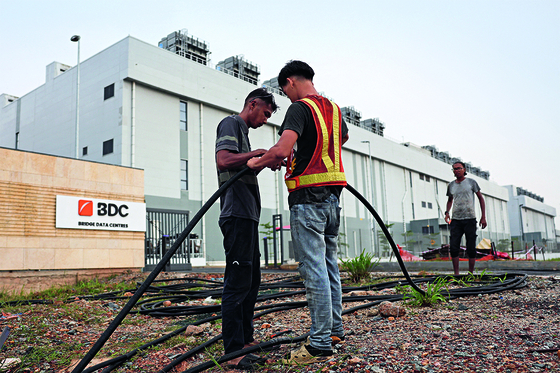
1. Tech firms and data center operators are pouring billions into Southeast Asia, but the region’s limited power supply is a central constraint; data centers are voracious consumers of electricity [para. 1]. The hot, humid climate (27–35°C) forces more electricity for cooling at the same computing load, hurting PUE [para. 2][para. 3]. The climate also raises equipment reliability demands; with small grids and years-long expansions, operators consider self-built systems like gas turbines, fuel cells, and batteries [para. 4]. One executive predicts all of Southeast Asia will face power shortages within two years [para. 5]. Electricity reserves in Thailand and Malaysia are saturating, pushing some firms to Indonesia [para. 6].2. Singapore, long the entry point, faces land and grid limits [para. 8]. It now prioritizes efficiency and sustainability, and in October 2025 announced a low-carbon Jurong Island campus of up to 700 MW [para. 9]. As resources tighten, companies move to Malaysia, which plans 6–8 GW of gas capacity but needs 4–5 years to build [para. 10]. Over 3 GW of data-center demand waits to connect, with only about 700 MW operating [para. 11]. Malaysia has gas and hydro reserves but supply lags; Bain Capital is developing a campus and seeking a dedicated power plant, though global equipment shortages lengthen procurement [para. 12][para. 13].3. Thailand’s power system is limited [para. 15]. Past demand grew steadily, but data centers arrived suddenly and caused a spike the grid could not handle, said Zhang Cheng [para. 18]. Proposed projects request nearly 30 GW, far above plans, so regulators tightened reviews in March 2026 [para. 16][para. 17]. New AI centers are judged on efficiency, water use, and local economic contribution [para. 17]. Investment surged: 335 billion baht in Jan–Sep 2025 vs 98 billion baht in 2024 [para. 19]. Capacity is seen growing about 59% per year from 2026 to 2028 [para. 20]. Existing capacity is 52% in Bangkok and 41% in the Eastern Economic Corridor; the corridor will host 149.9 MW by 2028, twice Bangkok’s level [para. 21]. The corridor is adding 1,150 MW, with 400 MW operating and 750 MW under construction [para. 22].4. Operators are exploring on-site gas generation [para. 24]. Turbine order books at GE, Siemens, and Mitsubishi extend to around 2030 [para. 25]. GE Vernova is growing fast in the region; CEO Scott Strazik said gas is practical for AI data centers, and the firm is exploring small modular reactors with Hitachi [para. 26][para. 27]. Zhang Cheng expects broad shortages and advises self-built plants [para. 28]. But policy constraints (energy as national security) and slow gas pipelines make approvals hard [para. 29][para. 30].5. The problem is also supply-chain: even with generation, new substations and lines are needed [para. 32][para. 33]. Overseas grids are fragmented, unlike China’s, with complex approvals [para. 34]. As campuses reach 500 MW or gigawatt scale, relying on public grids is harder; after 2028, large projects will need on-site generation [para. 35].AI generated, for reference only
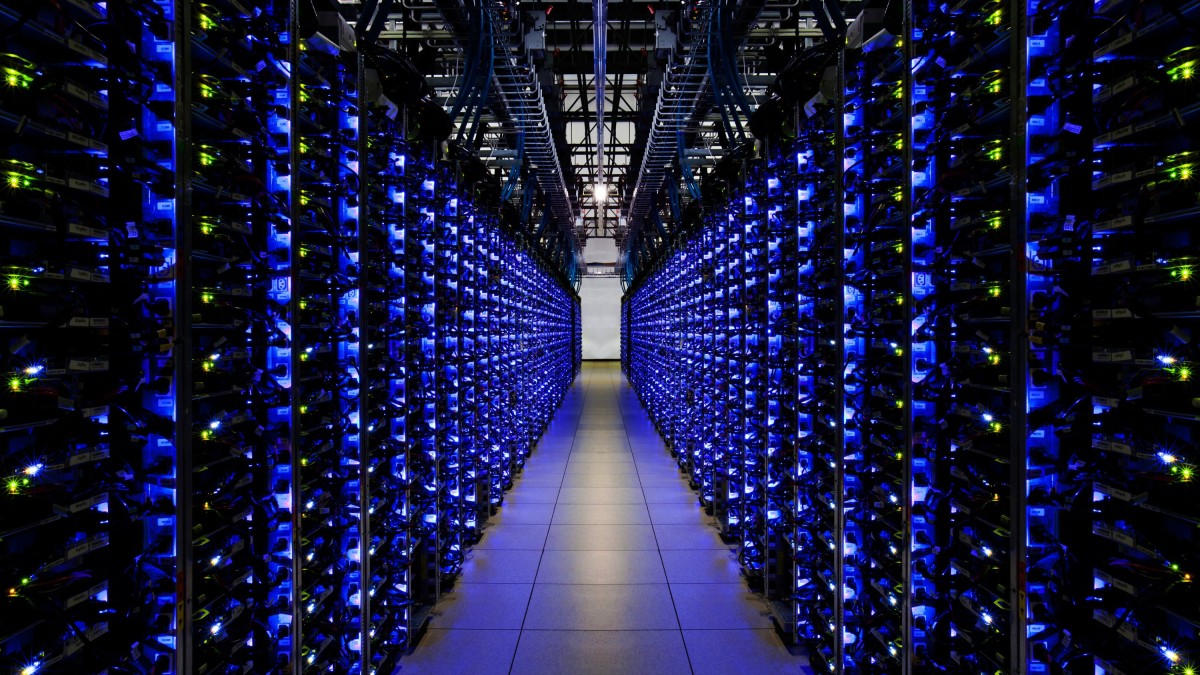
In Depth: Southeast Asia’s AI Data Center Boom Has a Power Problem
Chinese tech giants and global operators are building related industrial parks across the region, but grids, gas turbines and transmission systems are struggling to keep up with the industry’s rapidly rising energy demands
488 words~2 min read