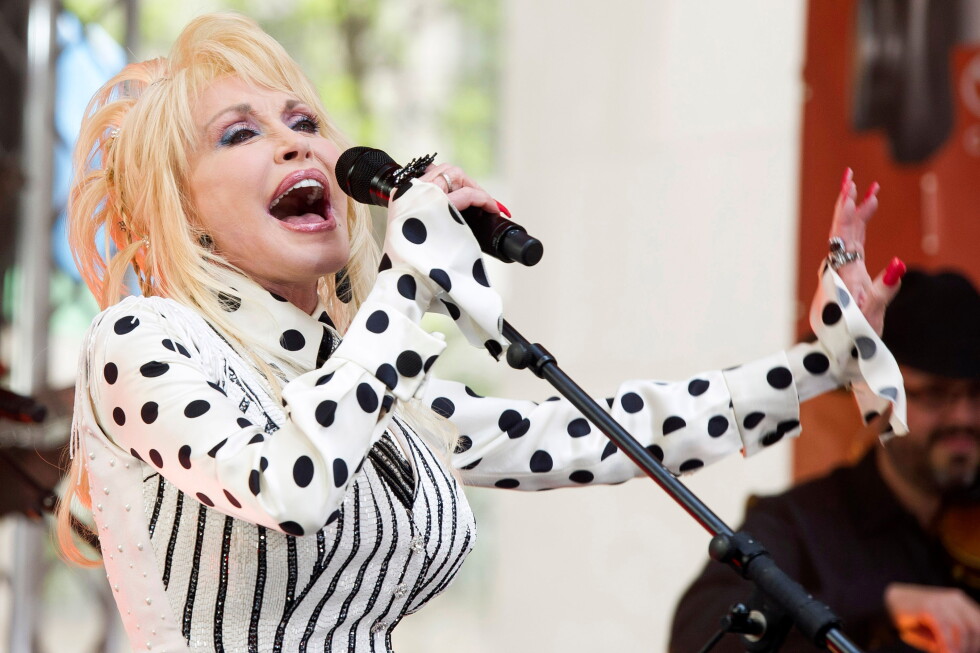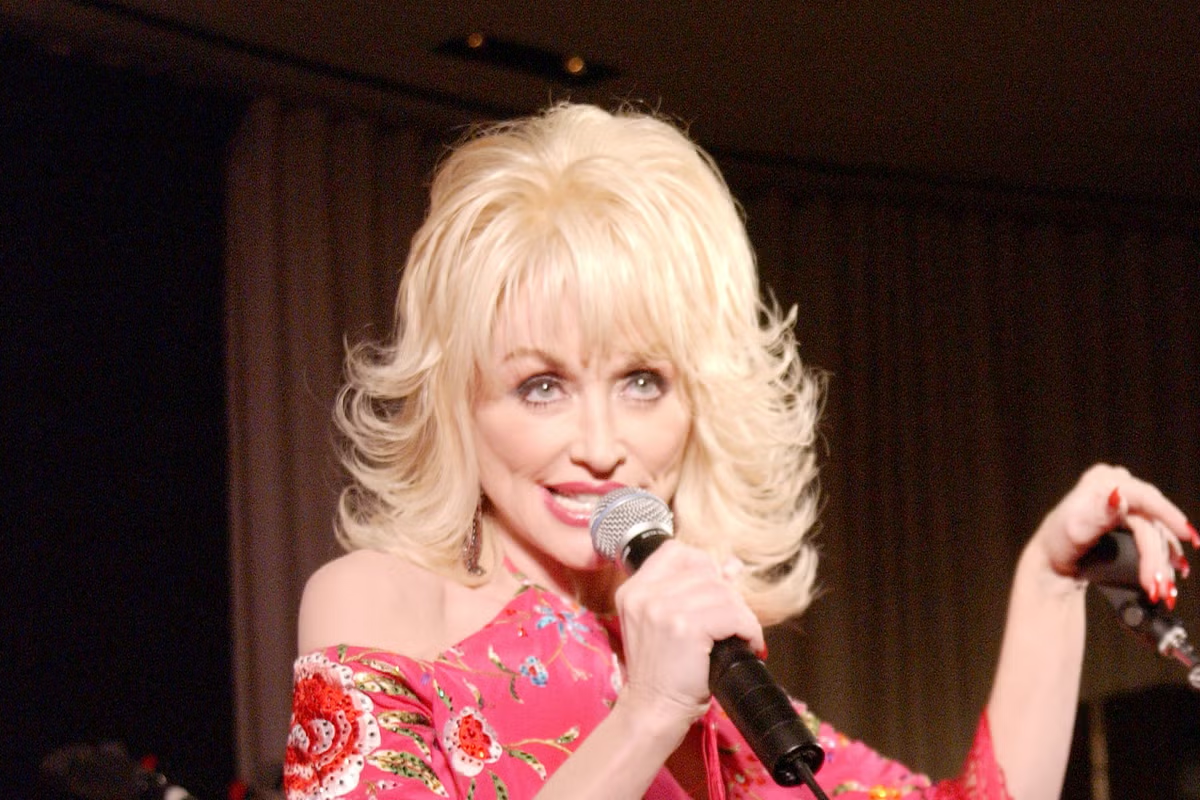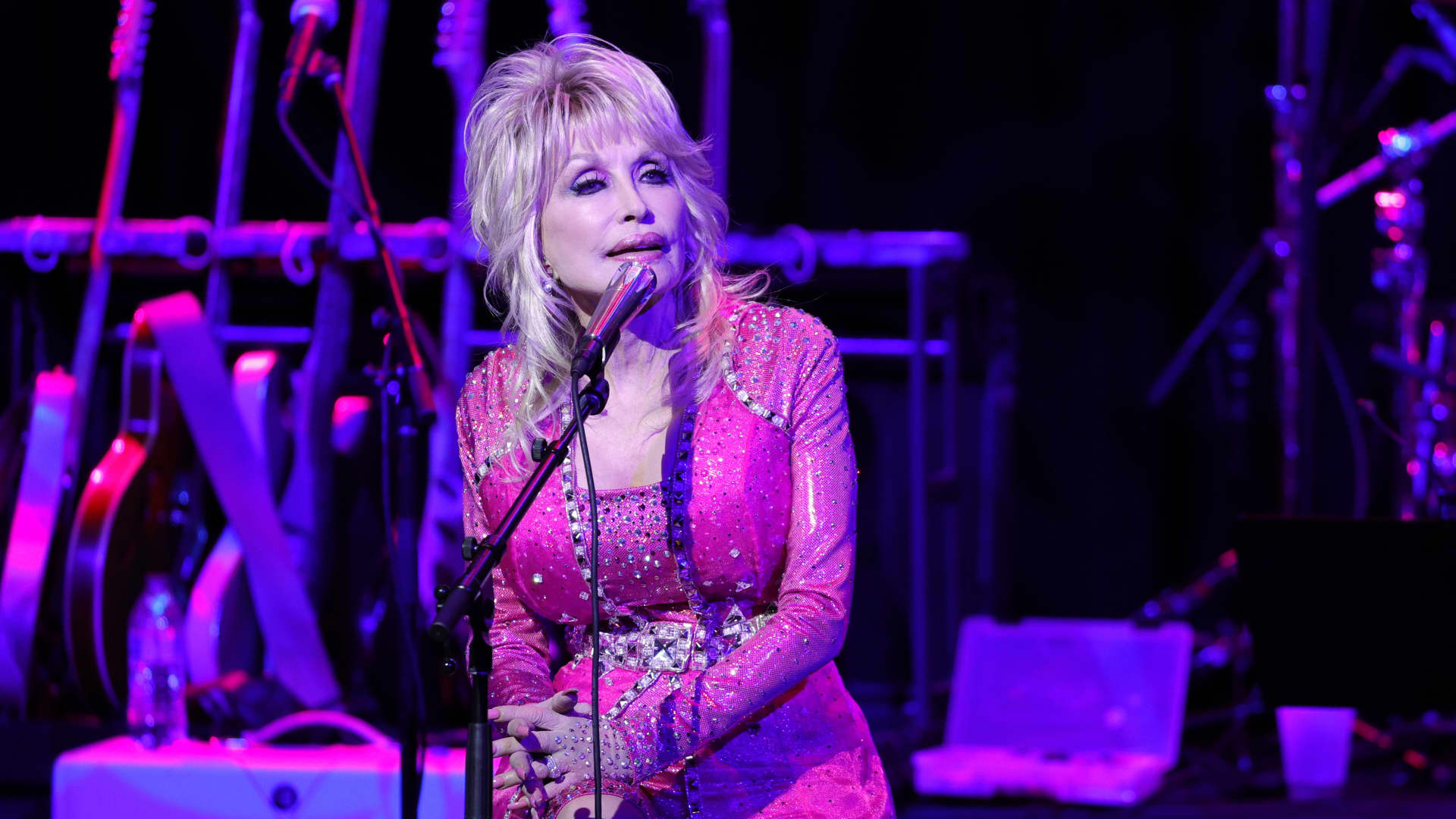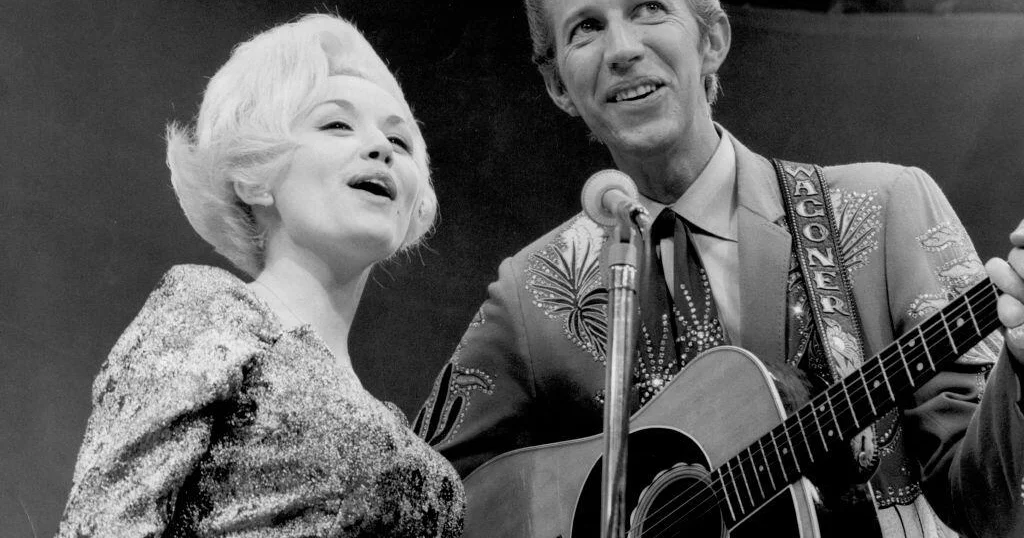
Twelve "Women of the Year" are pictured smiling on the January 1987 cover of "Ms." magazine, co-founded by feminist pioneer Gloria Steinem. They include a US senator, a renowned novelist, a former nun who helped Central American refugees and, smiling brightest of all, Dolly Parton. The beloved country superstar, who died this week at 80, never embraced the feminist label. She eschewed it when asked, just as she carefully avoided political labels. But when Parton was building her groundbreaking career in music, more telling were Parton’s life choices, social alliances and especially her lyrics – words that made clear how fiercely independent the woman beneath the wig and rhinestones truly was, and what she believed in. “People who haven’t listened to Dolly Parton or to feminism may be surprised to learn that they go together,” Steinem wrote in that 1987 magazine issue. “She has used her business sense to bring other women and poor people along with her. And her flamboyant style has turned all the devalued symbols of women to her own ends.” “If feminism means each of us finding our unique power, and helping other women to do the same,” Steinem wrote, “Dolly Parton certainly has done both.” Parton may not have claimed to be a feminist, but her female fans claim her as an icon with pride and affection. “She didn’t tell us she was a feminist,” says Lynn Melnick, author of “I’ve Had to Think Up a Way to Survive: On Trauma, Persistence, and Dolly Parton”. “She showed us – in her actions and her words and in her songs. And I think that’s why people loved her so much.” At the Newport Folk Festival in 2019, a cheeky Parton, then in her early 70s, drew delighted cheers when she sang lyrics skewering double standards: “My mistakes are no worse than yours just because I’m a woman.” Parton had just explained to the crowd that the song was a reference to a frank conversation she’d had with her husband soon after marriage, when he asked if she’d been with other men. “When you boys get married you want us to be just as pure as snow – well, sometimes we’re not!” she told the crowd. “This is for you, gals, and your boys just gotta take it, OK?” The remarks were vintage Parton, making a point without alienating anyone. She was, after all, about relatability. “One thing about Dolly is that no matter what side of the political spectrum you’re on, you think she’s with you,” Melnick says. “Everyone claims her. And so as a feminist I always thought, well, obviously she’s a feminist, and the more I read about her and wrote about her, it was just undeniable – first of all because of how she lived her life completely on her own terms.” She and Carl Dean met in 1964 and were married for nearly 60 years. But they both gave each other a lot of space and freedom to live their own lives. After she convinced Dean to attend an awards show early on in her career, they both quickly realized it was just not his thing. "He said, 'Look, now I want you to do everything you want to do and I wish you the best, but don't ever ask me to go to another one of these damn things 'cause I ain't going,'" Parton recalled.
'I am sure of myself': A look back at Dolly Parton's unspoken feminist legacy
Beloved country star Dolly Parton was many things to her fans, including an actor, singer, philanthropist and entrepreneur. But after her death on Tuesday at the age of 80, some admirers are remembering…
1,338 words~6 min read