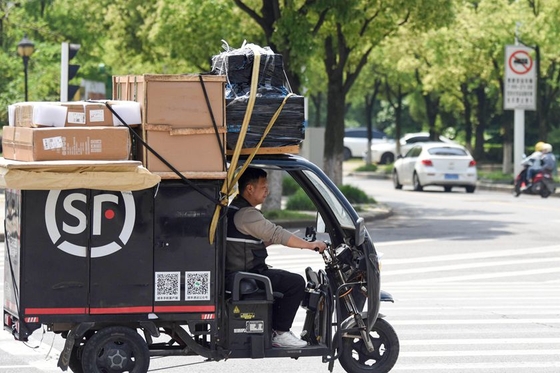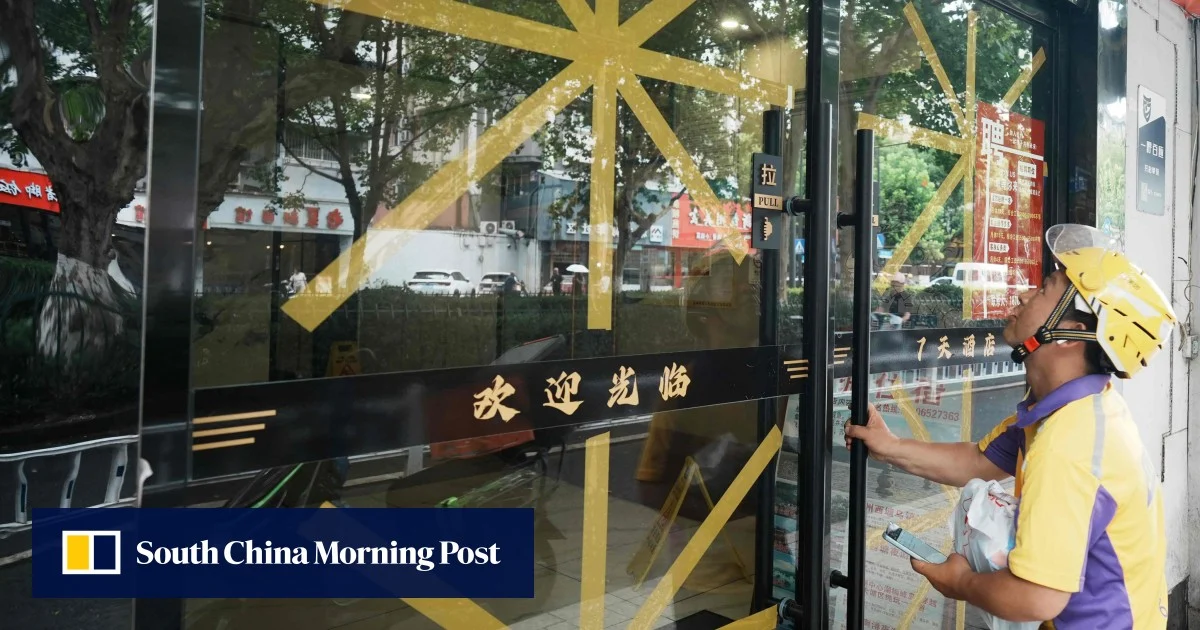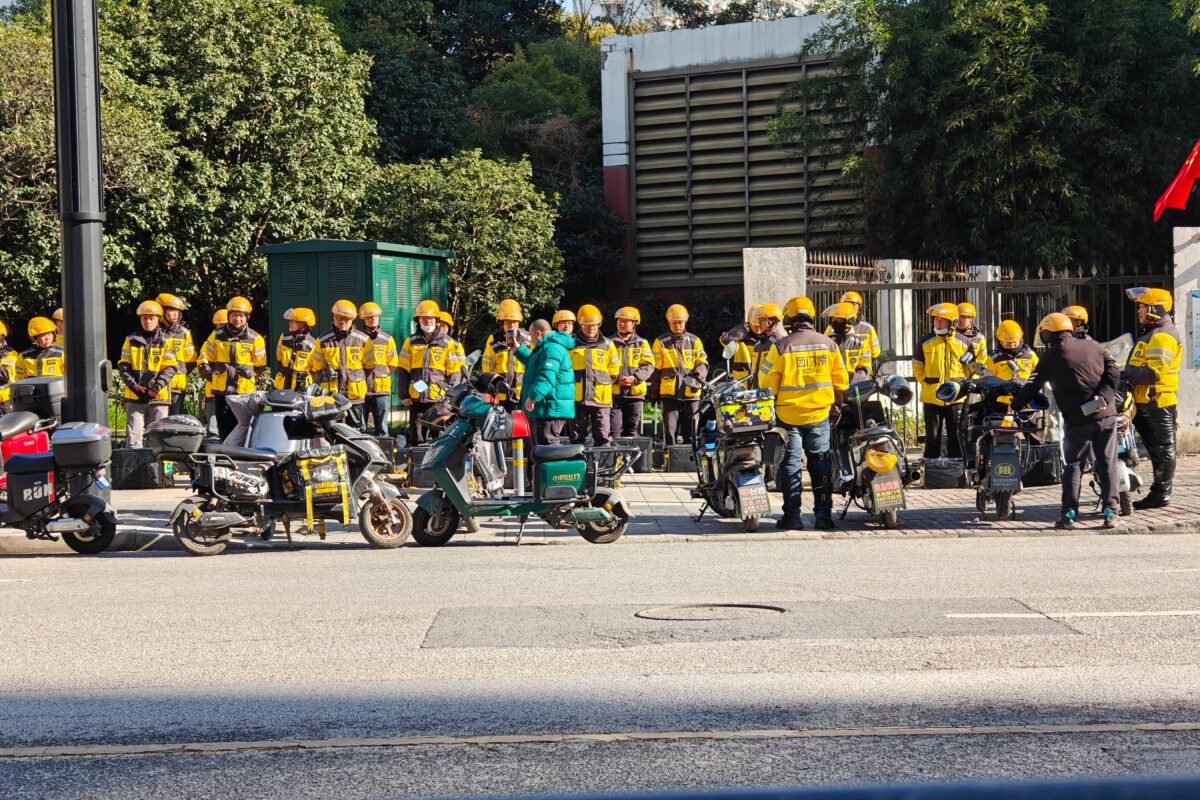
On 26 April 2026, the Communist Party of China’s Central Committee and the State Council released the Opinion on Strengthening Services and Management for New Employment Groups. The policy aims to standardise labour practices and strengthen rights protection for workers within the platform economy — including delivery riders, ride-hail drivers and livestreamers — whose work is marked by insecure income, hours, employment status and social protection.
The guidelines were framed as both worker protection and macroeconomic governance, aligning with China’s pivot to consumption-led growth in the 15th Five-Year Plan, which for the first time is accompanied by a standalone five-year plan dedicated exclusively to expanding consumption. The logic runs both ways — a consumption-led economy needs workers secure enough to spend.
Notably, the framework does not mandate standardised contracts, capped working hours, algorithmic transparency or full social insurance coverage. Major platforms have already moved on these fronts, with ride hailing app Didi committing 1.1 billion RMB (US$158.3 million) in driver subsidies in February 2026 and e-commerce platform JD.com pledging comprehensive social insurance and housing benefits for full-time riders in March 2025. Policy is now catching up — occupational injury insurance for platform workers was rolled out nationwide on 1 July 2026, after a pilot program in 2022 which covered 29.9 million workers.