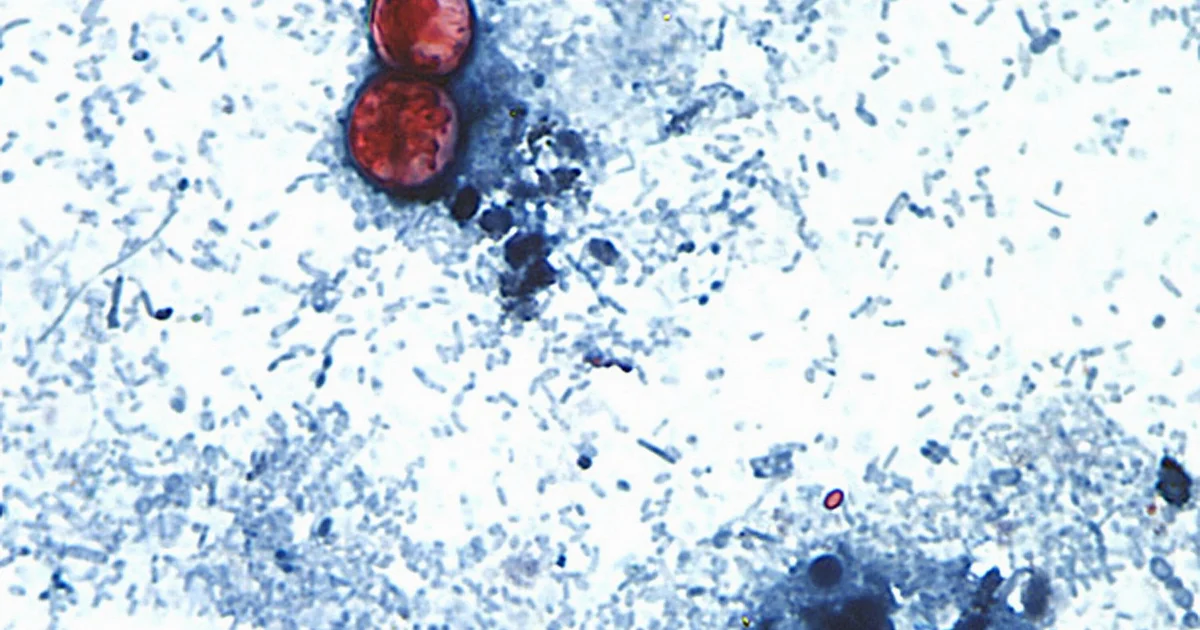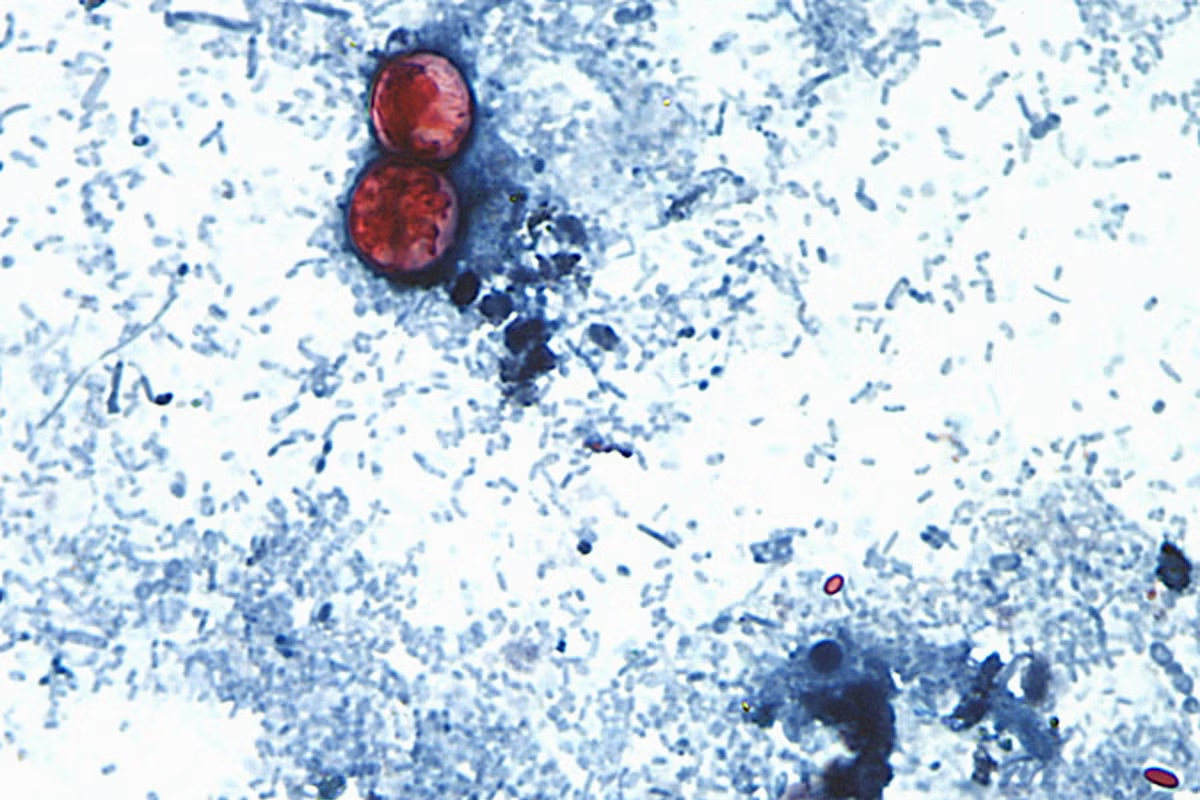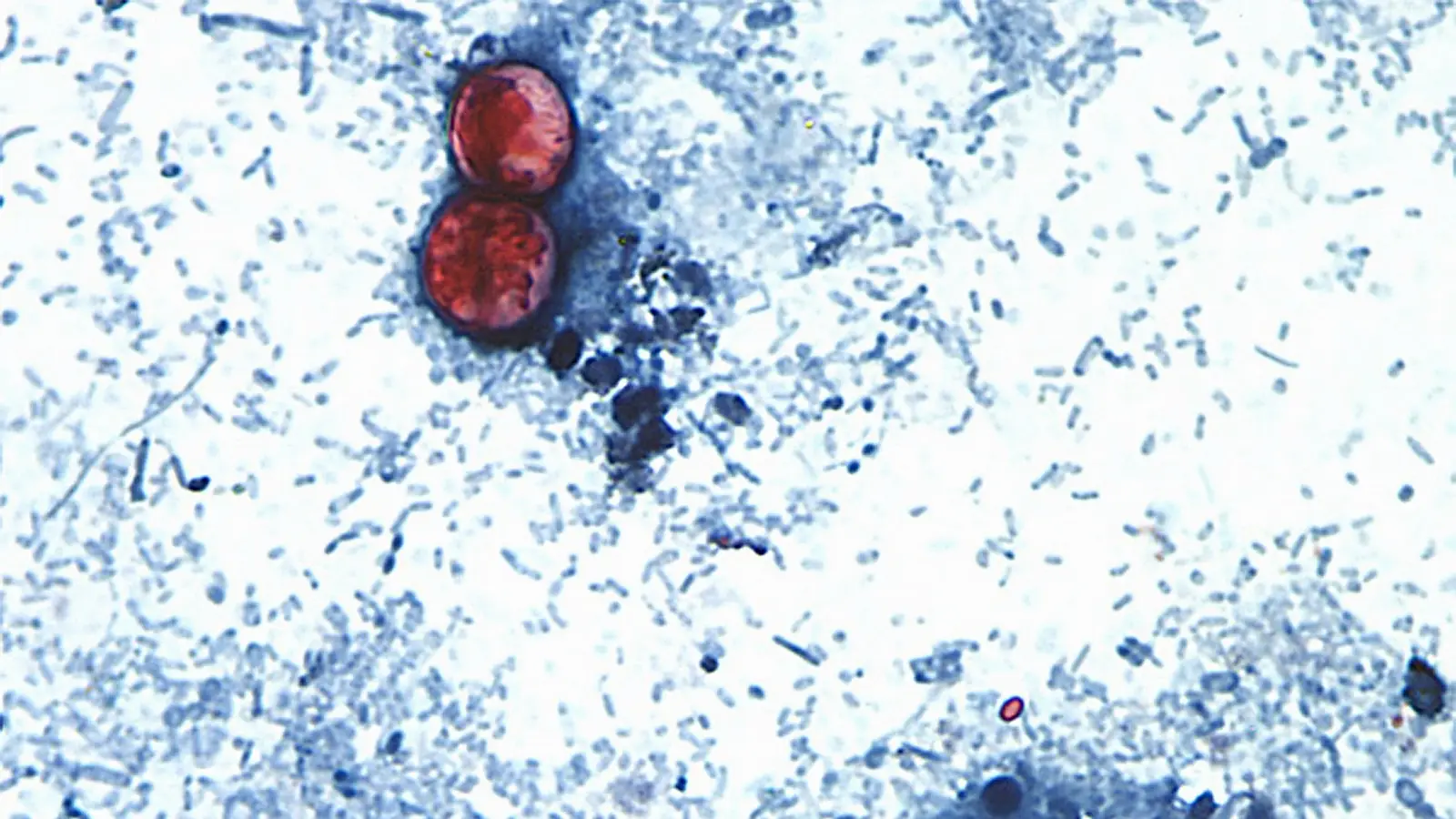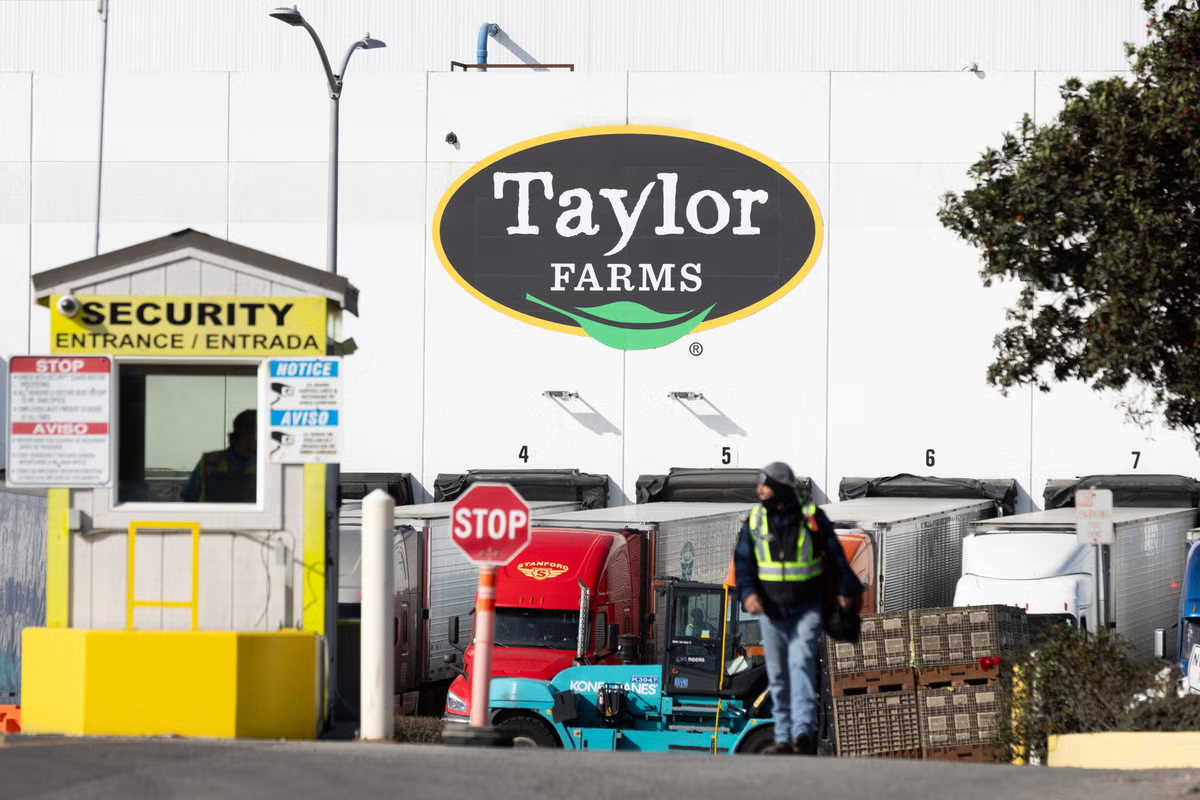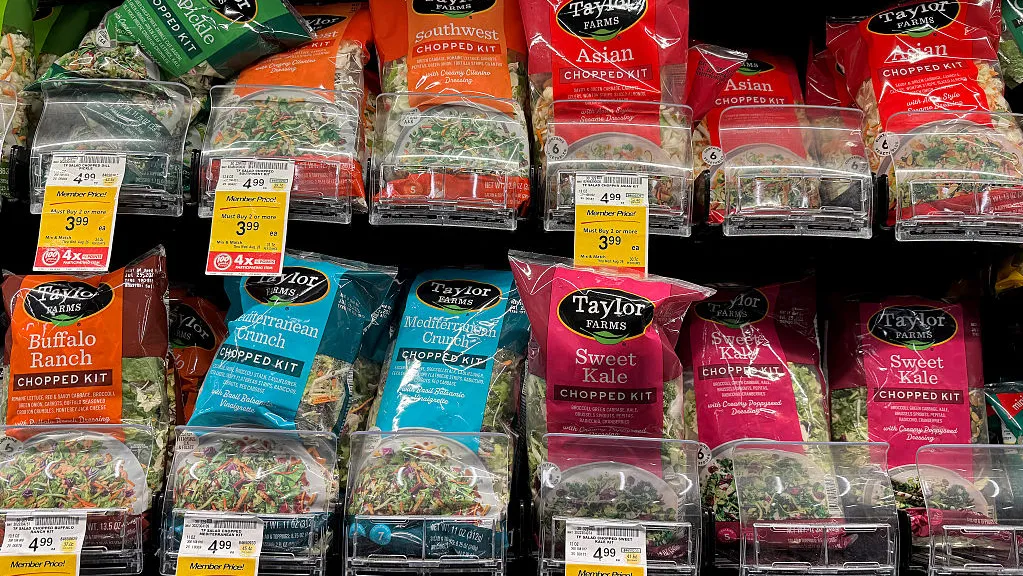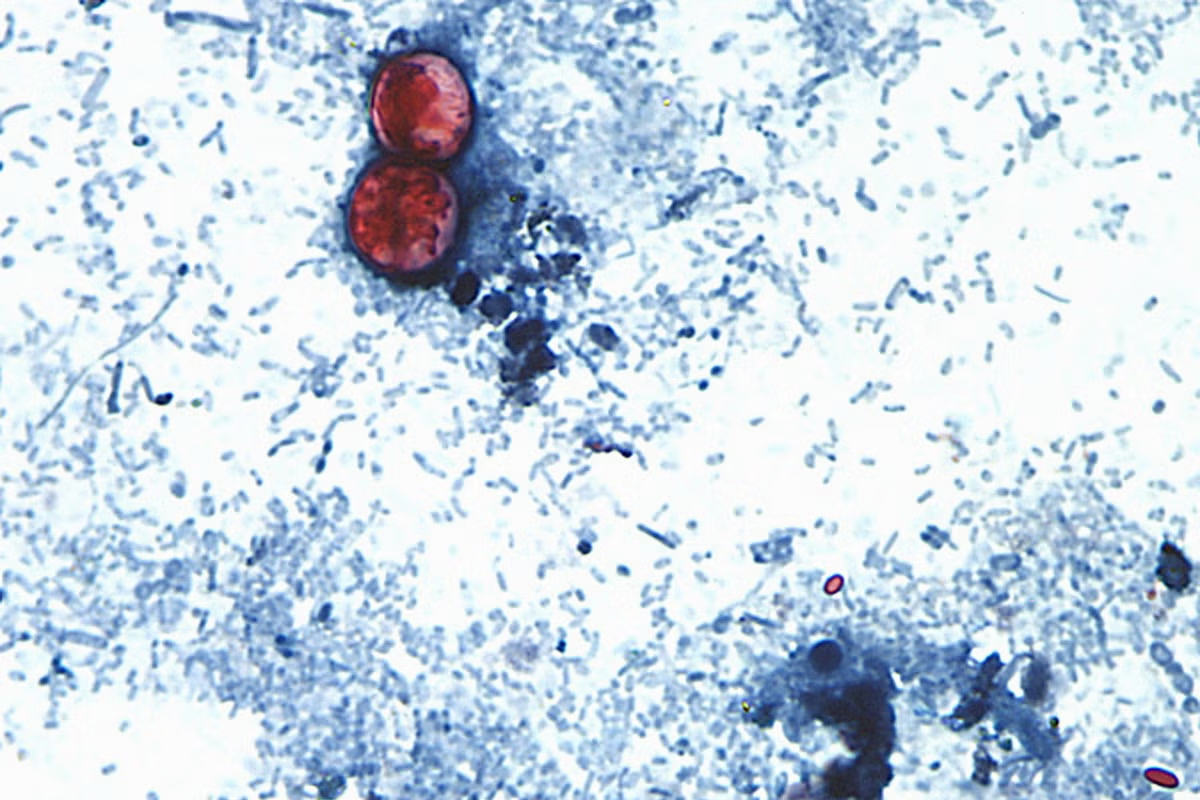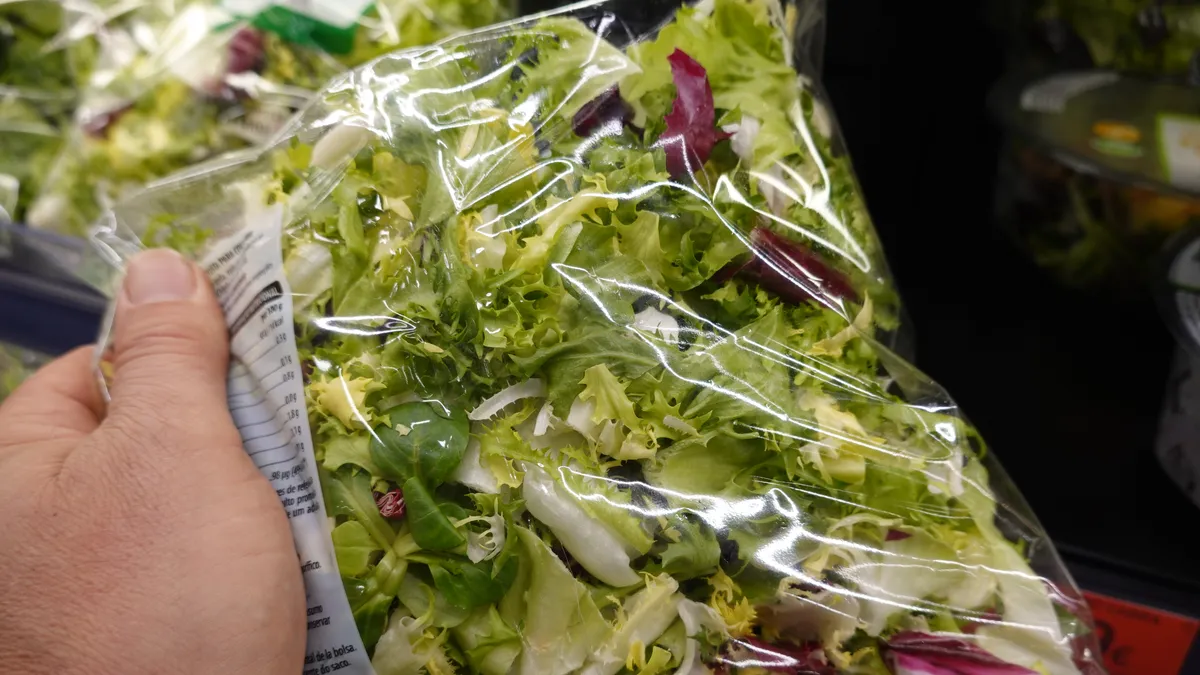
An ongoing outbreak of cyclosporiasis, a parasitic infection linked to recalled iceberg lettuce that is known to cause explosive diarrhea, has been detected in three new U.S. states since last week, according to new data from the Centers for Disease Control and Prevention (CDC).The largest recorded outbreak of the foodborne illness in U.S. history has hit 48 states plus Washington, DC, since May, resulting in thousands of illnesses. The CDC, which lags significantly behind states in reporting infections, pinpointed 17,180 laboratory-confirmed cases in its latest update on Aug. 25, adding that there are also at least 11,841 additional non-laboratory-confirmed cases.Michigan and Ohio have led the charge in reporting cyclosporiasis incidents, with Michigan's health department stating on Aug. 27 that it had 14,510 cases, including the first two deaths identified in the nationwide outbreak. Cyclosporiasis, an illness caused by the parasite Cyclospora cayetanensis, results in unpleasant gastrointestinal symptoms, often associated with food poisoning, such as diarrhea, nausea and vomiting. It is usually contracted through contaminated food or water, and it is not generally known to be deadly; however, it can cause more serious complications in people with compromised immune systems or other underlying health issues.Cyclosporiasis illnesses linked to lettuce found in more states. See mapLettuce-related illnesses were previously identified in 17 states: Illinois, Indiana, Kansas, Kentucky, Michigan, Ohio, Oklahoma, Pennsylvania, West Virginia, Missouri, Arkansas, Iowa, Nebraska, New Hampshire, North Carolina, Maine and Massachusetts.Georgia, Tennessee and Texas have now been added to the list, according to the CDC.Health officials identified the affected states by tracing the reported illnesses to the lettuce and testing sick people to determine whether their infections were related. Related infections are considered part of the same outbreak and are likely linked to the same source. Thus far, these states are the only ones the CDC has confirmed as related to one another and traced back to the lettuce.The agency's case count lags about six weeks behind state-by-state numbers because of the process required to confirm and officially report an infection back to the federal level. This means states can report new cases that are not reflected in the CDC count for weeks, and new illnesses may not be tracked until more than a month after someone sees a doctor.Lettuce-linked outbreak confirmed in three new states as cases surpass 11,000The CDC is currently investigating multiple separate clusters of the gastrointestinal illness, but only one source has been identified so far. According to the agency, it is unlikely that one common cause is behind all the outbreaks nationwide.The Food and Drug Administration (FDA) traced the largest outbreak to recalled iceberg lettuce grown by produce giant Taylor Farms in central Mexico.At least 11,458 cases were confirmed as being part of the lettuce-related outbreak as of Aug. 27, up from 9,481 on Aug. 20. Nearly 500 hospitalizations and both deaths resulting from the outbreaks were associated with the lettuce-linked illnesses, according to the agency.The source of a cyclosporiasis outbreak is harder to track than foodborne illnesses because of a long incubation period, difficulty obtaining samples and the inability to use the same genetic tracking tools available for pathogens like E. coli and listeria.Some experts have also pointed to cuts to federal food and disease monitoring programs, though Health and Human Services Secretary Robert F. Kennedy Jr. has disputed these critiques.Additional information about where the lettuce was sold has also emerged, thanks to FDA enforcement reports - and it wasn't mostly Taco Bell. The popular fast food chain made headlines as the first to be named in the investigation.Company at heart of lettuce-linked outbreak faces scrutiny Taylor Farms has also come under increased scrutiny, especially after some of its products were included in a jalapeño recall initiated by Coast Citrus Distributors in August, putting them at the center of a still-growing, multistate salmonella outbreak. In late July, California Rep. Robert Garcia, a top Democrat on the House Oversight Committee, sent a letter to the company's CEO Bruce Taylor, alleging that Taylor Farms had tried to influence or obstruct the FDA's investigation and mislead the public. The letter also pointed to the company's recent political donations, including one allegedly made to a Trump-associated super PAC. "In 2025 alone, Taylor Farms donated more than $2 million to political action committees tied to President Donald Trump and other Republicans and spent over $810 million on lobbying related to food safety regulation," it reads.Taylor Farms denied the allegations, saying in a statement shared with USA TODAY, "Taylor Farms categorically rejects any suggestion that the company has attempted or received favorable regulatory treatment as a result of political contributions or any other improper influence. These allegations are false.”The company, which has been responsible for several major recalls over the last decade, also received criticism from the FDA for a since-deleted statement in which it said the FDA "apologized" for a "false positive" when testing its iceberg lettuce products for cyclospora. The FDA issued a statement shortly after clarifying that the lab sample finding "DOES NOT change the basis for FDA’s ongoing outbreak investigation or the overwhelming epidemiological data supporting the current voluntary recall by Taylor Farms." Taylor Farms again pointed to negative sample tests in its statement, saying there were no confirmed sample results for product testing positive for cyclospora as of Aug. 13."When questions were raised about the source of the recent Cyclospora outbreak, we immediately removed all potentially implicated product from the marketplace, and out of an abundance of caution, we issued an even broader recall of all iceberg lettuce sourced from the region," the company said in a statement. "We are confident in our food and food safety systems and will continue to be transparent as more information becomes available."
Lettuce-linked parasite confirmed in 3 new states. See outbreak map
The outbreak specifically tied to recalled lettuce, so far, has grown to include three new states. See where, updated map of all affected states.
948 words~4 min read