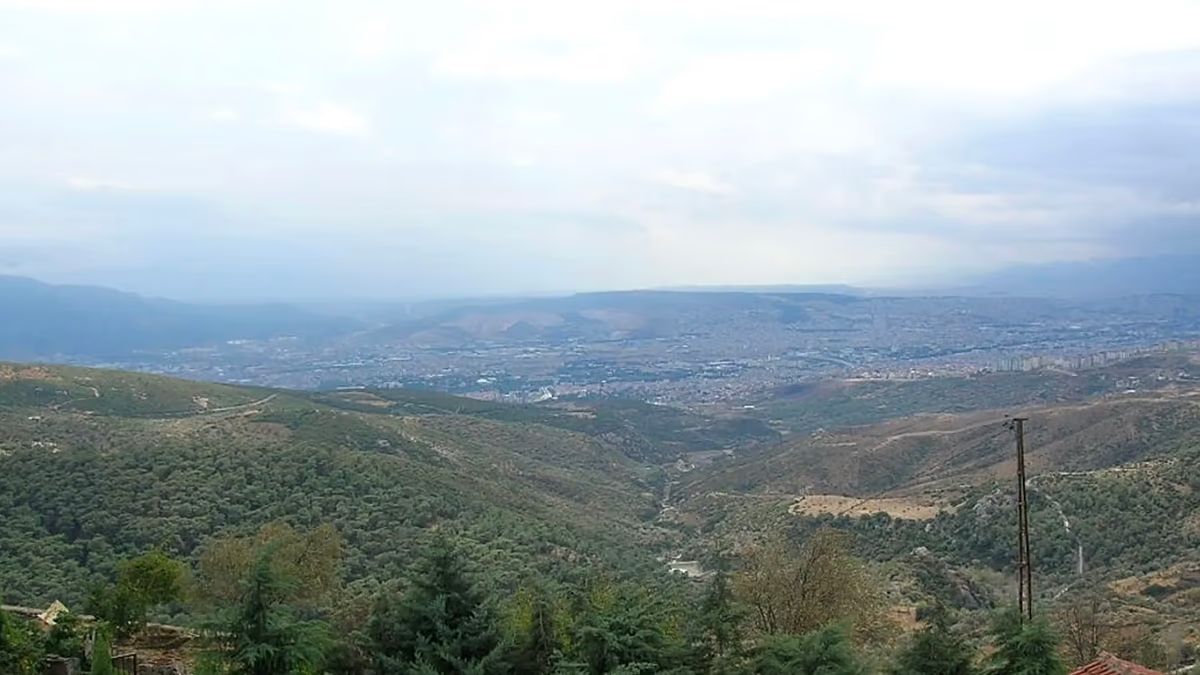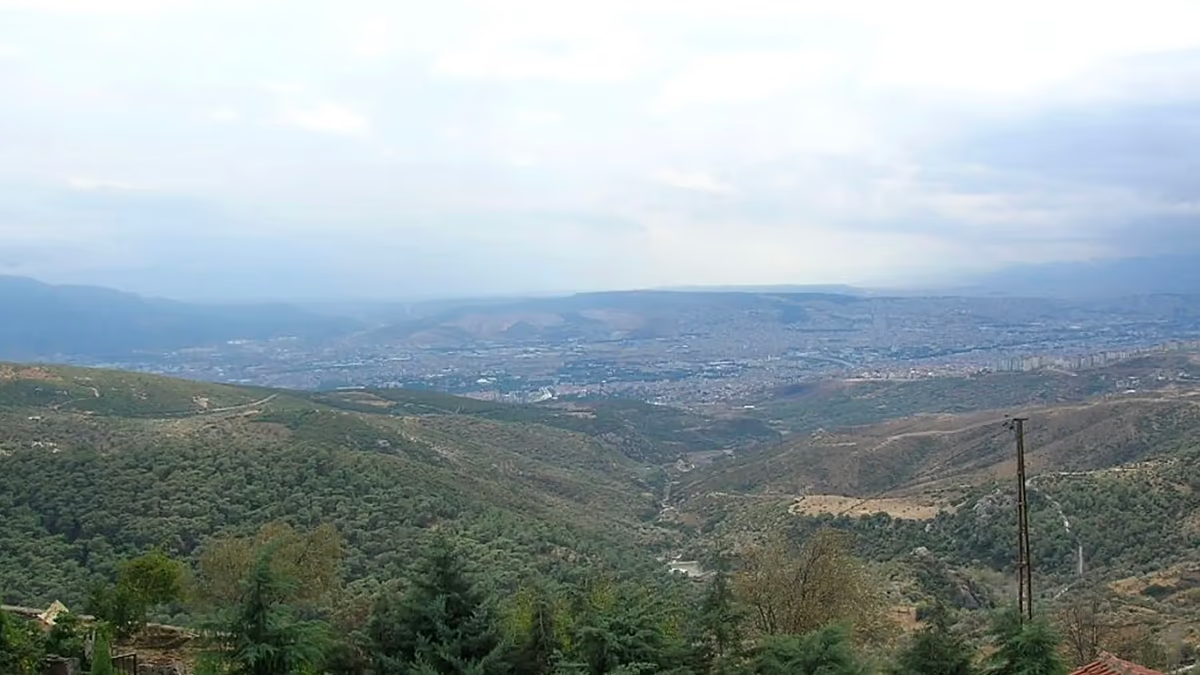
Nestled along the olive-strewn hillsides outside Izmir, a moisture-dampened cave in the Bornova Valley has long held a sacred place in local lore.
Generations of residents have passed down the belief that it was inside this very cavern that the ancient poet Homer sat down to compose "The Odyssey".
As Christopher Nolan’s film adaptation The Odyssey has become one of this year's biggest hits both critically and at the global box office, a global frenzy has reignited an age-old literary mystery: Where was literature’s seminal text actually written?
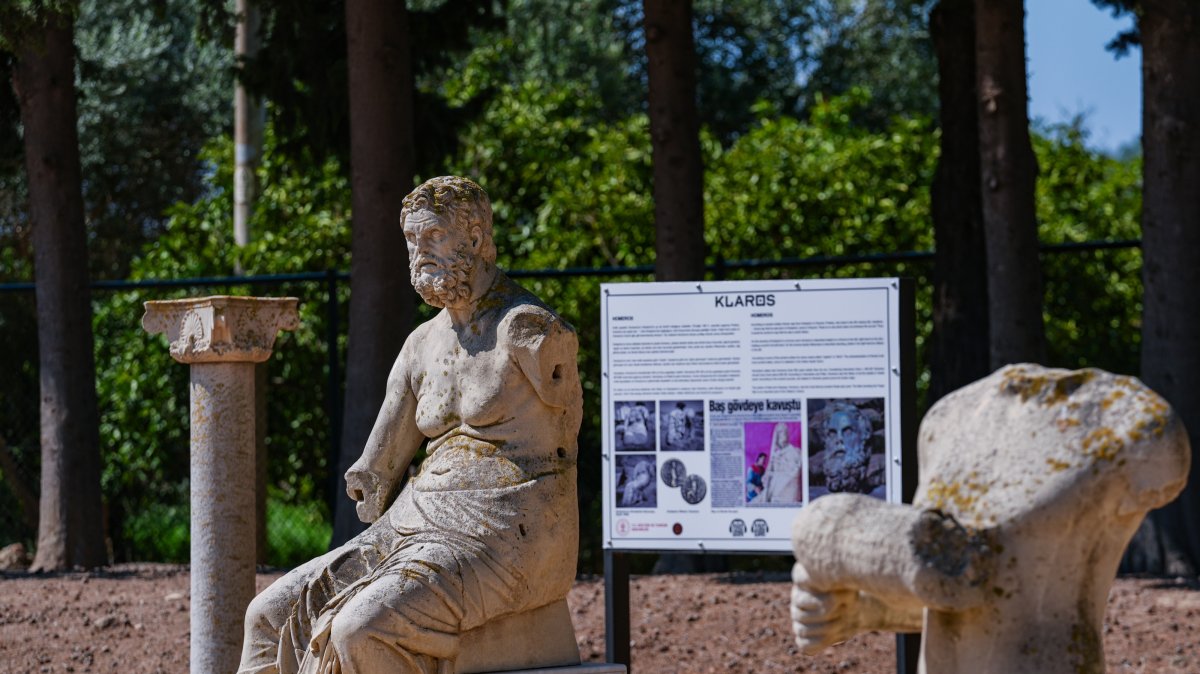
For Turkish archaeologist Prof. Aylin Ümit Erdem, an expert at Ege University, the cinematic craze offers a vital opportunity to re-examine the historical, linguistic, and physical realities connecting Homer to ancient Smyrna, modern-day İzmir.
"When we evaluate Homer, we are dealing with the accepted author of the Iliad and the Odyssey," Prof. Erdem said in an exclusive interview with Euronews. "Scholars have long debated how an 8th-century BC poet could depict the Trojan War - an event that occurred 400 years earlier - with such vivid detail and tragic depth. Some credit a 400-year continuous oral tradition, while others view the epics as a compilation of stories by various bards."