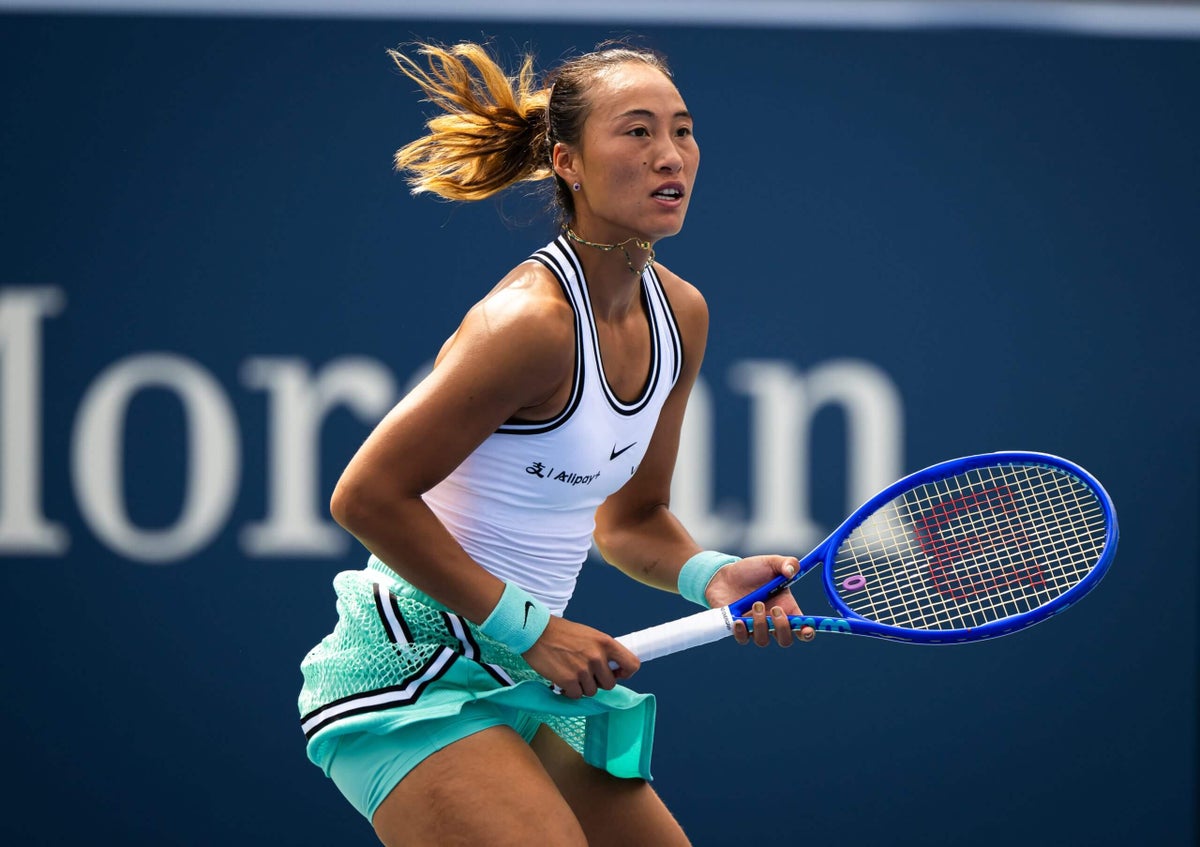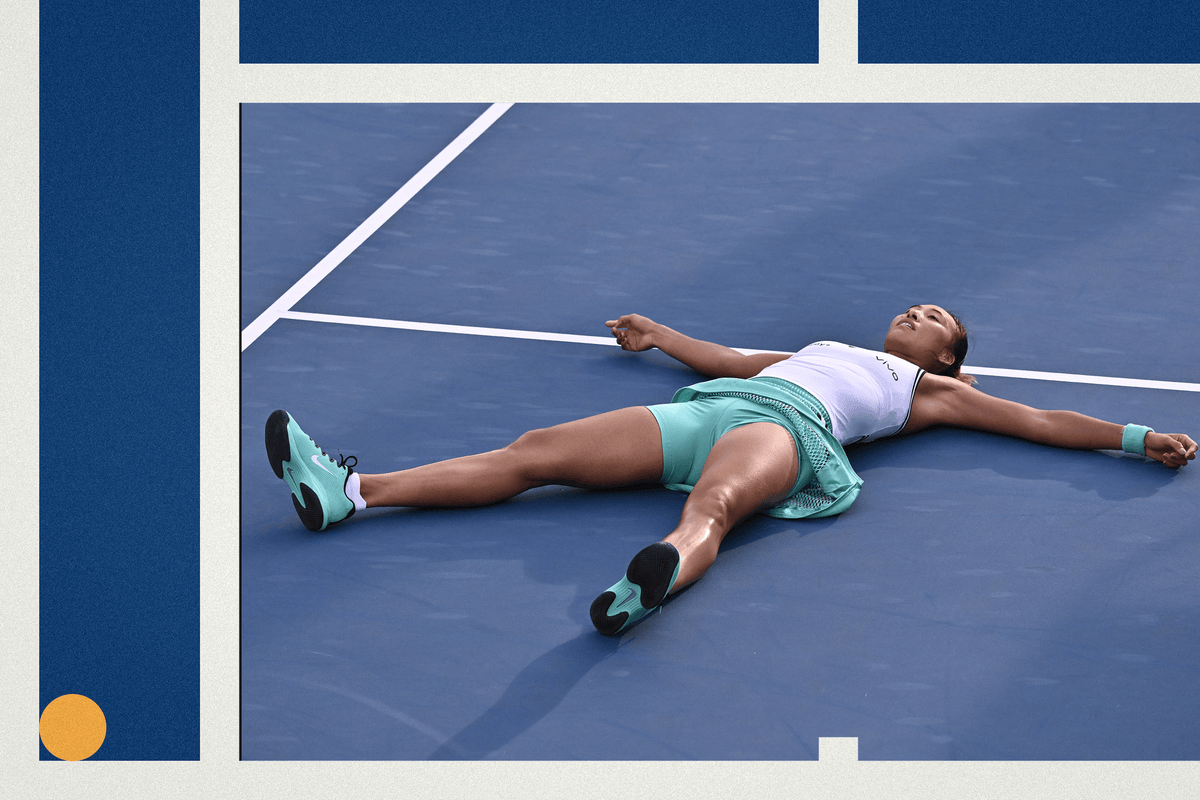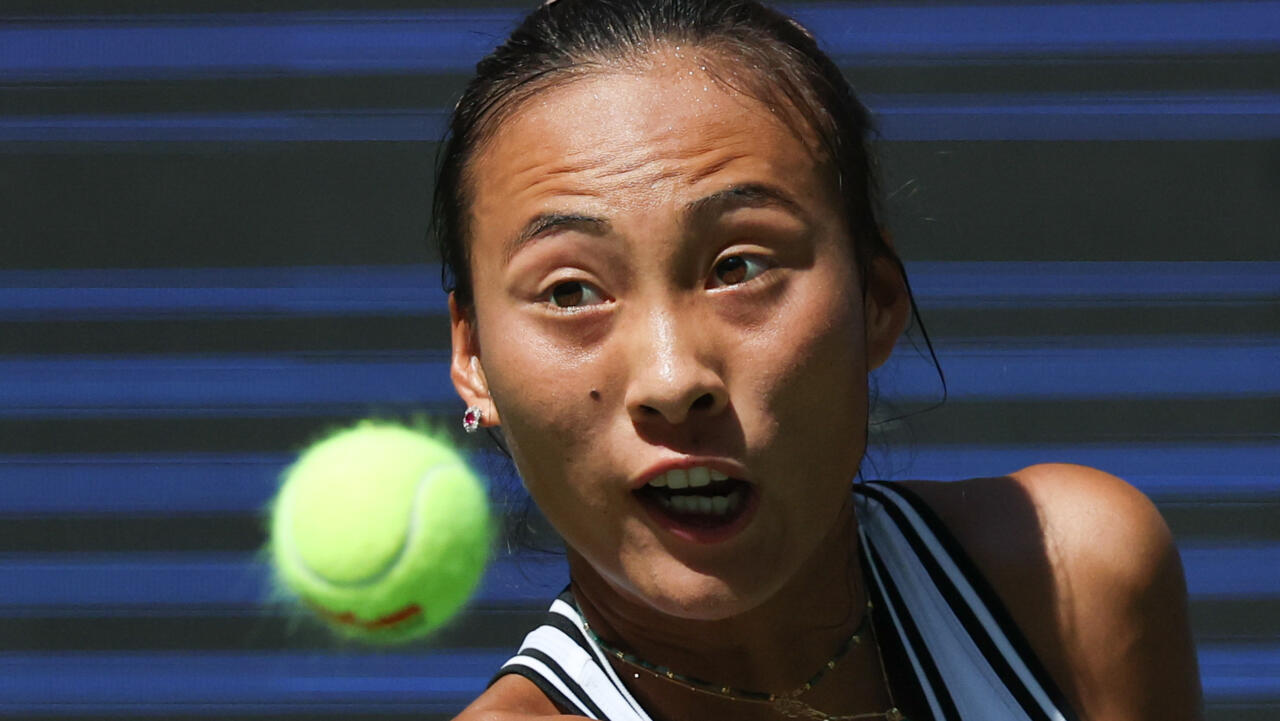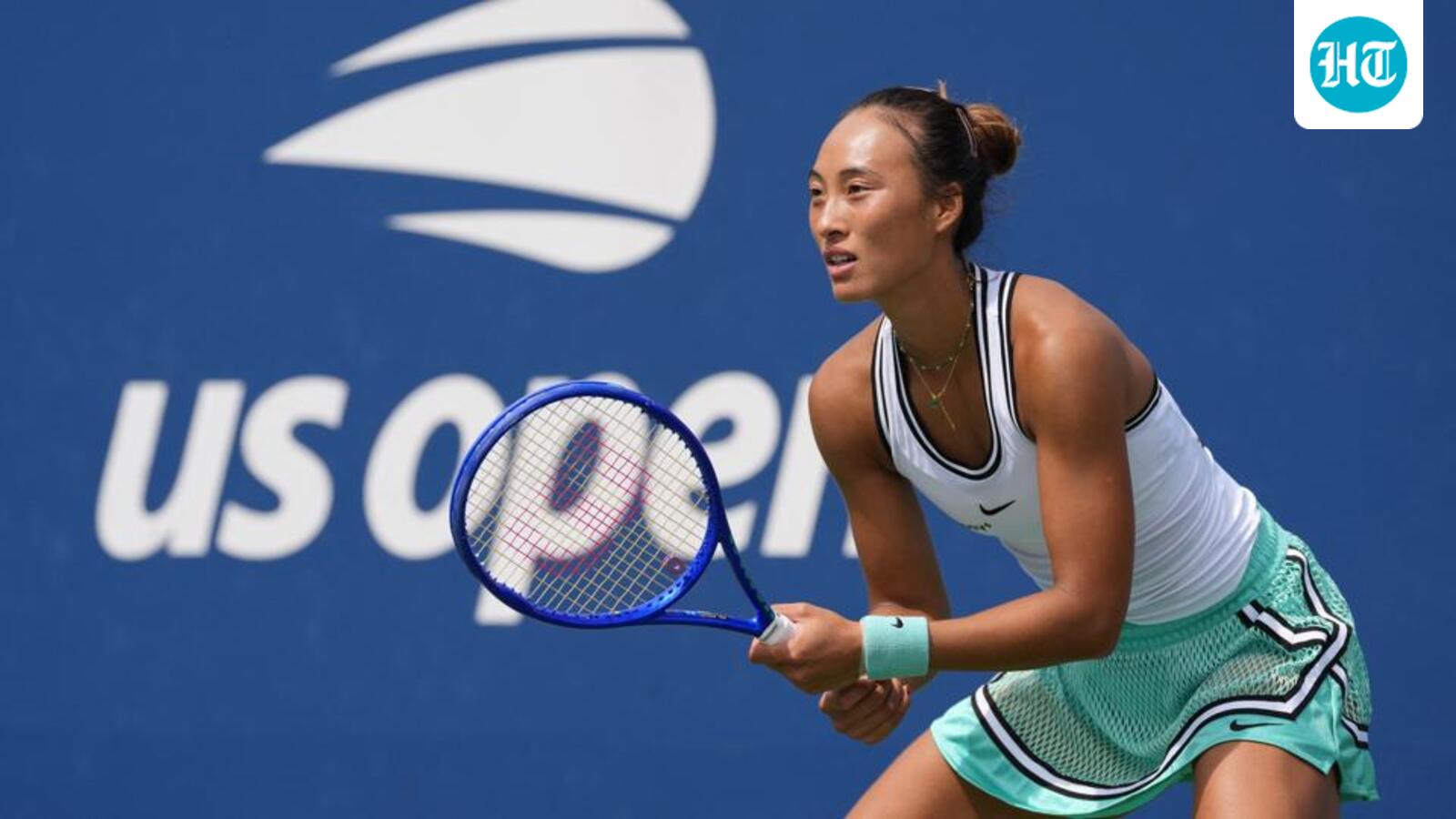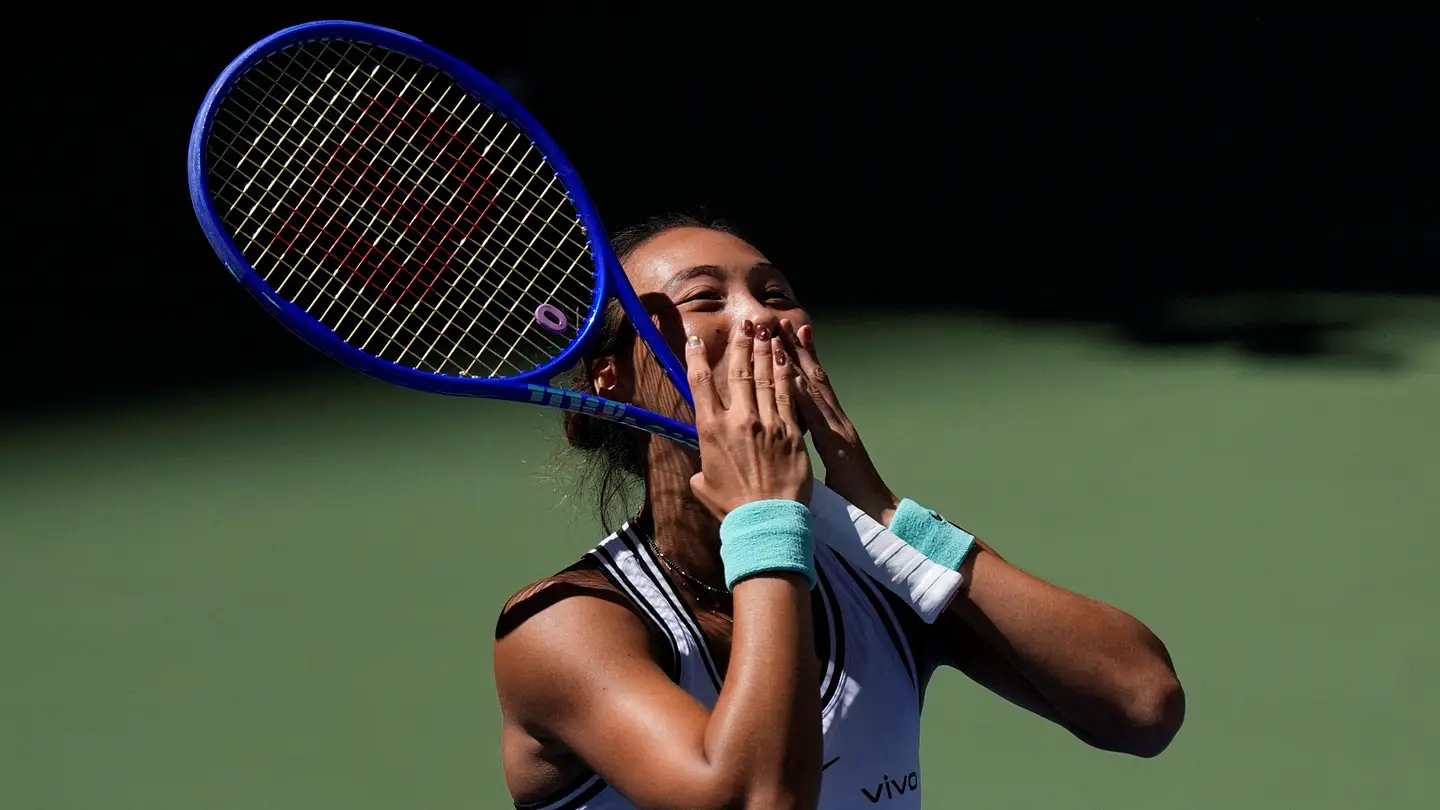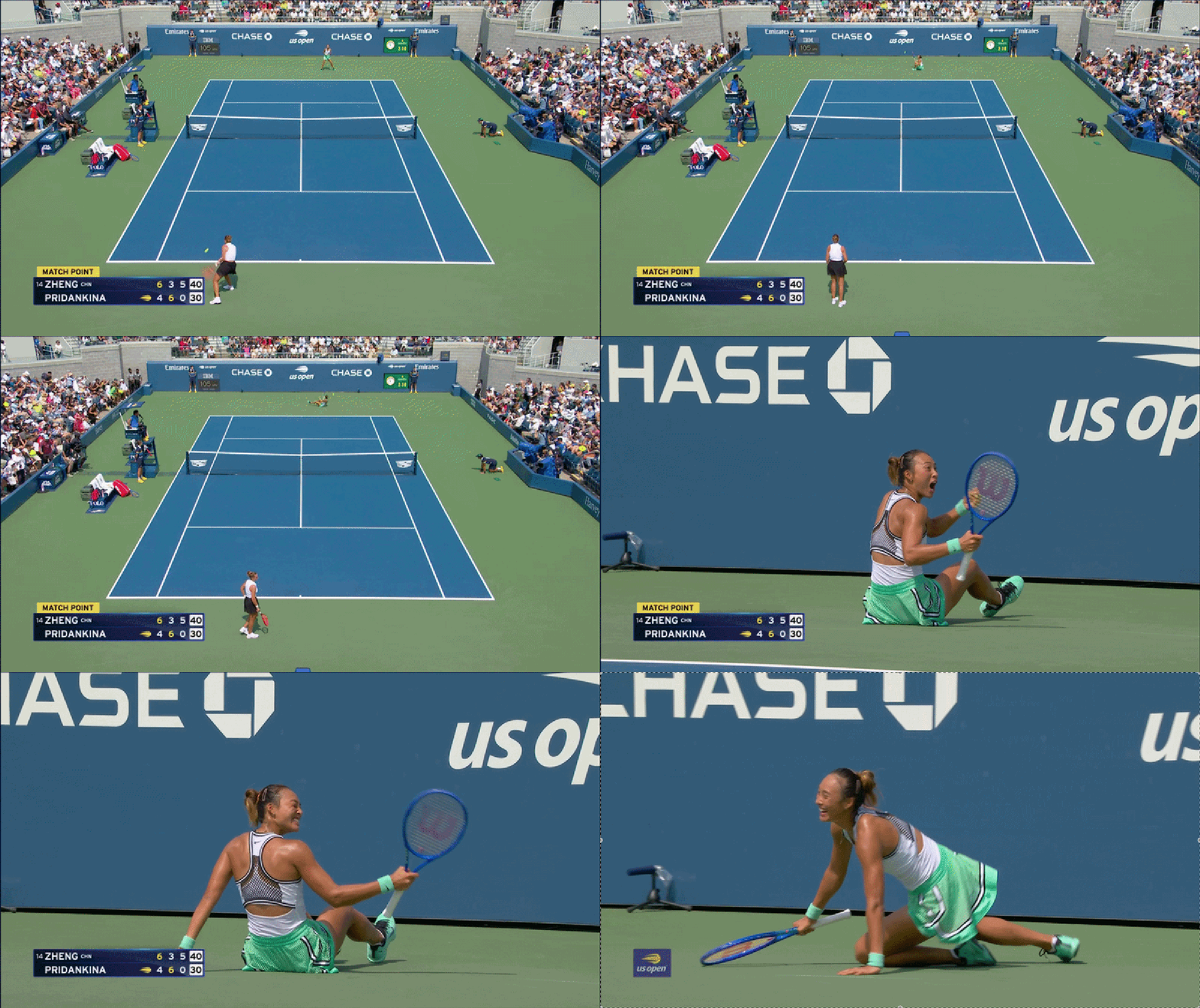
NEW YORK — A little after midday Friday, Zheng Qinwen, who has felt the weight of an Olympic gold medal around her neck and a Grand Slam final on her shoulders, collapsed on the green acrylic of Stadium 17 at the U.S. Open and roared with delight.In a match held over from Thursday’s thunderstorms at Flushing Meadows, the 2024 Paris Olympic champion defeated Russia’s Elena Pridankina 6-4, 3-6, 6-0. The win, her third of the week, sent Zheng into the main draw of the year’s fourth Grand Slam.That’s territory Zheng, the 23-year-old from China, seemed able to take for granted in the afterglow of her Olympic glory, which followed a run to the 2024 Australian Open final. Then came a persistent right elbow injury. Surgery. Rehab. Comebacks that turned right back into layoffs. A tumble down the rankings to world No. 121. Early-round defeats that left her struggling to see how she would find her way back.In New York, it all came out.How do tennis rankings work?Ava Wallace and Lia GriffinScenes of joy, despair, triumph and disaster played out across the Billie Jean King National Tennis Center on the final day of a part of the tournament that occupies a curious place in its wider context. Qualifying is the backbone of what the U.S. Open has labeled “Fan Week.” It’s free to attend. It’s a fun and accessible way to see elite tennis, especially in a year with surging resale ticket prices for the main event.It can also be the difference between sporting and financial survival for its competitors, a mixture of up-and-coming talents, players living in the lower echelons of the sport, and boldface names who, through injury, loss of form, burnout, or just about anything that can get in the way, are trying to find their form and themselves again.A loss in the first round of qualifying earns $32,000 — far from enough to navigate a year on the circuit. Elimination in the third round earns $66,000. But a berth in the first round of the main draw? That earns $140,000. So, across Thursday and Friday, the winner of each mini-bracket into the main event earns more than double the losers. That’s a whole lot of pressure. In qualifying, the emotions of tennis might be more keenly felt than even a Grand Slam final.
At U.S. Open qualifying, the emotions of tennis spill over as players teeter on the edge
From ecstasy to devastation to disbelief, the high stakes of qualifying create a cauldron of the emotions that define the sport.
1,013 words~5 min read