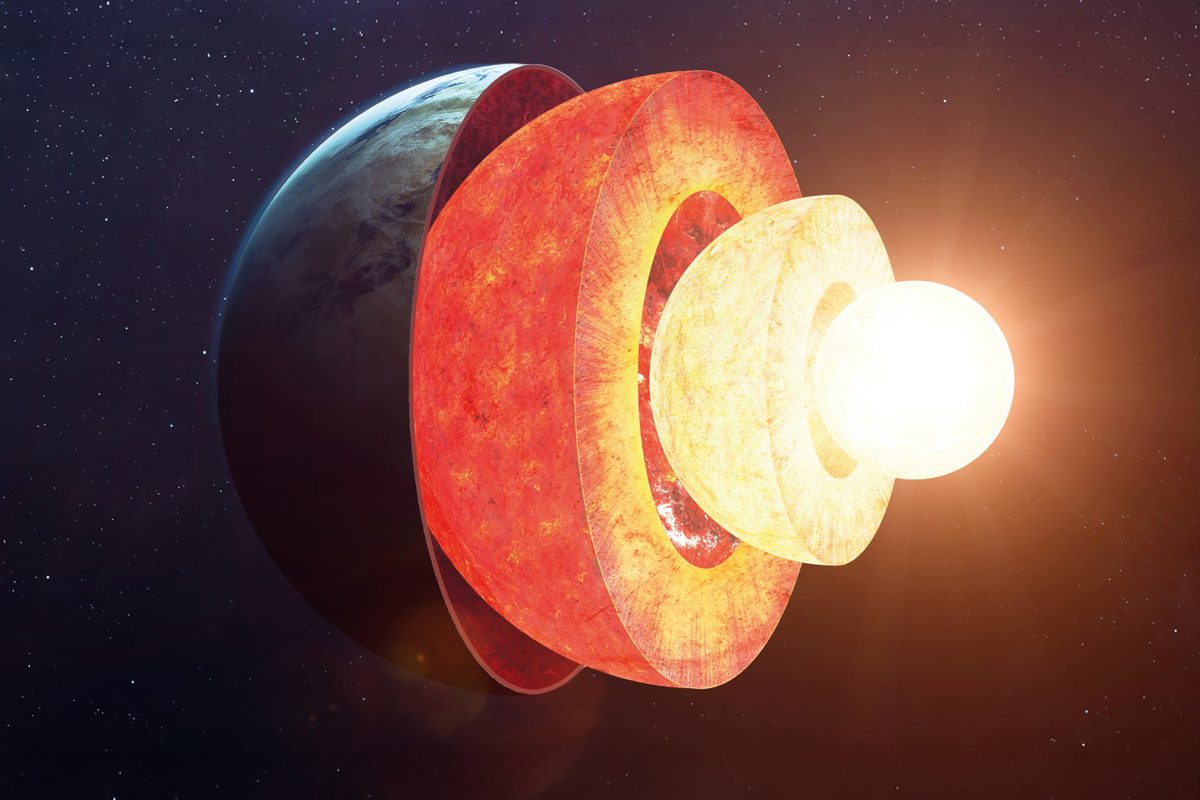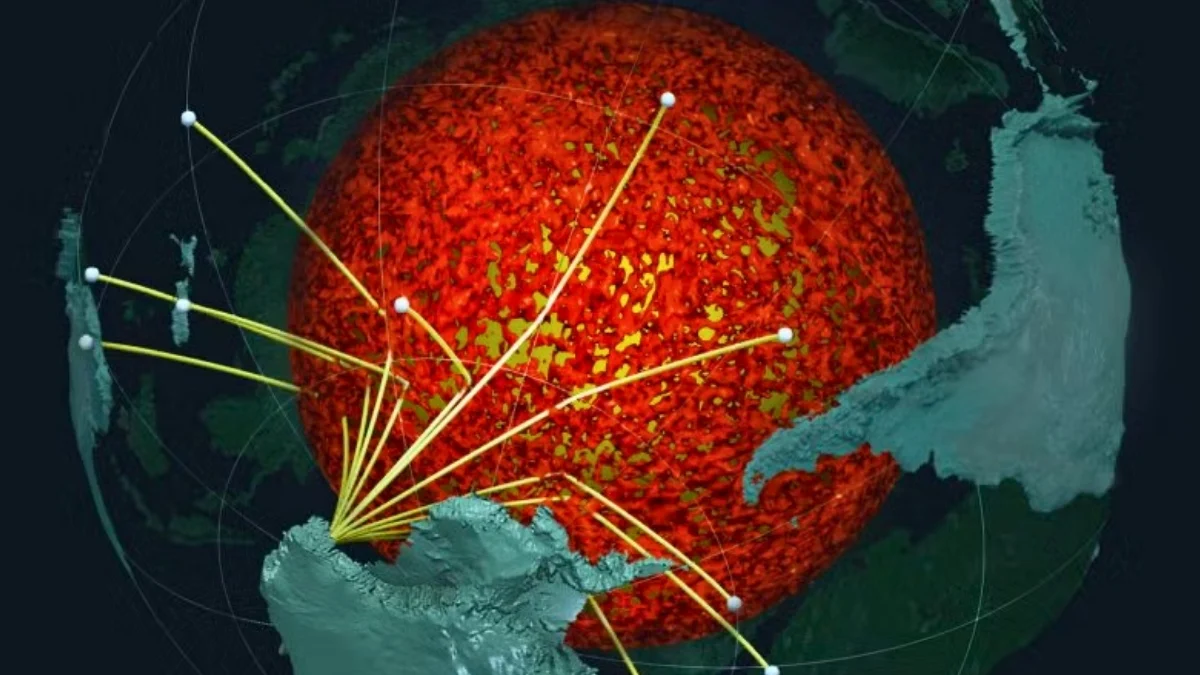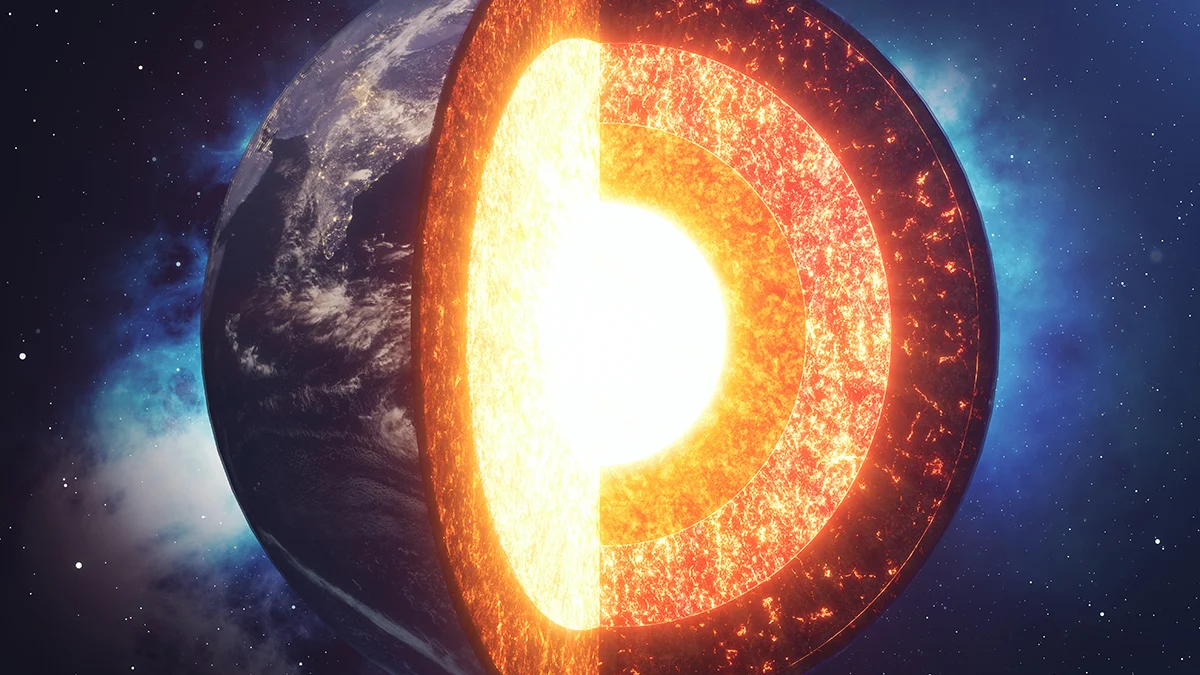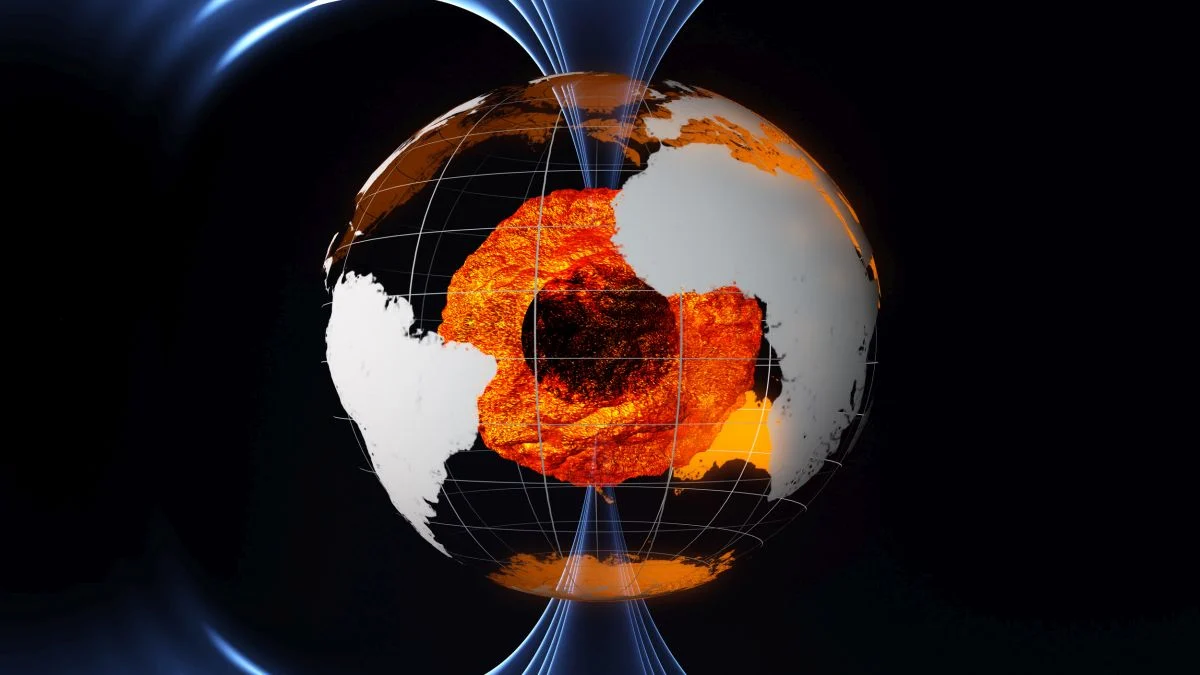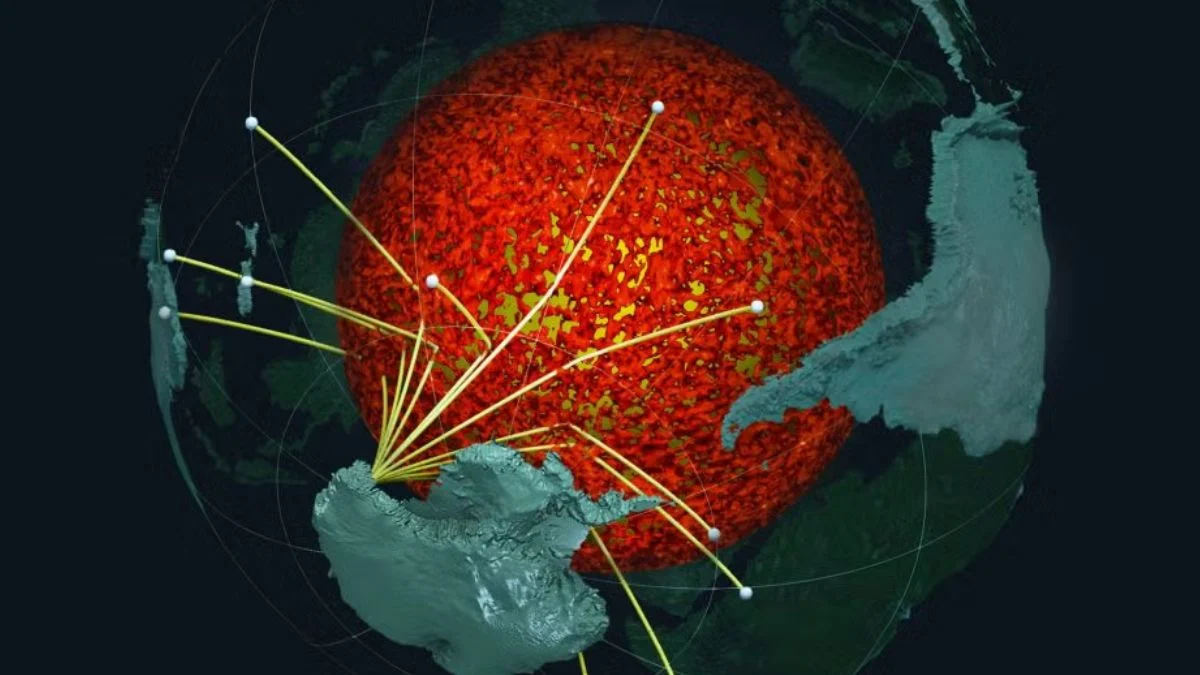
It's a bit dizzying if you think about it: We're hurtling through space on a rock that both spins on its axis and rotates around the Sun. And about 2,900 kilometers (1,800 miles) beneath your feet, Earth's solid-but-viscous mantle gives way to the planet's liquid outer core. As those layers slowly smoosh about, driven by heat, their movement slides, pushes, and deforms Earth's crust, the thin layer we live on above.Incredibly enough, that dynamic movement is part of why this planet is a great place for a wide variety of life. But that movement is also a danger, especially to us humans and our concrete cities. So understanding how Earth's innards move isn't just scientific curiosity; it also helps keep us safer from earthquakes and other natural disasters.However, those same earthquakes are also a useful tool for geologists, who use data on Earth's inner rumblings to map our planet's insides far deeper than drills could ever go. In a new study, published in the Journal of Geophysical Research: Solid Earth, researchers at the Chinese Academy of Sciences have used a machine learning program to sift through more than 2 million earthquake recordings collected over three and a half decades.They uncovered nearly 175,000 faint seismic signals that reveal unexpected, small-scale structures near the boundary between Earth's mantle and core."We also discovered six areas that likely host significant heterogeneities that had never been documented before, providing clear priority targets for future exploration of Earth's deep interior," the researchers write in their paper.The result is a comprehensive global map of these deep structures – which reveals that some of the strange features scientists have detected at the bottom of the mantle may be much more extensive than previously thought.
Six Never-Before-Seen Mystery Structures Found Lurking Deep Inside The Earth
It's a bit dizzying if you think about it: We're hurtling through space on a rock that both spins on its axis and rotates around the Sun.
1,046 words~5 min read