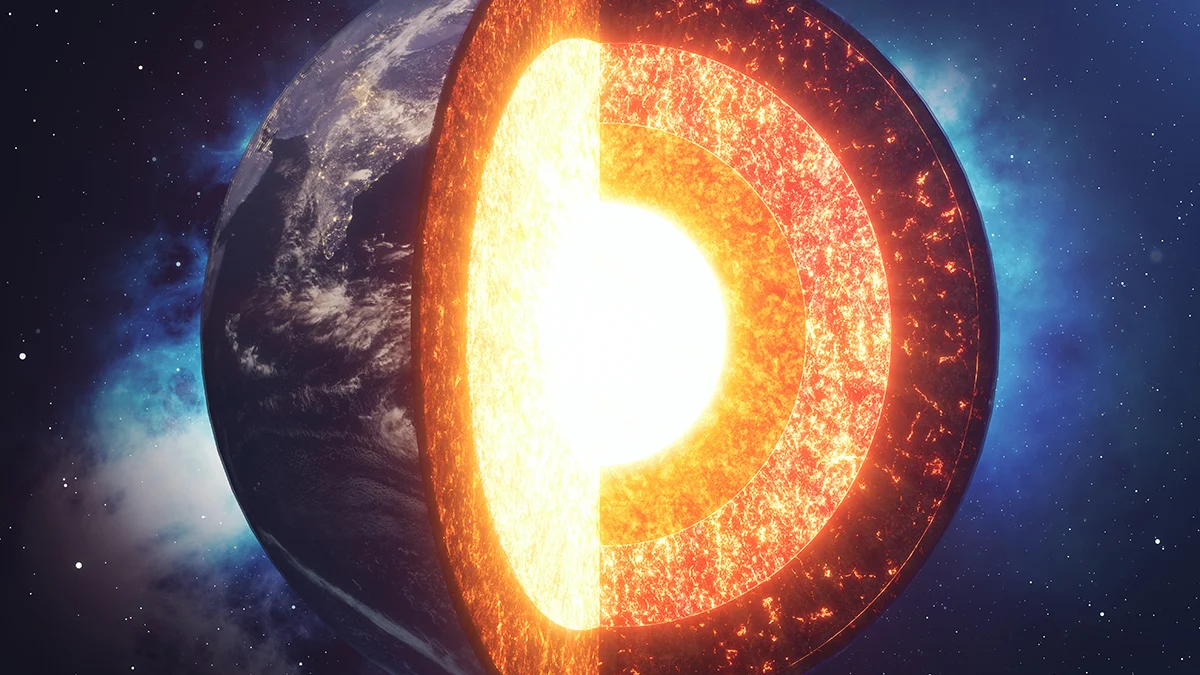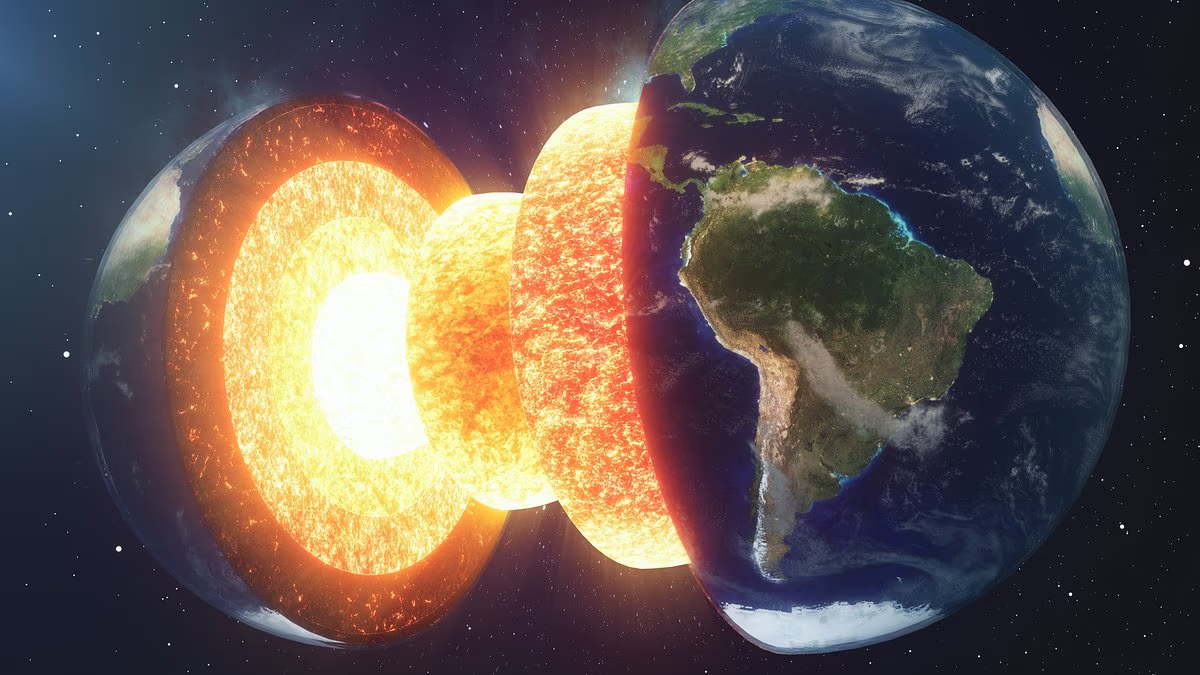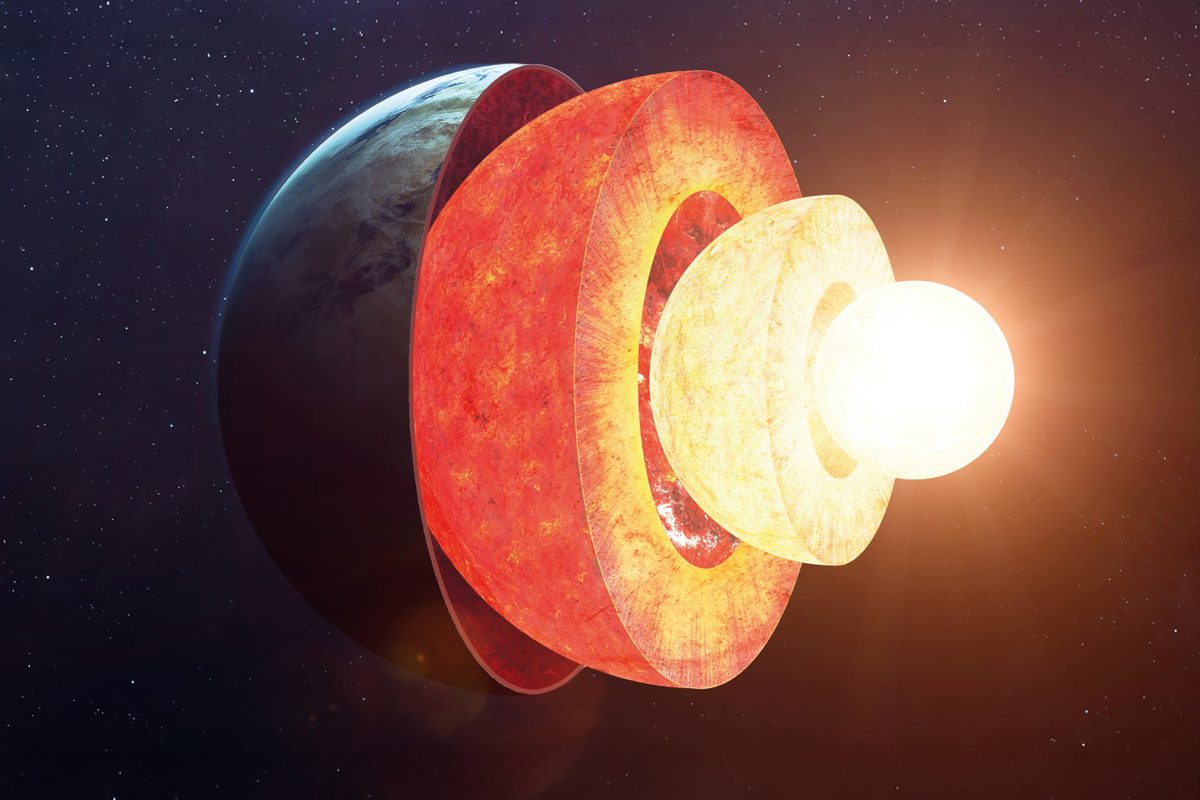
When we learn about Earth's core at school, it looks like a calm sphere. One that's smooth, unperturbed and as round as a ping-pong ball. It sits cosily at the bottom of several layers that encase one another like a set of nesting dolls.
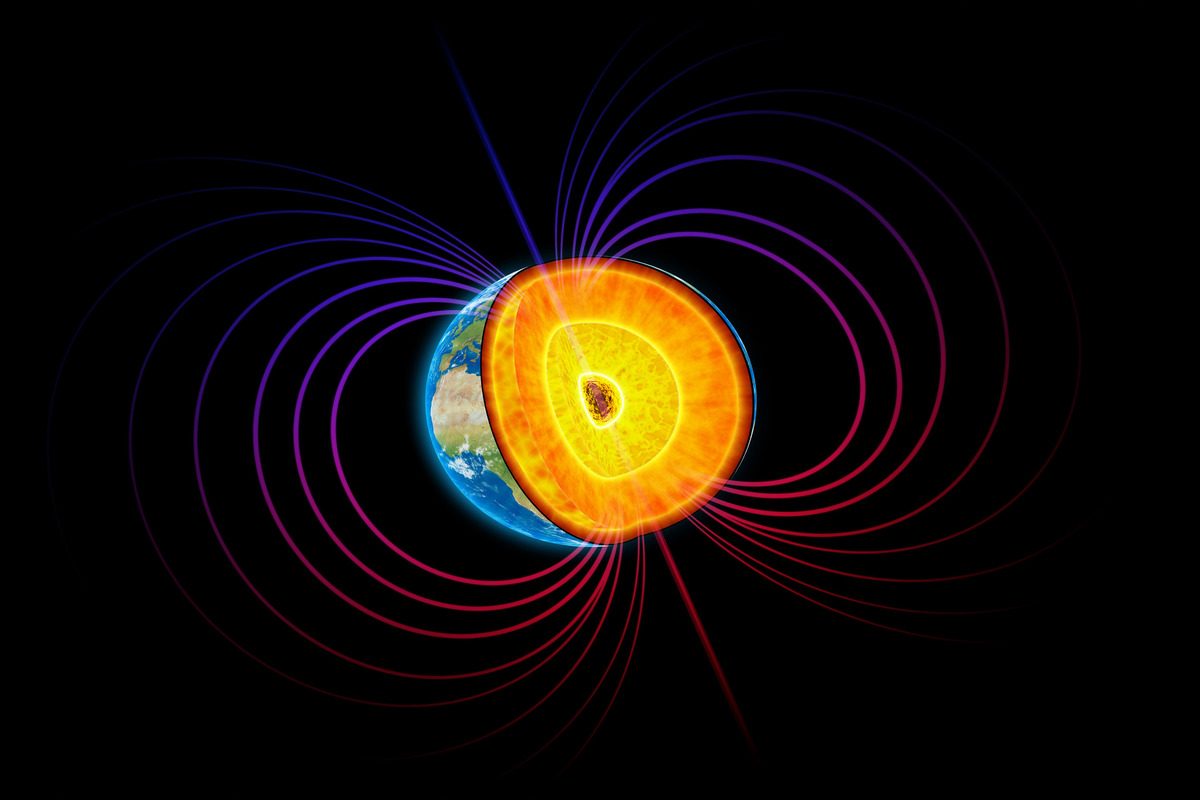
Of course, we’ve long known that the real picture is a lot more complicated than that. Earth’s iron-rich core generates a magnetic field that’s so strong it projects outwards beyond the planet’s surface and into space. There it reacts with the Sun’s solar winds to reveal what we call the magnetosphere.
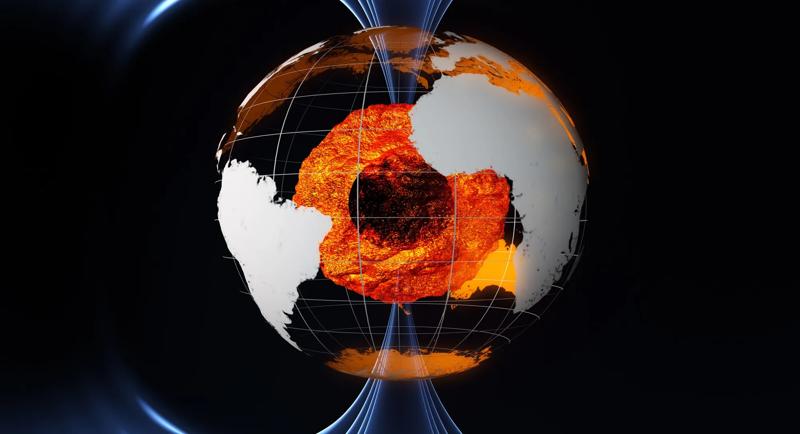
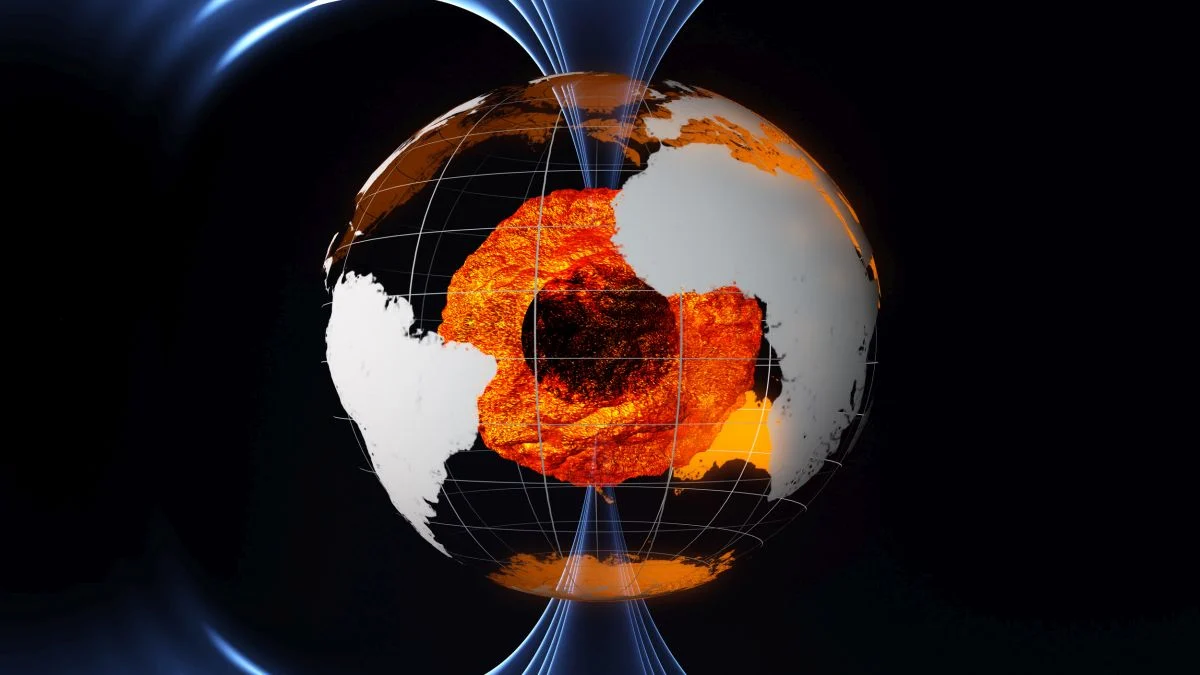
Our observations of this projection of Earth’s core tell us that it’s constantly moving and nothing like a glowing ping-pong ball.
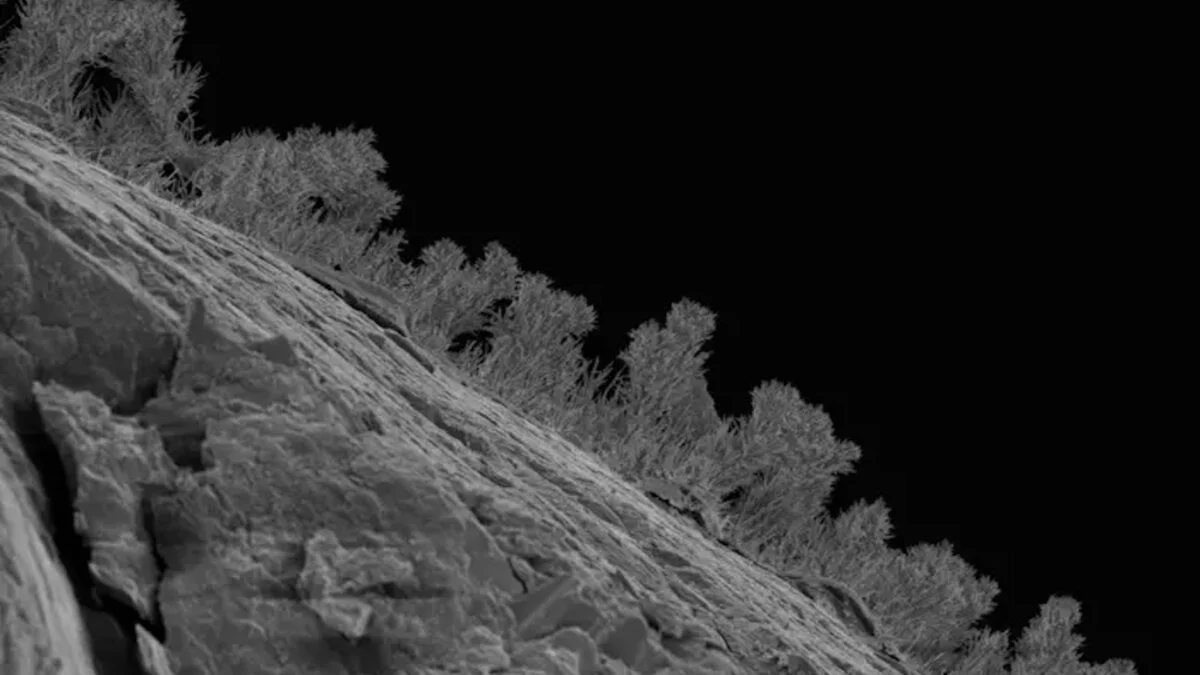
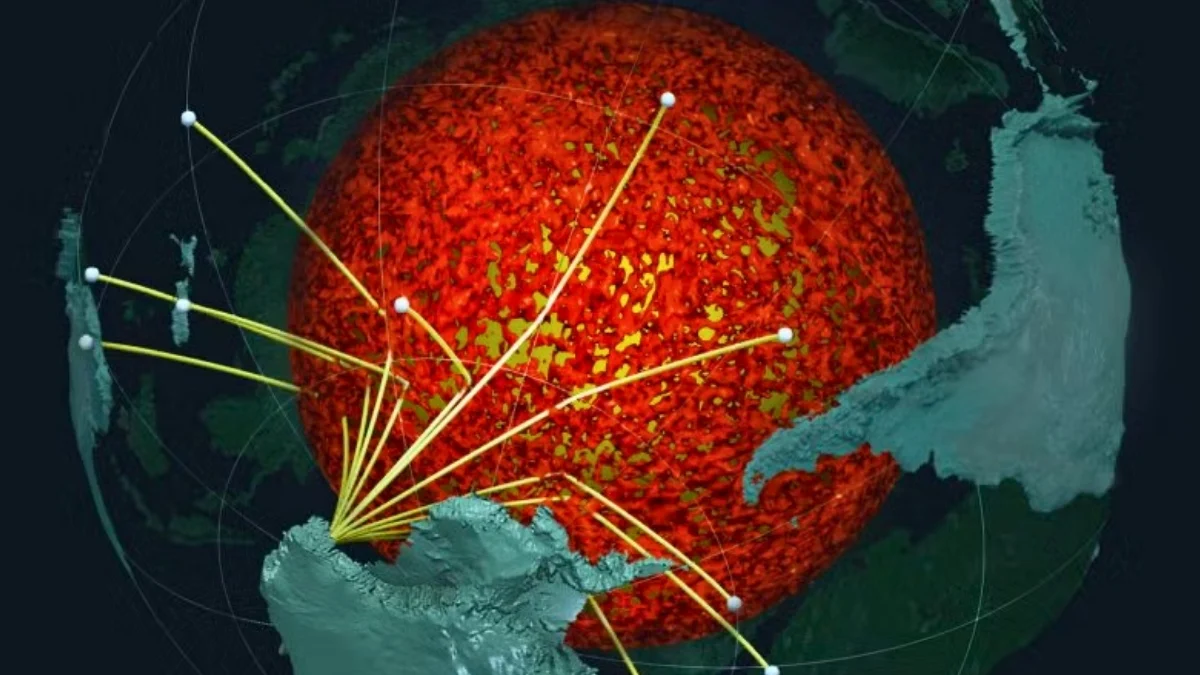
In fact, recent studies of seismic waves travelling through Earth’s layers paint a picture of the core’s edges so dramatic that it rivals the topology of the surface.
Indeed, the core seems to have its own landscape, with mountains, valleys, landslides and perhaps even volcanoes changing the core’s surface as we map it.