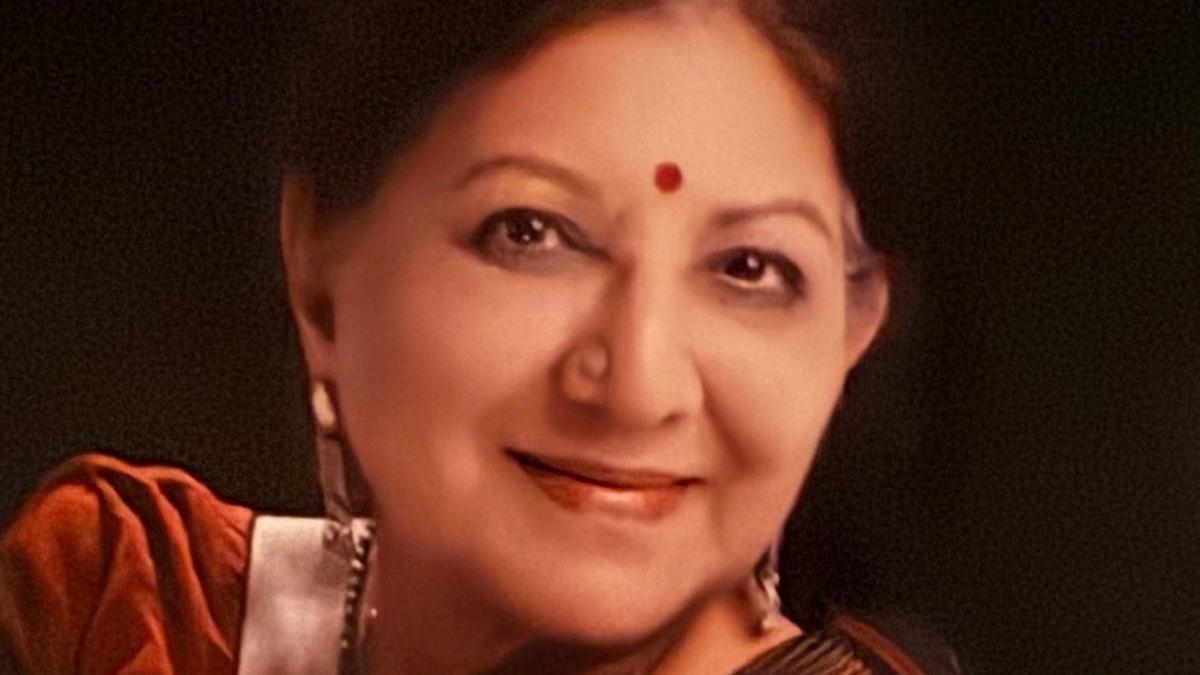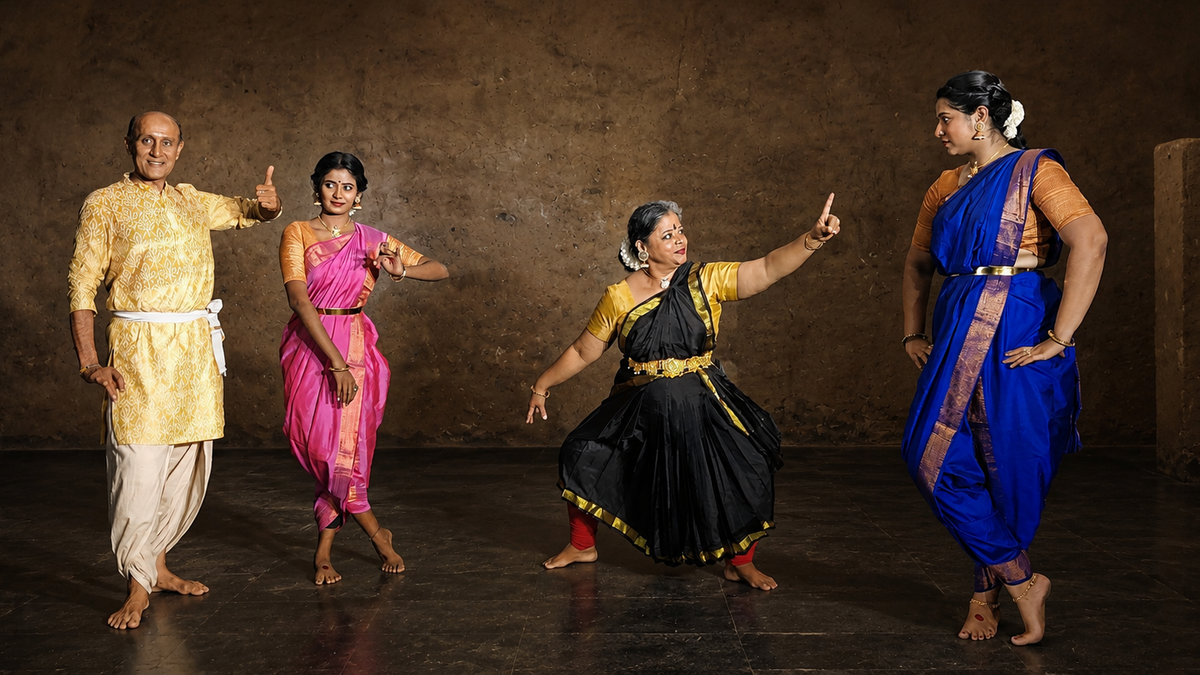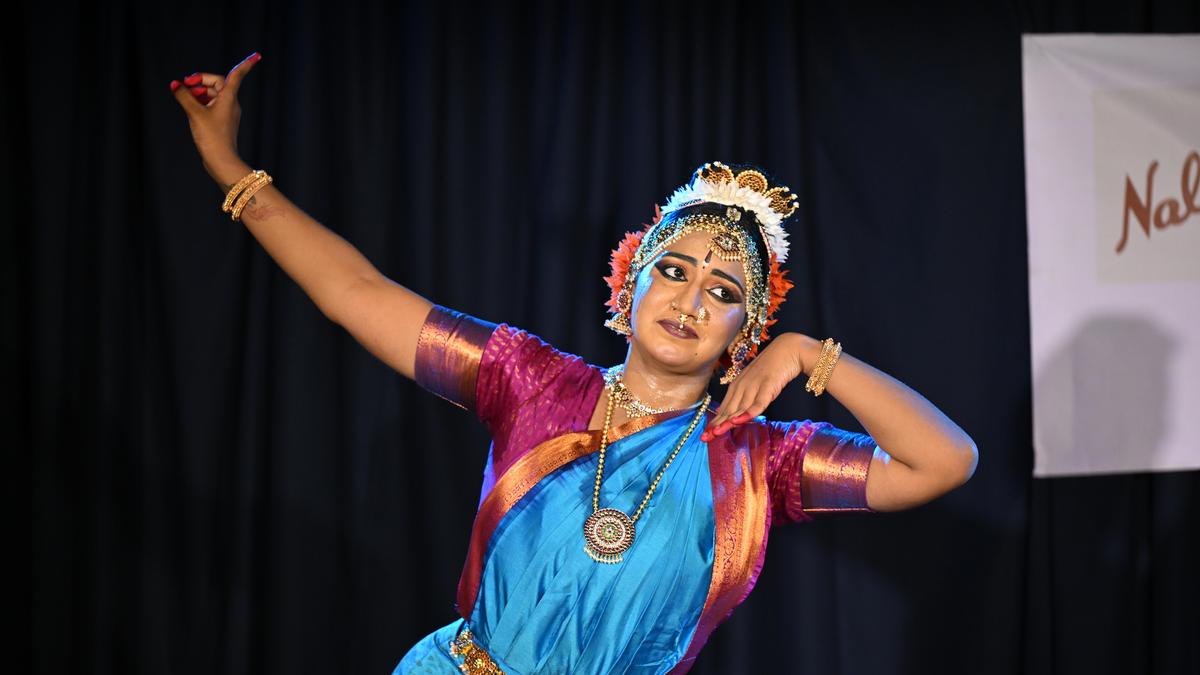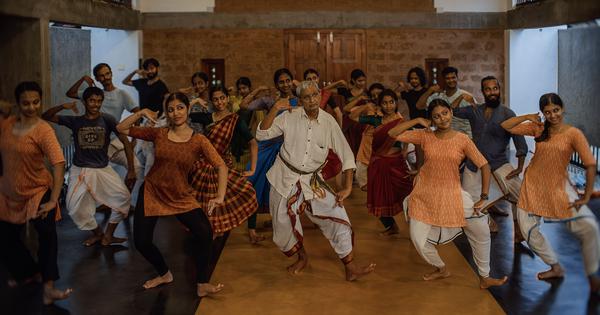
Master Rattiah reserves his sharpest rebuke for dance that chooses spectacle over rigour. “Decoration,” he said, with scathing contempt. At 85, he has earned the right to be exacting. Pasumarthi Rattiah Sarma – Master Rattiah to generations of dancers – is among the few remaining masters of the nearly extinct Yakshagana form of Kuchipudi that is a complex alloy of theatre, dance, music and poetics.For Rattiah, Kuchipudi is not merely movement: the dancer must sing, recite poetry, deliver dialogue and inhabit a character. The form he learnt as a young man demanded all of this, as well as the stamina for punishing footwork and the control to make all that effort invisible.“I want controlled energy like a spring, not force,” he said. “The face and body should at all times show lalityam (grace), no matter how much effort you put in. Remember that the landscape of Kuchipudi dance is never flat.”This month, in recognition of his mastery, Rattiah was awarded the fellowship of the Sangeet Natak Akademi. It is an acknowledgement of a tradition that has changed dramatically in his lifetime. The Kuchipudi that made its way from the eponymous village in coastal Andhra to metropolitan stages across India has become, for the most part, a solo dance tradition.Credit: Santu Brahma.Until Kuchipudi encountered the emerging political and cultural realities of the early 20th century, it was an ensemble, operatic dance-theatre tradition that travelled through the interiors of the Godavari districts, performing epic nritya natakams (dance dramas) in Telugu, based largely on mythologies such as Bhamakalapam, Usha Parinayam and Prahalada Natakam. It was an upper-caste, all-male domain, inherited by Brahmins of the Bhagavatulu clans, all of them trained to sing, dance, recite poetry and enact roles.Kuchipudi has since crossed those gender and caste barriers. But in becoming more accessible and democratic, more urban and more widely performed, it has changed too, losing the vivacious theatricality and musicality that once defined it. What remains of the old tradition are daruvus (choreographed songs) excerpted from the plays and presented as standalone items. Once, the drama dominated. Now, the dance does.It is this older Kuchipudi that Rattiah is trying to keep alive.Kuchipudi village lies a little over an hour from Vijayawada, close to the shiny new capital being built for Andhra Pradesh. But little of that urbanising frenzy has rubbed off on the village in the Krishna delta. Its principal claim to fame still is that it is home to an enclave of Bhagavatulus, who settled here in the 17th century on land granted by Abul Hassan Qutub ‘Tana’ Shah, the patron king.Just off the village bazaar, euphemistically named Centre, a bylane veers towards the Bala Tripura Sundari temple. A low house sits in this lane, its large courtyard marked by a guava tree. This is Rattiah’s home and school. It is here that he teaches the old form of Kuchipudi to a small but dedicated band of young students, led by his senior-most disciple, Kerala-based dancer Sreelakshmy Goverdhanan.
Kuchipudi has lost its theatrical soul. An 85-year-old guru is trying to bring it back
In Kuchipudi’s birthplace, Master Rattiah is passing on an old tradition that asks dancers to sing, recite poetry, deliver dialogue and inhabit characters.
2,280 words~10 min read