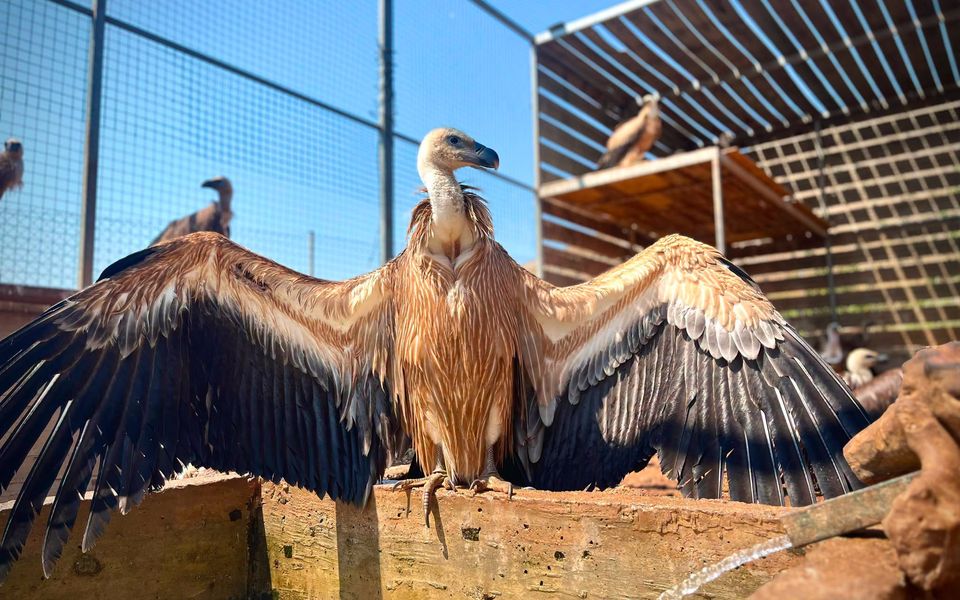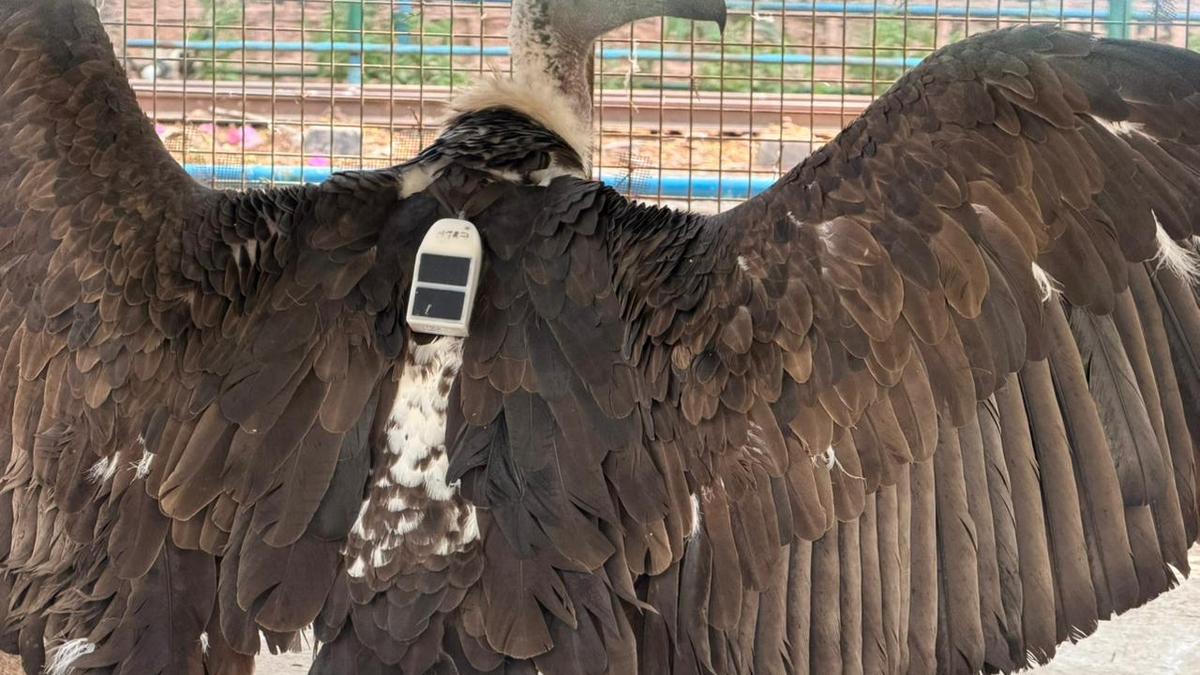
A Eurasian Griffon spreads its wings. August 29, 2026
| Photo Credit: The Hindu
Poisoning, veterinary non-steroidal anti-inflammatory drugs (NSAIDs), food scarcity, and habitat loss remain survival challenges for vultures in India.A decade-old study, published in the latest issue of the Journal of Threatened Taxa, suggests that moving a livestock carcass dump 2.4 km away near Uttarakhand’s Dehradun may have saved these large scavengers from another existential threat—electrocution.The authors of the study are Javed Anver, Yash Vardhan Singh Sengar, Bikash Ghimire, Vonchano Ngullie, Hemam Rama Nanda, Tashi P. Dorji, Ankit Sharma, Akshay Jain, Sas Biswas, Arun Kumar, and M. Muzahed.Vultures are among the most threatened birds globally, having undergone severe population declines across Asia and Africa due to multiple anthropogenic pressures. According to the study, electrocution from power infrastructure has been the most underreported threat.The study documented electrocution mortality of vultures in the Sudhauwala region of Dehradun, based on 34 surveys conducted between May 2011 and February 2014. The study recorded 743 individual vultures belonging to five species.
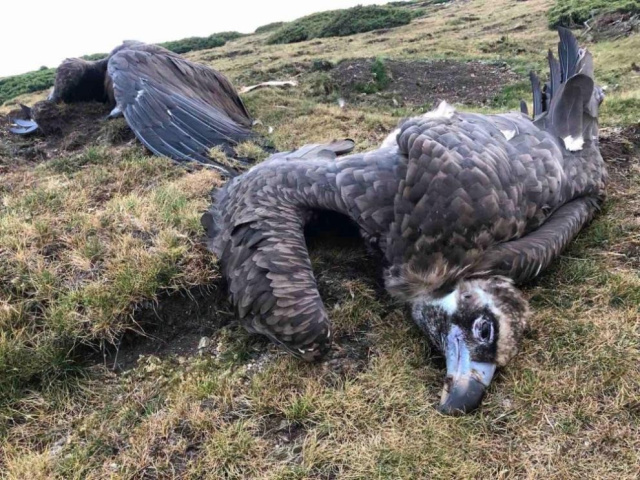
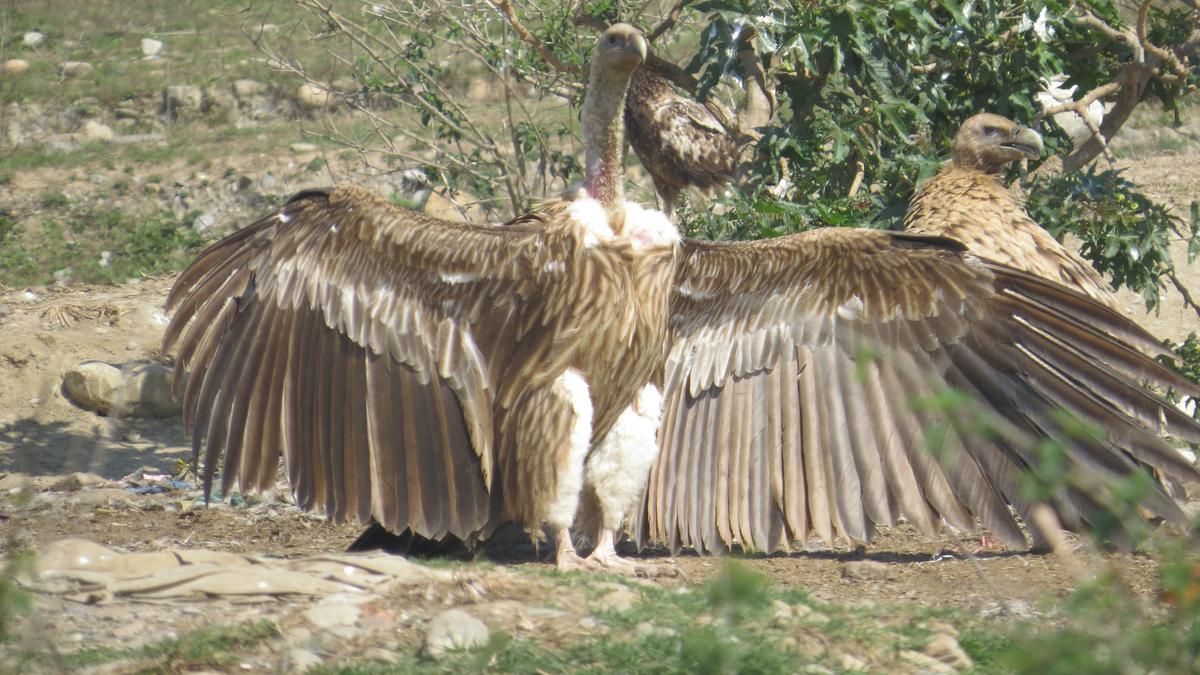
Two Cinerous vultures in the wild. August 29, 2026