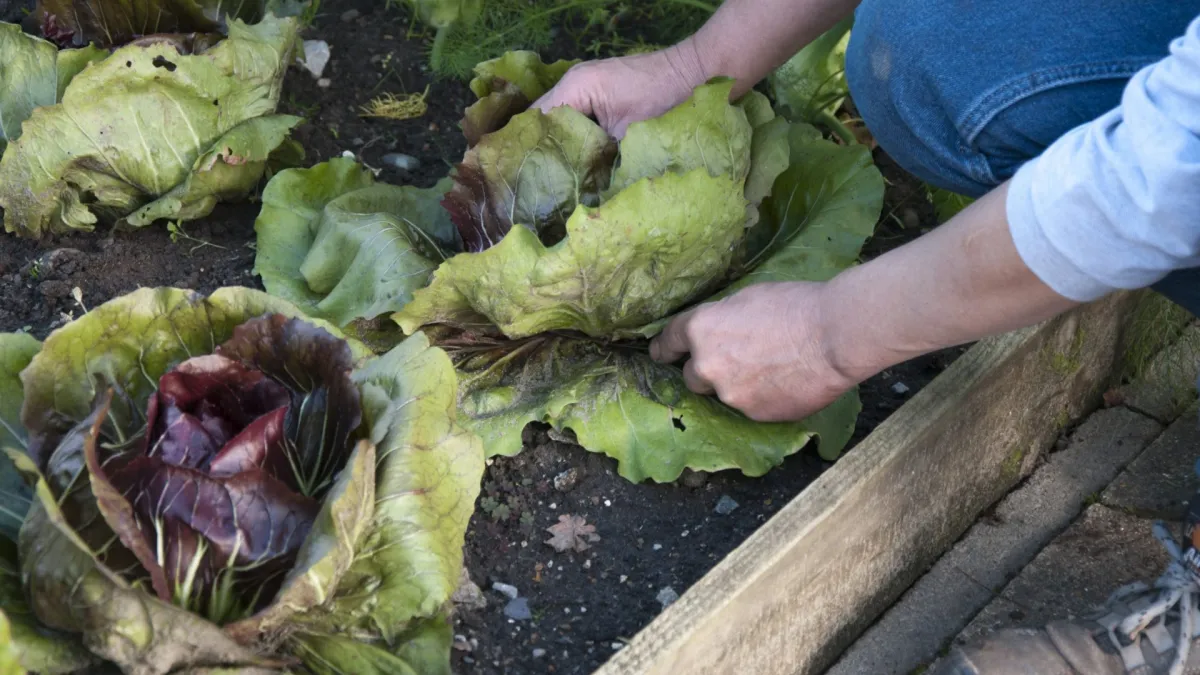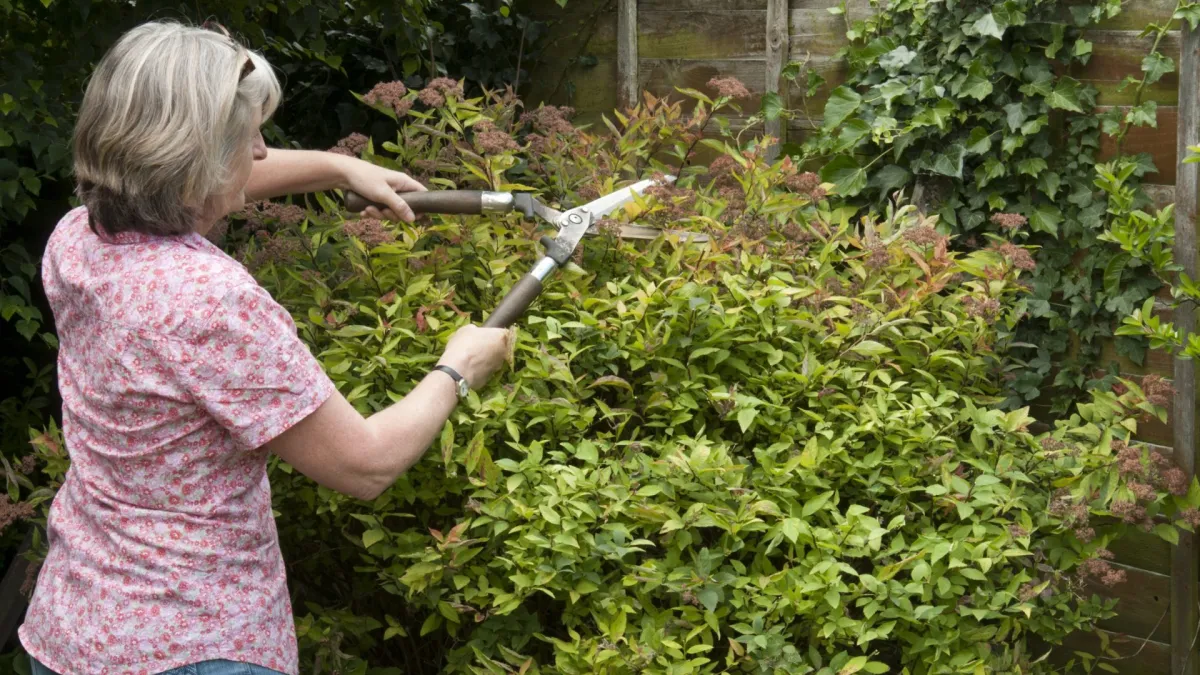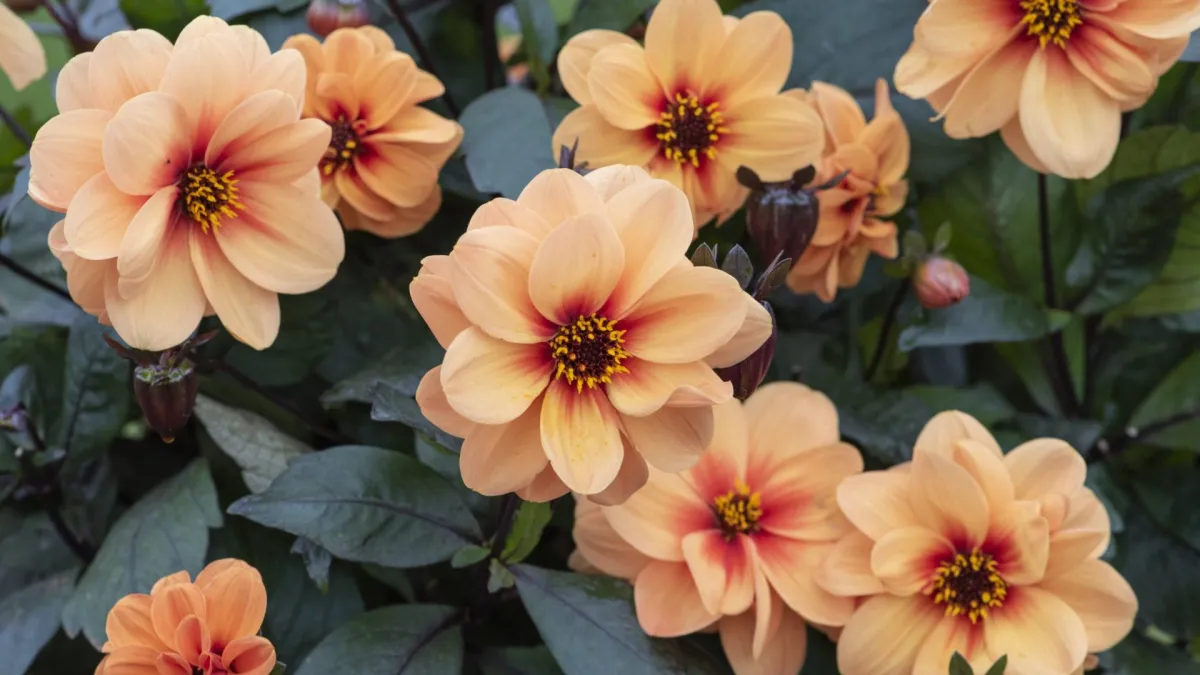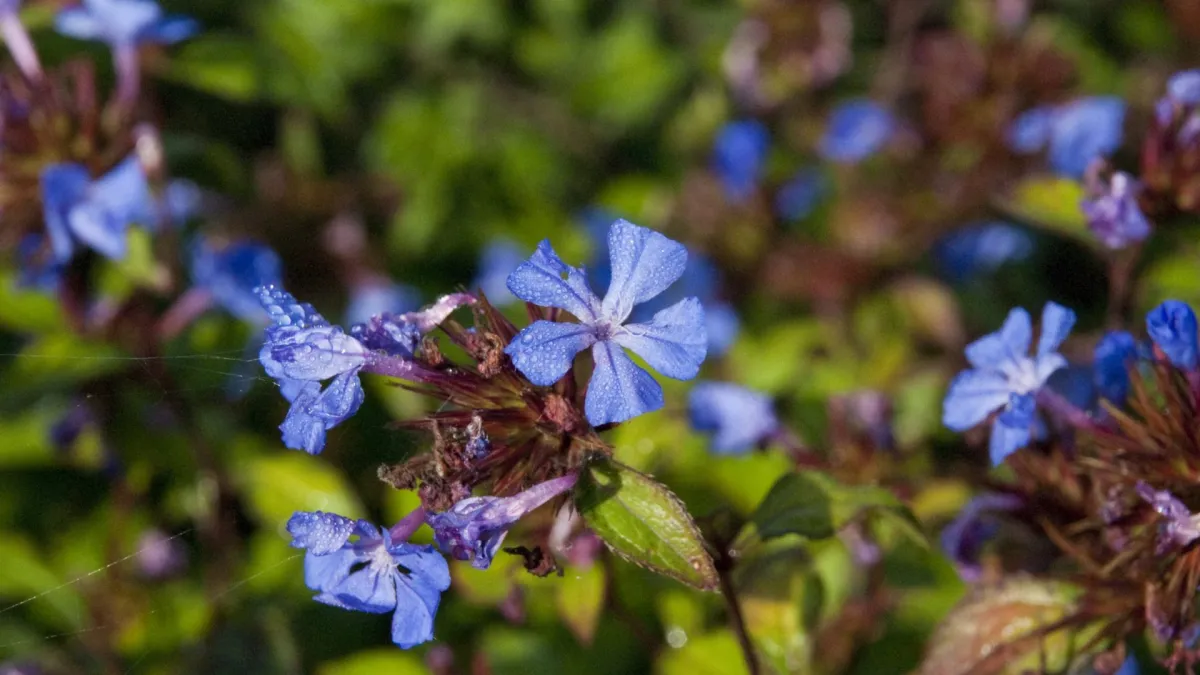
Autumn has arrived rather early in some gardens and plants – due to dry soil and a hot summer – with die back, leaf loss and autumnal tints.
Potato foliage has died back and the tubers have stopped growing. They might start to regrow if rain arrives, forming bumps and daughter tubers, or dollies, making them troublesome to prepare in the kitchen. Lift and store the tubers as soon as possible as they can quickly lose dormancy in hot dry soil and begin to sprout which reduces their storage life.
Rake over the soil after lifting, and indeed any bare soil in the garden to leave it level and ready to sow.This early autumn is ideal for sowing cover crops once the soil is moist enough. These pick up unused soil nutrients and prevent them being washed away and lost to potentially cause pollution. Their roots will also improve the soil. Some make excellent plants for pollinators when they flower in spring.
Shorts
Phacelia tanacetifolia, or fiddleneck, has abundant blue flowers next year and crimson clover (Trifolium incarnatum) bears masses of red flowers valued by bees. These must be sown by mid-September for good results but rye, ryegrass and wheat (from birdseed) can be sown until November, although sooner is better.