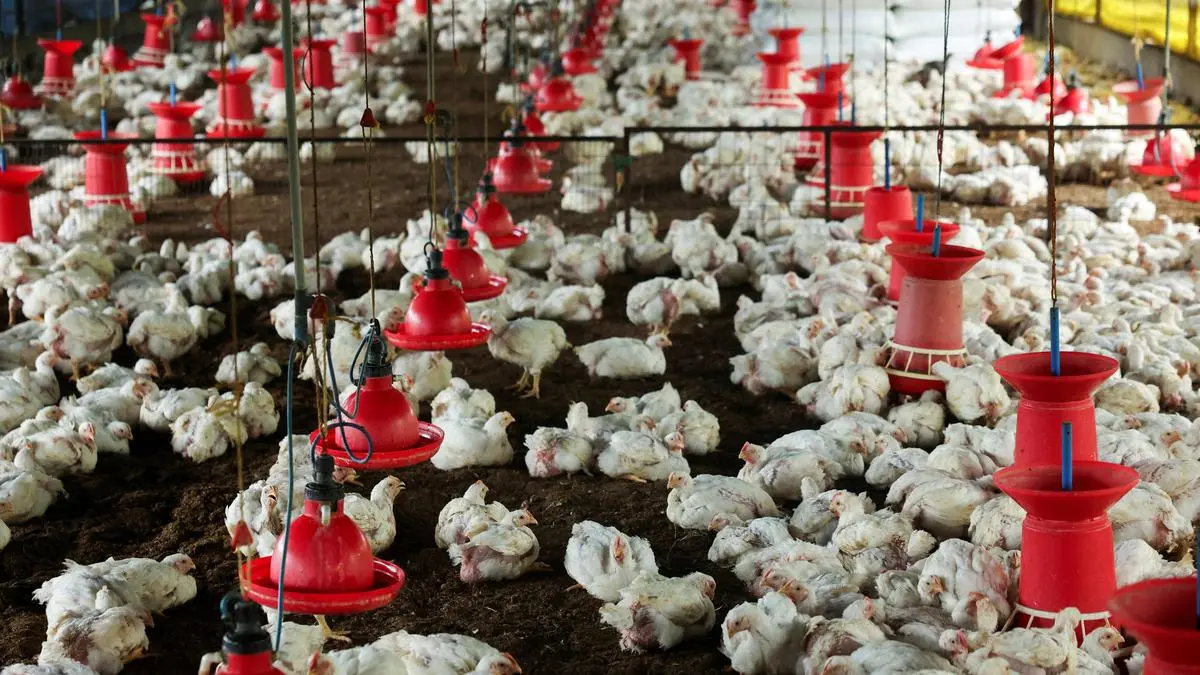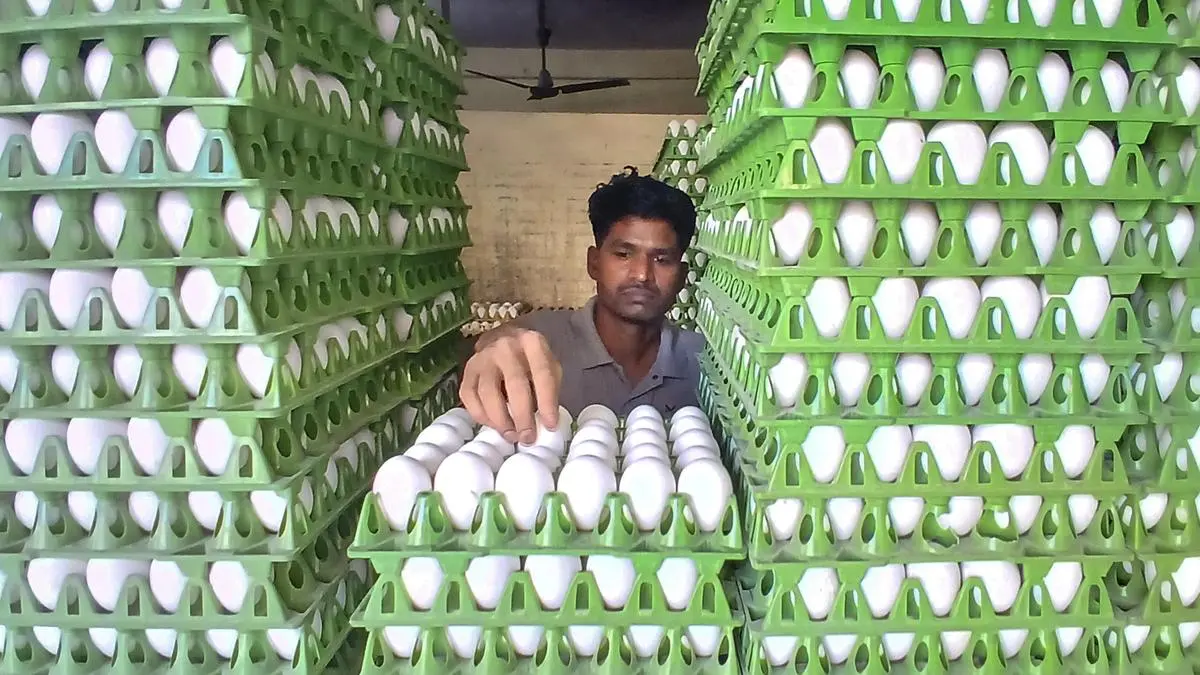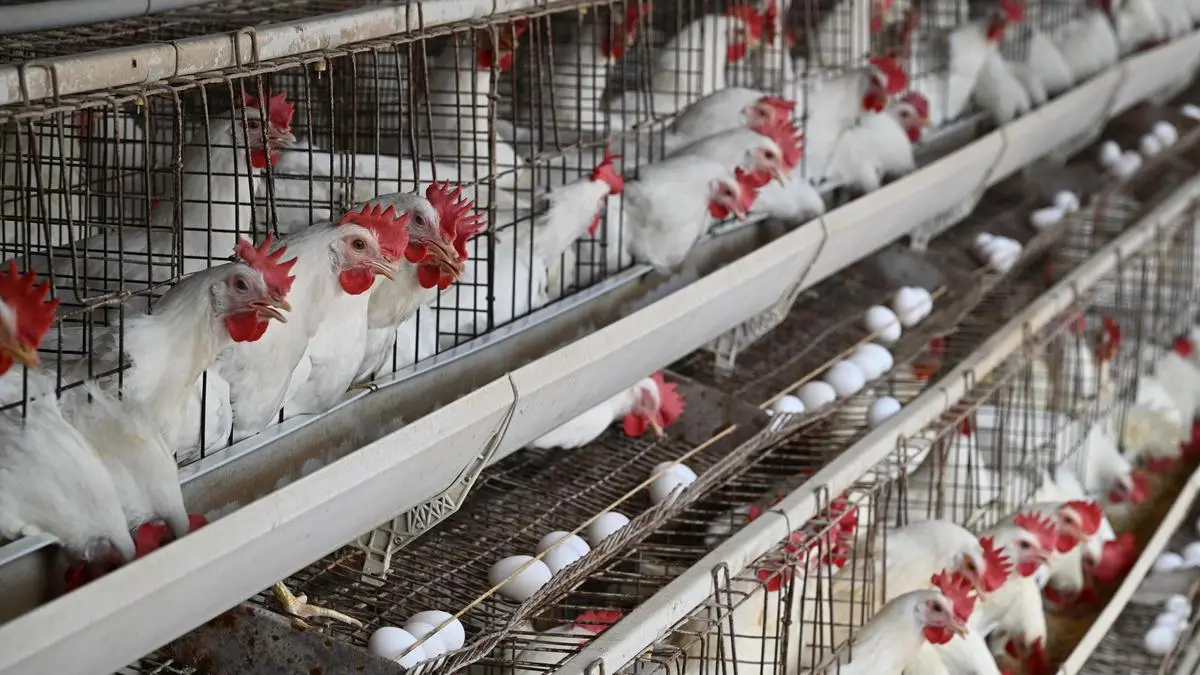
Egg and chicken prices have risen sharply across India this year, leaving consumers wondering why two of the country’s most accessible sources of protein have suddenly become more expensive. While weather-related disruptions and seasonal supply pressures have played a role, a significant part of the answer lies further up the value chain: poultry feed. Higher prices of maize, soybean meal and other feed ingredients are raising the cost of producing every egg and every kilogram of chicken.This matters because India’s poultry sector operates on tight margins. Feed accounts for nearly two-thirds of the cost of producing eggs and broiler chicken, making changes in agricultural commodity prices almost impossible for farmers to absorb indefinitely.The problem begins with maize and soybeanMaize and soybean meal are the two critical ingredients in poultry feed. Maize provides energy, while soybean meal is an important source of protein. According to recent industry estimates, maize accounts for roughly 55-60 per cent of poultry feed, while soybean is the main source of protein. This concentration means even a relatively short period of price inflation can substantially alter farm economics.The pressure has been particularly intense this year. Poultry feed prices reportedly rose by around 15 per cent to ₹4,400 per quintal from approximately ₹3,600 a year ago. At the same time, soybean meal prices have remained around ₹62,000 to ₹65,000 per tonne, with the industry estimating a shortage of about 1.5 million tonnes before the arrival of the new crop.Competition for maize Is changing the equationThe problem is not simply that farmers are producing less maize. Demand for the crop has also expanded beyond the food and feed sectors. Growing consumption of maize by ethanol manufacturers has increased competition for available supplies.This creates a direct transmission mechanism from the grain market to the consumer’s plate. When maize becomes costlier, feed manufacturers raise prices. Poultry farmers then face higher costs for raising broilers and maintaining layers. If farm-gate prices do not rise accordingly, margins shrink rapidly, forcing producers to reduce production or pass on some of the increase. Either way, retail prices eventually feel the impact.Soybean supplies add another layer of pressureSoybean meal has emerged as an equally important concern. Recent reports indicate that soybean production has been lower, while uncertainty over rainfall and oilseed output has created additional anxiety around future supplies.In June, the All India Poultry Breeders’ Association said that a large section of the industry planned to reduce production by 25 per cent amid rising soybean meal costs and weak margins. The association noted that soybean mealFeed inflation is only one part of the current story. Prolonged heat and erratic rainfall have simultaneously affected poultry productivity and agricultural output. High temperatures can stress birds, affecting feed intake, growth and egg production. Meanwhile, irregular rainfall creates uncertainty around maize and soybean crops, potentially affecting the availability and pricing of the ingredients poultry producers depend on.The impact was visible in recent market prices. In July, ex-farm egg prices in Hyderabad were reported to have increased by 15 per cent month-on-month and nearly 40 per cent year-on-year. In several markets, retail egg prices reached approximately ₹8.5 to ₹9 per egg. Intense summer heat also affected broiler production, contributing to higher chicken prices.Why Consumers Are Feeling the ImpactIndia produced 149.11 billion eggs in 2024-25, according to the Department of Animal Husbandry and Dairying, with commercial poultry accounting for 84.49 per cent of total production. The scale of the sector means that even modest changes in production costs can have significant consequences across the food economy.The current price rise, therefore, reflects a combination of interconnected pressures: expensive feed, competition for maize, tighter soybean meal supplies, weather-related production challenges and, in some cases, lower output. For consumers, the final increase is visible in the price of a tray of eggs or a kilogram of chicken. For poultry producers, however, the hidden story begins with the cost of feeding the birds.Until feed prices stabilise and crop supply concerns ease, poultry prices are likely to remain sensitive to developments in both agricultural markets and weather conditions. The episode also highlights how closely India’s affordable protein supply is linked to the economics of maize and soybean.The author is Chairman, CLFMA of IndiaPublished on August 29, 2026
Why egg and chicken prices are rising in India: Poultry feed costs hold the key
Egg and chicken prices are rising in India as costly maize, soybean meal and poultry feed, along with weather disruptions, squeeze producers and lift retail prices.
700 words~3 min read