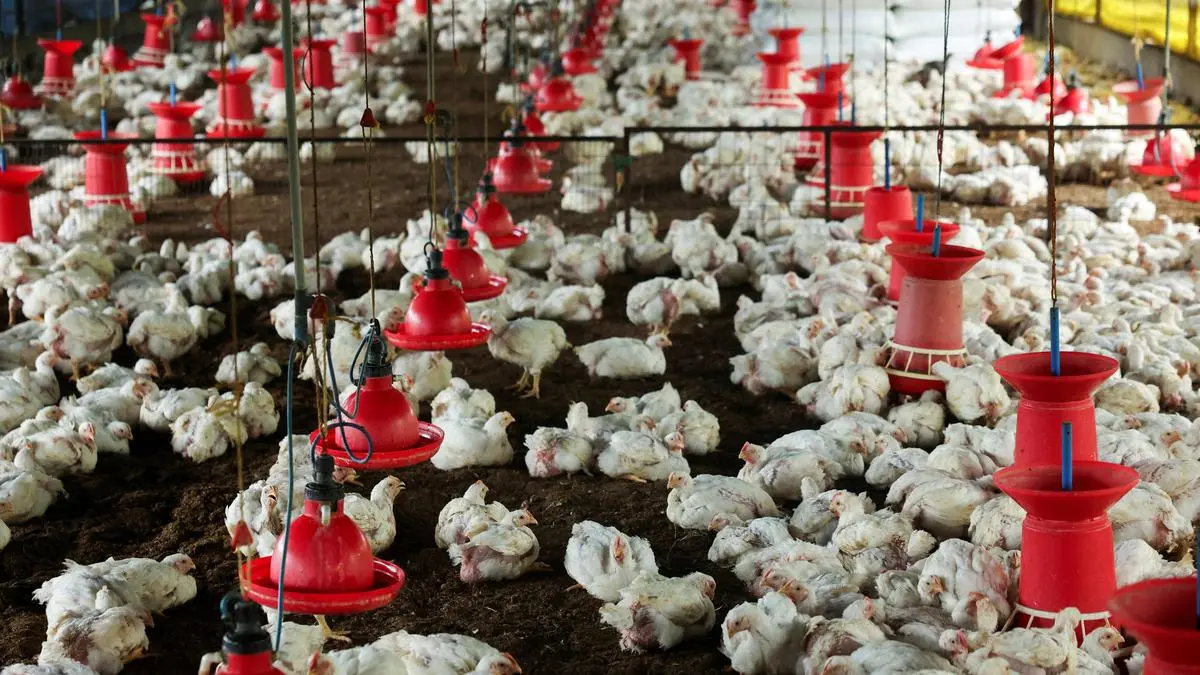
Soybean meal, or soya DOC, a key protein source in poultry feed, has risen more than 40 per cent, from around ₹45 per kg to ₹65-66 per kg, amid tighter domestic soybean availability.
| Photo Credit:
REUTERS/FRANCIS MASCARENHAS
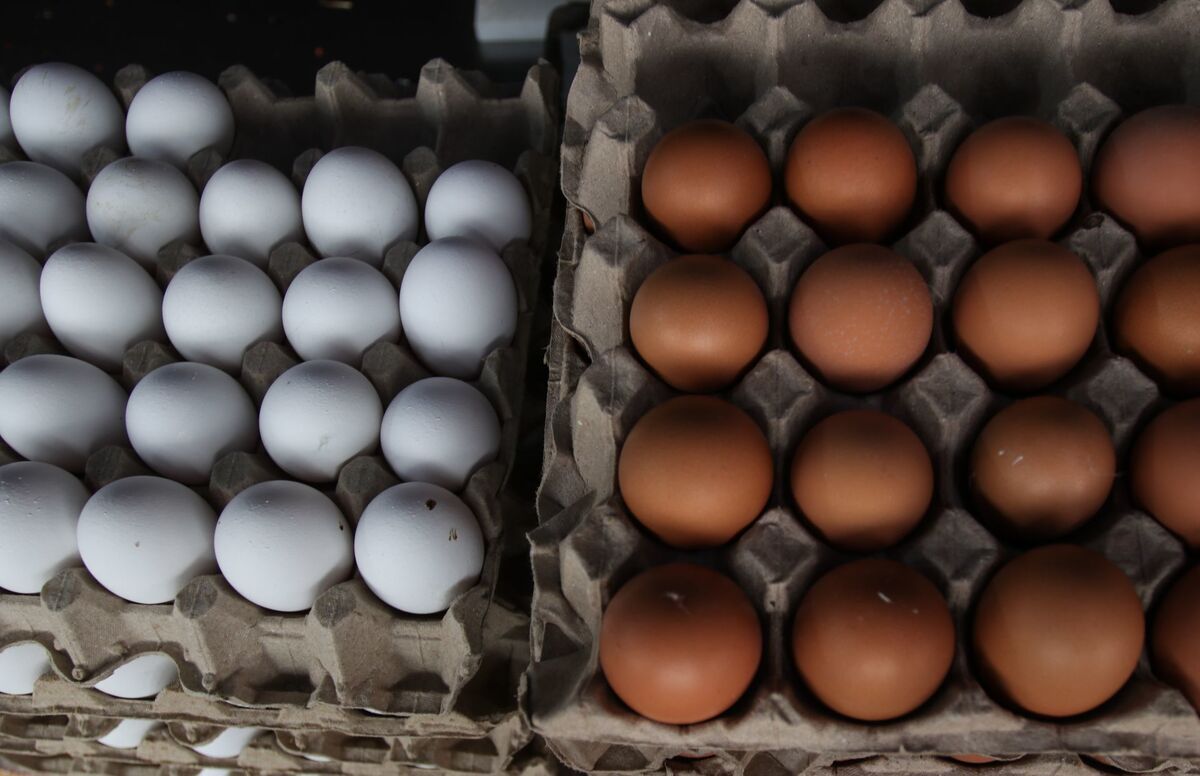
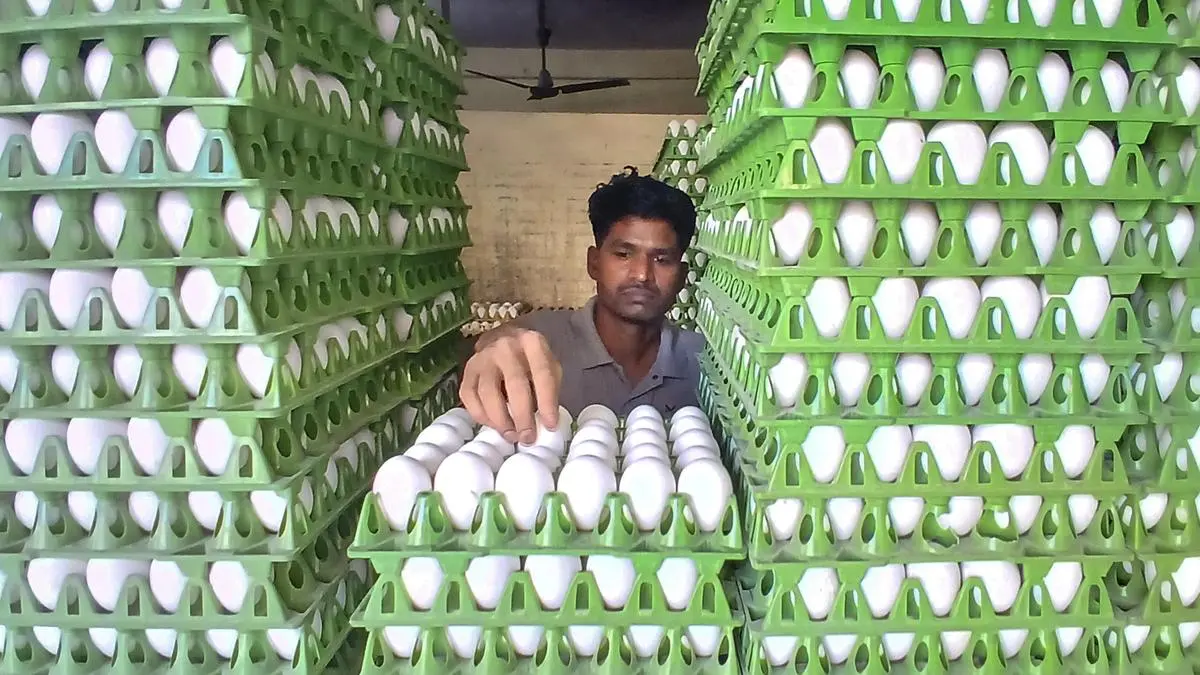
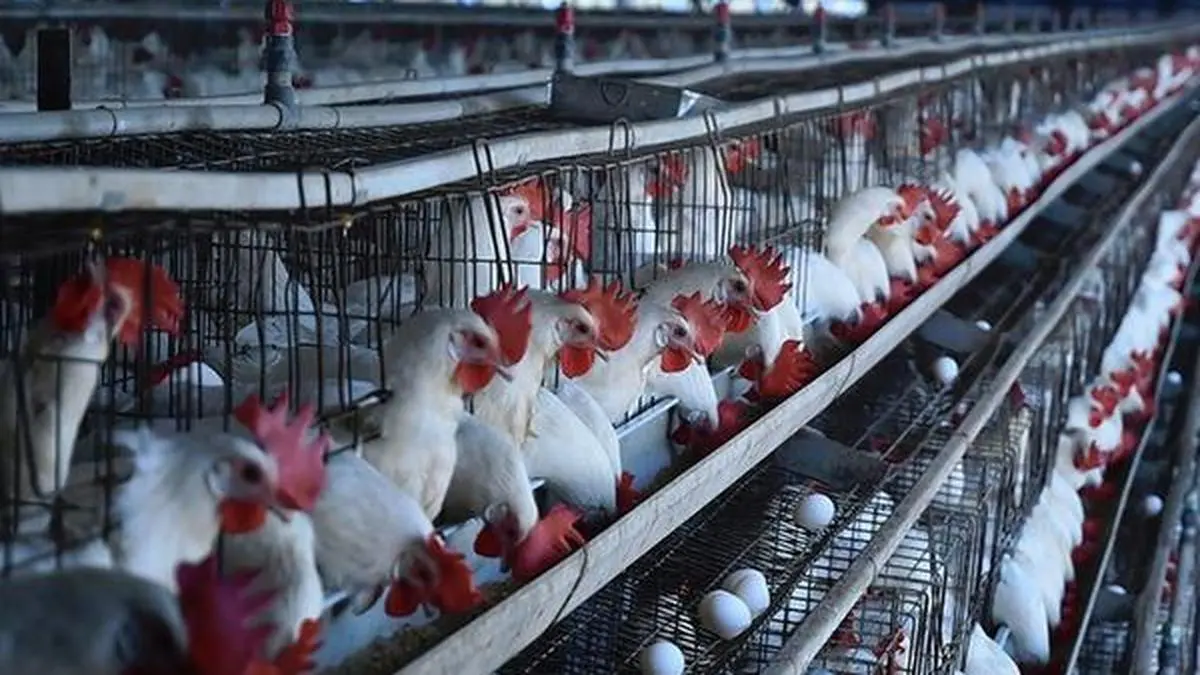
A sharp rise in soybean meal prices and the diversion of maize towards ethanol production, the two key ingredients that supply protein and energy in poultry feed, are driving up the cost of feeding India’s layer hens. The twin feed shock has prompted farmers to cull older birds earlier and reduce fresh chick placements, tightening egg supplies across the country.The supply squeeze is now beginning to affect branded and speciality egg suppliers such as Eggoz and Country Chicken Co., with prices expected to climb to ₹20-25 per egg, leading egg distributors from Maharashtra told businessline.Regular eggs are already retailing at ₹7.50-9 a piece in Maharashtra, up by as much as 40 per cent from a year ago. The state produces significantly fewer eggs than it consumes and relies heavily on supplies from poultry hubs in Tamil Nadu, Andhra Pradesh and Karnataka.Industry estimates place Maharashtra’s daily egg consumption at 2.2-2.5 crore eggs, against local production of 1.2-1.4 crore eggs, leaving around 40-50 per cent of demand dependent on supplies from other states.Twin Feed ShockSoybean meal, or soya DOC, a key protein source in poultry feed, has risen more than 40 per cent, from around ₹45 per kg to ₹65-66 per kg, amid tighter domestic soybean availability.Maize, the principal energy ingredient, is under pressure for a different reason. Poultry producers are increasingly competing with ethanol manufacturers for supplies as India’s ethanol-blending programme creates a major new source of demand.“The problem is that both sides of the feed equation have become expensive at the same time. Soy provides the protein and maize the energy, leaving farmers with limited scope for substitution without affecting productivity,” a Maharashtra-based egg distributor said.With both major feed components becoming costlier, industry estimates suggest the farm-level cost of producing an egg has increased to ₹5.20-5.50, from ₹4-4.50 earlier.The impact extends beyond rising feed costs. Farmers struggling with months of thin margins have culled older hens prematurely and reduced chick placements, constraining future egg supplies.“An egg shortage cannot be corrected in the same way as broiler chicken supply. If farmers reduce chick placements today, the impact lingers for months because those birds need time to mature before they begin laying,” another distributor said.According to the National Egg Coordination Committee (NECC), July’s suggested monthly average prices were 23-39 per cent higher year-on-year across all 34 centres tracked. Delhi recorded a 38.7 per cent increase, while Pune and Hyderabad each rose 31.2 per cent, and Mumbai 29.8 per cent.Branded Eggs Feel the HeatFor suppliers such as Eggoz and Country Chicken Co., higher egg prices do not necessarily translate into stronger margins.Branded players incur additional costs related to grading, testing, packaging, logistics, and retail or quick-commerce distribution. While commercial farms can partially offset costs by replacing portions of expensive soymeal and maize with alternatives such as DDGS, broken rice, pearl millet and other oilseed meals, organic and speciality egg producers have limited flexibility because their feed must comply with product standards and certification requirements.“When regular eggs move towards ₹9, a branded egg priced at ₹15-20 appears relatively affordable. However, if branded eggs themselves rise to ₹20-25 due to higher feed and procurement costs, the market begins to test the premium consumers are willing to pay,” a leading Maharashtra egg distributor said.Some relief may emerge when the new kharif soybean and maize crops reach mandis around October-November. However, the growing demand for maize from ethanol producers could keep feed costs elevated compared with historical levels.For branded egg suppliers, this creates an unusual challenge: the price gap with regular eggs is narrowing even as the cost of producing premium eggs continues to rise.Published on August 24, 2026