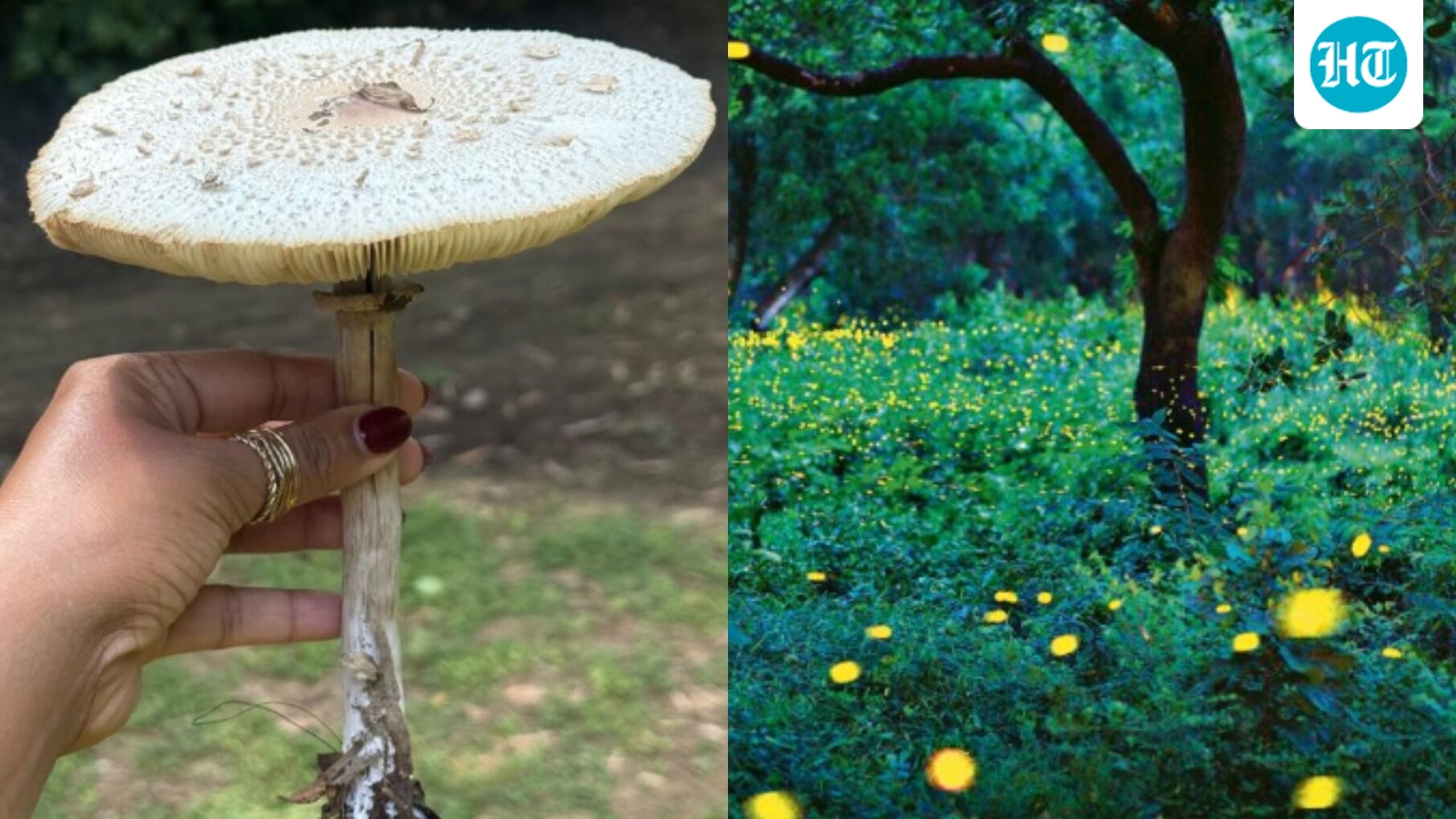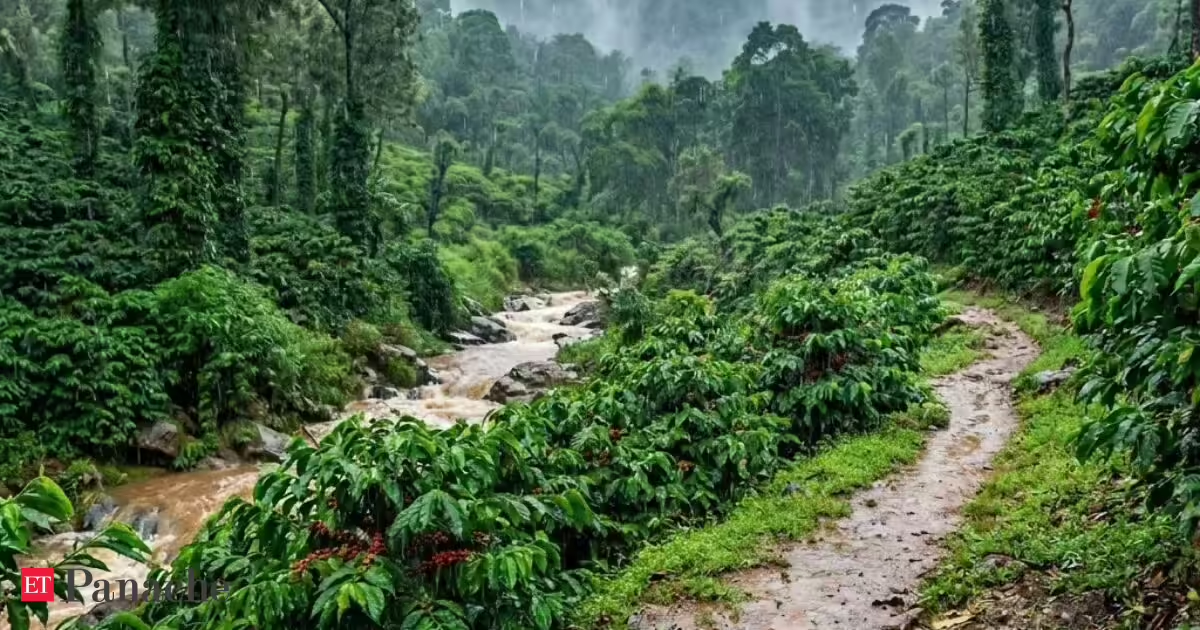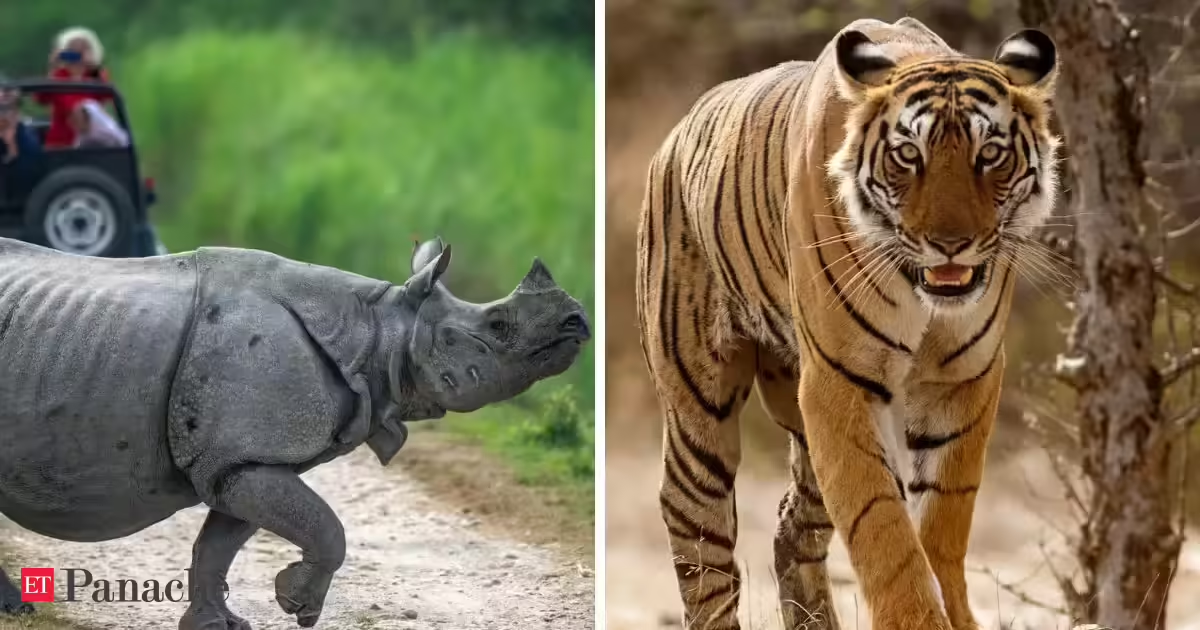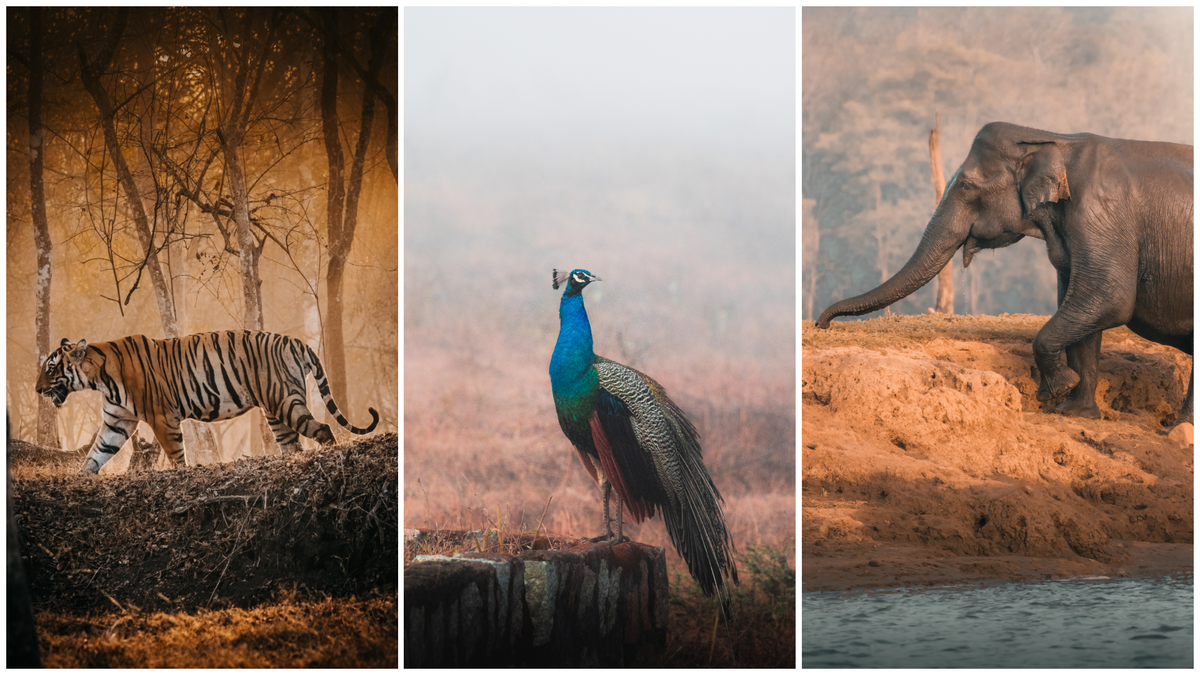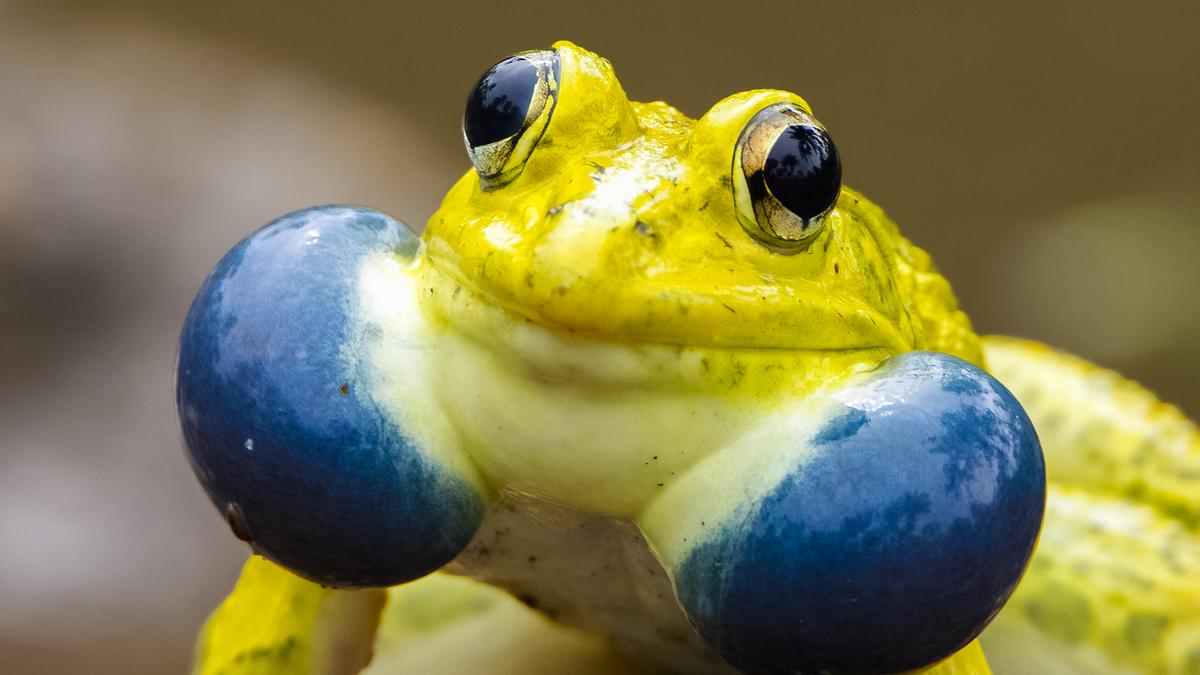
The first signs of the monsoon are not always found in the sky. They may hang from the tapered end of a half-built baya-weaver’s nest, pulse from the blue vocal sacs of a breeding Indian bullfrog or appear overnight on a rain-darkened log.The monsoon is not a biological starting gun, nor does every creature suddenly emerge with the first shower. Species respond differently to rainfall, temperature, humidity, food availability and changes in water levels. Some begin breeding, others change plumage, call more frequently or gather around seasonal food sources. Fungi that have persisted out of sight within soil or wood may produce visible mushrooms. Animals present throughout the year can become easier to observe because the season changes their behaviour.Across much of India, the monsoon brings a seasonal pause to wildlife tourism, with many national parks and reserves restricting access to their core areas during the rains. In simple terms, a buffer zone is the area around the protected core of a reserve — a transition space where conservation continues but regulated tourism and some human activity are allowed. While core areas may close during the monsoon, some buffer zones remain open, depending on the reserve and local regulations. For travellers staying at eco-lodges and resorts, this makes the season particularly rewarding for guided nature walks, where the focus shifts from chasing big-animal sightings to observing a landscape transformed by the rains.
India’s wildlife lodges are making a case for monsoon nature walks
Beyond tiger sightings, India’s wildlife lodges explore the monsoon forest
2,560 words~12 min read