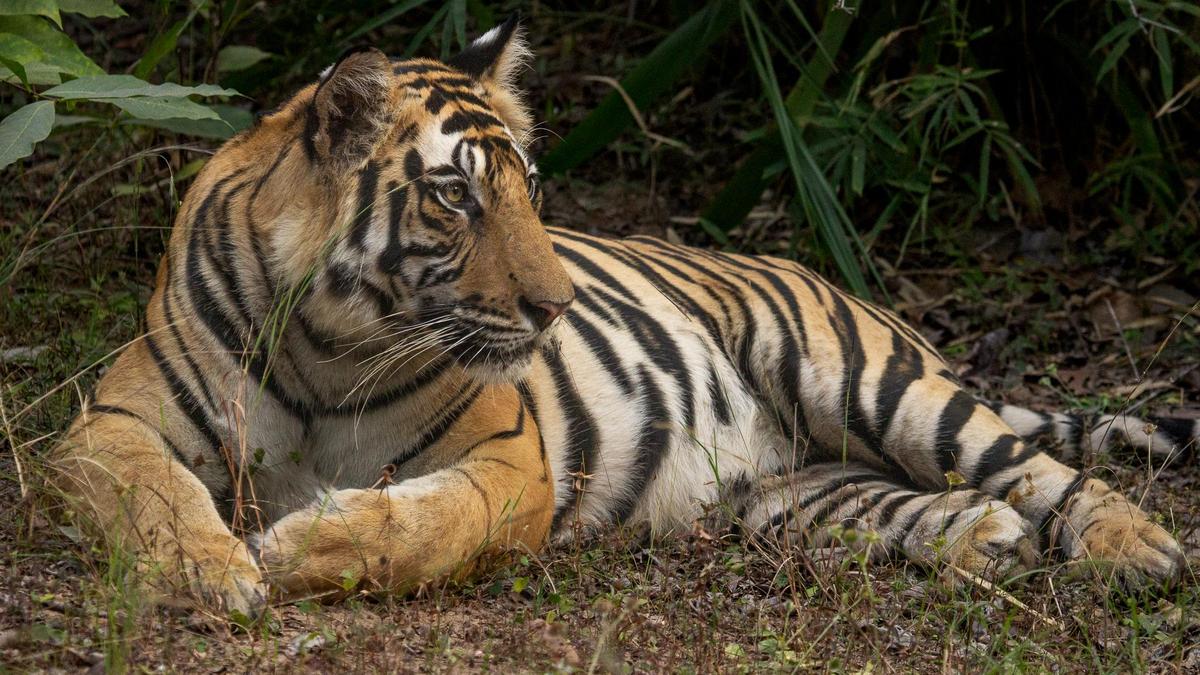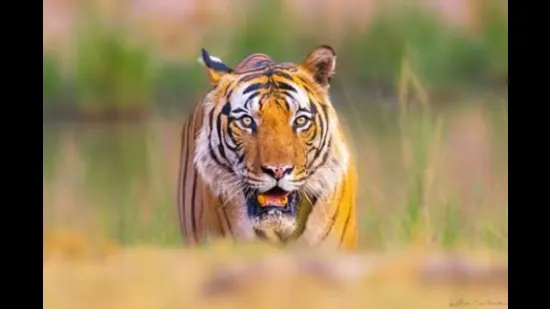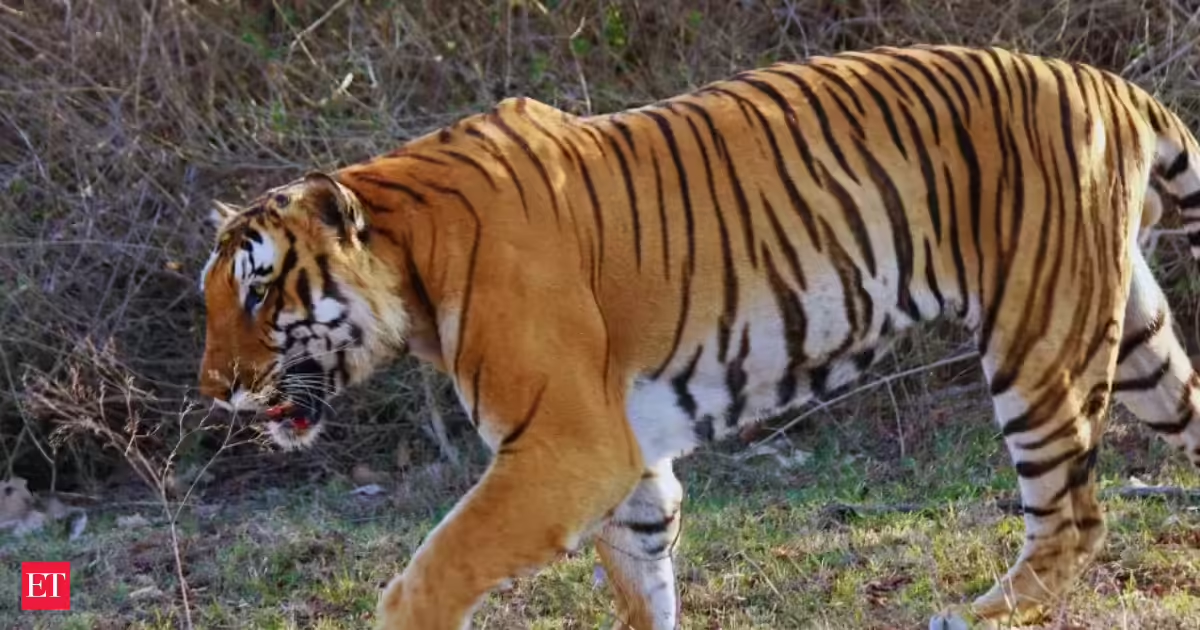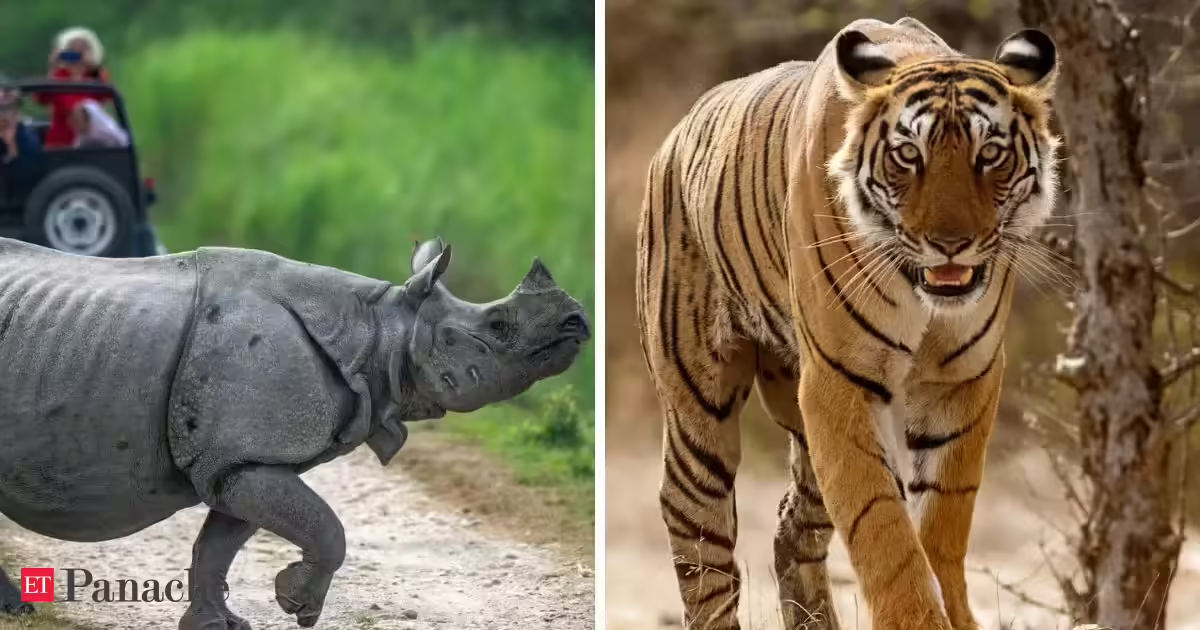
If you’re dreaming of a jungle safari this season, there’s a detail most travellers miss until it’s too late. India’s national parks don’t stay open all year round, and July quietly marks the beginning of their monsoon shutdown. From tiger reserves in Madhya Pradesh to rhino habitats in Assam, several iconic wildlife destinations pause tourism completely during heavy rains. Before you book that nature getaway, here’s a clear breakdown of major parks that close as the monsoon arrives.Ranthambore National Park, RajasthanRanthambore National Park and Tiger Reserve is one of India’s most famous tiger-spotting destinations, known for its dry deciduous forests, rich wildlife diversity, and the historic Ranthambore Fort overlooking the landscape. The park is divided into 10 safari zones, all offering strong chances of tiger sightings along with a variety of birds and animals.During July to September, Ranthambore National Park remains closed due to monsoon conditions. However, some buffer zones, including Gate 6 to 10, stay open for limited tourism. These include Kundal, Chidikho, Balas, Kuwalji, and Aantri.Kanha National Park, Madhya PradeshKanha National Park is often described as a crown jewel of Indian wildlife tourism. It is home to tigers, leopards, sloth bears, barasingha, dholes, and hundreds of bird species. The park’s landscape blends Sal forests, bamboo stretches, grasslands, and streams, making it one of the most scenic reserves in the country.Core zones such as Kanha, Kisli, Mukki, and Sarhi remain closed during the monsoon. Buffer zones like Khatia, Khapa, Sijhora, and Phen remain open throughout the year. Reserved areas are strictly off-limits for conservation. Kanha National Park remains inaccessible from July to September and reopens around mid-October, with peak safari season from October to March.Dudhwa National Park, Uttar PradeshDudhwa National Park, located in Lakhimpur Kheri near the Indo-Nepal border, was established in 1977 and later declared a tiger reserve in 1987. Spread across 490 square kilometres, it is known for tigers, leopards, elephants, sloth bears, and over 450 bird species.The park also features grasslands, swamps, and dense forests, making it a unique ecosystem. Conservation efforts here include habitat restoration and reintroduction of species like swamp deer and barasingha. Dudhwa National Park remains closed from July to October due to monsoon breeding activity and difficult terrain conditions. The best safari season is from November to June.Jim Corbett National Park, UttarakhandJim Corbett National Park is India’s oldest national park and a key part of Project Tiger. Spread across Pauri Garhwal, Almora, and Nainital regions, it is known for its rich biodiversity, scenic landscapes, and tiger population.Most zones remain open from mid-November to mid-June. However, the Jhirna zone remains open year-round. Bijrani zone operates from mid-October to mid-June, while Dhikala zone is open from November 15 to mid-June. During the monsoon, access roads in major zones are often damaged or washed away.Kaziranga National Park, AssamKaziranga National Park is best known for the Indian one-horned rhinoceros, with over 2200 individuals making it one of the species’ strongest habitats. The park also supports elephants, wild buffalo, swamp deer, and a growing tiger population. It is also an important Bird Area, hosting migratory birds like storks, ducks, and geese during winter. However, heavy monsoon rains and Brahmaputra flooding make the region unsafe.Kaziranga National Park remains closed from May to October due to flood risks, and reopening is highly seasonal.Bandhavgarh National Park, Madhya PradeshBandhavgarh National Park is famous for having one of the highest tiger densities in the world. Once a royal hunting ground, it is now a major wildlife tourism hotspot.The park is closed from 1st July to 15th October during the monsoon. Visitors usually prefer November to March for pleasant weather, while April and May offer the best chance of tiger sightings near water sources.
Before you plan a wildlife nature vacation, check the list of 6 national parks closing from July
Planning a jungle safari this season requires careful attention to park closures. Many of India's popular wildlife destinations, including Ranthambore, Kanha, Dudhwa, Jim Corbett, Kaziranga, and Bandhavgarh, shut down during the monsoon months. This annual closure is crucial for conservation and safety. Travellers should check specific park dates before booking their trips to avoid disappointment.
611 words~3 min read