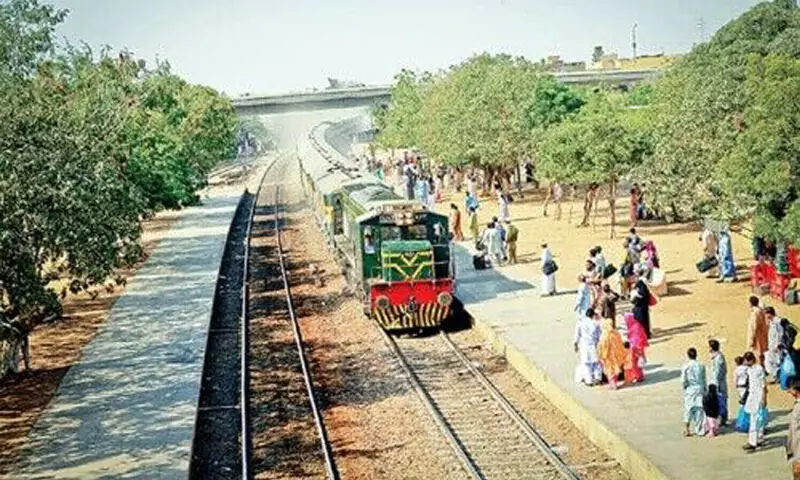
The constitutive corridor-making violence of the $6m Karachi-Lahore railway upgrade.
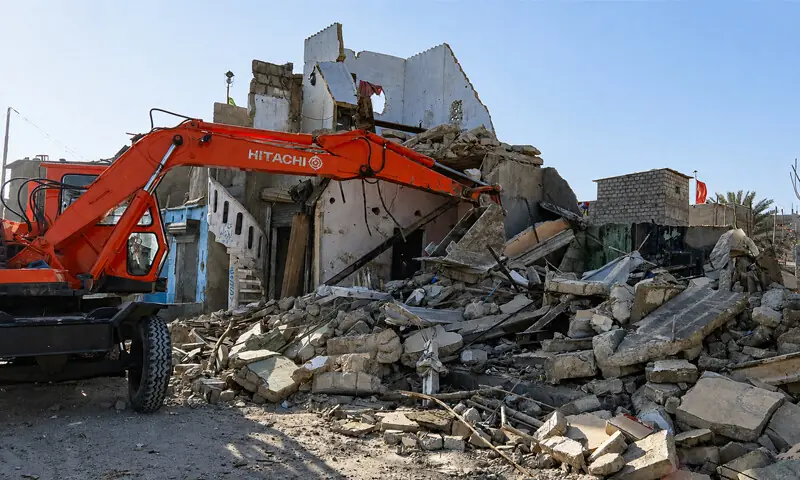
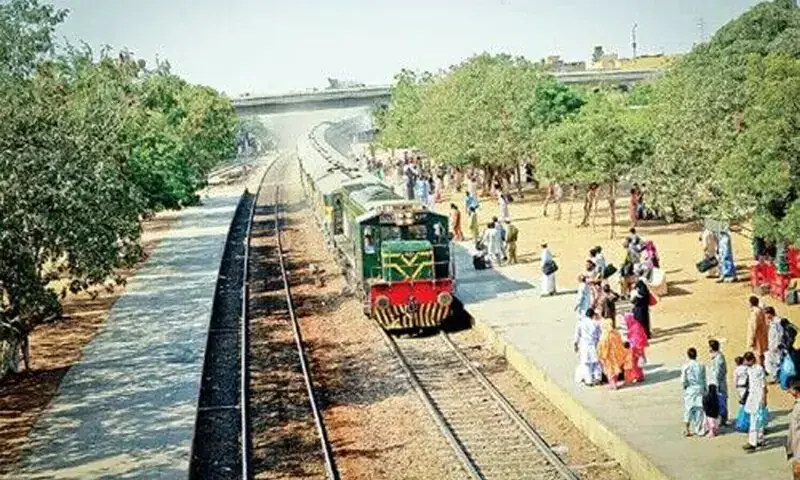
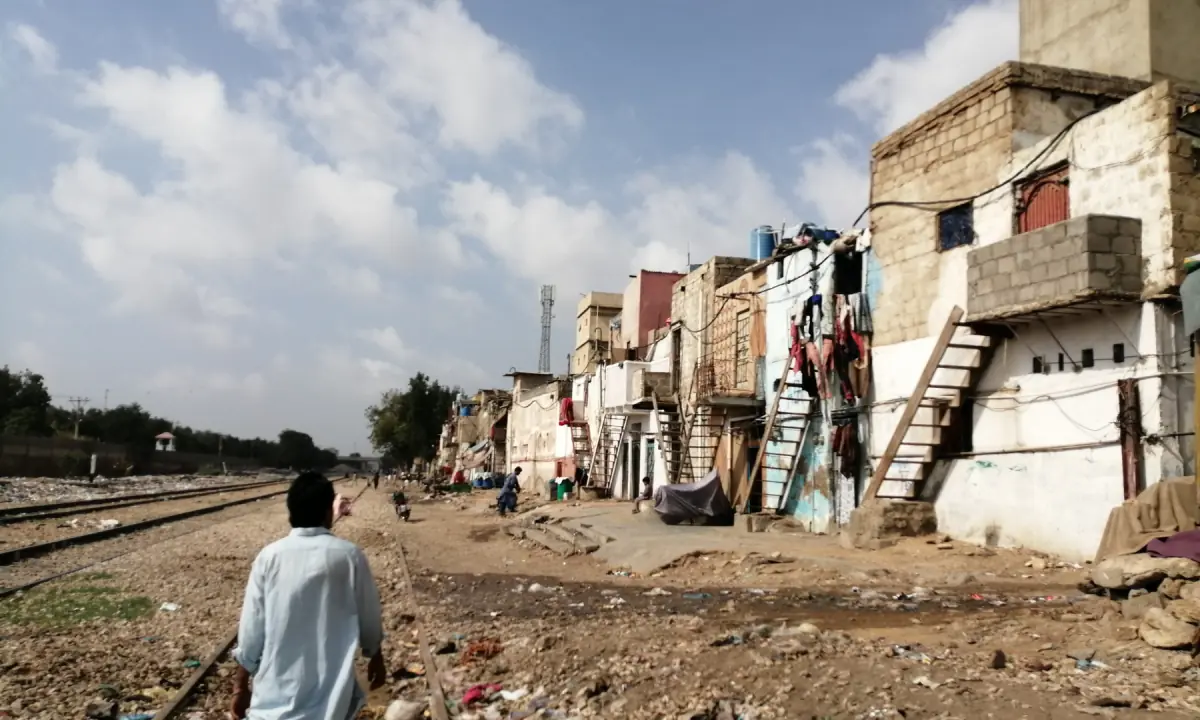
Nearly 15,000 people risk losing their homes in Karachi, Hyderabad and Lahore to make way for Pakistan’s most ambitious railway project, Main Line-1, for which work will kick off in January.
The estimate of families at risk was done by the Karachi Urban Lab with satellite data which was ground truthed in neighbourhoods sitting along the track between Karachi and Lahore. If at least 25 feet need to be cleared on both sides from the track, over 2,400 people will have to vacate this space. These are the working class drivers, maids, salesmen, carpenters, masons, and daily wage workers, of course.
Such displacement is called ‘the constitutive violence of corridor-making’. This is a technology of community wiping needed for governments to build big things. And so, violence lives at the heart of the creation of economic and transport corridors and is not an outcome as many of us assume.
If we track how such epic projects unfold in the cities of the Global South we can clearly see that transport corridors are political acts and not merely technical undertakings. They bear the stamp of their creators (decision-makers) who are the arbiters of who qualifies as an urban citizen and who can be sacrificed. They do not see evictions as an assault on social ties, laws, the economy, indeed legal and economic failures. They are a small price to pay for some greater good.