Get the latest news and updates from Dawn
Large infrastructure projects are often presented as symbols of progress. New transport corridors promise faster mobility, greater regional connectivity and economic growth. Yet, the success of such projects depends not only on engineering but also on the way they transform the lives of the people who occupy the spaces through which they pass.
In Karachi, the proposed modernisation of Pakistan Railways’ Main Line-1 (ML-1) and the revival of the Karachi Circular Railway (KCR) illustrate this contradiction.
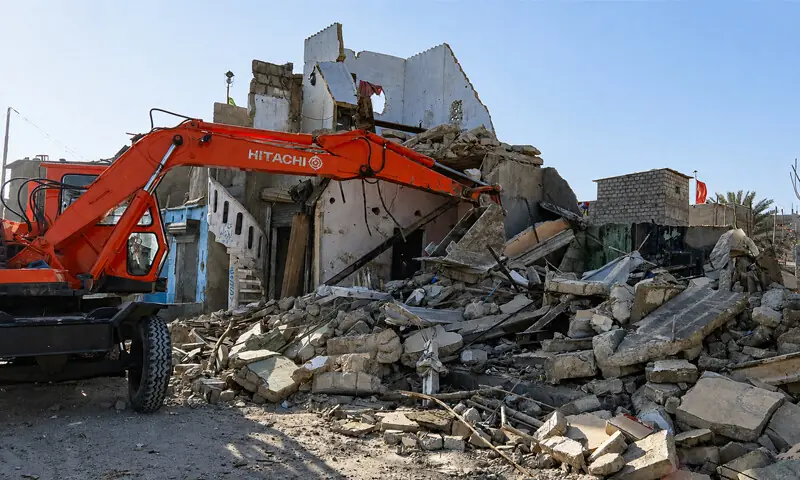
Both projects promise substantial improvements to the country’s transport network, but both also require extensive clearance of settlements that have existed for decades along the railway corridors. The discussion surrounding these demolitions has largely focused on removing what are considered ‘encroachments’ and reclaiming public land. Far less attention has been paid to the rehabilitation of the displaced population, despite the fact that it is rehabilitation, not demolition, that ultimately determines the fabric of urban life.
The much-needed ‘modernisation’ of Karachi's railway infrastructure may transform the city's and region’s future, but also involves displacing thousands of residents and informal communities currently living along its corridors. Too often, large projects are planned solely around efficiency and not keeping in mind the lives of those most affected. The question is not whether such infrastructure should be built, but how projects are envisioned and those facing dislocation and disrupted lives are rehabilitated…