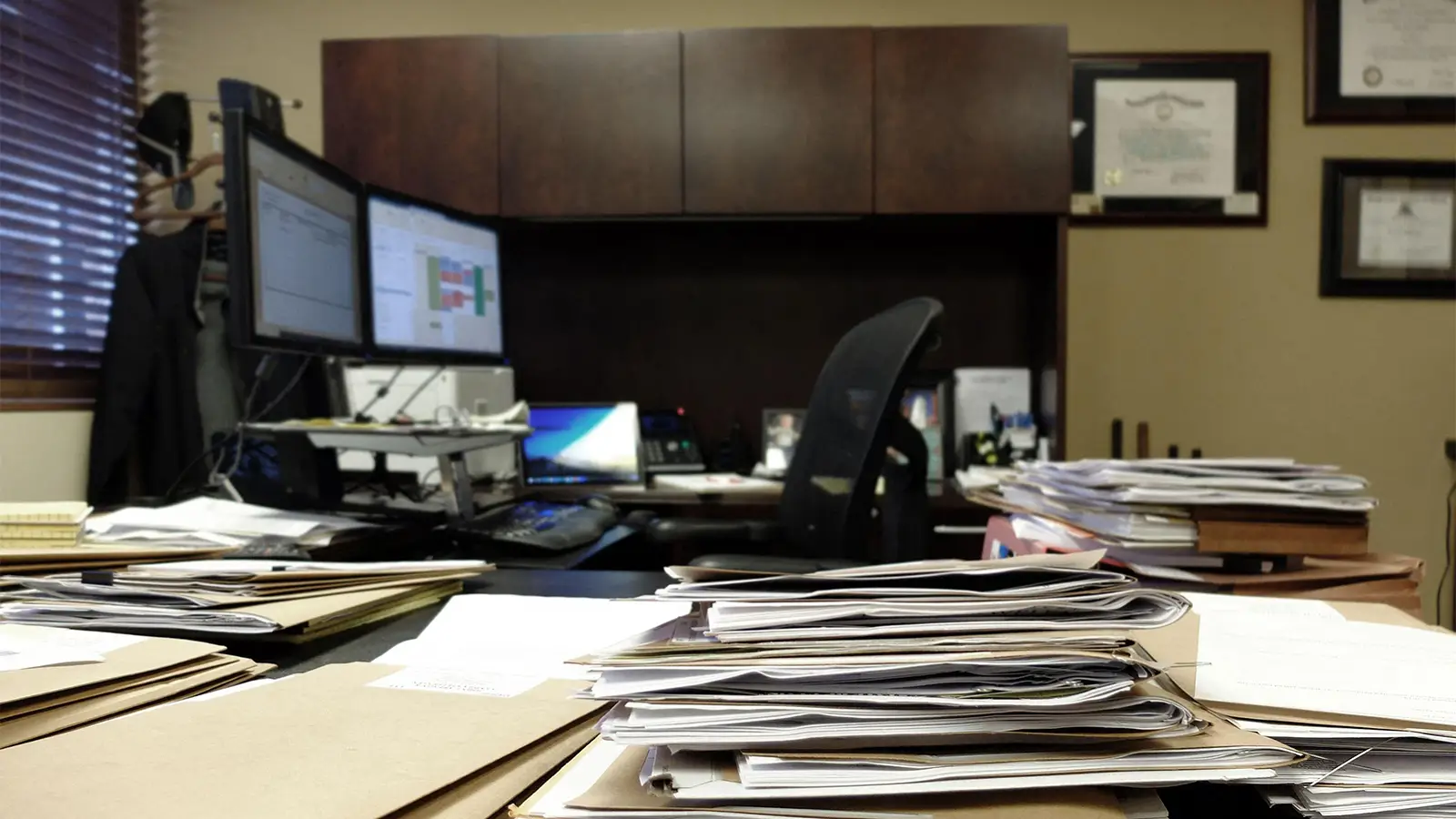
Whether you call it decluttering, death cleaning or a clear out, many of us face the onerous task of paring back our possessions, or those of a loved one.There can be many reasons: from managing the mountains of stuff that comes with small children, to downsizing or moving house, or dealing with a deceased estate.Sometimes, it’s the desire for a simpler life. About one in three Australians can’t stand the amount of stuff in their home, according to a survey commissioned by insurance company Choosi.“In consumer society it’s very easy to acquire, but a lot of people find it difficult to get rid of things,” says Julie Whiting, founder of The Decluttering Co.Clutter – stashed in cupboards and drawers, spare rooms, and storage facilities – usually involves items that people have been avoiding, she says. Decluttering is hard because it requires people to make multiple decisions at once, as well as the logistics of where to take things and the emotions of letting go.Sorting through stuff may be physically and emotionally draining, but is it sustainable?Keep, donate, recycle, discardJennifer Macklin, who researches waste systems and behaviour change at Monash University’s BehaviourWorks, says the overall aim is “to rehome what you can, then recycle and appropriately dispose of what remains”.Aside from navigating the various platforms, collections and drop off points, the process can be emotionally fraught. People hold on to things because they value them, she says, so part of the difficulty with giving things away or selling them is the realisation that other people may not want them.
Death cleaning, downsizing and decluttering. How do we learn to live with less stuff?
Many of us are overwhelmed by the sheer number of our belongings, but can we change our consumption habits? And is there a more sustainable way to declutter?
1,096 words~5 min read