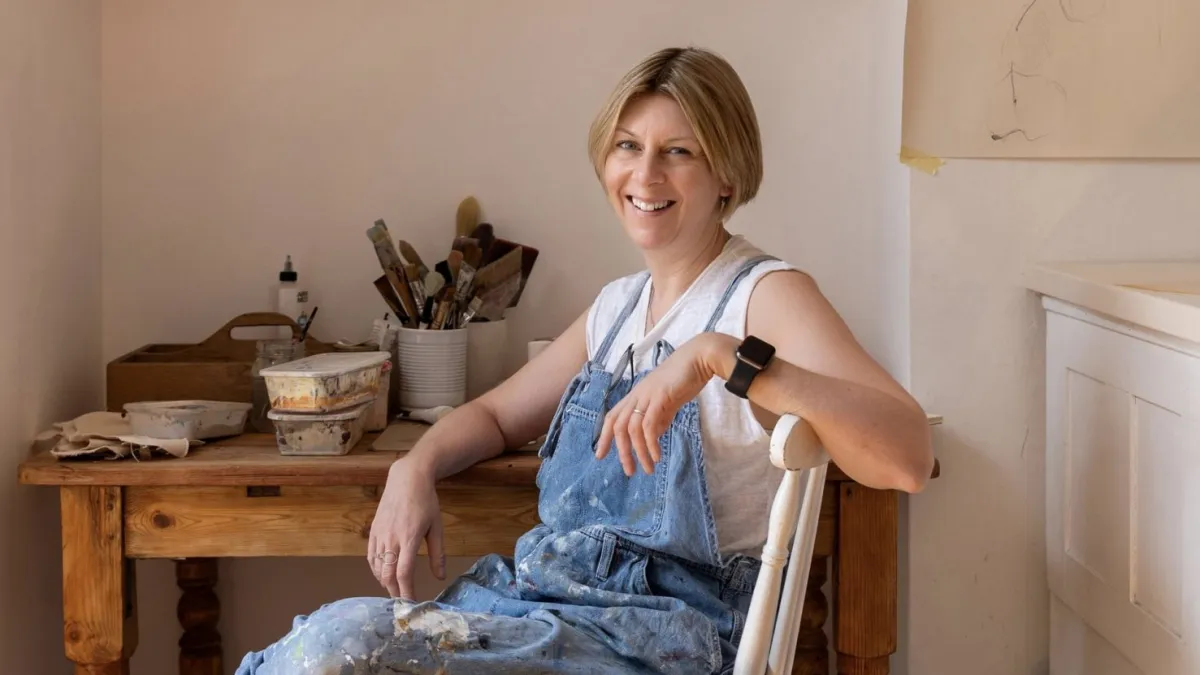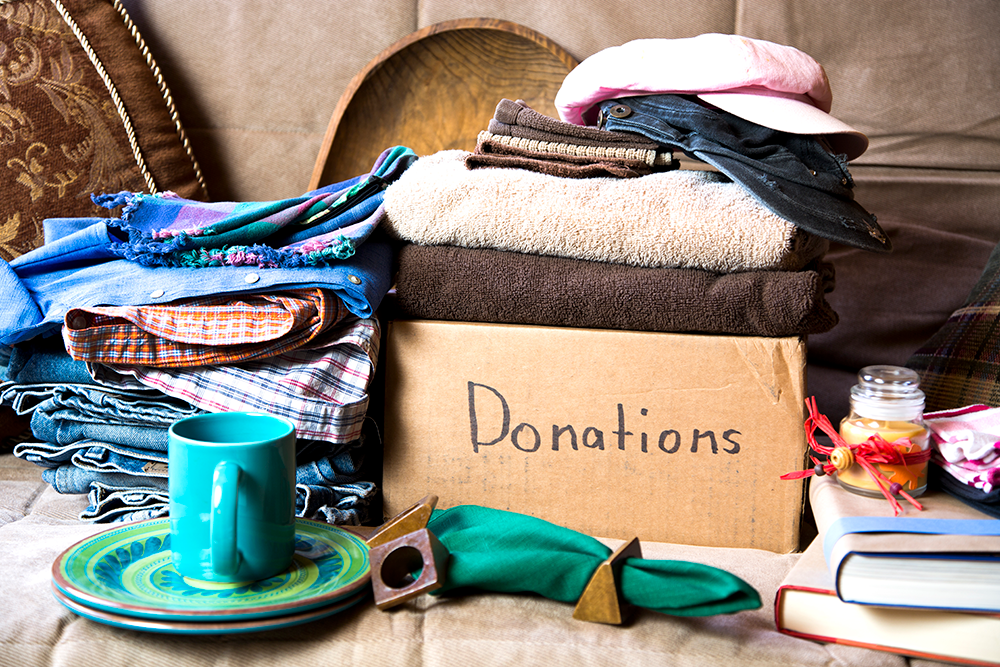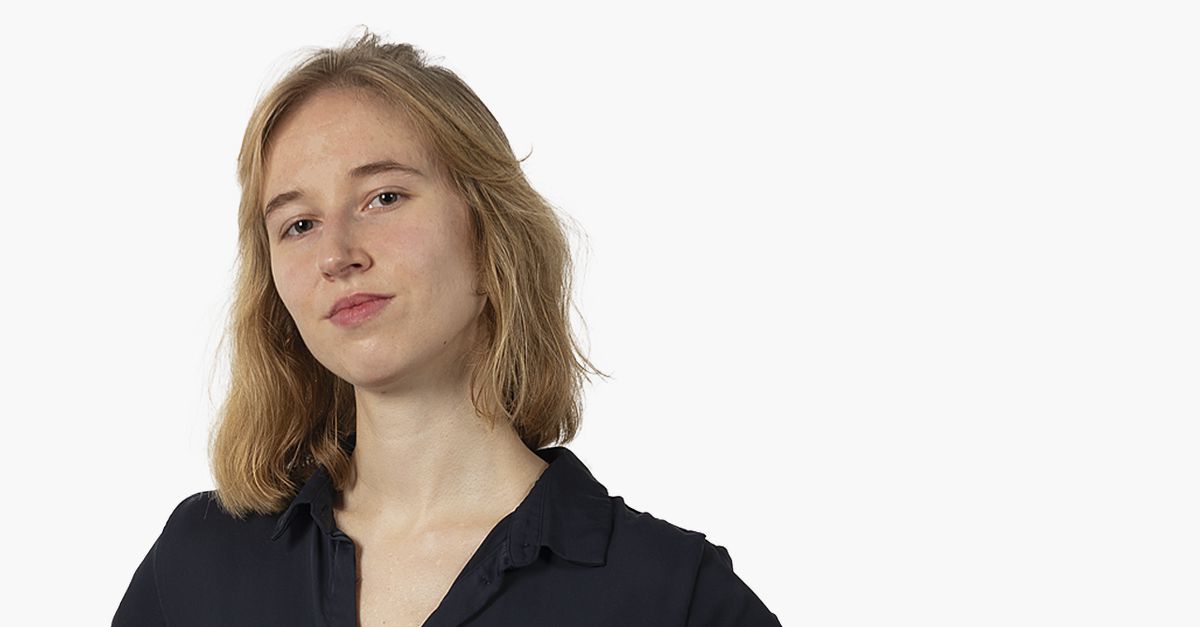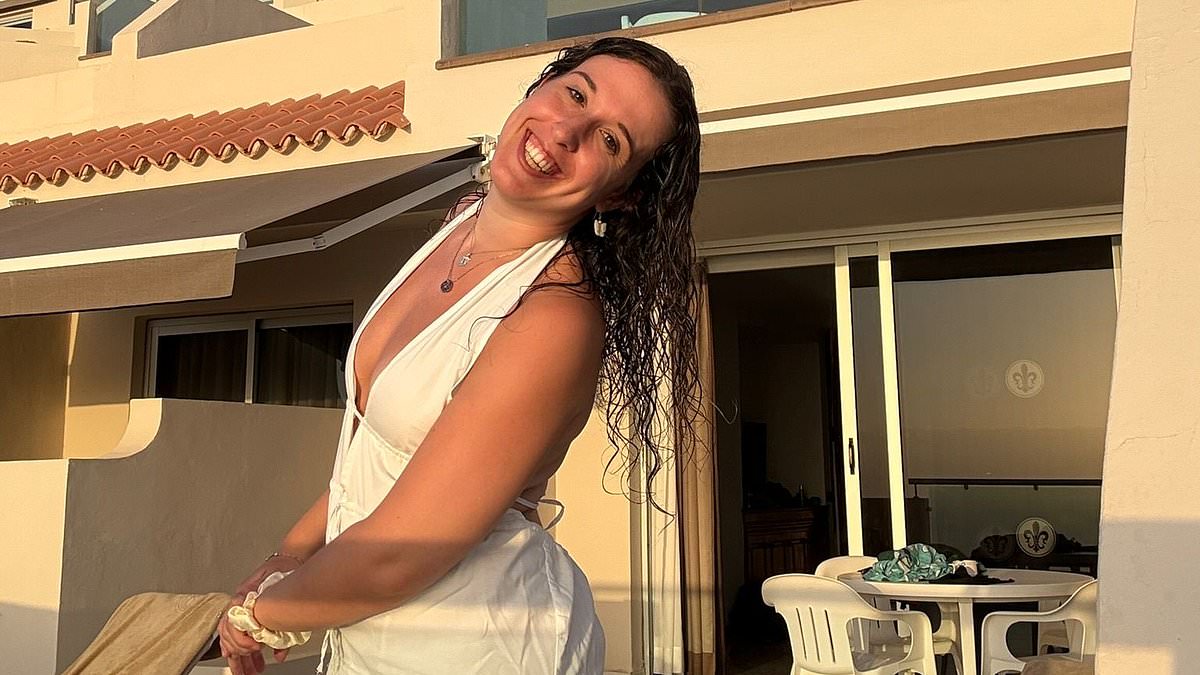
During Covid, Evie King – aged 40 and in good health – had a gigantic 'death clean'. 'I got rid of a good 60 to 70 per cent of my stuff,' she says, speaking from her (now very tidy) home in Essex. She chucked out old CDs, gave knick-knacks to friends and donated clothes to charity. King even posted a photograph of a huge stack of books on Instagram, asking her followers if they wanted them. One man, who was based in Los Angeles, requested a battered copy of the comedian Mike Reid's autobiography that King had bought in a charity shop. She obliged. 'I think it's funny spending 20 quid sending an ex-library book I got for £1 to LA. The guy sent me pictures of it in the Hollywood Hills!'For most people, a 40-year-old binning more than half of their stuff to prepare for their possibly-decades-away death will seem eccentric; for King, it is sensible. Since 2017, the now 46-year-old ex-standup comedian has worked as a council funeral officer. The job involves arranging funerals and organising matters for deceased people who have no one to do so on their behalf. (Section 46 funerals, as these are called, occur around 4,400 times a year.)It means she's seen how much havoc 'clutter' can cause when someone dies. And it means she knows exactly what you need to sort before you snuff it. Now, helpfully, she's written a book – the perfectly titled Get Ahead Of Being Dead, which was published last month. As well as being a memoir (about her work for the council) it's a practical tool, replete with lists for things like funeral wishes, that you fill in as you read. It's also surprisingly cheery. Working in death is 'heightening', says King. 'It makes me really emotional in a good way; I feel happiness much more keenly.'So here are her top tips – of what to do, prepare and check, before the inevitable happens. Former standup Evie King has worked as a council funeral officer since 2017 and had a huge 'death clean' during Covid Her book Get Ahead of Being Dead is both a memoir and a practical tool, replete with lists for things like funeral wishes, that you fill in as you readTake notes'The easiest and first thing to do,' says King, 'is to get a notebook.' (She has a simple one that says on its front page: 'If you are reading this, I am dead.') Leave it somewhere obvious – by your bedside table, in a desk's top drawer – and, inside it, first write all of your basic information: your National Insurance number, your bank, your mortgage provider, your pension provider, your GP, 'and maybe add a quick note on what funeral style you want'. Then King suggests leaving more specific information: a list of all your subscriptions (wi-fi, mobile phone, newspapers, Netflix, gym memberships) that will need to be cancelled; where you park your car (if it's not outside your house); your gas and water providers. 'It's an easy win,' she says. And, for the people who will have to deal with all those pesky administrative tasks once you're not there, 'it's very helpful'.Show will-ingCurrently, just 53 per cent of adults in the UK have wills. King understands why those stats are low; wills are a faff to finish, cost money and have to be done with a legal witness. But, she says, everyone ought to have one. To get a will, most people use solicitors (around £400) though cheaper DIY 'will kits' work, too (King suggests lawpack.co.uk, £24.99). 'And, if you're really strapped, go to a charity who'll do it for free.' King recommends Will Aid, where solicitors draw up wills for a suggested donation.Keep things currentThe question, though, is when to make a will. 'Most people get wills when they marry or buy property,' says King. But, 'if you've got a complex life, I would get a will any time from when you're an adult'. In the UK, your default claimants (aka the people who decide what happens and keep your money once you're dead) are your spouse, children and parents – in that order of importance. 'So if, for example, you're not married to your partner, but you've lived with them for 30 years, and your parent hates them, the partner could get left out of your funeral and legitimately cut out [from your inheritance].'Also, when you've got a will, keep it updated – because if, for another example, you married and had children in your 30s, then divorced and remarried in your 60s, any previous will would become void and your second spouse would be entitled to everything ahead of your children. Eek.Draw up a care planEverybody wants 'a good death', says King. And, to help yourself get one, you should create an 'advance care plan'. It's a list of all the things you would like to happen if you were to become incapacitated. These can be important ('Would you refuse being on a long-term feeding tube?') to tiny and everyday ('Would you rather a carer give you a bath or shower?'). It sounds gloomy, but the good news is advance care plans don't need to be done by a lawyer, and several charities – like Dementia UK and Marie Curie – offer free templates online.Think about power of attorneyIn order for an advance care plan to be enacted legally, you must sort a Lasting Power of Attorney (LPA). This is a document that appoints a trusted person to make your decisions for you if you're unable to do so yourself. You can get an LPA through the official gov.uk website (for £92) or through an LPA consultant or solicitor (where they cost around £300).Throw things outKing's aforementioned death clean is, she insists, 'good practice at any stage'. But it's really good practice when you are getting older. 'Once you die, the stuff becomes you and the people left behind feel they can't clear your house easily. But things don't have as much sentimental value when you're alive.' If you don't do a death clean, you risk your relatives holding a chipped mug, and saying, "This teacup! She drank from it! We'll keep it!"'Don't forget why you're doing itDeath admin is a slog: wills cost money, advance care plans require several hours to fill out, and death cleans can take years. But, says King, 'Once you've got the tenets, it's just about making tweaks here and there, which isn't too bad.' And you save everyone who outlives you a lot of bother and time. King – who has a partner but no children – does not know who exactly will survive her. 'But when I die, I can rest safely knowing that the bulk of the admin will have been done for them. And I'll be happy that they can get on with their life quickly, because I've dealt with it. I want people to be able to live on to the maximum – because you don't want to interrupt anyone else's life. Life's short and really precious.'
I'm only 40, but these are the 7 steps I'm taking to prepare for death
During Covid, Evie King - aged 40 and in good health - had a gigantic 'death clean'. 'I got rid of a good 60 to 70 per cent of my stuff,' she says, speaking from her (now very tidy) home in Essex.
1,179 words~5 min read