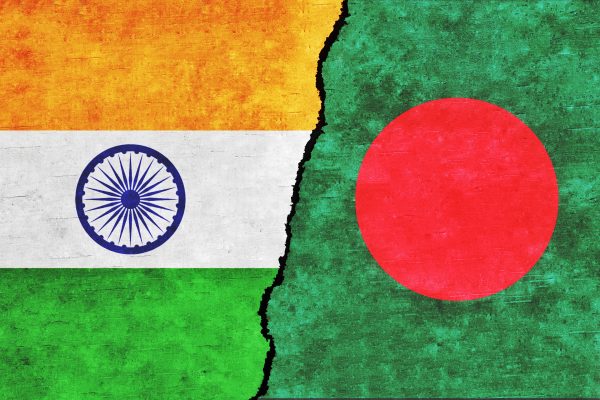
French philosopher and writer Ernest Renan argued that forgetting is as necessary to a nation as remembering. The Argentine sociologist Elizabeth Jelin made a less serene proposition: public memory is contested work, shaped by “memory entrepreneurs” who decide which version of the past may govern the present.
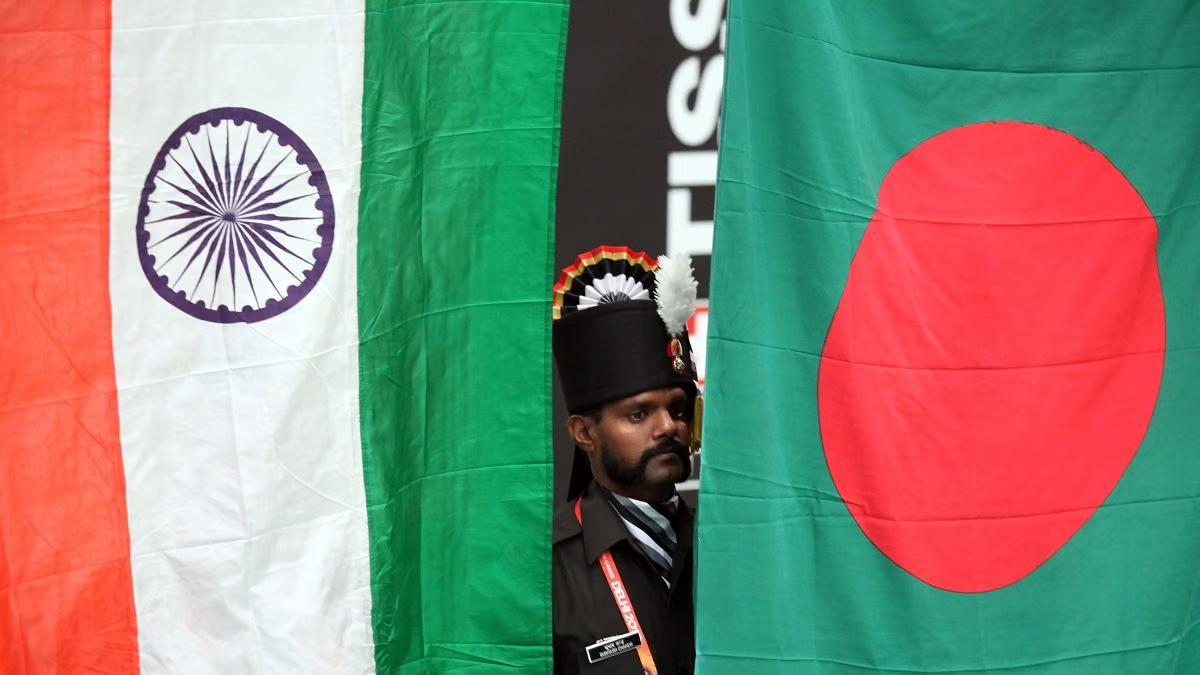
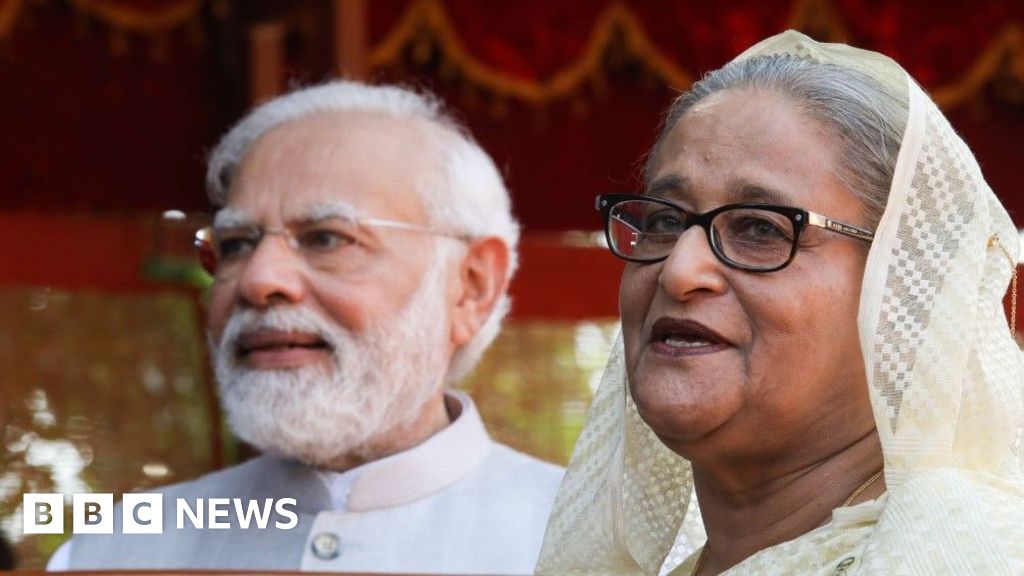
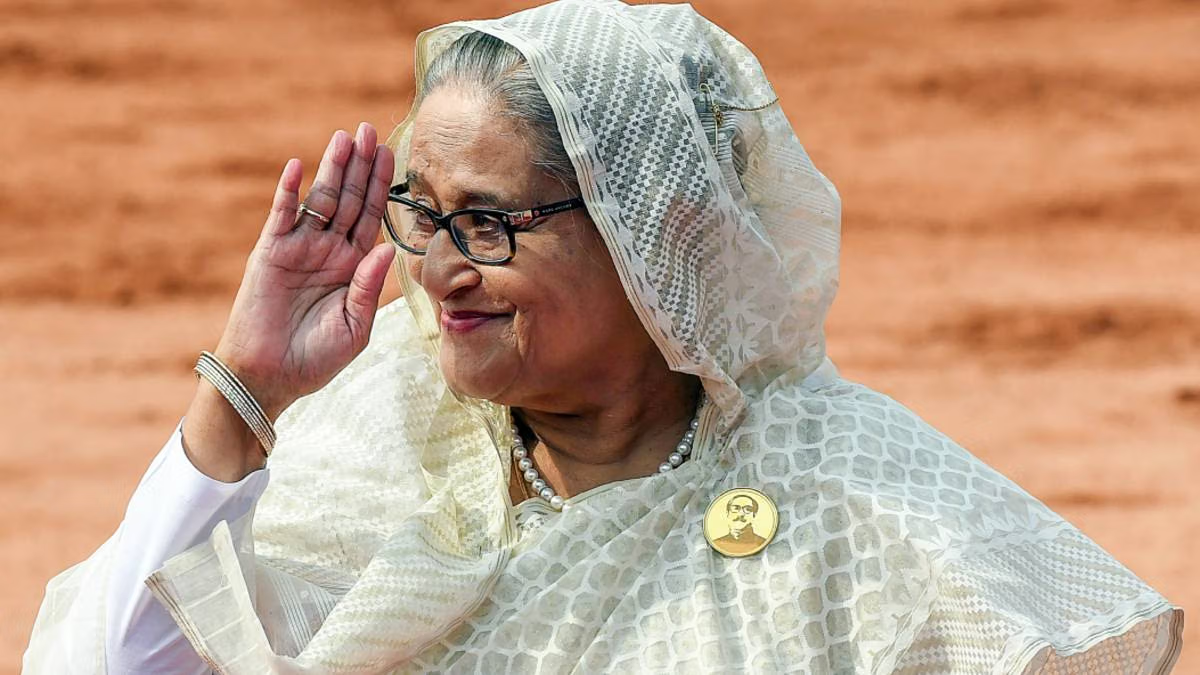
Bangladesh is now conducting a somewhat similar exercise through its post-Hasina foreign policy. The problem is not that it has kept the geopolitics of 1971 on the side to ‘move on’. It is that repudiating one custodian of 1971 – Sheikh Hasina – is beginning to give Bangladesh’s foreign policy borderline strategic machoism – the country is pushing itself to sleep with its killers – and it is asserted as the new normal.
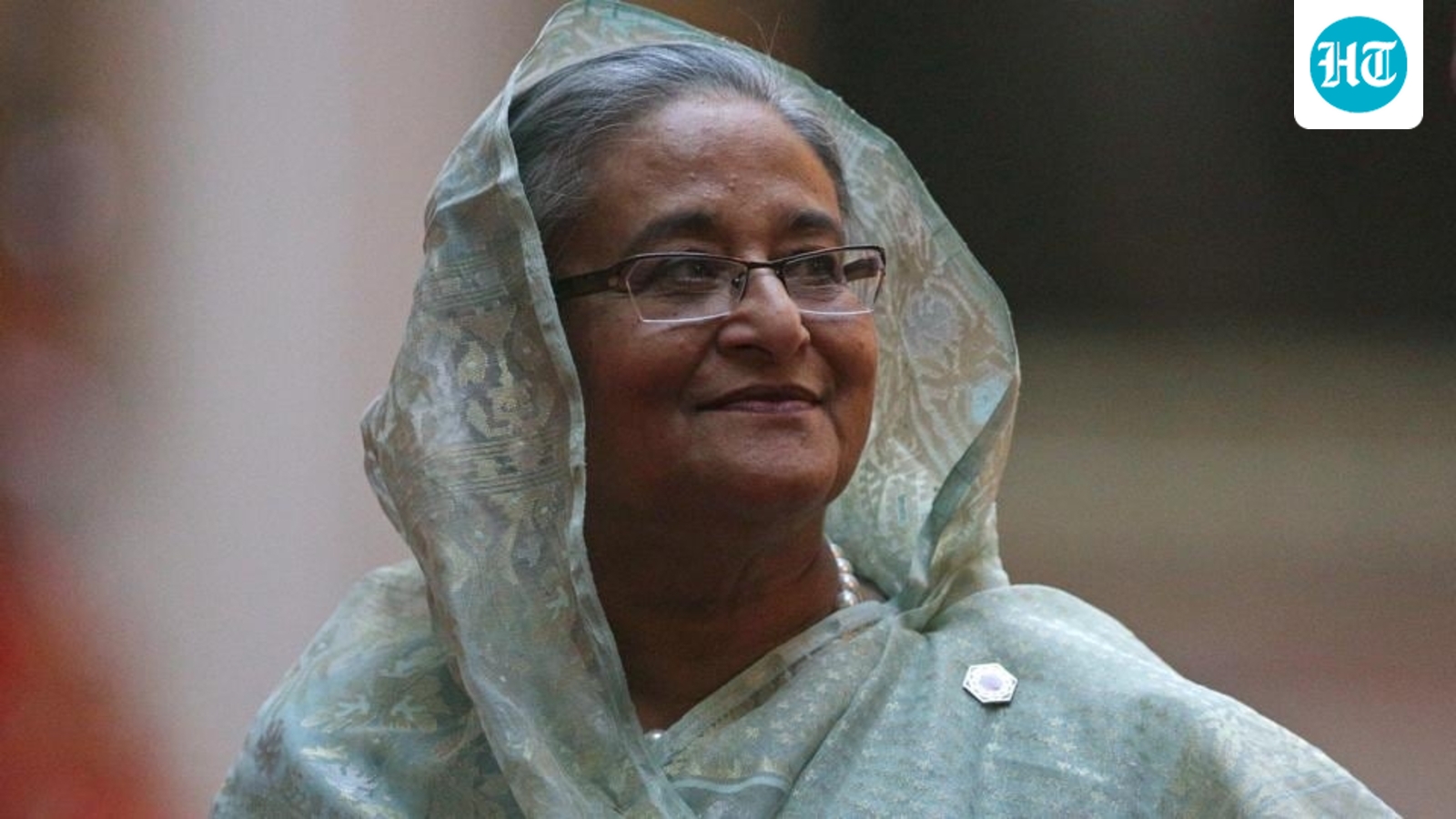
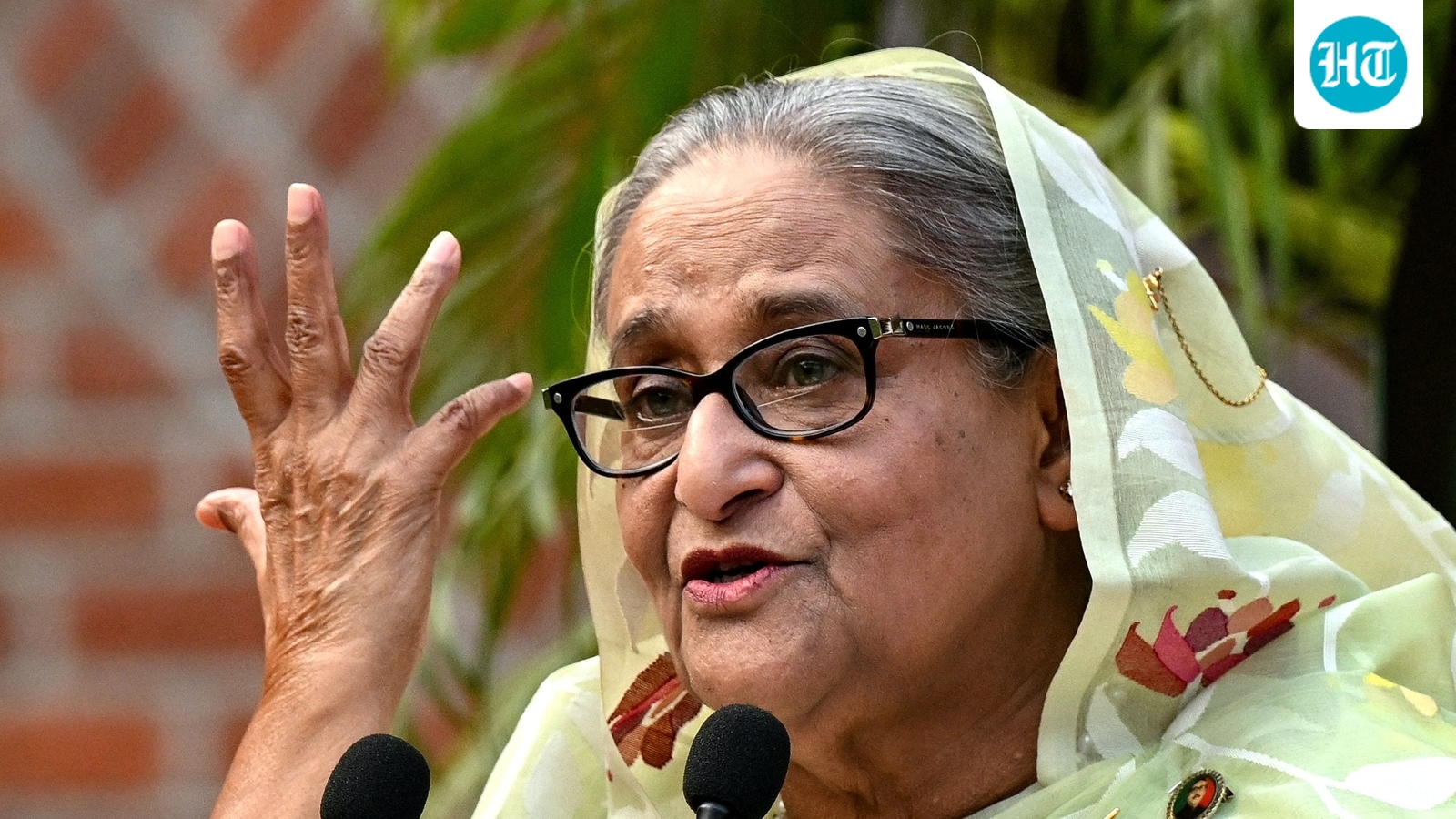
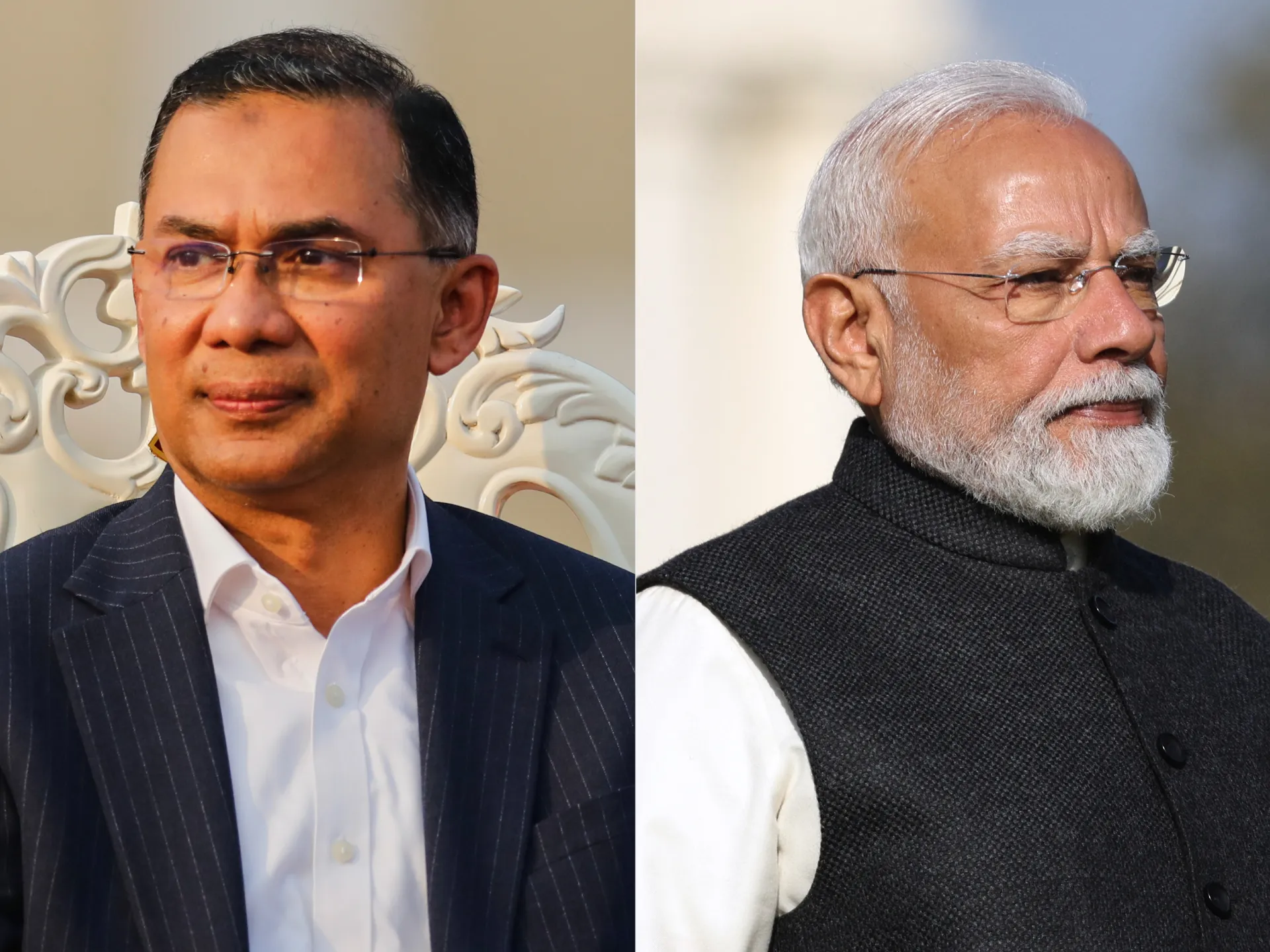
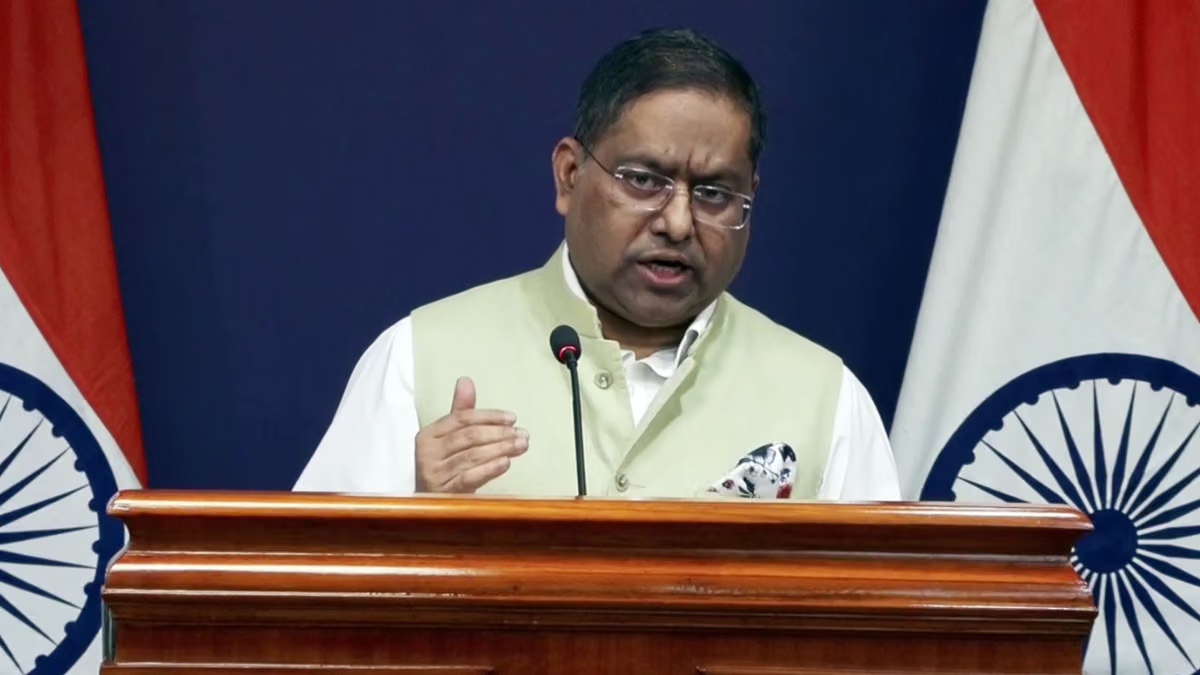
Prime Minister Tarique Rahman’s first proposed visit to India offers the immediate peg. Preparations had begun, but the visit stalled after Hasina addressed a virtual press conference from New Delhi on 5 August, attacked Bangladesh’s government and promised to return. India said it had neither organised nor endorsed a private event, but Dhaka chose to see little distinction between endorsement and permission. It demanded Hasina’s extradition and insisted that a “propitious environment” must precede Rahman’s visit.