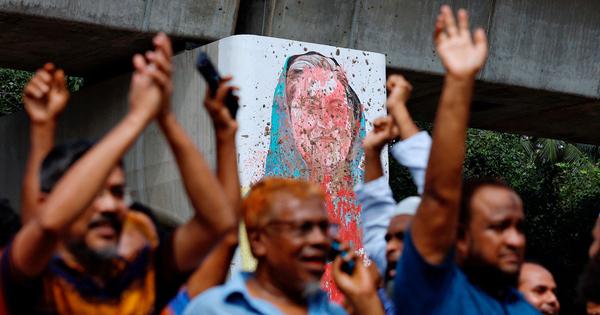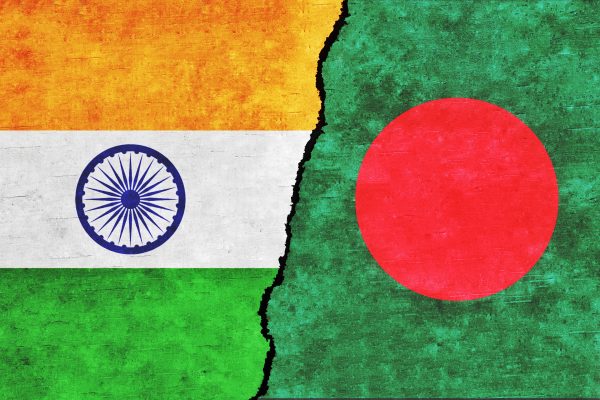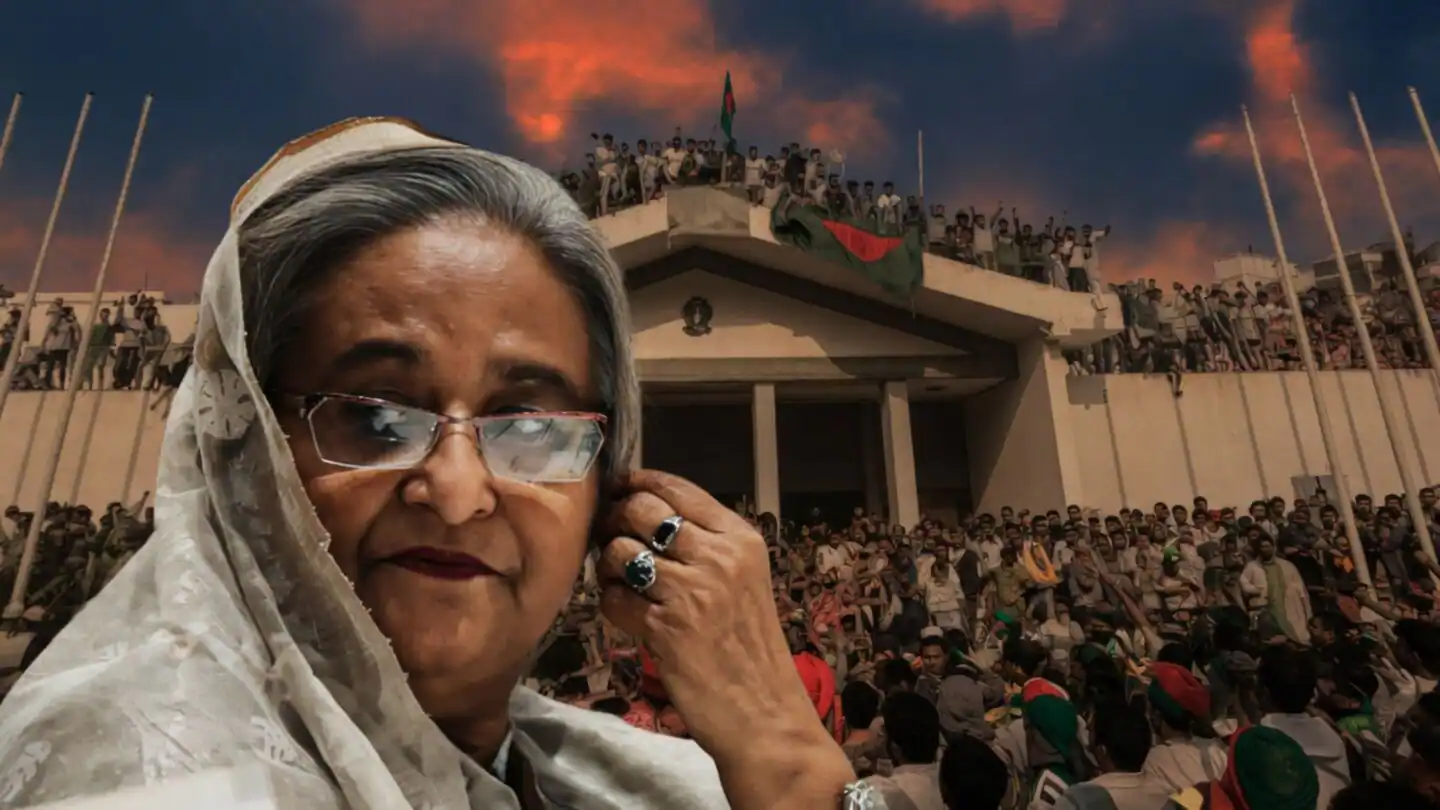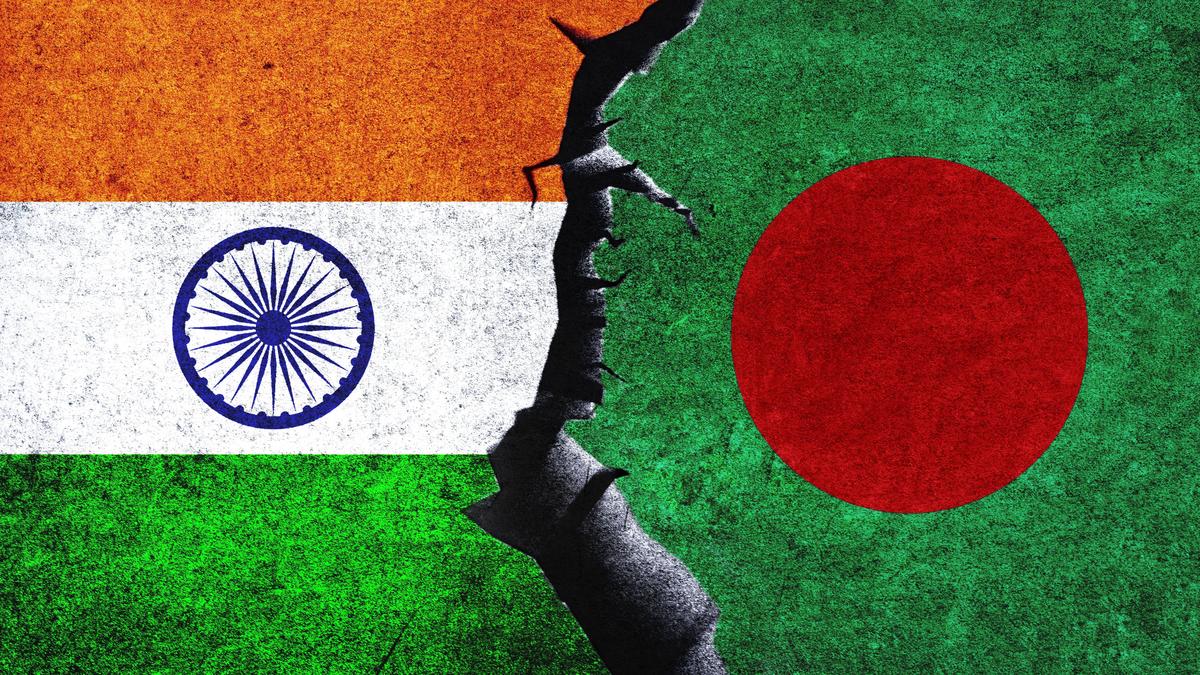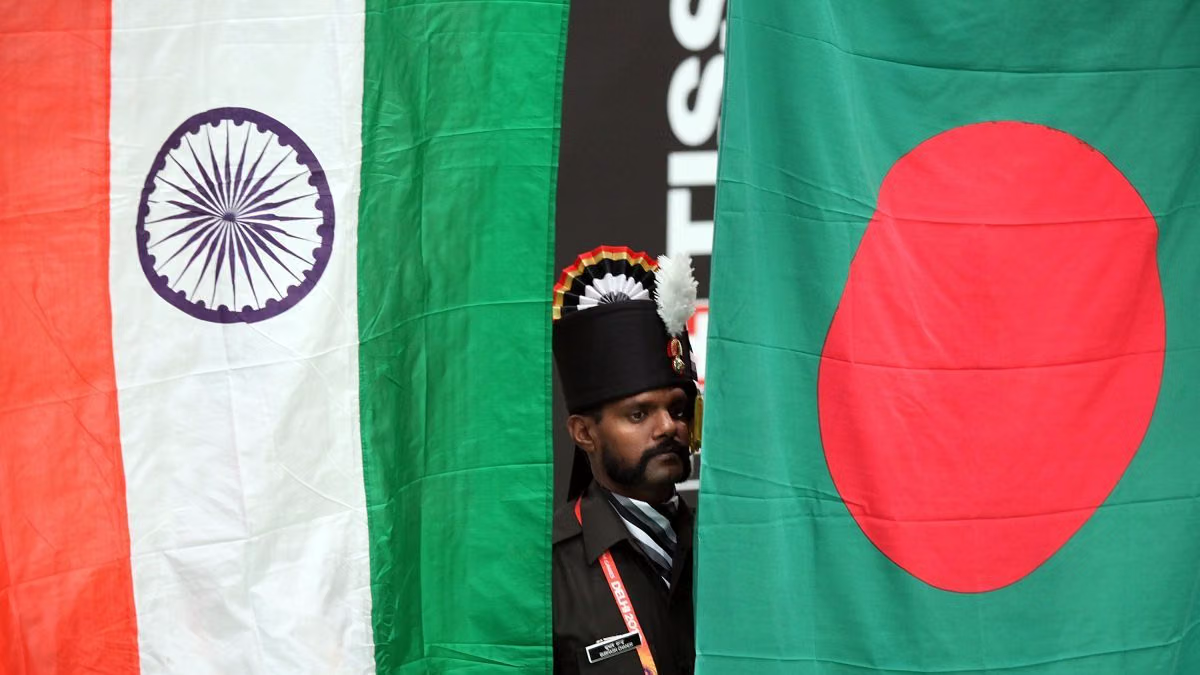
New Delhi: Two years since student-led protests toppled Sheikh Hasina and changed Bangladesh’s political landscape, New Delhi and Dhaka are still navigating an uneasy reset. Even as Dhaka deepens engagement with China and Pakistan, India and Bangladesh remain bound by strategic, economic and geographic interdependencies that neither side can afford to ignore.
Despite the so-called end of a golden era in India-Bangladesh ties, Bangladesh’s foreign policy is historically seen to have oscillated between pro-India and pro-Pakistan positions. Dhaka has also strived to secure strategic autonomy over the years.While China has emerged as Bangladesh’s largest trading partner and military supplier, New Delhi is still Dhaka’s second largest trade partner and Bangladesh remains the largest recipient of Indian developmental assistance.
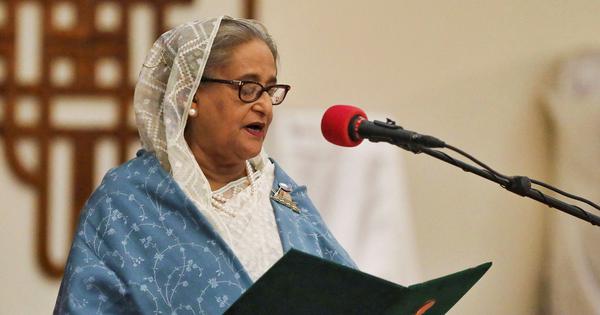
Within this geopolitical calculus, India and Bangladesh’s mutual interdependencies in terms of regional security, trade, and connectivity, continue to underpin bilateral ties. The recent tension over Hasina’s speech shows that both countries are navigating a delicate diplomatic phase.
Bangladesh’s political evolution
Since its liberation in 1971, Bangladesh’s foreign policy has alternated between the relatively “pro-Indian” positions of Awami League governments (between 1972-1975, 1996-2001 and 2009-2024) and the “pro-Pakistani” outlook of both successive military rulers (1975-1990) and Bangladesh Nationalist Party (BNP) governments (1991-96, 2001-06, and 2026 onwards).These foreign policy oscillations also reflect Bangladesh’s volatile and polarised political evolution characterised by bitter political rivalries, coups, and assassinations.Given India’s support in the 1971 liberation war when Pakistani forces engaged in large scale atrocities, Sheikh Mujibur Rahman’s Awami League government (1972-75) nurtured a close relationship with New Delhi. However, after his assassination in 1975, Bangladesh fell under 15 years of military rule, first under Ziaur Rahman (1975-1981), and later under General E.M. Ershad (1982-1990), when Dhaka reestablished ties with Islamabad.After a popular uprising against military rule in 1990, the BNP won the 1991 general elections, with Khaleda Zia serving as the PM between 1991 and 1996. However, it was only after Hasina’s Awami League came to power between 1996 and 2001 when the India-Bangladesh ties improved, especially after both countries signed the 30-year Ganga Water Sharing Treaty in 1996.Bilateral ties were again strained when the BNP returned to power between 2001 and 2006, when India accused Bangladesh of sheltering Northeast insurgent groups.In 2009, Hasina returned to power, ushering in the “golden era” (2009-2024) of ties with India. Over the next 15 years, the two neighbours signed multiple agreements on trade, connectivity, energy co-operation, and people to people exchanges.Most significantly, both countries managed to successfully resolve their longstanding land and maritime boundary dispute—the 2015 implementation of the Land Boundary Agreement and Bangladesh’s acceptance of the 2014 international arbitration award on the maritime boundary—now considered a model for successful dispute resolution.