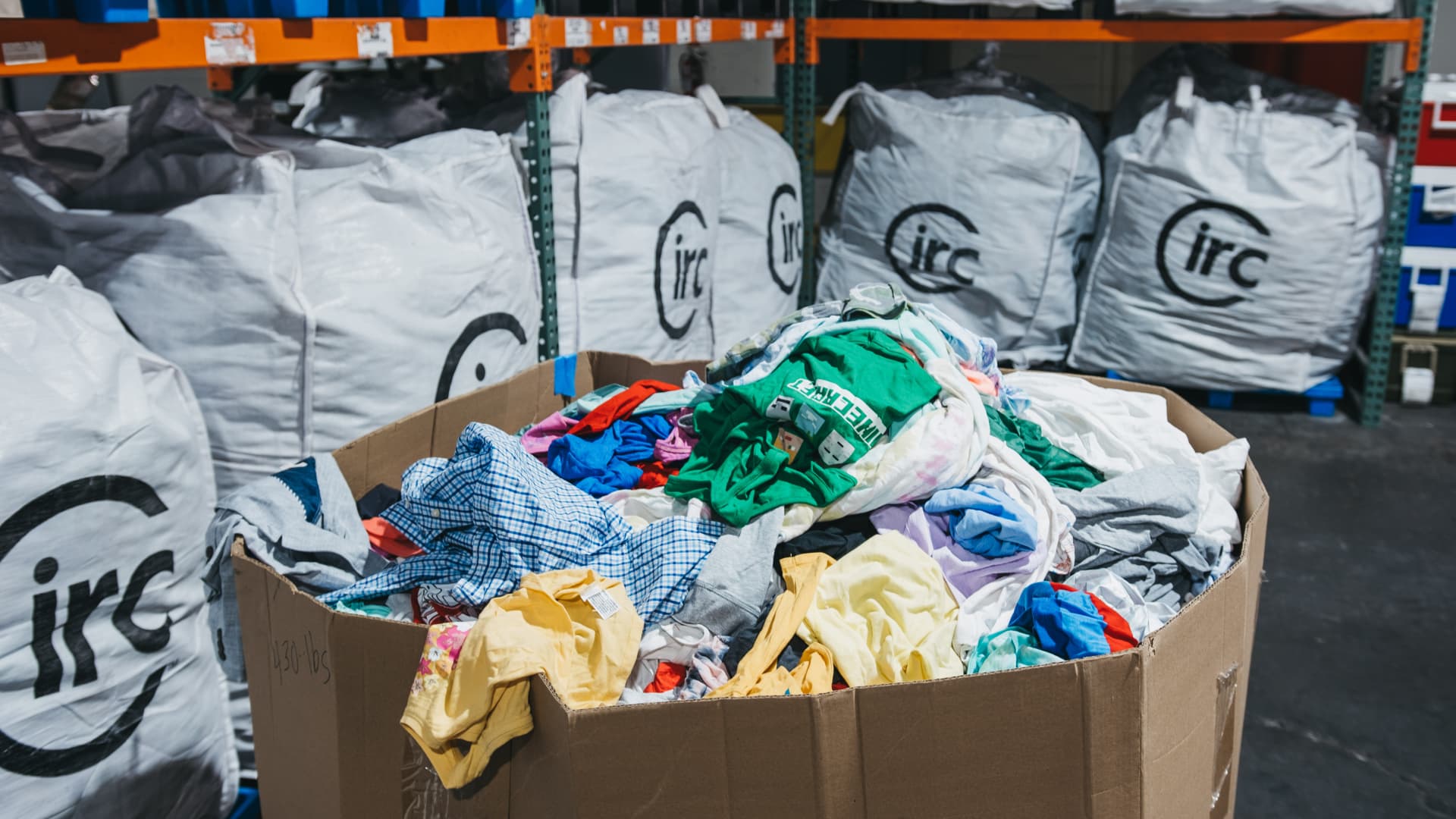
Fast fashion is built on cheap, short-lived garments, especially cotton and polyester T-shirts. To sustain its profits, the industry relies on high production frequency, short product lifespan and a globalized supply chain. All these elements contribute to making the industry a major source of global pollution.
A new Concordia-led study examined the full life cycle of polyester and cotton T-shirts to determine which stages—from manufacturing and shipping to consumer use and disposal—had the greatest environmental impacts. It also considered where the biggest reductions could be made.
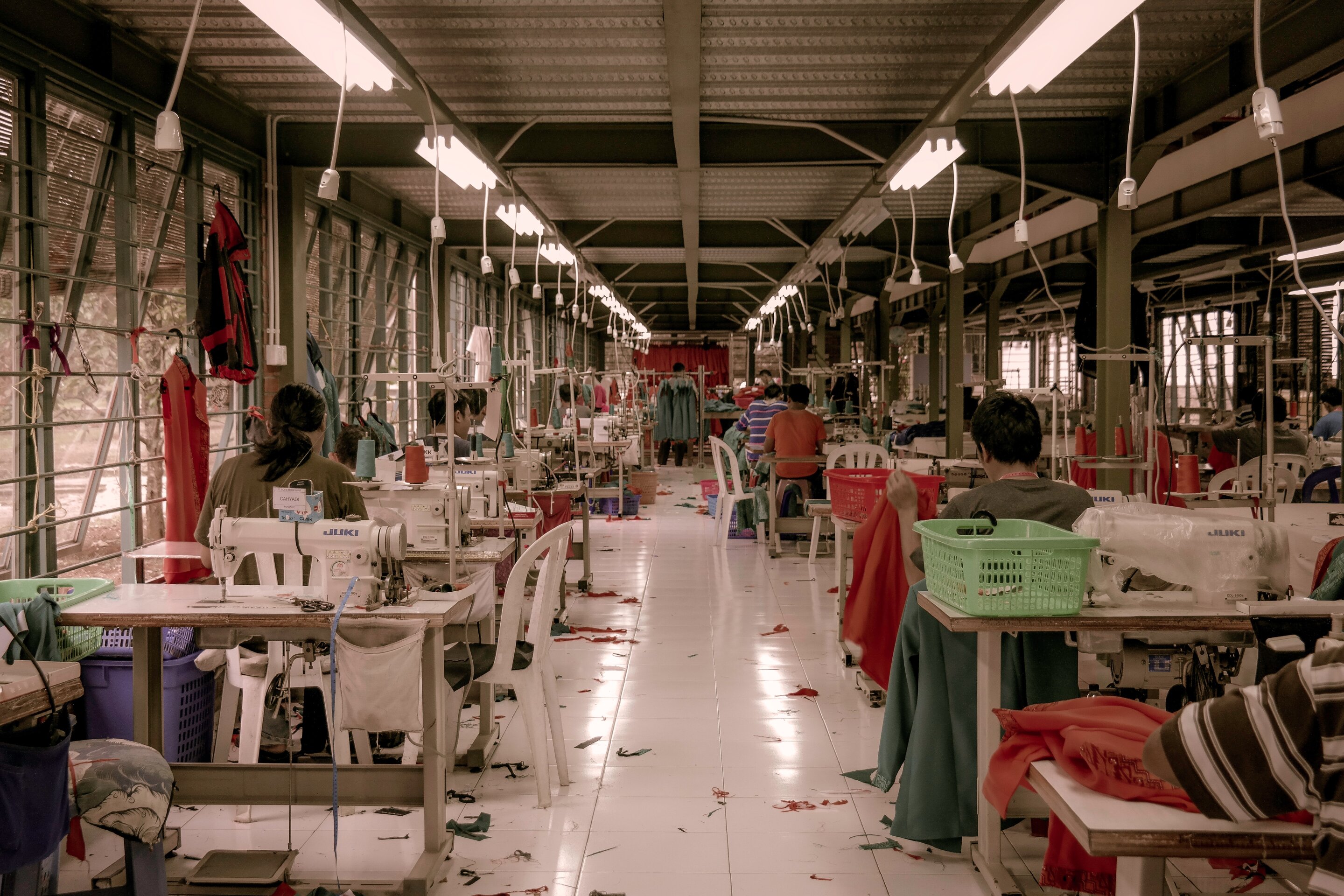
The researchers analyzed the fast fashion production cycle, from materials used and garment manufacturing in China to transportation, consumer use in Montreal and final disposal. The team also considered different scenarios, including alternative shipping methods, disposal options and longer garment lifespans, to see which changes would have the greatest effect.
Under the baseline scenario, polyester T-shirts generated substantially more greenhouse gas emissions than cotton ones because producing synthetic fibers requires more energy and fossil fuels. Cotton, however, placed much greater demands on land and water, reflecting the resources needed to grow the crop.