In 2020, Mexico joined 150 nations committing to protect 30% of its territory by 2030 as part of the global 30x30 initiative. More than halfway through the decade, there is ongoing debate about how to effectively expand protected areas to meet that ambitious goal.
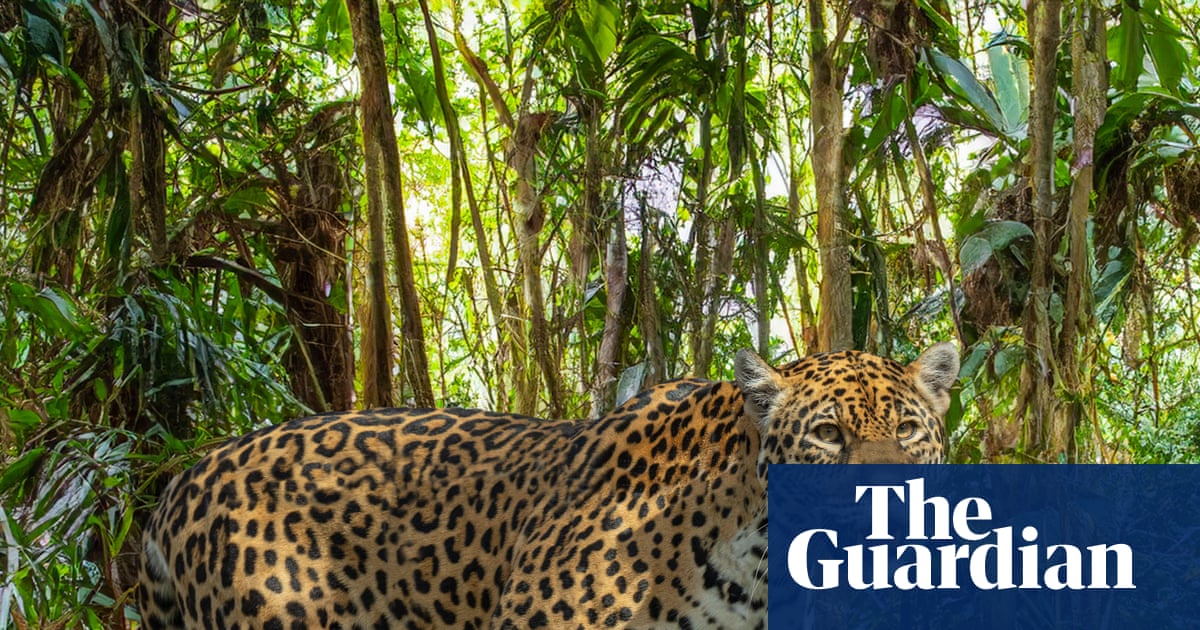
Mapping the overlap between the country's current network of protected land and the habitat of 28 terrestrial carnivores, ecologists at the Yale School of the Environment found that 16% of habitat is covered by legally designated conservation areas. The percentage overlap is lower when considering threatened and endangered species specifically, according to the study published in Conservation Science and Practice.
The overlap balloons to 39%, though, when the researchers expanded their analysis to include wildlife management units and Indigenous territories—land management types that do not officially count toward Mexico's biodiversity goals but clearly have a role to play in conservation, the authors say. That finding highlights the need for a diverse mosaic of conservation areas to protect carnivores.
"We're getting close to 2030, so if we're going to meet the 30x30 targets, we need a strategy. We need to be deliberate about what counts and what is actually working," said study author Nyeema Harris, the Knobloch Family Association Professor of Wildlife and Land Conservation. "This analysis allows us to take that first step to assess the portfolio we have, figure out what's missing and decide where to focus our attention."