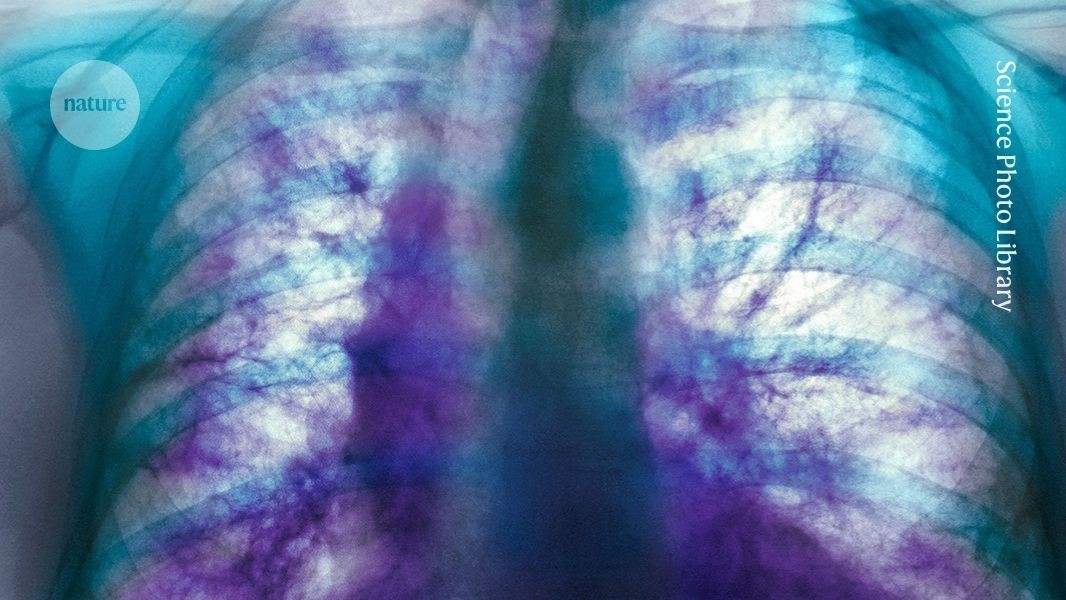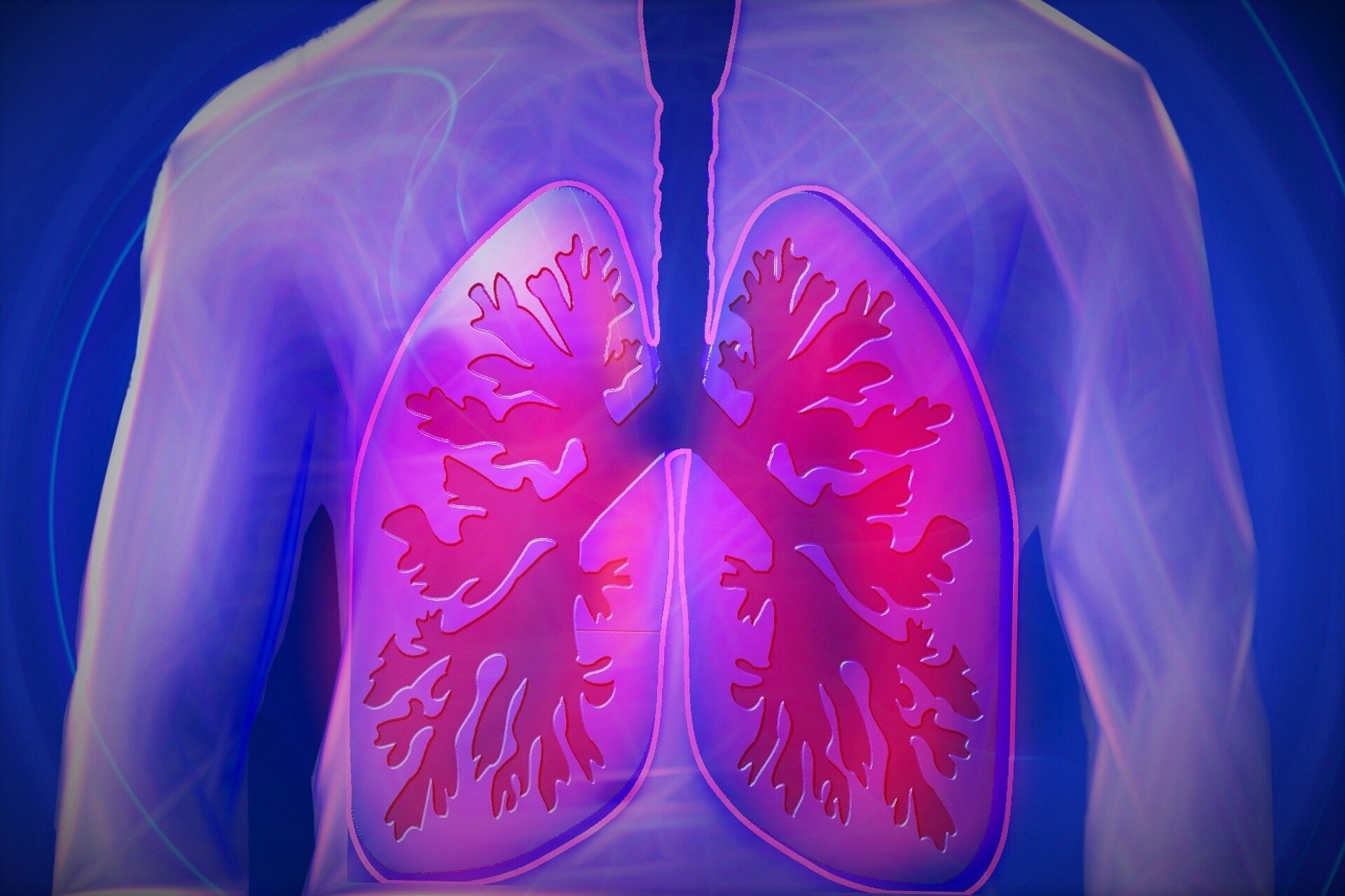
Millions of people worldwide are affected by diseases that cause scarring of the lungs, often leading to breathing difficulties and reduced quality of life. Progressive scarring of the lungs can severely impair breathing and is a hallmark of many chronic lung diseases, most notably pulmonary fibrosis, for which treatment options remain very limited and ineffective.
A hidden vascular trigger
A new collaborative study from the laboratories of Dr. Xaralabos Varelas and Dr. Giovanni Ligresti at Boston University Chobanian & Avedisian School of Medicine has identified a distinct population of cells located in lung veins that becomes active after injury and helps create an environment that promotes scar tissue formation, a process known as fibrosis.
The identification of a previously unrecognized driver of lung fibrosis and a signaling pathway that can be targeted offers new opportunities for developing therapies to prevent or slow disease progression in pulmonary fibrosis and other fibrotic lung diseases. These findings appear online in the journal Science Advances.
"Our findings suggest that the lung's blood vessels are not simply bystanders in fibrosis but may actively drive disease through changes in the specialized cells that line the lung vasculature," explains first author Kostas Kontodimas, a graduate student in the Department of Biochemistry and Cell Biology.