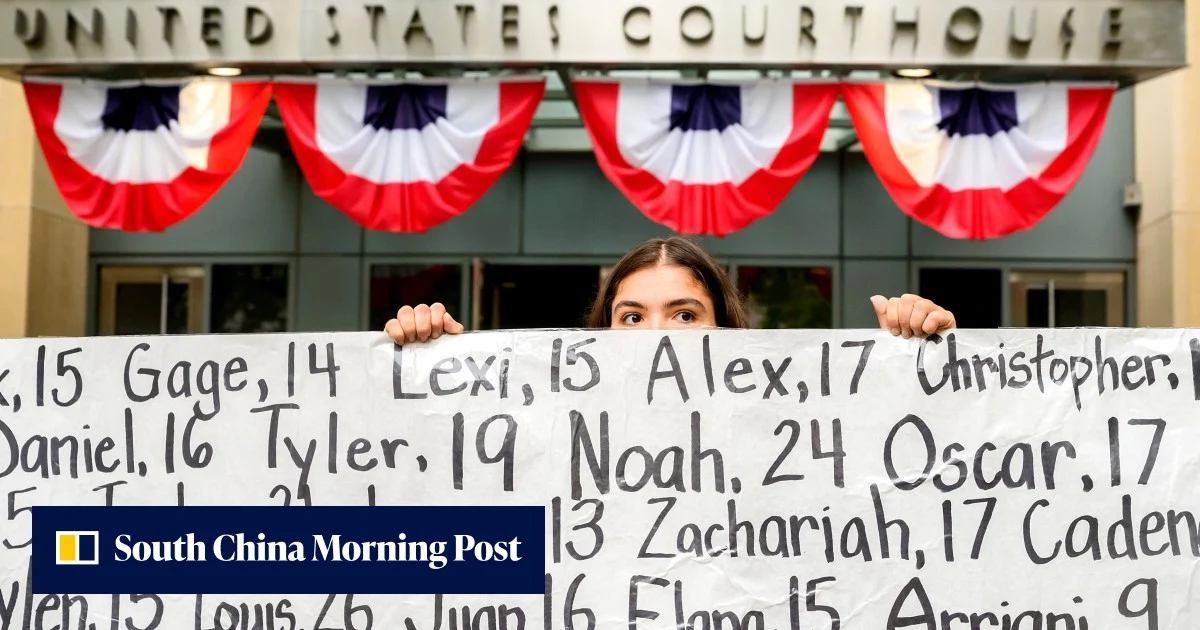
Meta has agreed to pay up to US$17 billion over 10 years to settle claims brought by a bipartisan coalition of state attorneys general. The states argued that the company deliberately designed Facebook and Instagram to hook children into using its apps, misled the public about the harm and improperly collected data from children under 13.
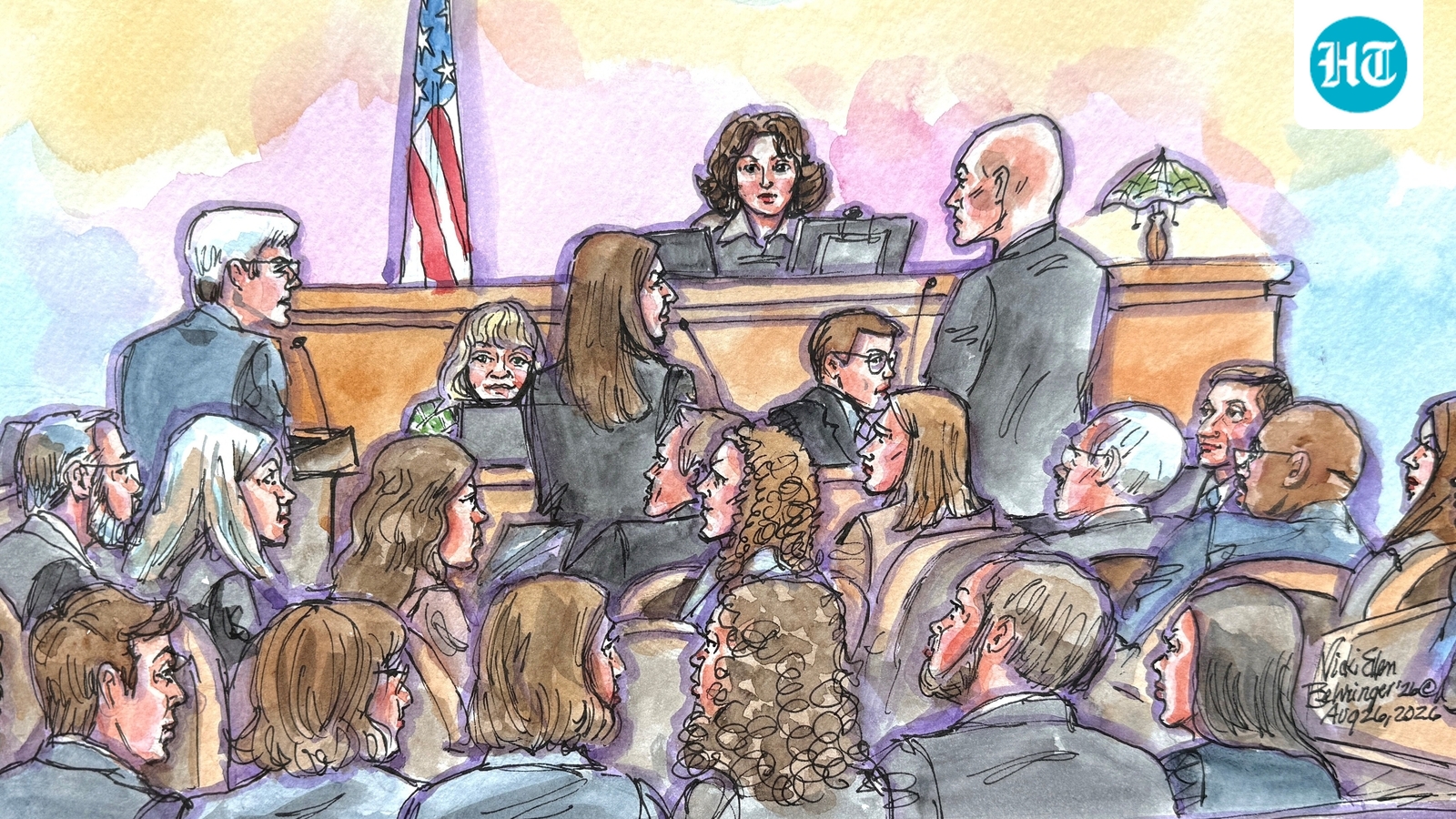
The settlement, announced by Meta on Aug. 26, 2026, ended a federal trial that had barely begun in Oakland, California. The potential financial exposure in the case was enormous, and Meta’s stock price took a hit. The states argued that penalties could reach hundreds of billions of dollars.
Against that backdrop, and with a $1.4 trillion question mark hanging over its valuation, Meta settled, although the company continues to deny wrongdoing. The settlement still requires approval from Judge Yvonne Gonzalez Rogers.
As a technology policy and law scholar, I follow with interest the litigation against Meta and other social media companies. The basic contours of this settlement are now public, and I believe they deserve careful attention because of the product design changes it might compel Meta, TikTok and YouTube to make.
What the states alleged