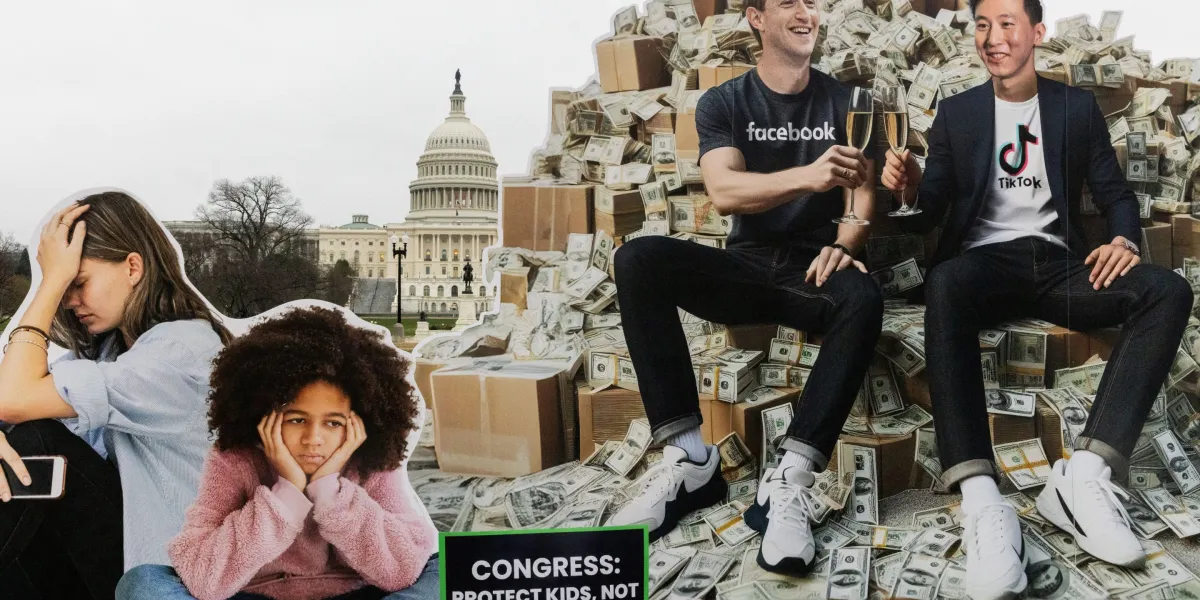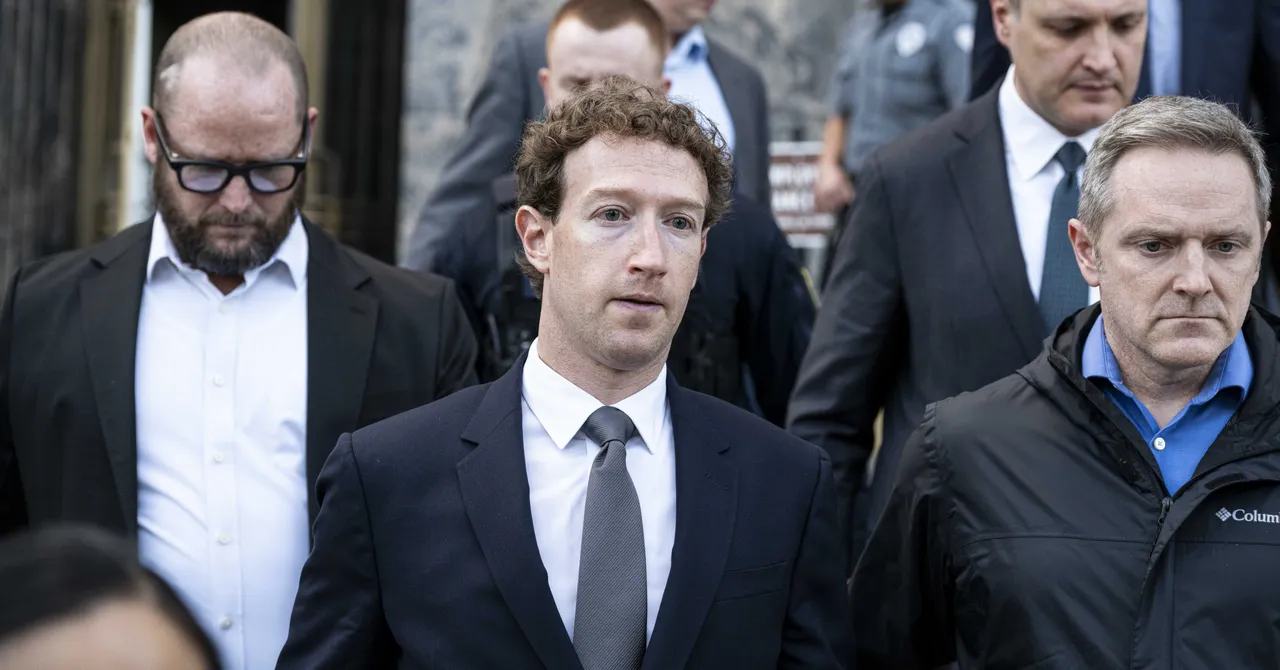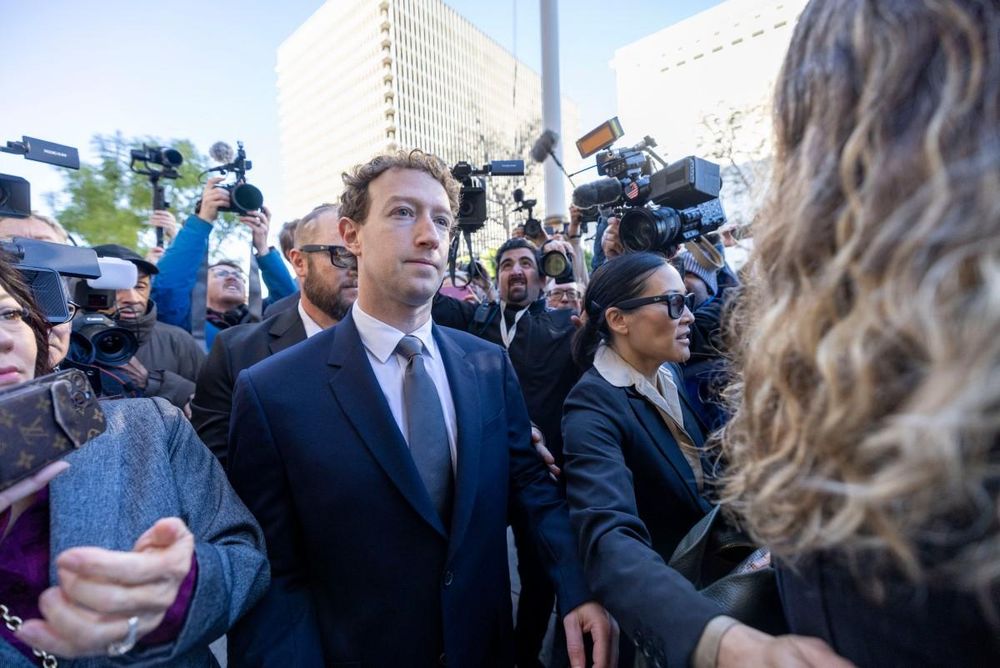
Meta announced on Wednesday that it has offered to pay about $18 billion to settle the lawsuit against it brought by 52 attorneys general from US states, territories, and the District of Columbia. But part of that payout and some of its concessions are being conditioned on whether YouTube and TikTok will adopt its new teen-targeted usage restrictions, too. The case, led by the California Attorney General, was first filed in 2023, and accused Zuckercorp of not only illegally collecting data on its underage users, but also designing its platforms in such a way that it put young users at risk and drove excessive use. All the while, the suit alleged, Meta lied about those risks to users, their families, and the public in violation of state and federal laws. Meta admitted no wrongdoing in the proposed settlement, naturally, though it’s still going to make considerable changes to ensure the not-risks it didn’t inflict on children won’t continue to cause them any nonexistent mental health harms on its pair of totally innocent social media platforms.
And nothing happens unless a judge approves.
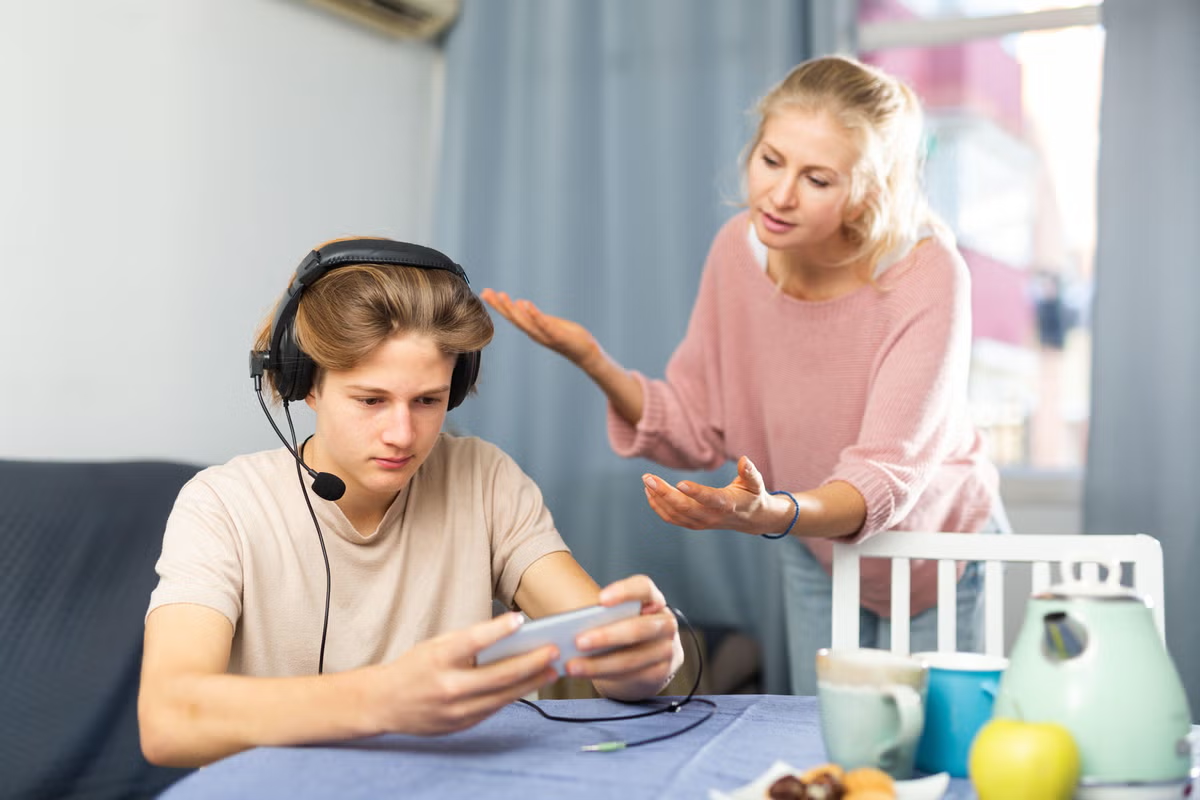
What Meta is offeringIf the settlement is approved by the judge in the case, Meta will implement changes to accounts held by kids under 18, including a two-hour daily time limit that’s shared across Facebook and Instagram, default blocking of its apps between midnight and 6AM, muted notifications during school hours (8AM - 3PM), prompts every 15 minutes encouraging them to stop mindlessly scrolling, an option to disable autoplay on videos, hiding likes and reactions by default, and a block on “extreme makeup filters.” Most interestingly, Meta said it’ll also give teens the option to choose a non-algorithmic feed that “isn’t personalized by our recommendation systems … as their default” in order to weed out the garbage that Meta algorithms tend to surface to users. No word on whether that option will be made available to adult users too – we asked, but didn’t hear back.Direct messages on Facebook and Instagram, we note, are exempt from night mode, time limits, and school notification pauses, as Meta wants “to allow teens to stay connected with friends and family.” Meta also said it’ll dole out the roughly $18 billion settlement across the states and territories party to the deal, with funds ultimately used at those governments’ discretion, though with the intention it go toward addressing mental health harms to kids due to social media. The payment will be distributed in annual installments over 10 years, making this a drop in the bucket for Zuck and friends. For reference, Meta’s Q2 2026 revenue, reported at the end of July, was $60.8 billion.“Meta has agreed to make massive transformations that will reduce the risk of harm from its platforms — and will do it within months,” California AG Rob Bonta said of the deal. “I am proud to deliver this settlement that addresses the concerns at the core of our lawsuit and institutes real change, real transparency, and real enforceable protections for children on Facebook and Instagram — right now, no more waiting.”Meta wants its peers to share the blame