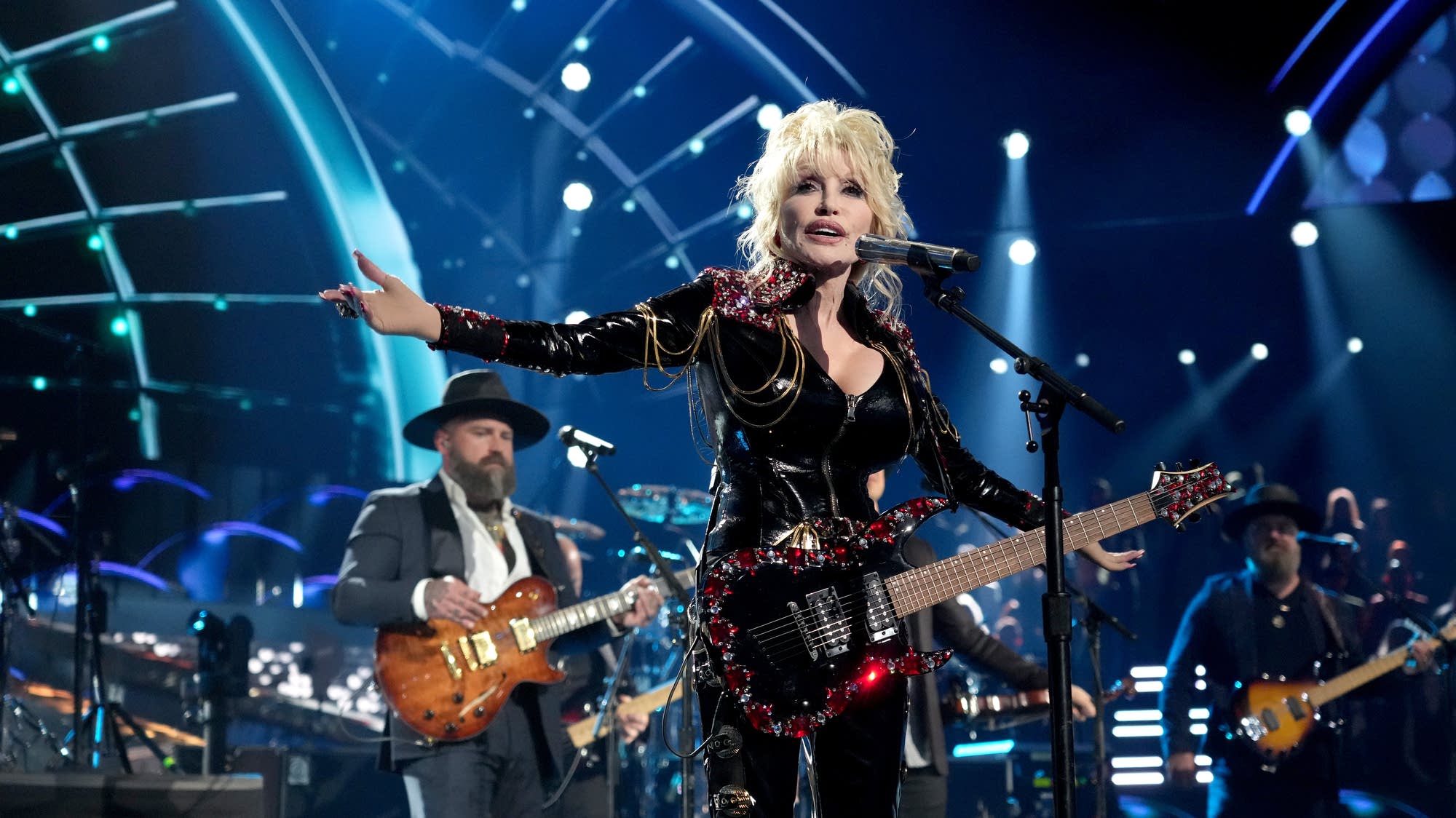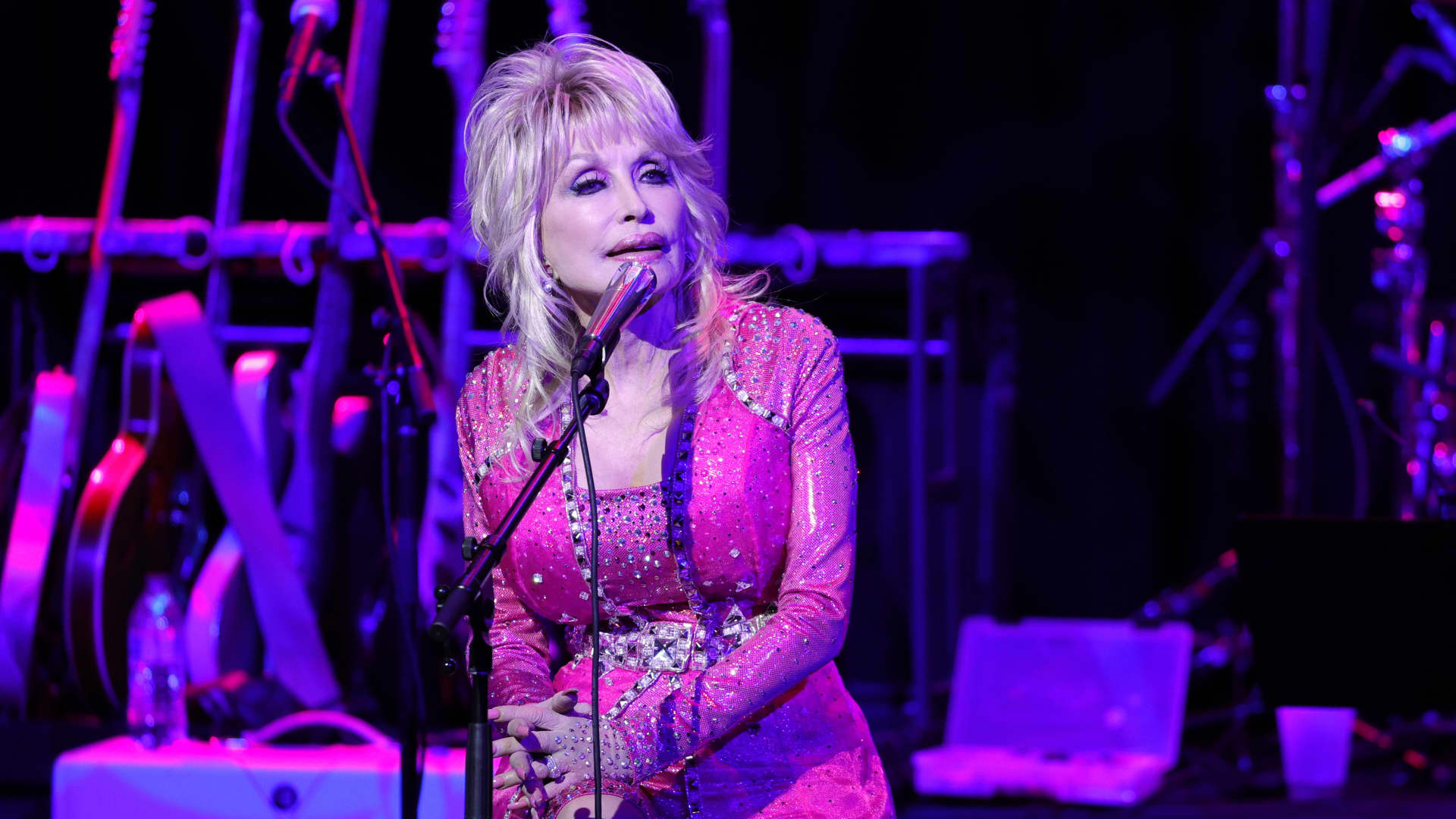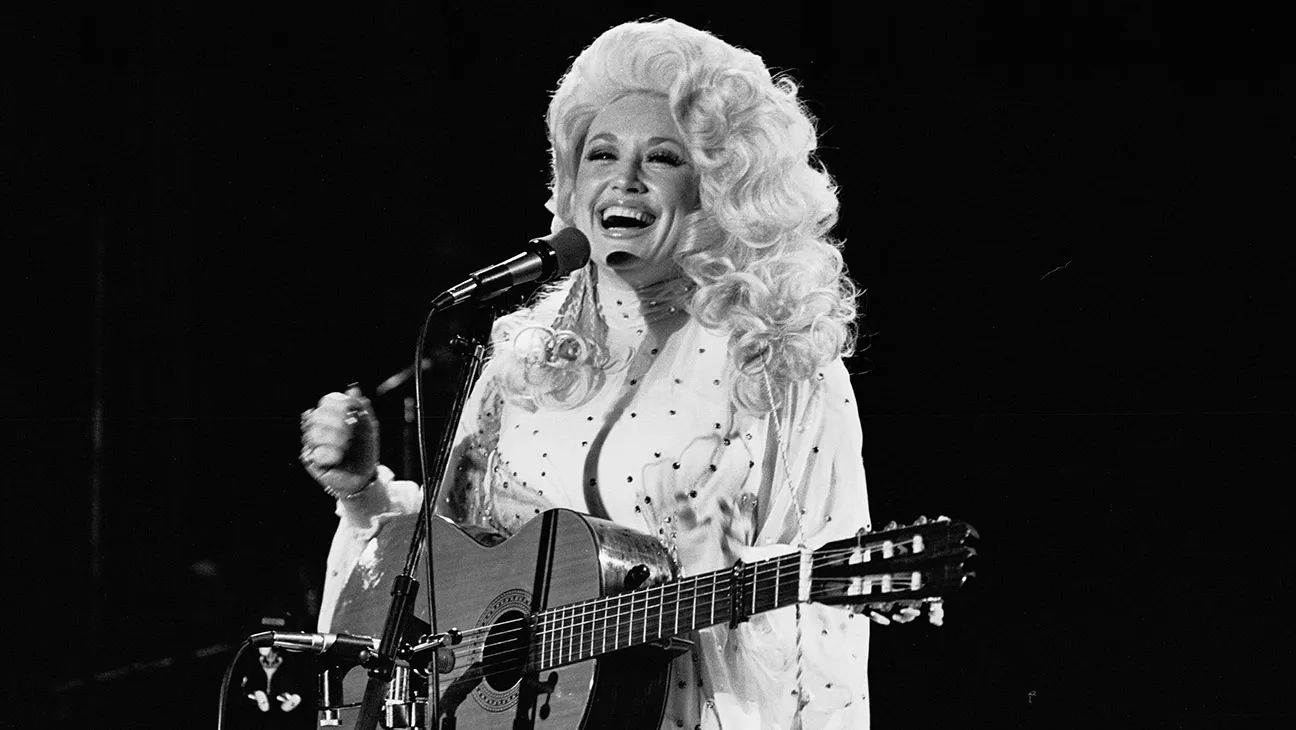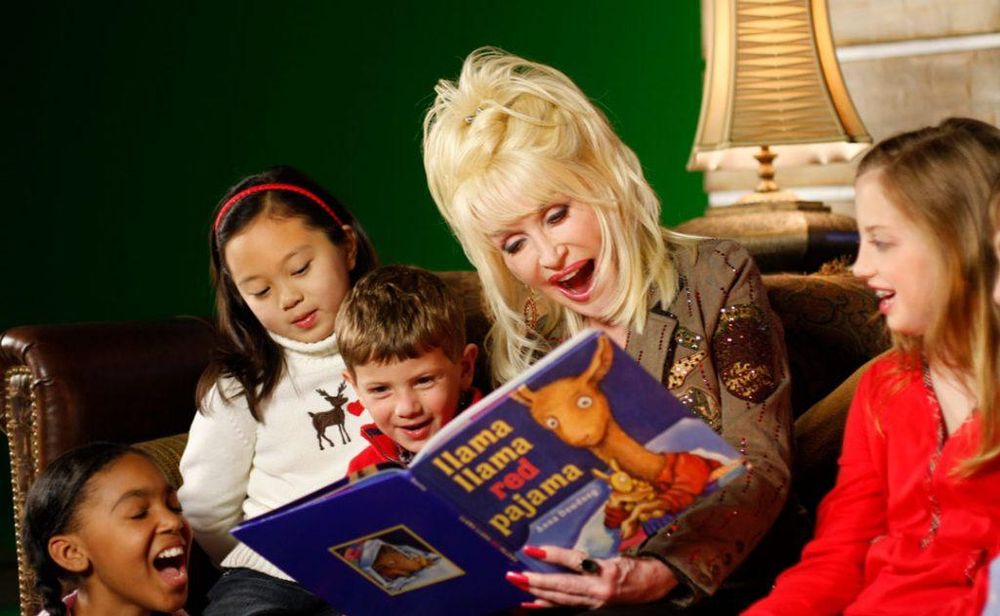
Country music icon Dolly Parton provided a powerful blueprint for allyship. RedfernsCountry music icon Dolly Parton, 80, recently died after a short battle with cancer. Parton rose to stardom through singing and songwriting, writing massive hits like “Jolene” and “I Will Always Love You.” Outside of her music legacy, she was in several shows and films, garnering mass appeal that spanned multiple generations. Parton was also well known for her philanthropic efforts. Parton provided a great example of true allyship—not the surface-level kind that many engage in for proverbial cookies, public praise and accolades. There were multiple ways that Parton used her access, her wealth, her privilege and her platform to empower others. For anyone seeking to be a true ally, Parton provided a powerful blueprint for what that can look like—allyship often requires abdicating your power and selflessly advocating for those more marginalized than you.Amplify Those more Marginalized than youParton was an outspoken advocate of the LGBTQIA+ community, frequently amplifying their voices. In a 2016 interview, she praised her gay following and helped fund different initiatives related to education, pediatric healthcare, disaster relief, hunger and childhood literacy. In 1995, Parton started a childhood literacy program, in honor of her late father, who was illiterate. Since its inception, the program has donated more than 300 million books to children five and under. Allyship lesson: Parton understood the power that came with her platform and used it to advocate for others, especially those from more marginalized communities than her. Consider the ways that you can use your positionality, privilege and power for good and to advocate for those without the same levels as you.Use your Voice to Speak outRather than staying silent, which, for many people of Parton’s stature, is a much easier task, Parton chose to use her voice to speak out against racial injustice. In a 2020 interview with Billboard, Parton is quoted as having said, “And of course Black lives matter. Do we think our little white asses are the only ones that matter? No!” Rather than taking an “All Lives Matter” stance, which some of her peers were doing, Parton chose to speak truth to power. In addition, Parton changed the name of her Dixie Stampede dinner theatre show to Dolly Parton’s Stampede, after the racist origins of the word ‘dixie’ were brought to her attention.Allyship lesson: There is never a wrong time to speak out about injustice and oppression. In an ideal scenario, everyone would be using their voice, their platform and their positionality to call this out, but for many, the realization that speaking out can impact your reputation and even your livelihood causes many to cower and remain silent. Parton understood that nothing will ever change if those who hold power aren’t willing to use their voice. Consider ways in your everyday life to use your voice to advocate for someone more marginalized than you.Reallocate and Redistribute PowerAccording to People, in a 2021 interview with Andy Cohen, Parton shared that she used part of the $10 million in royalties she earned from Whitney Houston’s 1992 megahit “I Will Always Love You,” to invest in the Black community in Nashville. Though it was Parton’s song originally, Houston won two Grammys for it. Parton didn’t gripe about not getting credit for her own song, which many people assumed was Houston’s song, and she was comfortable allowing Houston to bask in the spotlight she gained from her unforgettable rendition of the song. Allyship lesson: With great power should come great responsibility. Those with power should never be afraid to reallocate and redistribute their power to others; true allyship and advocacy require that. Parton could have poured the money she amassed back into herself, but she understood how impactful investing in Black communities and supporting Black artists would be. Consider ways that you can redistribute power, whether that’s helping someone get a job, making an introduction or using your resources to support someone without those same resources.
Dolly Parton's Allyship Meant Sharing Her Money And Her Spotlight
For Dolly Parton, allyship wasn't just a statement. It was a transfer of power, money and the spotlight.
659 words~3 min read