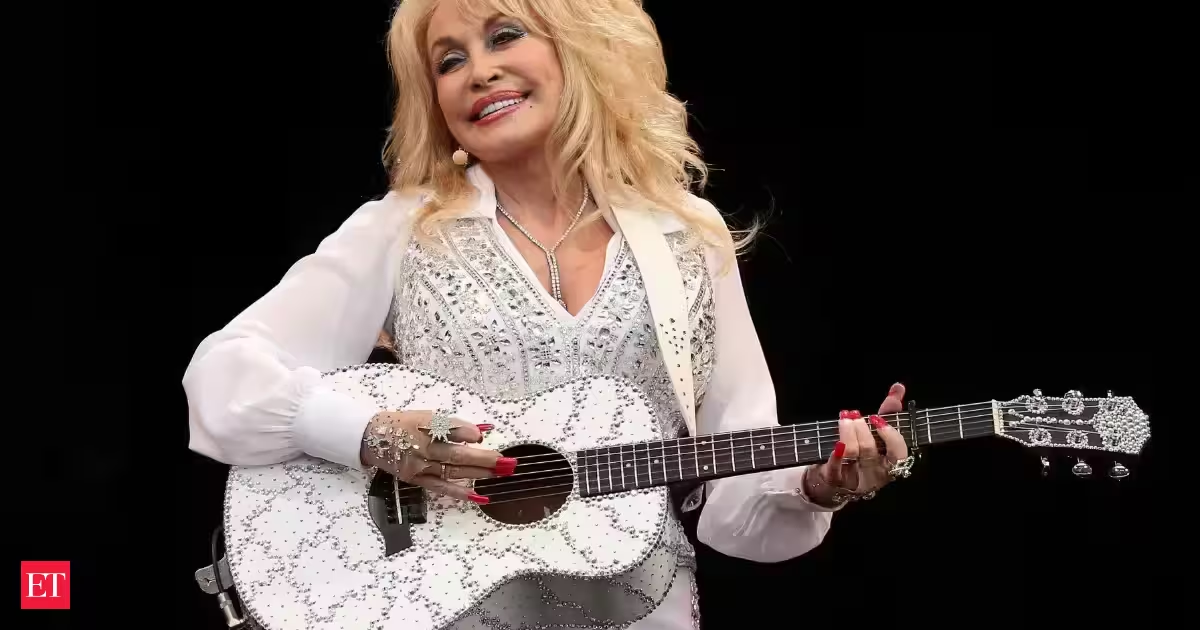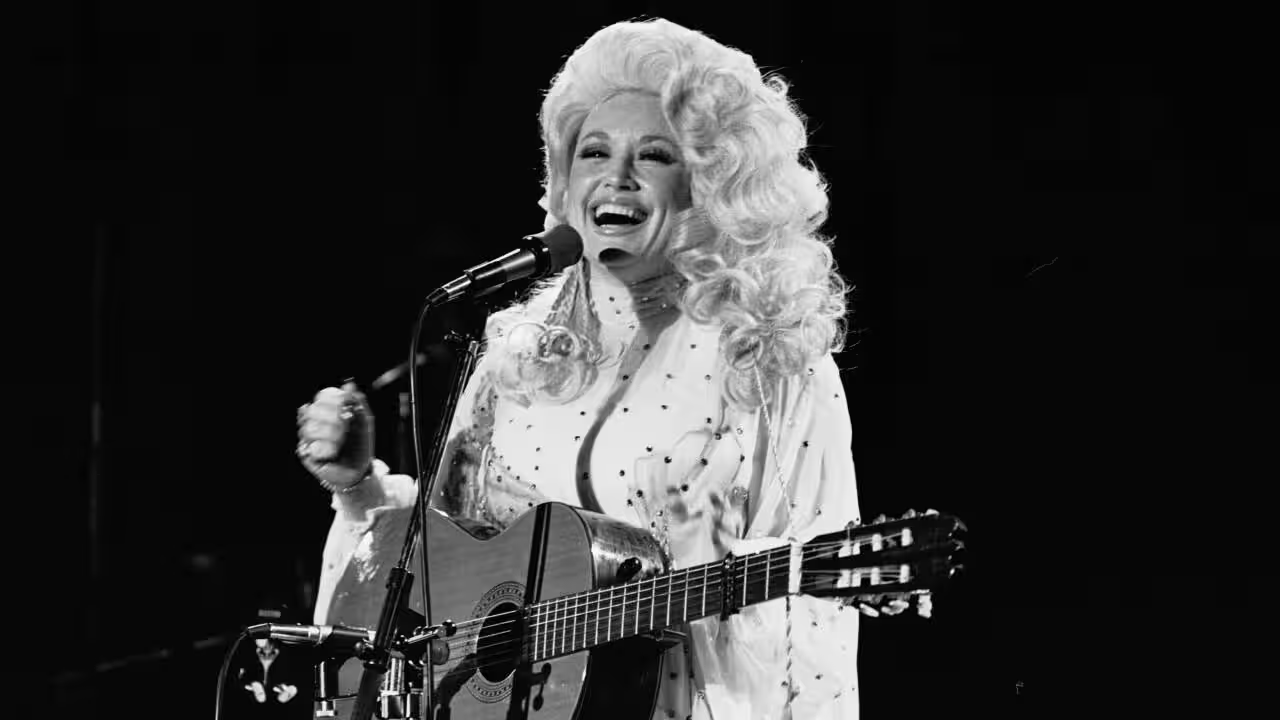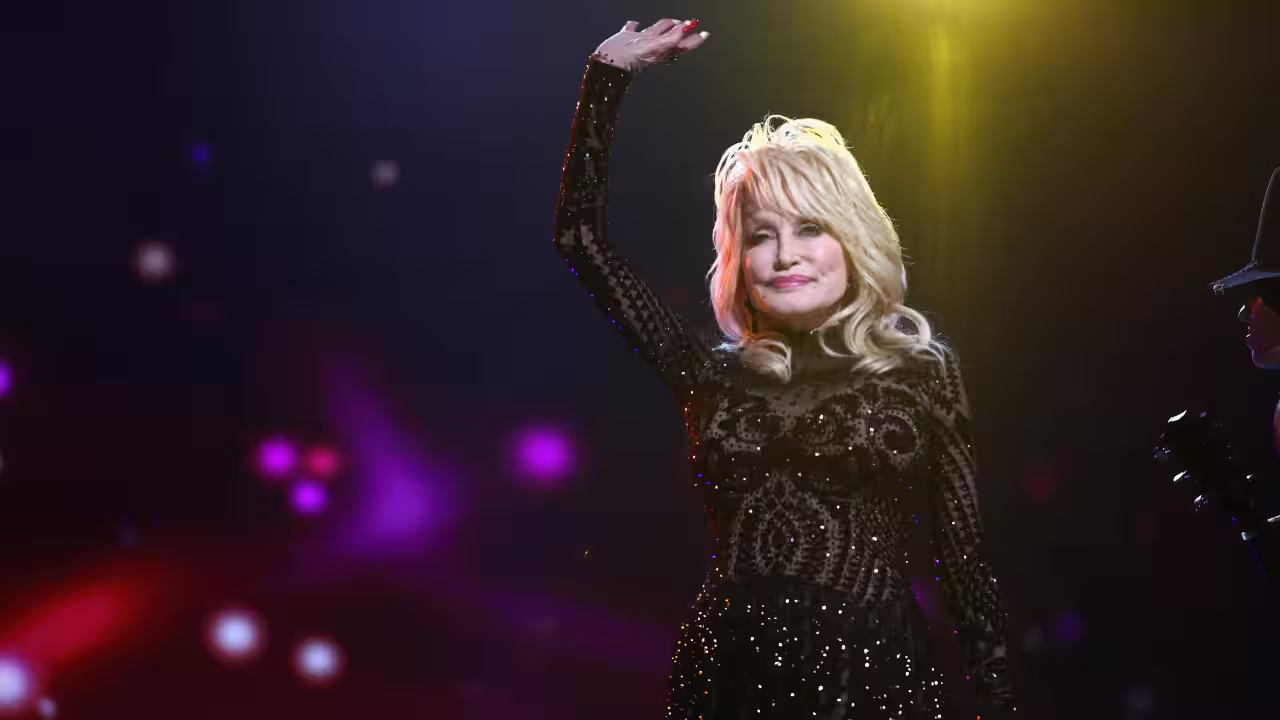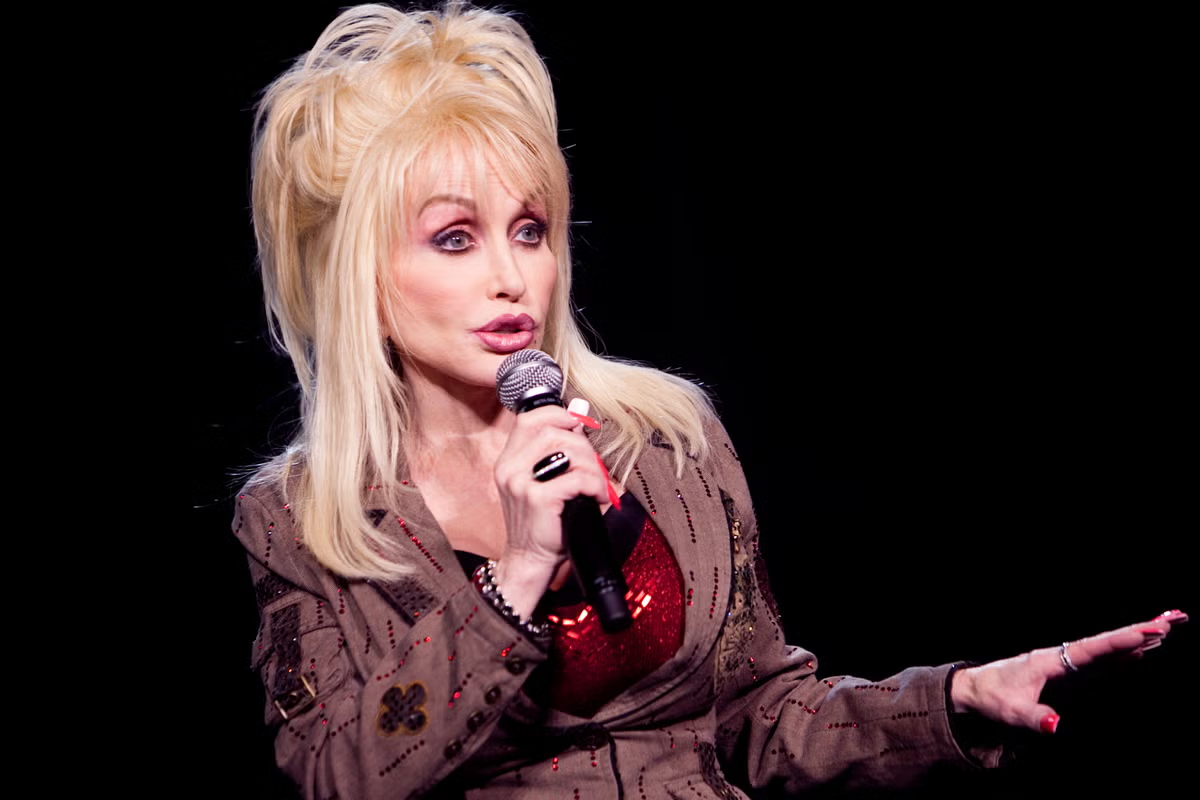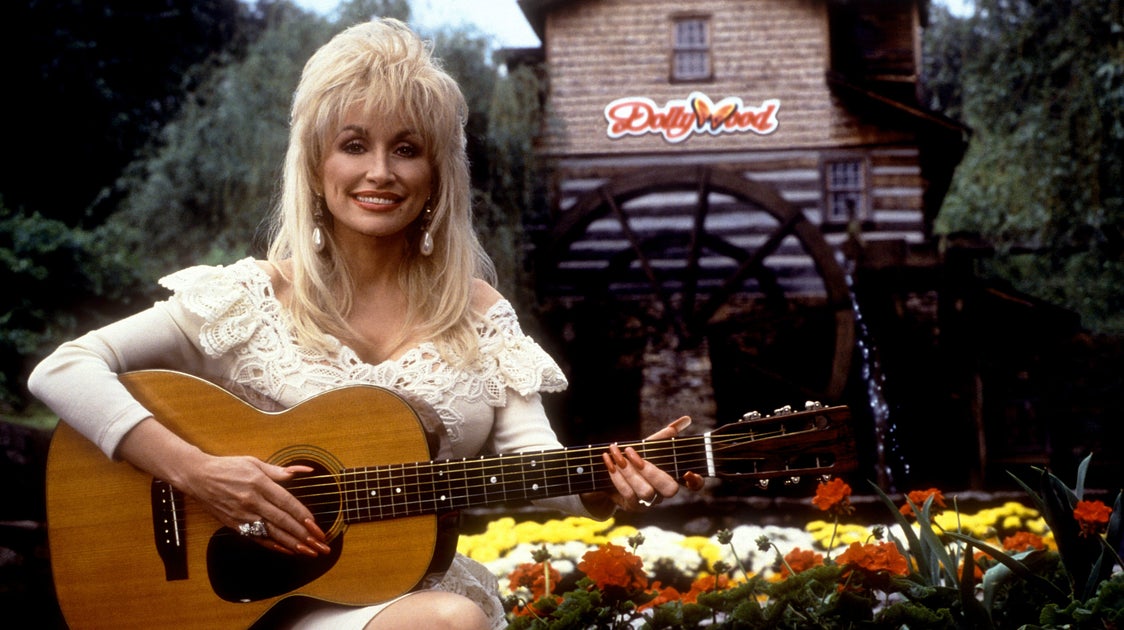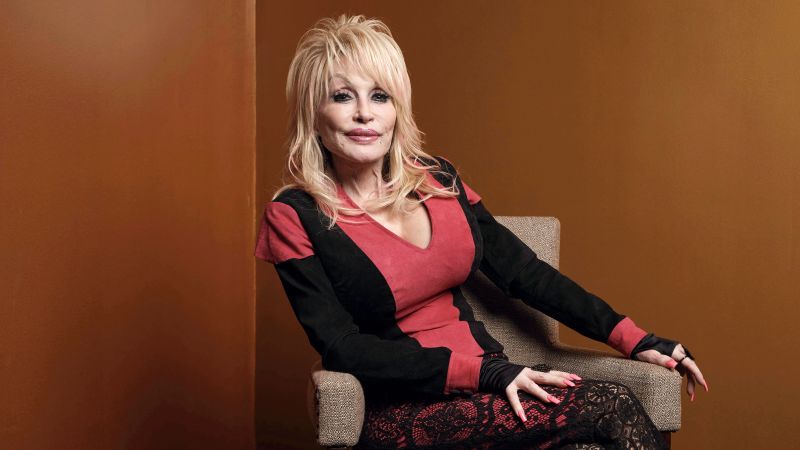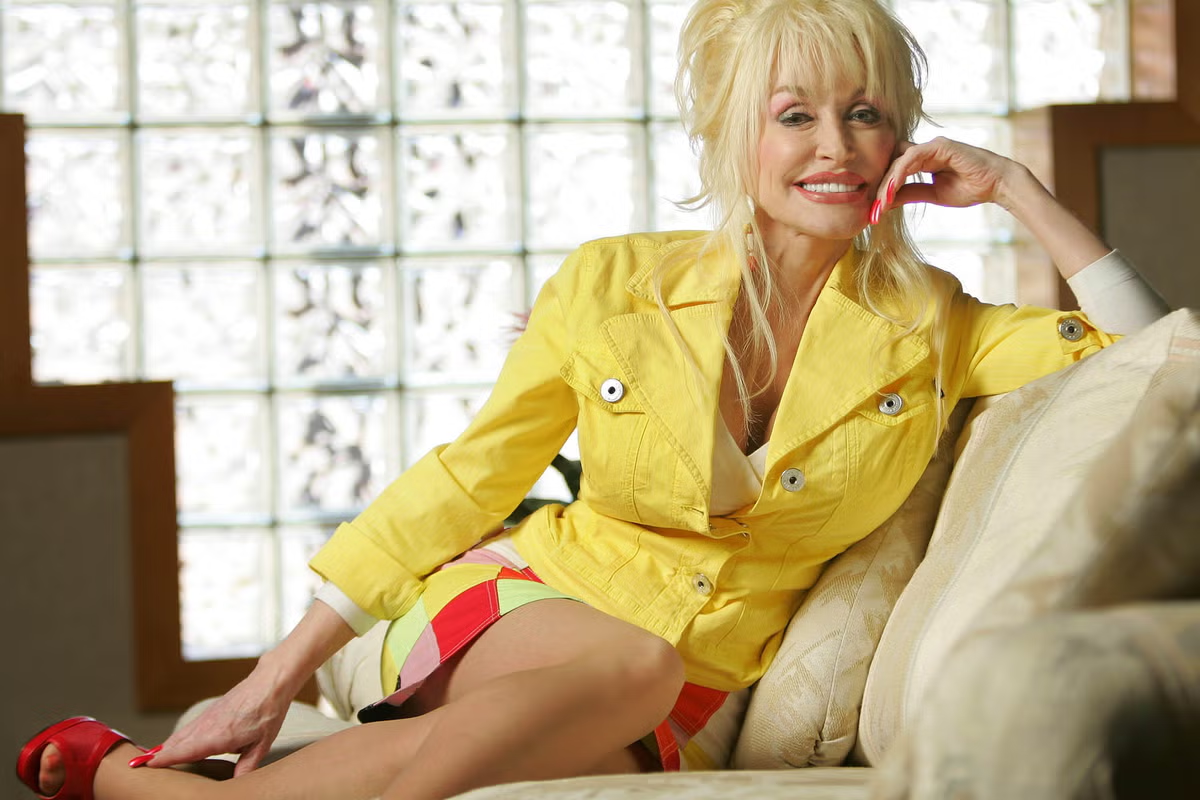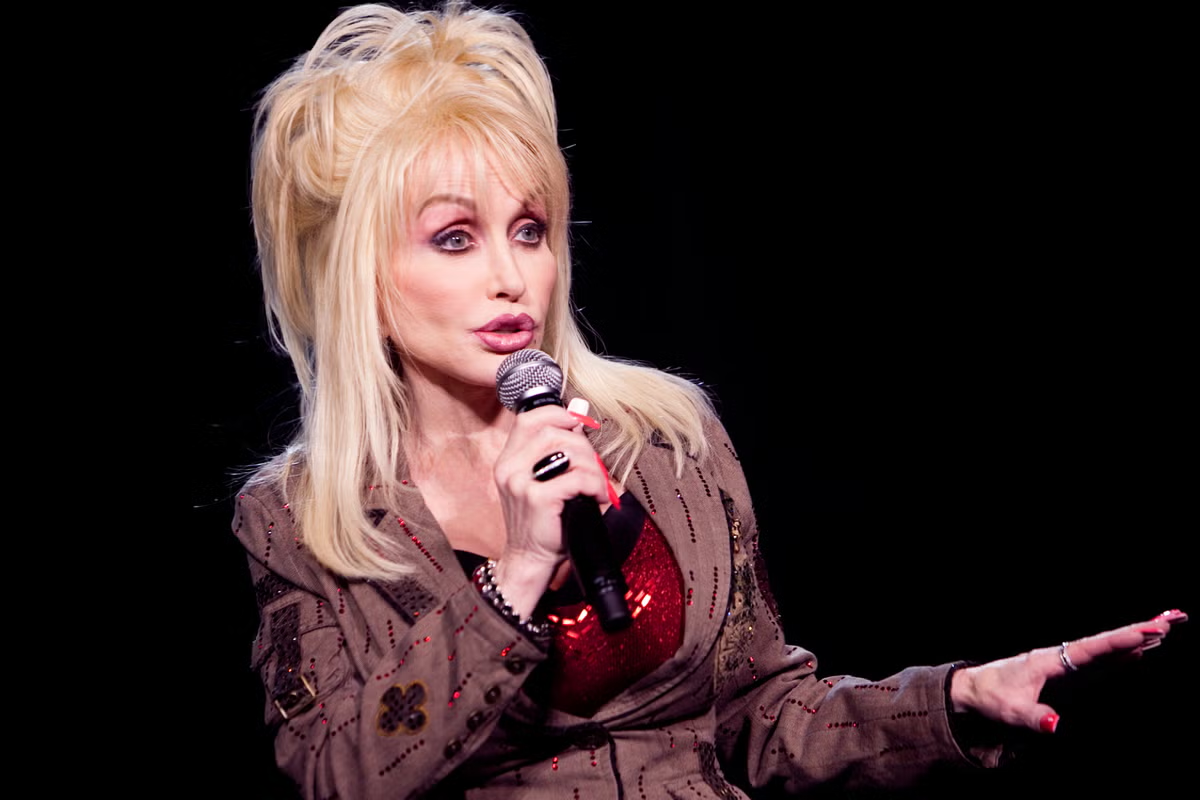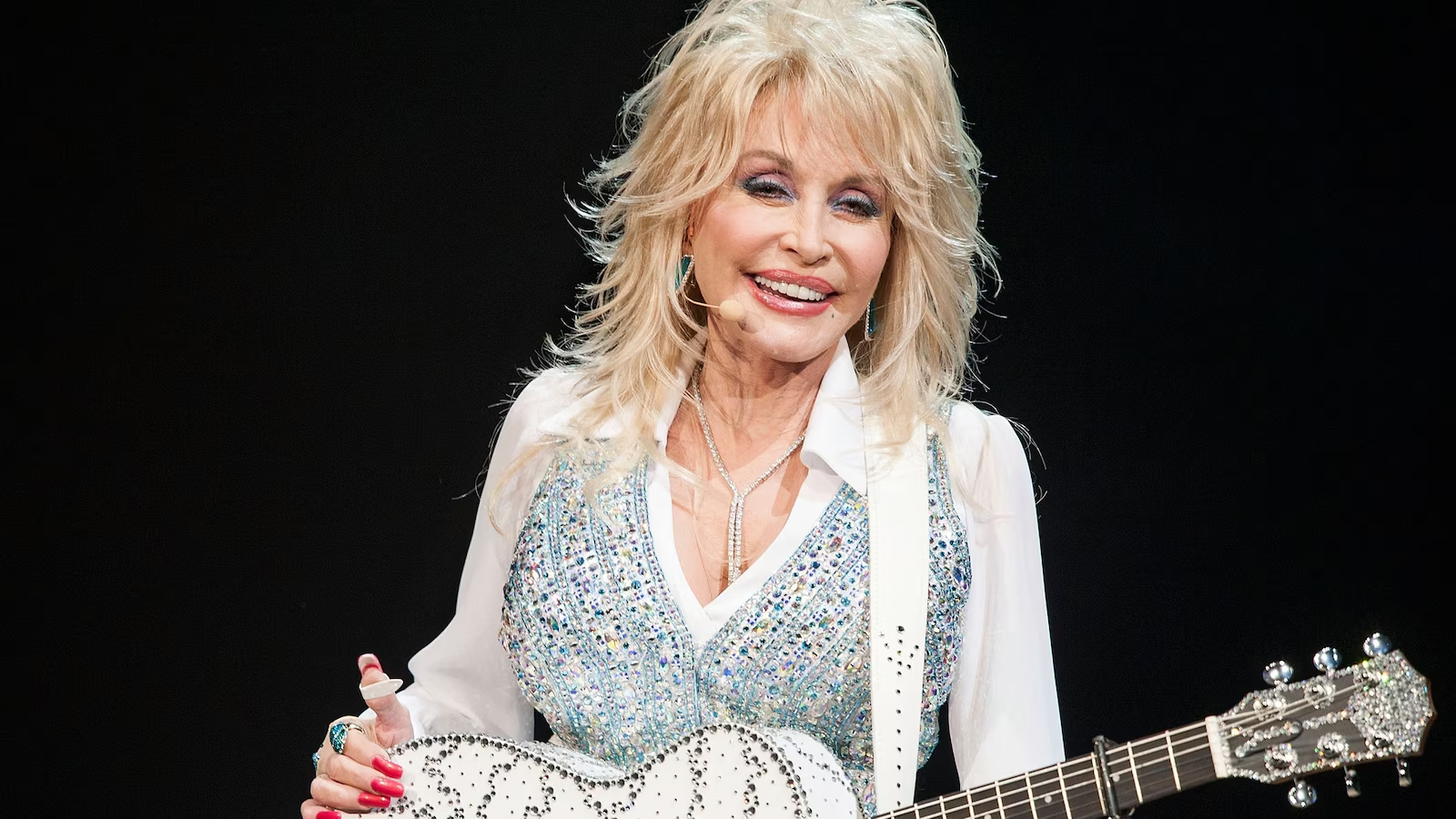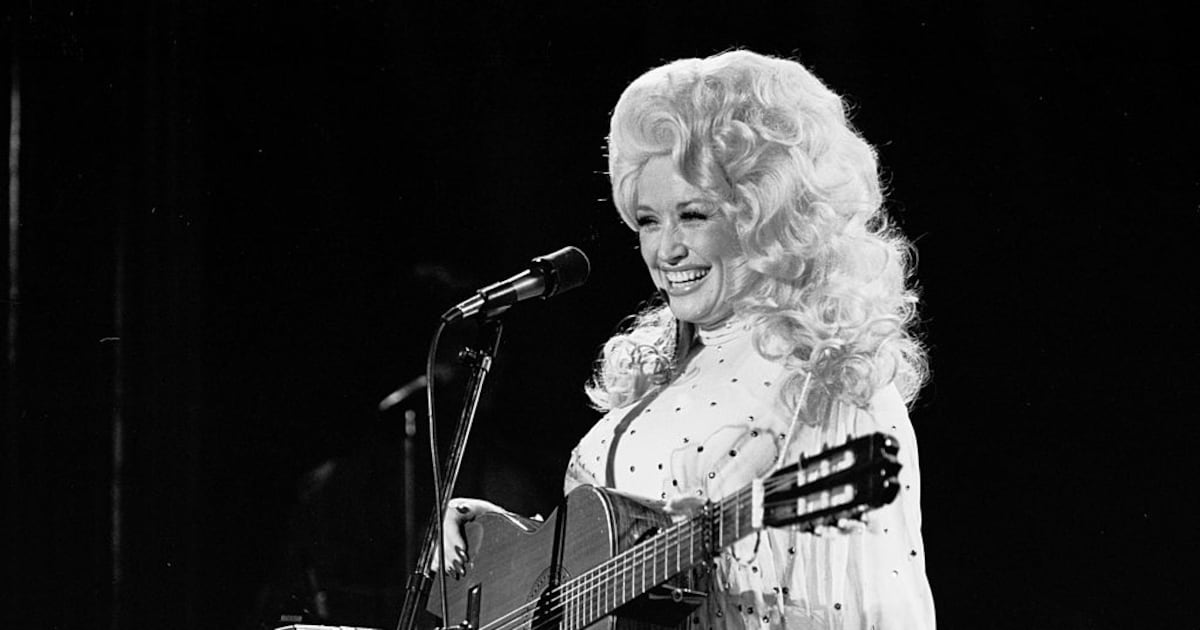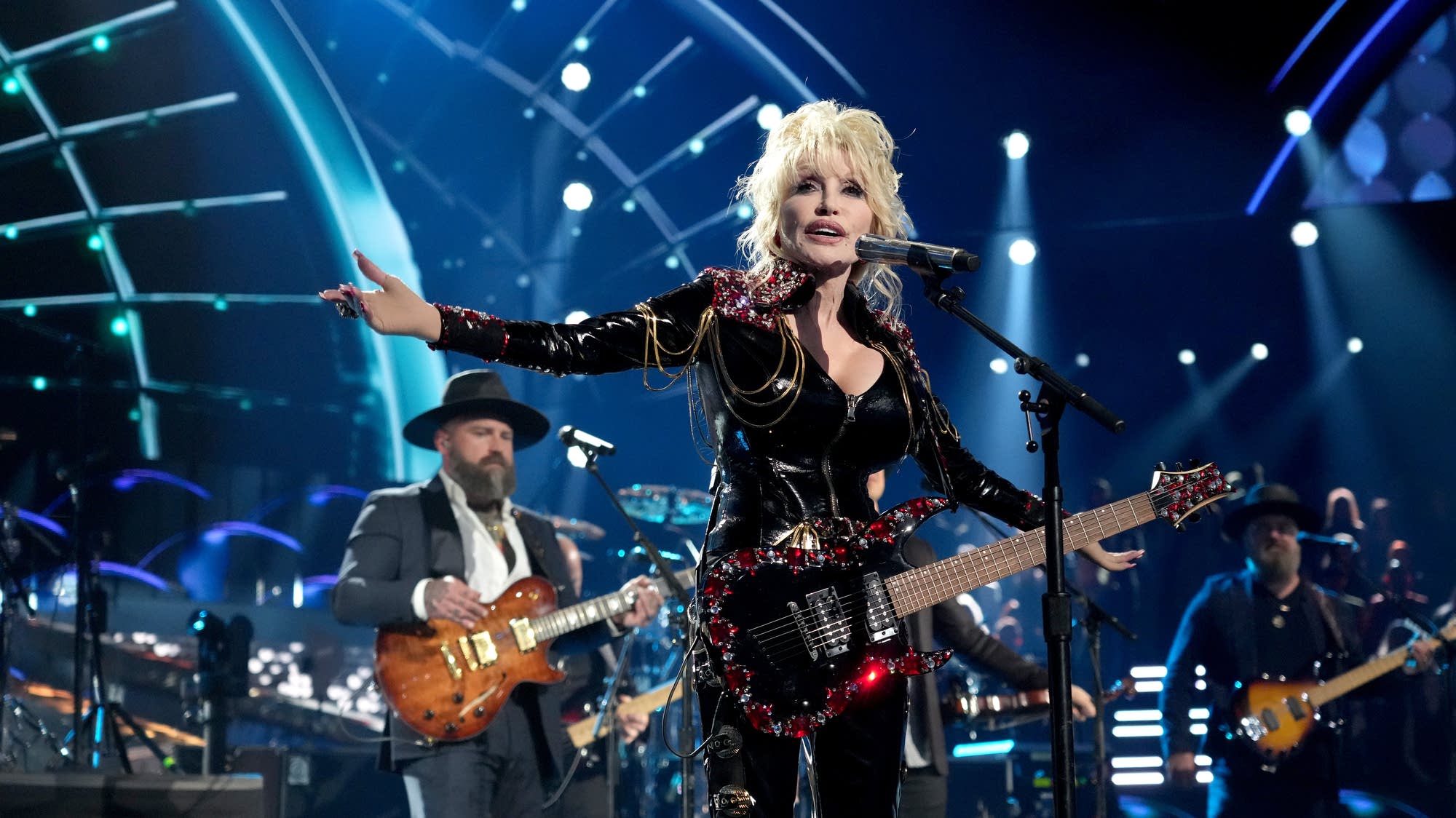
On Tuesday, Dolly Parton — a beloved icon of country music, business, and philanthropy, who seemed to unite fans of all stripes — died after a brief battle with cancer. She was 80 years old. The descriptors for Parton abound: She was the queen of country music, an icon of style, a titan of business, a champion of working women, a giver of books and promoter of literacy, and a figure able to bridge — and be nearly universally adored by — a divided nation. In 2009, Parton gave the commencement speech at the University of Tennessee. There, she reflected on her legacy. “People are always asking me, ‘What do you want people to say about you 100 years from now?’ I always say I want them to say, ‘Dang, don’t she still look good for her age?’” she said with a laugh. “But all joking aside, I think people will remember us for who we were, not how many records we sell or how much money we make,” she said. “Because I have always said that I’ve always counted my blessings far more often than I count my money. And my blessings are many.”In honor of “Saint Dolly,” Marketplace is doing a special Dolly edition of “By The Numbers” for the economic legacy that Parton left behind. Dolly Parton was born in 1946 in a two-room cabin in Pigeon Forge, Tennessee, to a tobacco farmer and homemaker. She had 11 siblings. At 13, she performed at the Grand Ole Opry, where she was introduced by Johnny Cash. In her career spanning seven decades, Parton wrote more than 3,000 songs, sold more than 100 million records, and won 10 Grammys. With 55 Grammy nominations under her belt, she was the 3rd-most Grammy-nominated woman in history. She had 25 songs that topped Billboard’s Hot Country Songs chart. At the time of her death, Parton’s net worth was estimated to be around $450 million. Above, Dolly Parton in 1983. Parton became the 3rd-most Grammy-nominated woman in history. -/AFP via Getty ImagesThat figure is partially the result of the singer and songwriter’s business acumen. According to Business Insider, Elvis Presley once reached out to cover “I Will Always Love You,” which topped the U.S. Billboard Hot Country Songs chart two separate times. The deal, however, meant that Parton would lose at least 50% of the publishing royalties. She declined The King’s offer.Retaining the publishing rights to her music early in her career was a savvy business move. After Whitney Houston’s cover of “I Will Always Love You” exploded — it sold more than 45 million copies worldwide — it earned Dolly an estimated $20 million. Parton also made appearances on TV shows like “Hannah Montana” and “Grace & Frankie,” and starred in films like “Steel Magnolias" and “The Best Little Whorehouse in Texas.” But it was her debut in the 1980 film “9 to 5,” alongside Jane Fonda and Lily Tomlin, that made her a feminist icon (though she distanced herself from the term). The movie was a workplace satire that chronicled the hardship of working women under a “sexist, egotistical, lying, hypocritical bigot” and drew inspiration from a grassroots organizing movement aimed at boosting women’s rights and worker protections.The catchy title track, penned by Parton, was nominated for an Academy Award and became an anthem of sorts for working women. Dollywood has a direct economic impact of $1.8 billion each year, according to the Tennessee Department of Transportation.George Rose/Getty ImagesIn addition to her singing and acting careers, Parton was the face and co-owner of Dollywood, the theme park in Pigeon Forge, Tennessee, near where she grew up. Parton’s 50% stake in Dollywood, which opened in 1986, is estimated to be worth $165 million. According to the Tennessee Department of Transportation, Dollywood has a direct economic impact of $1.8 billion each year, bringing in more than 2 million tourists annually and creating more than 23,000 jobs in the region.Parton was also a major philanthropist. In 1995, Dolly founded Dolly Parton’s Imagination Library, a monthly book-gifting program for children under the age of 5. (Parton’s inspiration for the literacy initiative came from her father, who never learned to read or write.) Originally started in Tennessee, the program went national in 2000, and now distributes books in Canada, Australia, the United Kingdom, and Ireland. According to its website, 3 million books are mailed internationally each month through the Imagination Library. In 2026, one in every 6 children under 5 received an Imagination Library book. The total number of books gifted by the program has surpassed more than 332 million.But Parton’s generosity didn’t stop there. In 1991, she offered every seventh and eighth grader in Sevier County, Tennessee, $500 if they (and an accountability buddy) completed high school. The drop-out rate there dropped from 35% to 6%. She also donated $1 million to support research for pediatric infectious diseases. In 2020, Parton donated $1 million toward Vanderbilt University’s COVID-19 vaccine research, helping to fund what would become Moderna’s COVID-19 vaccine. She also raised and donated millions for disaster relief, as well as other health and educational initiatives.According to Kate Bahn, chief economist at the Institute for Women's Policy Research, Dolly Parton's success in the entertainment industry and philanthropy made her a role model for women in the workplace. “She did all of these huge things while also never compromising her femininity, and always done up with huge hair and makeup, and so to be able to do both things and be taken so seriously, I think, is really important for women to see and to follow that image,” she told “Marketplace Morning Report” host Kimberly Adams. A woman takes a moment with a statue of Dolly Parton at the Sevier County Courthouse on Wednesday in Sevierville, Tennessee.Melissa Sue Gerrits/Getty ImagesAdditional reporting was contributed to this report by Amy Scott, Kimberly Adams, and Emily Macune.
By The Numbers: Dolly Parton’s legacy
The Queen of Country rose to stardom from poverty, amassed a $450 million fortune, and gave millions away.
978 words~4 min read