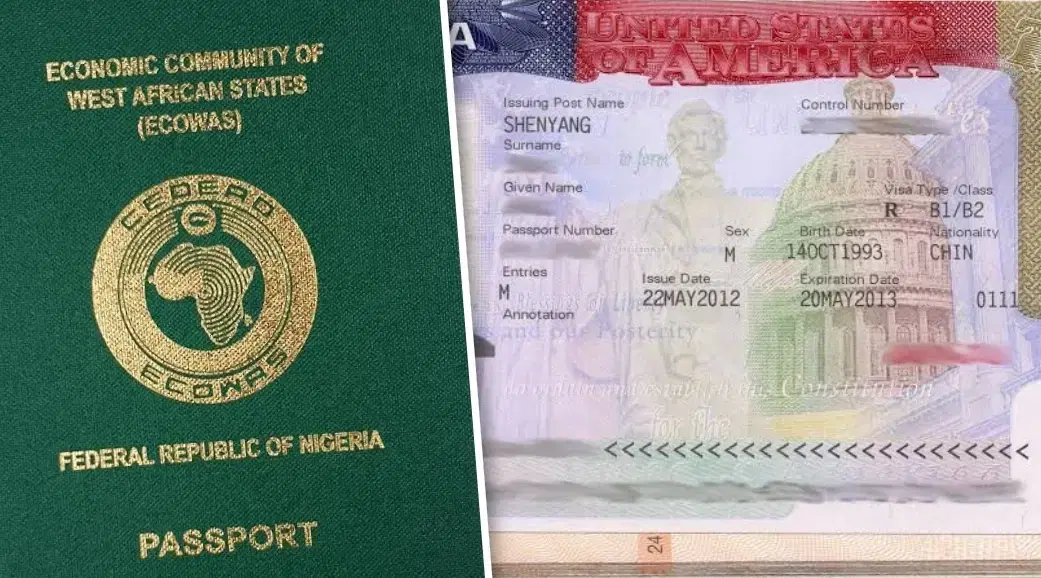
That fear is understandable, particularly as US immigration enforcement has become more closely scrutinised.
The key issue is not simply whether a person travelled to Nigeria, but how long they stayed outside the US, immigration status, whether they maintained their US residence and if they obtained the appropriate travel document before leaving.
Read also:US adds 10 Nigerians to ‘worst of the worst’ criminal immigrants list
This distinction is important because a re-entry permit is not a visa for every Nigerian resident in the US. It is primarily a travel document for lawful permanent residents and conditional permanent residents who expect to remain outside the US for an extended period. It is obtained from USCIS through Form I-131, Application for Travel Document, and helps demonstrate that the absence is temporary and that the resident does not intend to abandon their US residence.
The most important rule is that the applicant must be physically present in the US when Form I-131 is filed. The application cannot be made from Nigeria after leaving the US.