Published Aug 28, 2026, 2:41 PM EDT
For a veteran population with high rates of PTSD and alcohol use disorder, an addiction specialist explains new research.
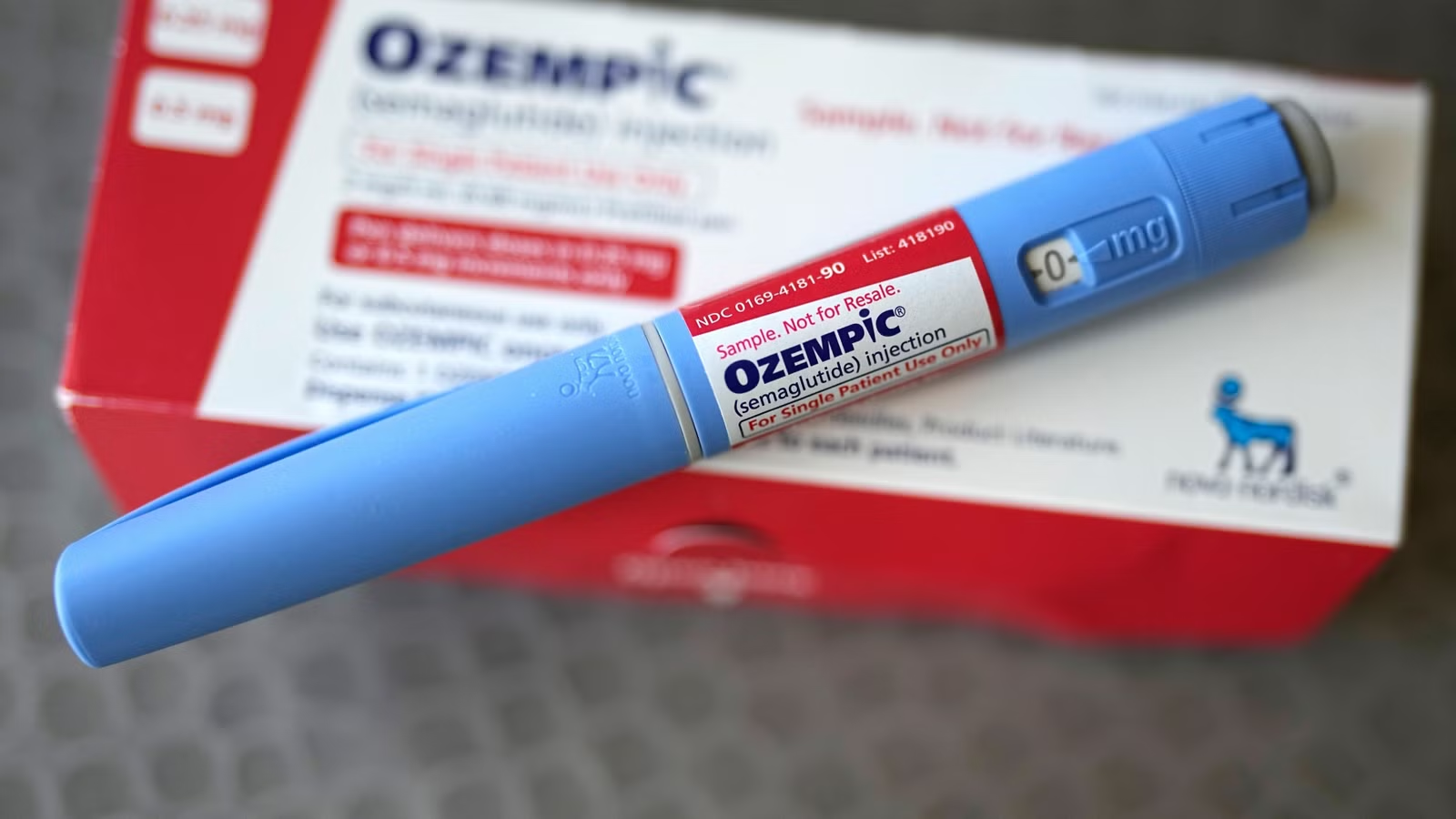
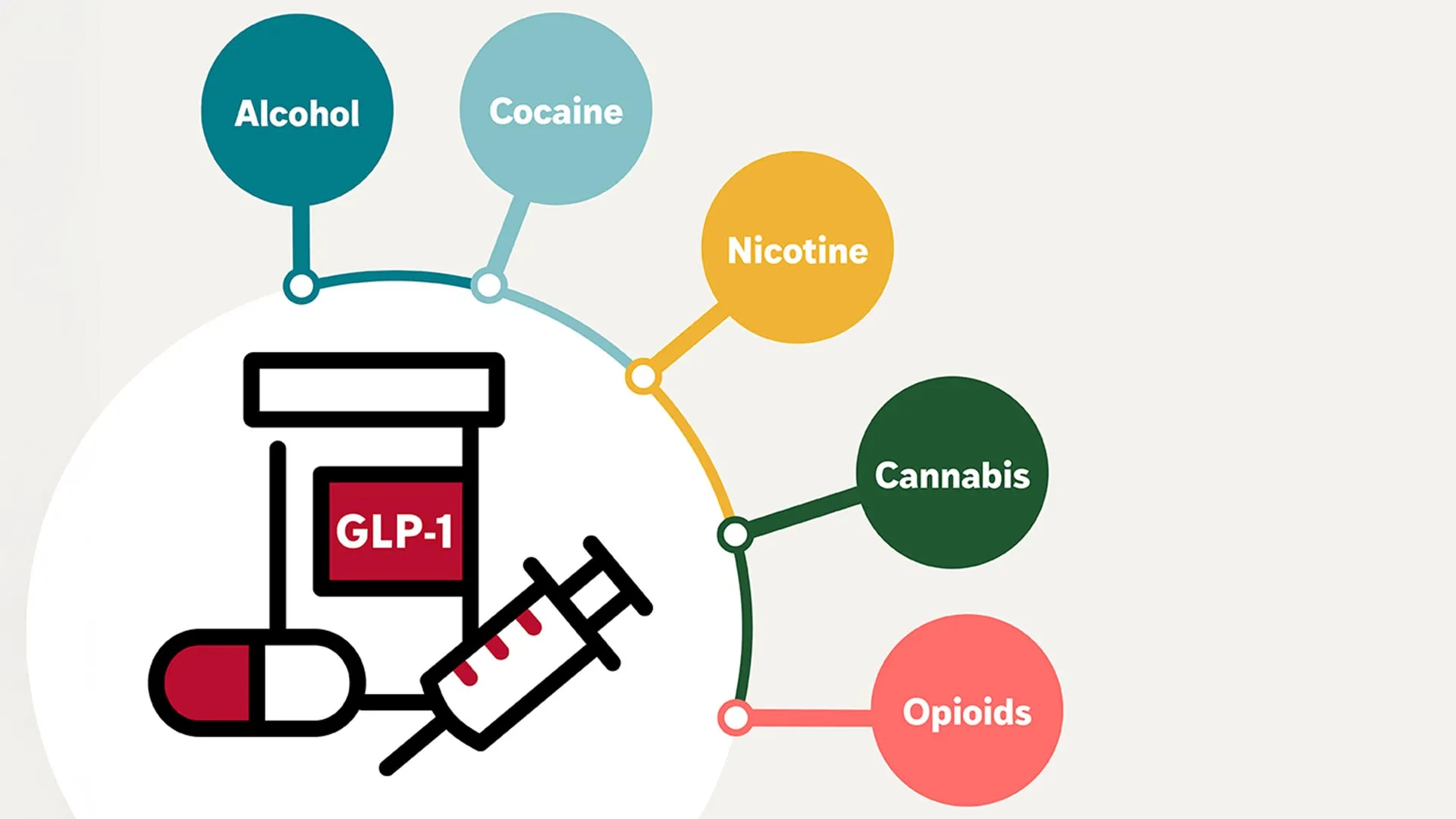
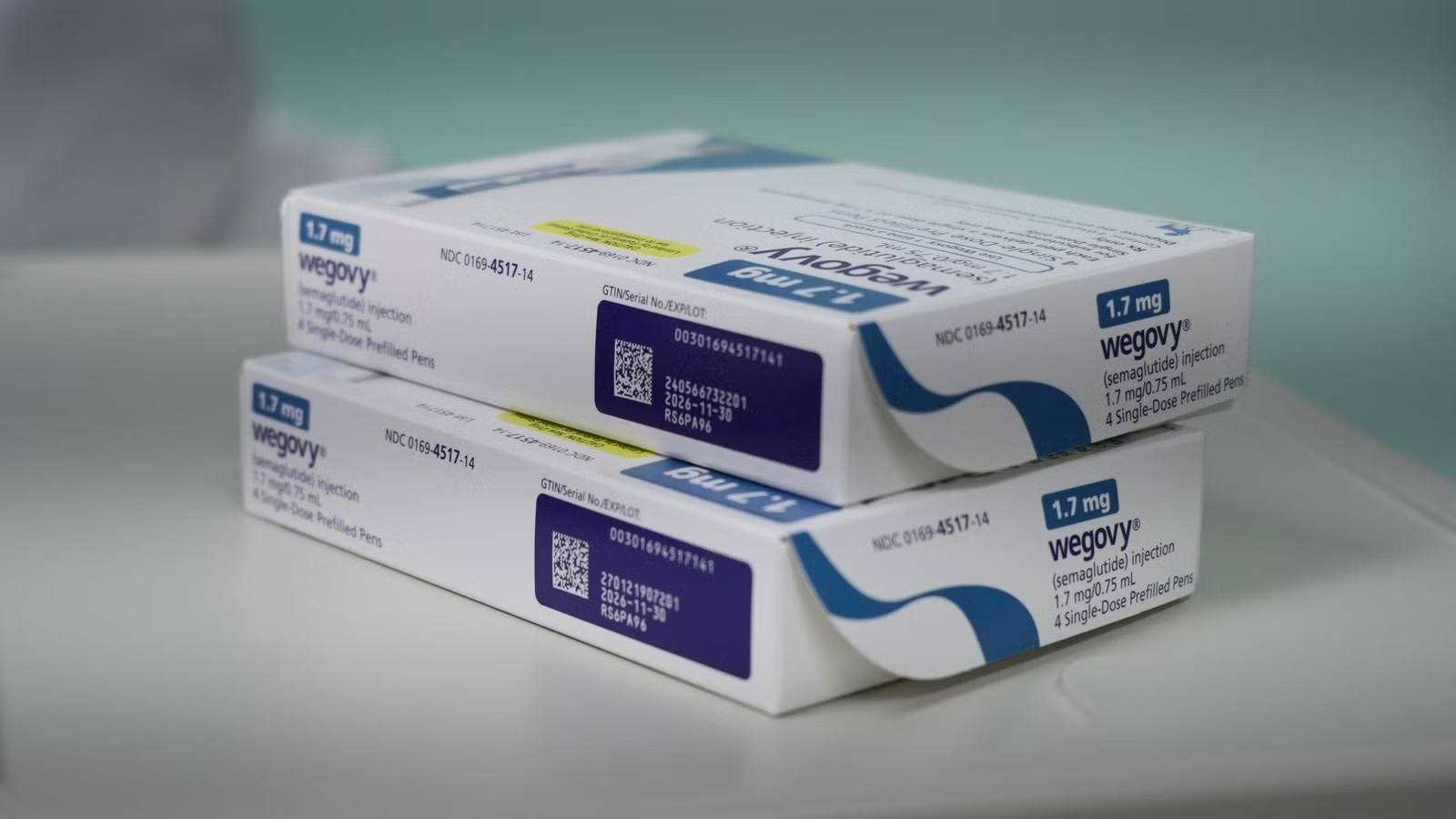
I've been on a GLP-1 medication for close to two years now, prescribed through the Department of Veterans Affairs, originally for obesity management. What became apparent early on was that the drug's effects reach well beyond weight loss. My own experience with reduced alcohol cravings was part of what led me to look more closely at the research now building around GLP-1 medications and alcohol use disorder — and to ask what it might mean for a veteran population that carries a documented, disproportionate burden of both combat-related PTSD and alcohol use. To dig into that, I spoke with Dr. Eugene Lucas, associate professor and coordinator of the Psychiatric/Mental Health Nurse Practitioner Program at Wilkes University, a board-certified psychiatric-mental health nurse practitioner with roughly a decade of experience treating veterans with PTSD and substance use disorders during a stint at the VA. Read More: VA’s Only Drug for Treatment-Resistant Depression Requires Up to 50 Visits a Year
What the Research Actually Shows
A randomized, placebo-controlled trial published in The Lancet in May 2026 followed 108 adults with alcohol use disorder and comorbid obesity over 26 weeks. Everyone received cognitive behavioral therapy; half also received weekly semaglutide. Heavy drinking days fell by 41.1 percentage points from baseline in the semaglutide group, compared to 26.4 points with therapy alone. Lucas explained the working theory behind why a drug built for diabetes and weight management would affect drinking at all. "The way these medications work, they act on the gut but also within the brainstem, functioning somewhat like a neurotransmitter and affecting dopaminergic tracks tied to craving and addiction,” Lucas said. “This dopaminergic effect reduces craving generally. It reduces the desire to go after substances that give you a certain feeling, and it actually affects the emotions that go along with that." The mechanism is better established in animal studies than in humans so far. Lucas pointed to research tracking dopaminergic pathways in rodents that showed a clear reduction in reward-system activity tied to craving — but cautioned that human-specific research confirming the same mechanism is still catching up.