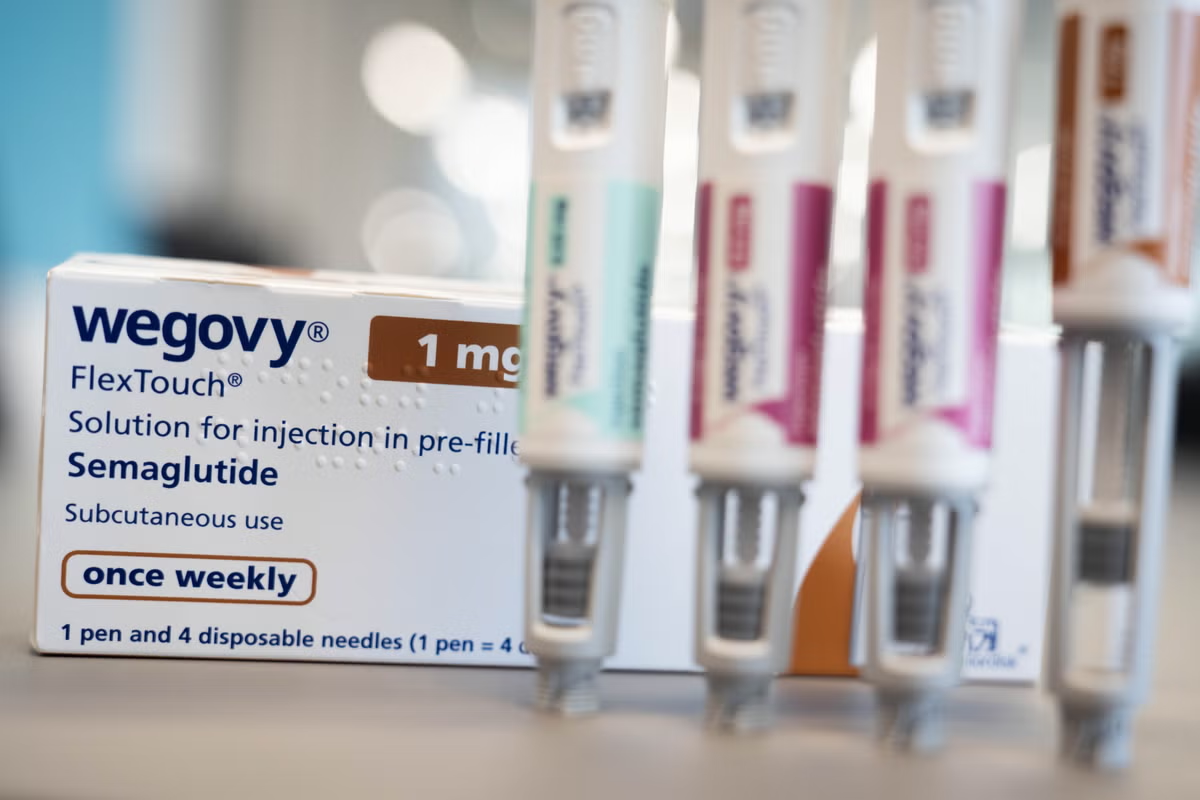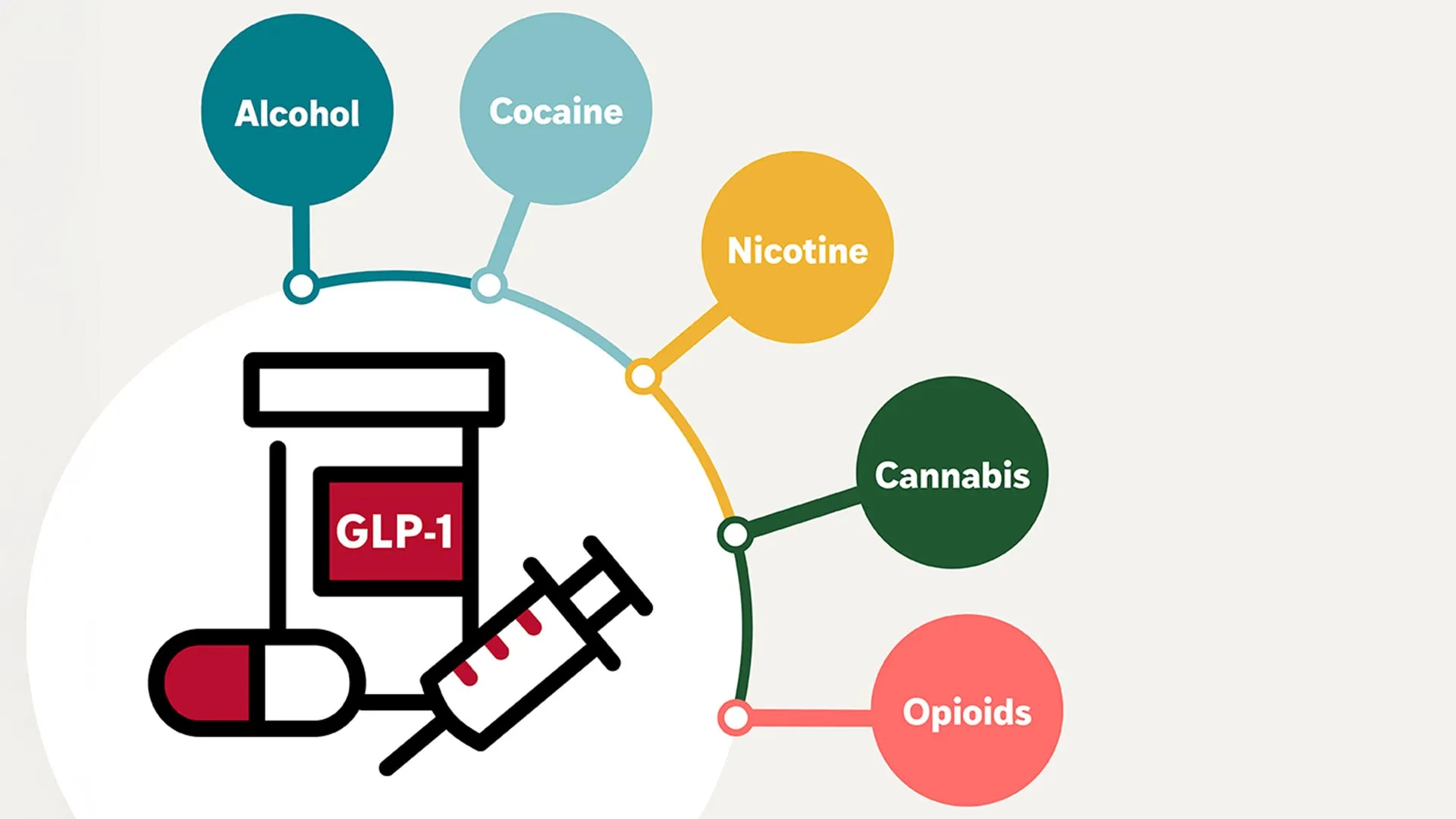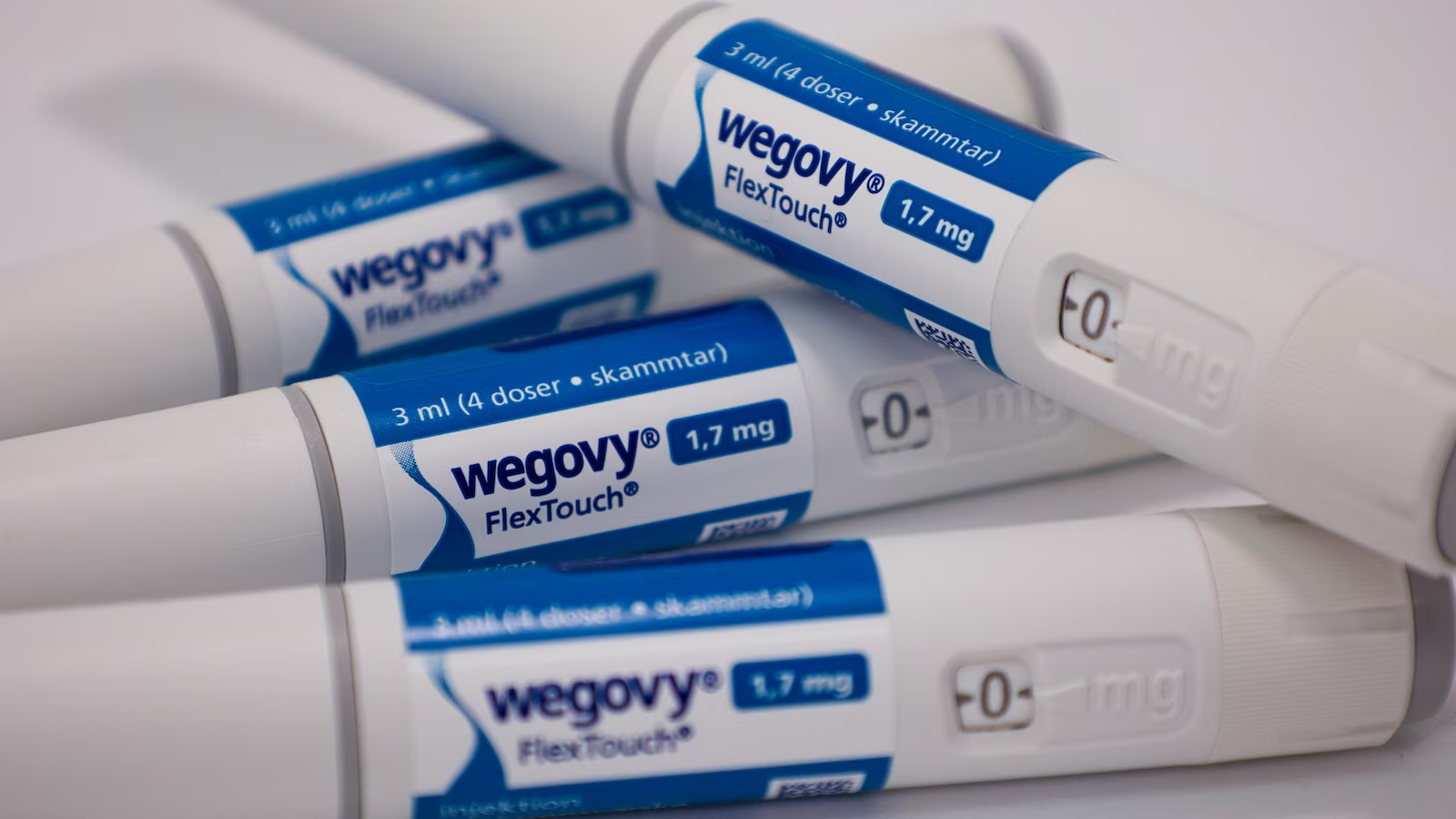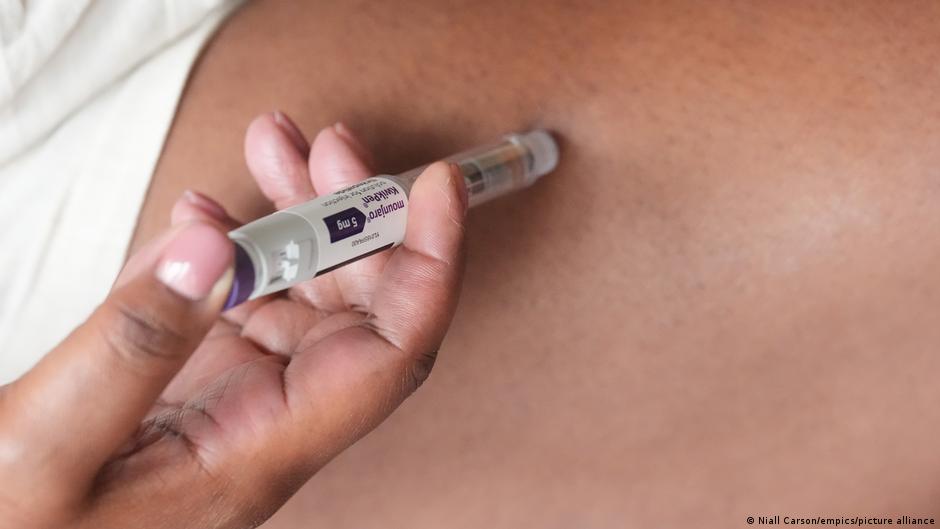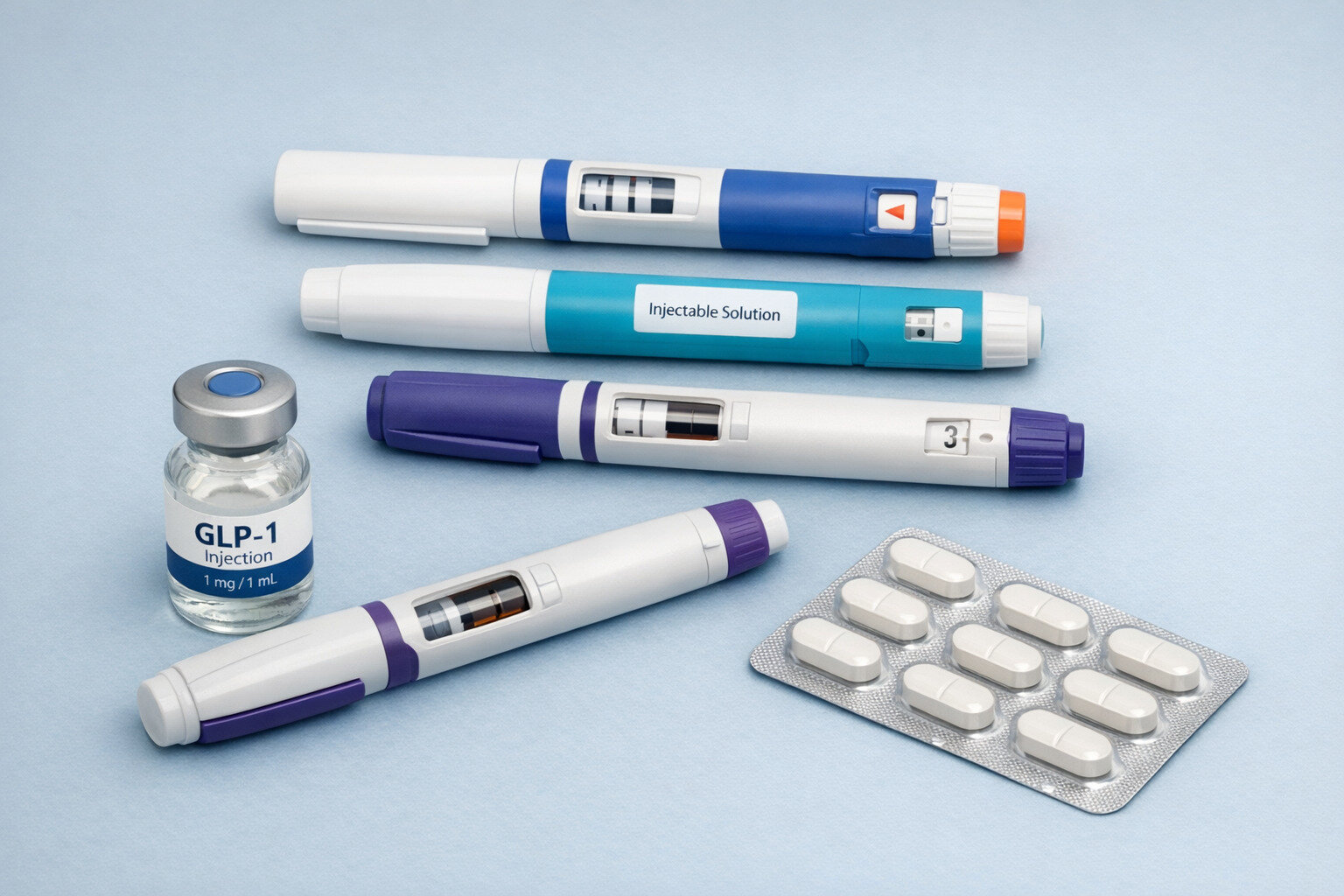
GLP-1 receptor agonists are among the active ingredients in so-called weight-loss injections. Originally developed to treat type 2 diabetes, they are now also used to treat severe obesity. In recent years, studies have provided evidence that they may also reduce the consumption of alcohol and other substances. However, it has not been clear whether these potential effects persist after the medication is discontinued.
According to a large Swedish registry study involving the Central Institute of Mental Health (CIMH), people with type 2 diabetes were hospitalized less frequently for alcohol or substance use disorders while undergoing treatment with GLP-1 receptor agonists. For the first time, researchers examined how the observed associations changed after the medication was discontinued. They found that the reduction in alcohol-related hospitalizations was still detectable for up to 6 months after treatment ended but was no longer evident after 12 months. The results are published in the journal The Lancet Psychiatry.
Data from more than 167,000 people analyzed
For the current study, researchers analyzed health registry data from 167,026 people with type 2 diabetes in Sweden. This made the study one of the largest to date on this topic. The researchers compared periods during which the same individuals were treated with GLP-1 receptor agonists with periods during which they received no treatment. They also examined the first six months and the period from six to 12 months after discontinuing the medication.