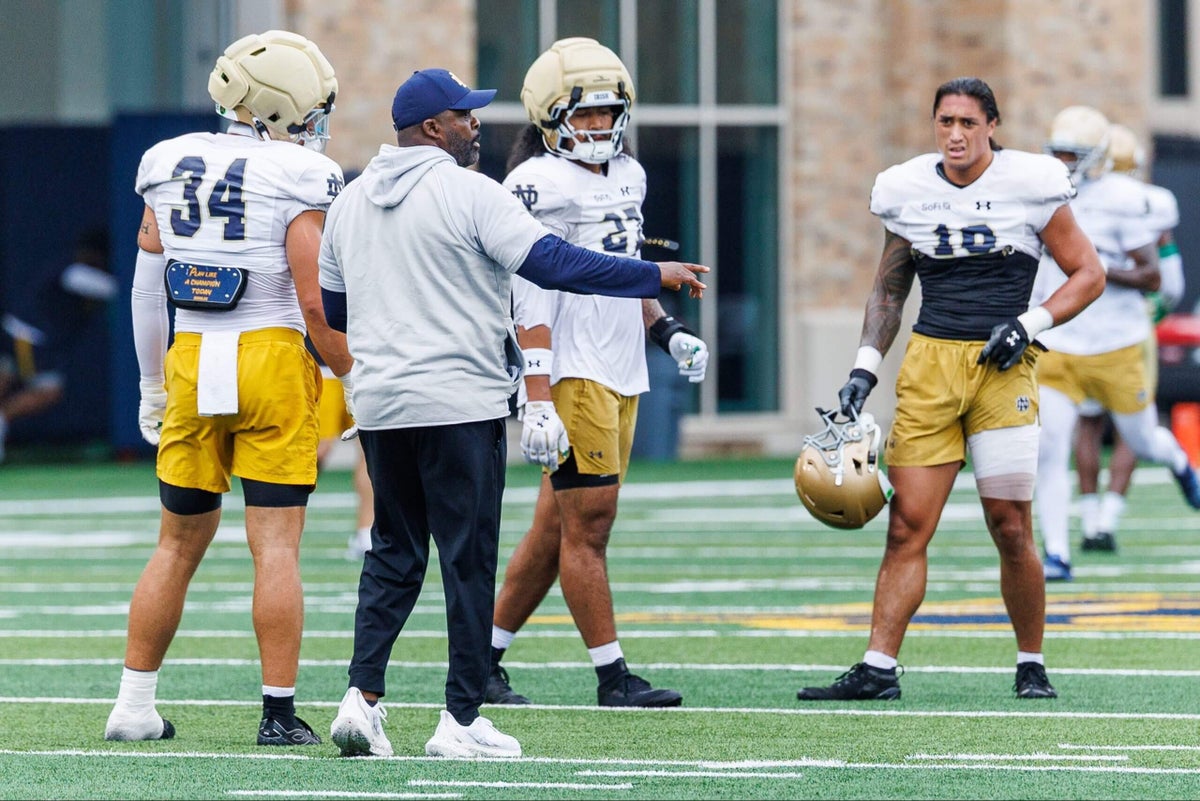
College football teams could soon have more flexibility in how they structure spring and summer practices under legislation approved Thursday by the FBS Oversight Committee. The committee also approved shortening the preseason camp and reducing the January transfer portal window from 15 days to 10 days.The proposal, which must be approved by the Division I Cabinet at its Oct. 6 to Oct. 7 meetings, would give teams 21 on-field practices across two periods between Jan. 1 and the start of fall camp, replacing the existing spring and summer practice structure.Under the current model, FBS teams are permitted 15 spring practices within 34 days. Summer activities are governed separately. The proposed model would replace those structures and give programs more discretion over when they use their on-field practice time.Programs could spread the 21 practices across no more than seven weeks, with either individual practice period capped at five weeks. At least nine weeks between Jan. 1 and preseason would have to be set aside as discretionary or voluntary time, during which no required athletic activities would be permitted.In practice, that could allow one program to conduct most of its work during the traditional spring-practice window, while another could split its practices between the spring and early summer. For example, a team could hold 12 practices in March and April and use its remaining nine during a second period later in the offseason. The model resembles the more flexible offseason structure used in the NFL.College football's Week 0 explainedIra Gorawara“The new playing and practice schedule is a great step forward for our game,” Vanderbilt coach Clark Lea, a member of the oversight committee and president of the AFCA board of trustees, said in a statement. “This will allow for more flexibility for team building in the spring and summer and will benefit the development of our student-athletes.”
FBS to shrink transfer window, replace offseason practices with NFL-like model
If approved, the practice model would resemble the more flexible offseason structure used in the NFL.
599 words~3 min read