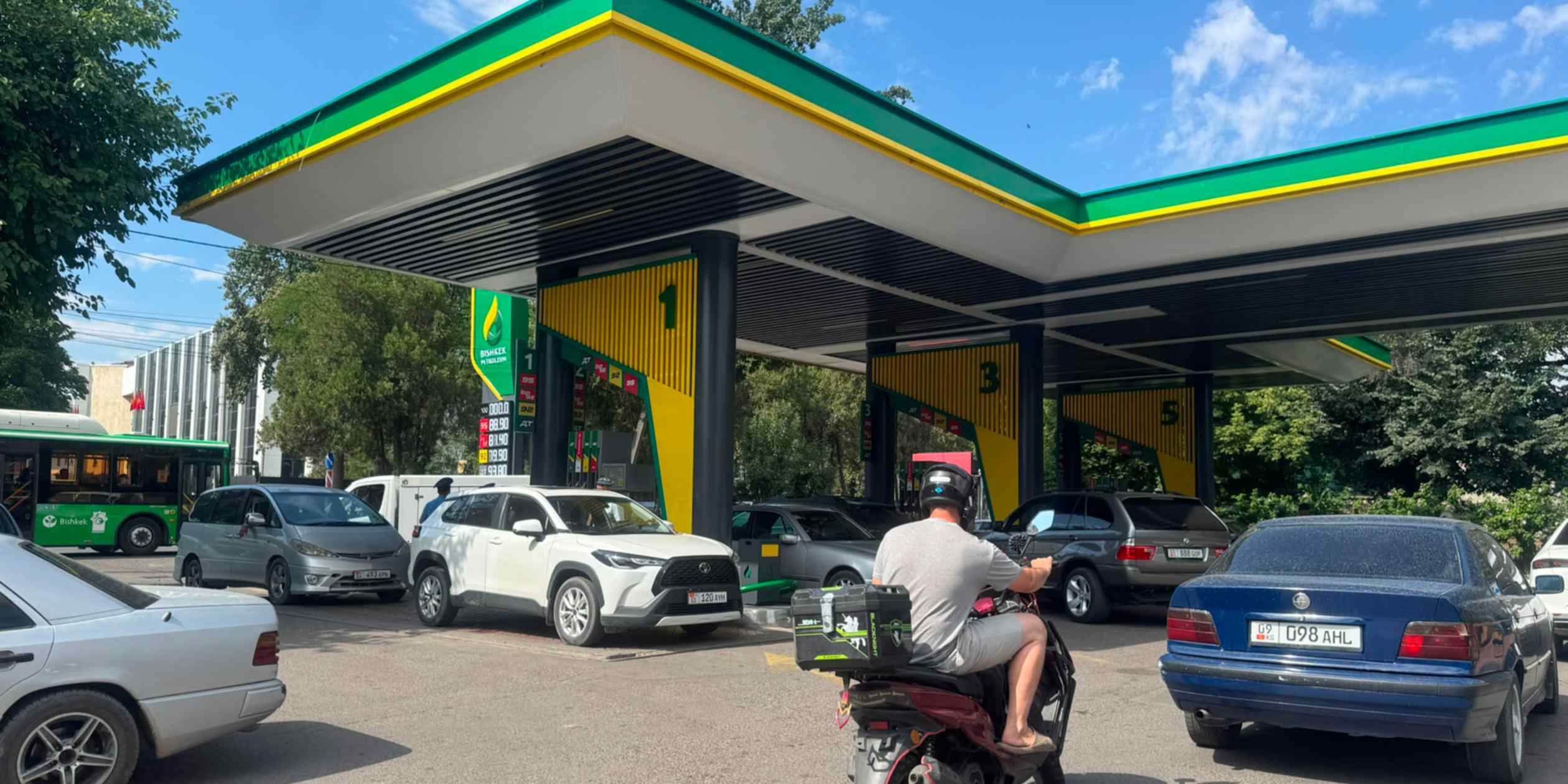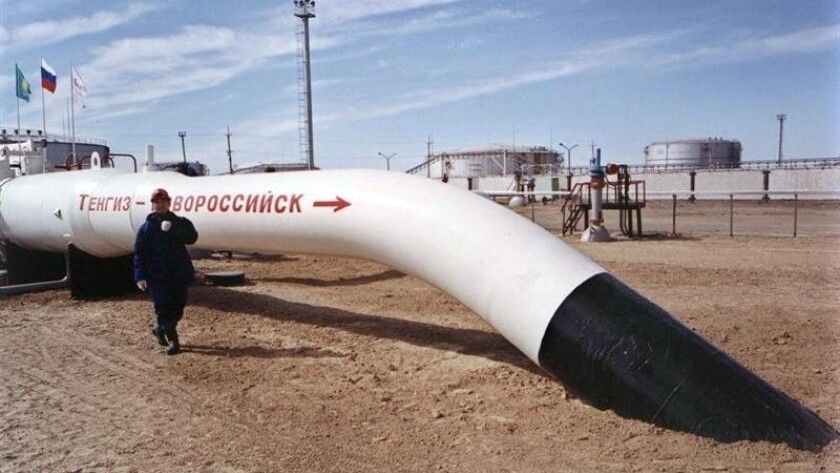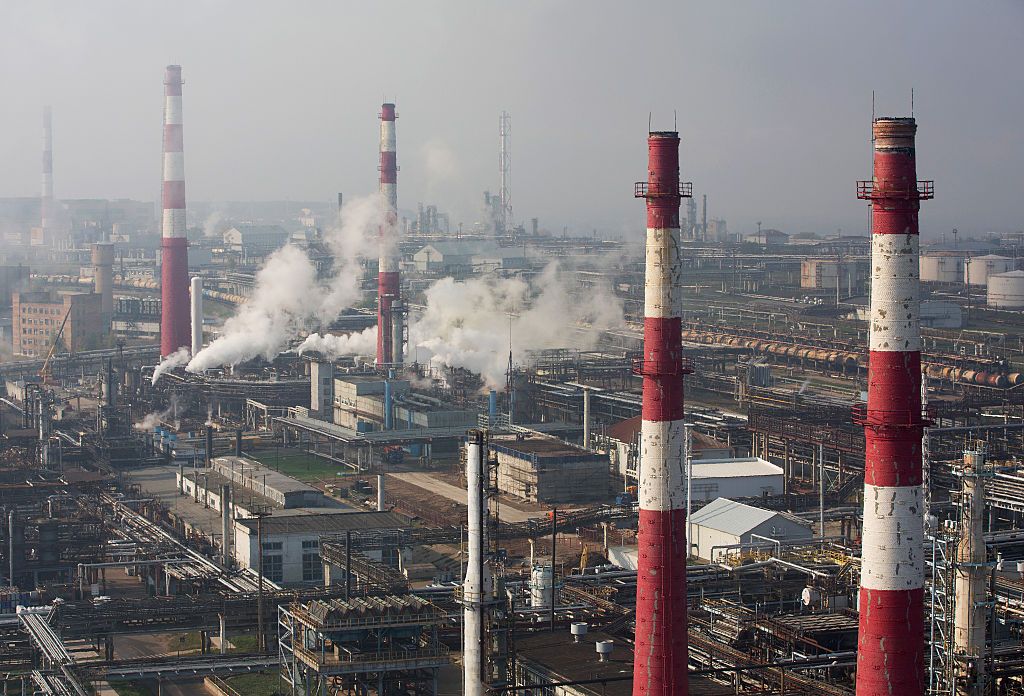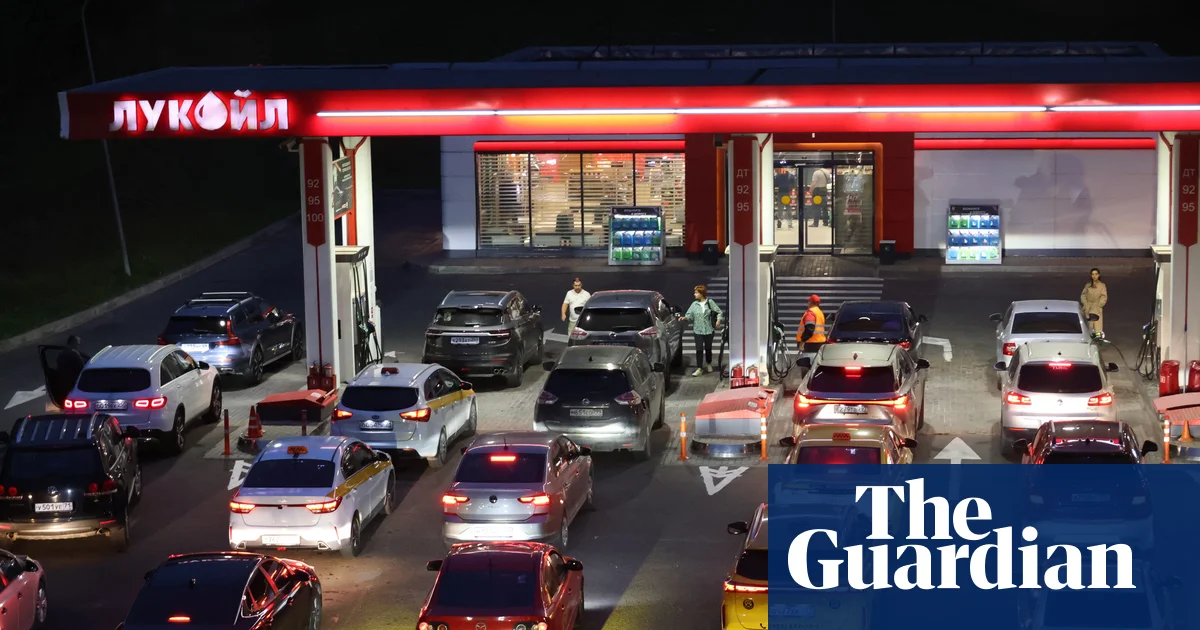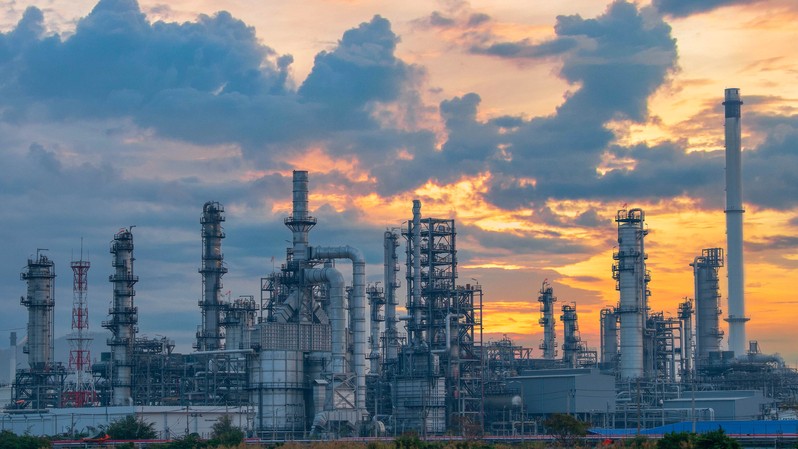
Kazakhstan is trying to keep the Kremlin at arm’s length amid Russian efforts to lean on Central Asian states for help in bolstering Moscow’s staggering war economy.Ukraine’s ongoing drone campaign has inflicted severe damage on Russia’s energy infrastructure and its military-industrial complex, prompting Russian officials to seek emergency energy supplies and refining arrangements from Central Asian states, while exploring offshoring options for arms production. Kazakhstan seems to have little appetite for enabling Russia’s war in Ukraine, not wanting to create the impression of taking sides in the conflict. At the same time, officials in Astana are cognizant that telling Russian leader Vladimir Putin ‘no’ runs the risk of some form of retaliation.On August 26, the Moscow Times, citing Reuters, reported that some of Kazakhstan’s largest refineries have declined to export oil and gas products to Russia, even though the Kazakh Energy Ministry had approved shipments of up to 17,500 tons of gasoline.Kazakh hesitation is reportedly linked to the threat of secondary sanctions for abetting the Russian war effort. In addition, the country is experiencing record domestic demand this summer.Astana isn’t turning its back completely on Russia, however. On August 27, Kazakh Energy Minister Yerlan Akkenzhenov confirmed that one relatively small facility in the West Kazakhstan region will refine Russian crude and ship the bulk of the finished products back to Russia. A rail shipment of about 4,100 tons of Russian crude oil arrived at the refinery earlier in August.As it stands, the Kazakh-Russian refining arrangement will likely have little impact in easing Russia’s crude refining crunch.Energy analysts are painting a grim picture for Russia’s energy outlook in the coming months. In an August 27 assessment, analysts at Rystad Energy estimated that the volume of Russian refinery output will be 30 percent lower during the last half of 2026, compared to seasonal averages dating back to 2016 for the same period.Russia “has little scope to absorb further supply disruptions, with onshore crude inventories already at levels where sustained production cuts become increasingly difficult to avoid,” the analysis states. “The country's production outlook is becoming increasingly constrained as aging, high-water-cut wells remain offline for longer, reducing effective spare capacity, while a lack of sizeable greenfield developments limits its ability to offset declines from mature fields after 2027.”Meanwhile, Kazakhstan appears to be attempting to signal Russia that it can’t be bullied: Astana is mounting its largest-ever military exercises, dubbed Batyl Toitarys 2026 (Decisive Repulse).“The exercise will focus on practicing troop deployment and inter-service coordination within a unified operational environment—encompassing land, air, maritime and cyber domains,” according to a Defense Ministry statement. Particular attention is being paid to adapting ground troop tactics to drone-led warfare.The General Staff has “ordered the provision of additional elements to protect personnel from unmanned aerial vehicles and other modern weapons,” reported the DKN media outlet.By EurasianetMore Top Reads From Oilprice.comAramco Finds a New Way to Keep Saudi Crude Flowing to ChinaMIT Uses AI to Challenge a Century-Old Process for Mass Ammonia ProductionQatar and Kuwait Restore 70% of Pre-War Oil Exports Through Hormuz
Russia’s Energy Crisis Puts Kazakhstan in a Tough Spot | OilPrice.com
Kazakhstan is limiting its support for Russia as Moscow seeks help easing an energy crunch intensified by Ukrainian drone strikes.
503 words~2 min read